The Grip of Anticipation: Decoding Your Compulsive Checking
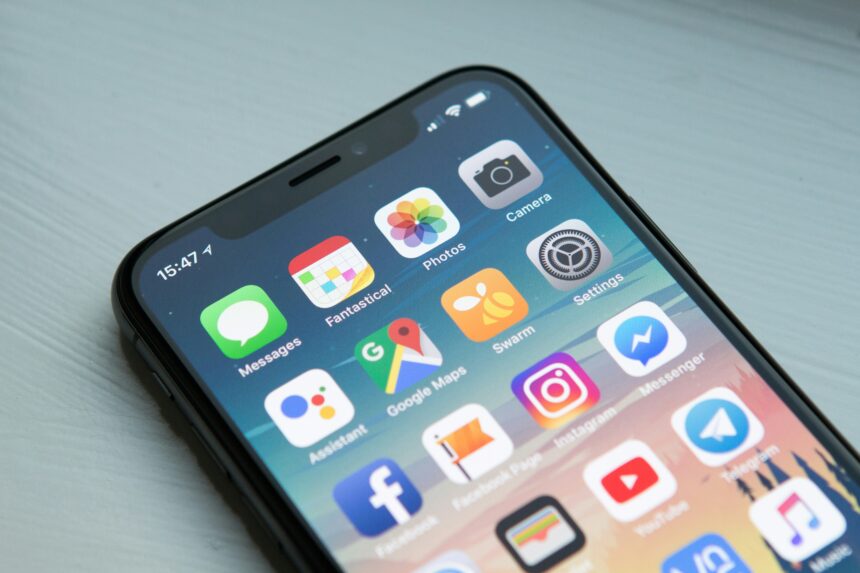
You know the feeling. It’s a subtle hum, a persistent itch at the back of your mind that escalates into a full-blown urge. Your thumb hovers, your eyes dart to your phone, and before you can even consciously process it, you’re unlocking your screen. The familiar icons – messaging apps, social media – beckon. You’re not necessarily expecting a life-altering revelation, just that message. The one from that person. And so it begins again: the compulsive, almost automatic, checking. Why can’t you stop? It feels like a small addiction, a minor inconvenience, but for many, it’s a significant drain on mental energy and emotional well-being. This isn’t just about boredom; it’s about a complex interplay of psychology, biology, and the very way modern communication has reshaped our brains.
If you often find yourself checking your phone for a message that may not even be there, you might be interested in exploring the psychological factors behind this behavior. A related article discusses the compulsive nature of smartphone usage and the anxiety that can accompany waiting for communication. To learn more about this phenomenon and its impact on our daily lives, you can read the full article here: Understanding Smartphone Compulsions.
The Neurochemical Cocktail: Dopamine’s Deceptive Dance

Your brain is a remarkably intricate chemical factory, and when it comes to anticipation and reward, dopamine is the star player. This neurotransmitter is often dubbed the “feel-good” chemical, but its role is more nuanced. Dopamine isn’t solely about pleasure; it’s also about motivation, learning, and crucially, seeking. When you’re waiting for a message, especially from someone you care about or are romantically involved with, your brain releases a small hit of dopamine in anticipation of a potential reward – a notification, a reply, a sign of connection. This anticipation itself can be pleasurable, creating a feedback loop.
The Slot Machine Effect: Intermittent Reinforcement
Think of checking your phone like playing a slot machine. You pull the lever (you check your phone) hoping for a win (a message). Most of the time, you get nothing. But then, occasionally, you get a notification. This intermittent reinforcement is incredibly powerful in shaping behavior. Unlike a constant reward, where the excitement might wane, unpredictable rewards keep you coming back for more. Your brain learns that even though most checks yield no immediate gratification, there’s always a chance of a reward. This uncertainty is precisely what makes the urge so compelling. It’s the possibility, however slim, that keeps you tethered to your device.
The Brain’s Reward Pathway: A Familiar Route
When you do receive a message from the person you’re waiting for, your brain experiences a dopamine surge. This surge reinforces the behavior that led to it – the checking. Your brain then files this experience away, associating the act of checking with a positive outcome. Over time, this pathway becomes well-trodden. The more you check and are occasionally rewarded, the stronger this neural connection becomes, making it increasingly difficult to resist the urge. It’s a self-perpetuating cycle where the act of seeking becomes intertwined with the potential for a dopamine release.
The Psychological Landscape: Why This Person Matters So Much

Beyond the basic neurochemistry, there are deeper psychological drivers behind your urge to check. The intensity of your checking behavior is often directly proportional to the significance of the person you’re waiting for a message from. This isn’t just about any message; it’s about their message.
The Quest for Validation and Reassurance
In any relationship, but particularly in nascent or developing romantic ones, validation and reassurance are powerful emotional needs. A message from someone you’re interested in can feel like a stamp of approval, a sign that you are thought of, desired, or valued. The absence of a message, on the other hand, can be interpreted as a lack of interest, a rejection, or a sign of waning affection. Your checking is, in part, a desperate attempt to quell these anxieties and secure a sense of affirmation. Each unopened message on your phone represents a potential answer to the unspoken question: “Do they still like me? Are we still okay?”
The Fear of Missing Out (FOMO) and Social Exclusion
This is not just about romantic connections. Even in friendships or professional contexts, the fear of missing out can fuel the checking habit. If you’re waiting for a message from a friend about plans, or from a colleague about an important update, the urge to check is amplified by the possibility of being left out or falling behind. This fear is amplified in our hyper-connected world, where we’re constantly exposed to the curated lives of others, making us acutely aware of what we might be missing. The constant stream of notifications from others can create a sense of urgency, even if the message you’re waiting for isn’t time-sensitive.
The Ambiguity of Modern Communication
Texting and instant messaging are notorious for their ambiguity. Unlike face-to-face conversations, tone, intent, and emotion are often lost in translation. This ambiguity breeds uncertainty, and uncertainty fuels anxiety. When you haven’t heard from someone, you’re left to fill in the blanks. Are they busy? Are they upset? Are they deliberately ignoring you? Your imagination can run wild, conjuring up all sorts of negative scenarios. The urge to check becomes a way to resolve this ambiguity, to get concrete information, even if that information might be painful. You’d rather know the bad news than live in the agonizing uncertainty.
The Behavioral Patterns: Habits Formed in the Digital Age
Over time, the combination of neurochemical drives and psychological needs can solidify into ingrained behavioral patterns. Your compulsive checking isn’t necessarily a conscious decision; it can become an almost automatic response to certain triggers.
Trigger-Response Loops: The Unconscious Habit
Your brain is a master of forming habits. Certain cues in your environment can trigger an automatic response. For you, these triggers might include:
- Moments of Downtime: When you have a few spare minutes, your mind naturally drifts to your phone.
- Feeling Bored or Anxious: These uncomfortable emotions can be temporarily alleviated by the act of checking, offering a brief distraction.
- Seeing Their Name or Avatar: Even a fleeting glimpse of their profile picture can ignite the urge.
- The Absence of Activity: If your phone has been silent for a while, your mind might start to assume the worst, prompting a check.
These triggers, combined with the potential for a dopamine reward, create a powerful habit loop. You learn to associate these cues with the action of checking, and soon, the action becomes almost involuntary.
The Illusion of Control: Checking as a Coping Mechanism
Checking your phone can provide a fleeting sense of control in situations where you feel powerless. You can’t control when they will message you, but you can control the act of checking. This illusion of agency can be incredibly seductive, especially when you’re feeling vulnerable or anxious about the relationship. It’s a way of trying to actively manage the situation, even if your actions are ultimately unproductive. You are taking action, however small, to try and influence the outcome.
The Cost of Constant Vigilance: Mental and Emotional Exhaustion
This constant state of anticipation and checking comes at a significant cost. Your mental energy is constantly being siphoned off, leaving you feeling drained and unfocused. The emotional rollercoaster of hope, anxiety, and occasional disappointment can be exhausting. You might find yourself struggling to concentrate on tasks, being irritable, or having trouble sleeping. The mental bandwidth dedicated to this constant vigil is enormous, preventing you from fully engaging with the present moment or other important aspects of your life.
If you often find yourself checking your phone for messages, you might be interested in understanding the psychological factors behind this behavior. A related article explores the reasons why we feel compelled to stay connected and the impact of technology on our mental health. You can read more about it in this insightful piece on unpluggedpsych.com, which delves into the addictive nature of smartphones and how it affects our daily lives.
Breaking Free: Strategies for Reclaiming Your Attention
| Reason | Description | Psychological Effect | Common Metrics |
|---|---|---|---|
| Anticipation | Waiting eagerly for a message creates excitement and hope. | Increased dopamine release, leading to pleasure and reward sensation. | Average checking frequency: 20-30 times per hour |
| Anxiety | Worrying about the content or timing of the message. | Heightened stress levels and cortisol production. | Heart rate increase by 10-15 bpm during checking |
| Fear of Missing Out (FOMO) | Concern about missing important social interactions or updates. | Feelings of social exclusion and urgency to stay connected. | Up to 50% of phone checks driven by FOMO |
| Habit Formation | Repeated checking becomes automatic behavior over time. | Activation of habit loops in the brain, reducing conscious control. | Average habit loop cycle: 30-60 seconds |
| Validation Seeking | Looking for reassurance or approval through messages. | Temporary boost in self-esteem and mood. | Positive message response increases dopamine by 15% |
Recognizing the patterns and understanding the underlying mechanisms are crucial first steps. Now, let’s explore actionable strategies to help you break free from the compulsive checking cycle and reclaim your peace of mind.
Setting Boundaries: Digital and Emotional
Establishing clear boundaries is essential. This involves both physical boundaries with your device and emotional boundaries around your expectations.
Digital Detoxification and Scheduled Checks
Consider implementing “digital detox” periods throughout your day. This could mean putting your phone away for a set amount of time (e.g., an hour before bed, during meals, or for a few hours on a weekend). You can also schedule specific times to check your messages, rather than doing so constantly. For example, you might decide to check your messages at 10 AM, 2 PM, and 6 PM. This trains your brain to anticipate messages at specific intervals, rather than expecting them at any given moment.
Intentional Phone Use
Before you pick up your phone, ask yourself: “What is my intention?” Are you checking for a specific reason (e.g., to respond to a work email, to look up information), or are you simply acting on an urge? Cultivating intentionality shifts your relationship with your device from reactive to proactive. When the urge to check arises, pause and ask yourself if it’s truly necessary.
Shifting Your Focus: Cultivating Mindfulness and Other Interests
The urge to check often stems from a void – a lack of present engagement or a surplus of anxious energy. Filling that void with meaningful activities can significantly reduce the power of the urge.
Mindfulness and Present Moment Awareness
Practicing mindfulness can help you become more aware of your thoughts and urges without immediately acting on them. When the urge to check arises, acknowledge it without judgment. Observe the sensation, notice your thoughts, and then consciously choose to redirect your attention to your breath or your surroundings. This practice weakens the automatic connection between the urge and the action.
Rediscovering and Nurturing Your Passions
Invest time and energy into hobbies, interests, and activities that genuinely engage you. Whether it’s reading, exercising, creating art, spending time in nature, or connecting with friends in person, these activities provide a fulfilling alternative to the fleeting gratification of checking your phone. When you’re engrossed in something you love, the urge to check often fades into the background.
Re-evaluating Expectations and Building Self-Worth
Ultimately, the intensity of your checking behavior is tied to your underlying needs and expectations. Addressing these can lead to lasting change.
Managing Relationship Expectations
It’s crucial to have realistic expectations about communication in any relationship. Understand that people have different communication styles and may not be able to respond immediately. Avoid projecting your anxieties onto their silence. Focus on the quality of your interactions, not just the frequency of their messages. Are your interactions generally positive and supportive? That’s a stronger indicator of connection than a constant barrage of texts.
Strengthening Your Sense of Self-Worth
Your worth is not determined by how often someone messages you. Cultivating a strong sense of self-worth independent of external validation is paramount. Focus on your accomplishments, your values, and the positive qualities you bring to the world. When you feel secure in your own value, the need for constant reassurance through messages will diminish. This is a journey, not a destination, and it involves consistently reminding yourself of your inherent worth.
The Journey Towards a More Present You
The urge to check for their message is a complex phenomenon, rooted in the intricate workings of your brain and the nuances of your emotional landscape. It’s a testament to how deeply ingrained digital communication has become in our lives and how susceptible we are to the subtle manipulations of anticipation and reward. But the good news is that this is not an insurmountable challenge. By understanding the mechanisms at play, you can begin to dismantle the habit. It requires conscious effort, a willingness to be uncomfortable, and a commitment to reclaiming your attention and your peace. It’s about training your brain to find satisfaction in the present moment, in real-world connections, and in the quiet confidence of your own self-worth. The journey may be challenging, but the reward – a life lived with greater presence, less anxiety, and more genuine connection – is immeasurably valuable. You have the power to break free from the grip of anticipation and step back into the richness of your own life, unburdened by the incessant pull of the notification chime.

You Stopped Reaching Out. Why Does Their Silence Hurt So Much?
FAQs
1. Why do people constantly check their phones for messages?
Constantly checking for messages on our phones can be attributed to the psychological phenomenon known as “nomophobia,” which is the fear of being without a mobile phone or being unable to use it.
2. What role does dopamine play in the urge to check for messages on our phones?
Dopamine, a neurotransmitter associated with pleasure and reward, is released in our brains when we receive a message or notification on our phones. This release of dopamine can create a sense of anticipation and excitement, leading to the urge to check our phones frequently.
3. How does social media and instant messaging contribute to the habit of checking our phones for messages?
Social media platforms and instant messaging apps are designed to be addictive, with features like notifications, likes, and messages triggering a dopamine response in our brains. The constant connectivity and instant gratification provided by these platforms can reinforce the habit of checking our phones for messages.
4. Can the fear of missing out (FOMO) contribute to the urge to constantly check for messages on our phones?
Yes, the fear of missing out (FOMO) can play a significant role in the urge to constantly check for messages on our phones. People may feel anxious or left out if they are not up to date with the latest messages or notifications, leading to a compulsive need to stay connected.
5. What are some strategies to reduce the habit of constantly checking our phones for messages?
To reduce the habit of constantly checking our phones for messages, it can be helpful to set boundaries around phone use, such as turning off notifications, designating specific times to check messages, and engaging in activities that promote mindfulness and presence in the moment. Practicing digital detoxes and limiting screen time can also help break the cycle of compulsive phone checking.