You’re in a room, the lights are low. The air is still. And then, it hits you. The silence. Not a peaceful, serene silence, but a deep, unnerving quiet that prickles your skin and sends a shiver down your spine. It’s a silence that feels unsafe. Why is that? Why does the absence of sound, something inherently neutral, evoke such primal unease within you? It’s a question that delves into the very foundations of your perception, your evolutionary history, and your psychological makeup.
From the dawn of your existence, silence wasn’t a luxury; it was a warning. Your ancestors, living in a world teeming with unseen threats, learned to associate stillness with potential peril. The rustle of leaves could signal a predator. The snap of a twig might mean something large and dangerous was approaching. In this environment, a sudden or prolonged absence of ambient noise wasn’t a sign of peace, but a void where danger could lurk undetected. Your brain, honed by millennia of survival, is wired to be hyper-vigilant. When the usual cacophony of life – the birdsong, the wind, the distant calls of other creatures – fades away, your internal alarm system flags it. This isn’t a conscious decision; it’s an automatic, instinctual response.
The Predator’s Advantage
Think about it from the perspective of a hunter or, more importantly, the hunted. A predator often relies on silence to get close. The less noise you make, the less likely your prey is to detect you. Conversely, if you are the prey, any silence that blankets your environment is a sign that your predator might be using that quiet to its advantage. Your senses are dulled because the usual auditory cues that would alert you to danger are gone. This leaves you vulnerable, exposed, and inherently unsafe.
The Absence of Communication
Beyond immediate physical threats, silence also represents the absence of social cues. For early humans, communication was vital for survival. Group cohesion, warnings, and shared knowledge all depended on sound. The lack of communication in a silent environment could signal isolation, abandonment, or the potential for a predatory entity to have incapacitated or dispersed your group without a sound. This deep-seated fear of being alone and vulnerable in the face of an unknown threat is a powerful driver of your unease.
Silence can often evoke feelings of unease, as it may trigger memories of past traumas or create a space for overwhelming thoughts to surface. In exploring this phenomenon, the article on Unplugged Psych delves into the psychological implications of silence and its impact on mental well-being. Understanding why silence feels unsafe can help individuals navigate their emotions and foster healthier coping mechanisms. For more insights on this topic, you can read the article here: Unplugged Psych.
The Cognitive Load: Your Brain Craves Input
Your brain is a constant information processing unit. It thrives on sensory input. Sound is a rich and continuous stream of data that helps you construct a coherent understanding of your surroundings. When this stream is abruptly cut off, your brain doesn’t simply shut down; it actively searches for what’s missing. This cognitive effort to fill the void can be exhausting and, by extension, unsettling. You become hyper-aware of the silence itself, and the absence of external stimuli can turn your attention inward, amplifying your own internal thoughts and anxieties.
The Spotlight on Self-Awareness
In the absence of external distractions, your focus naturally shifts inward. This can be a double-edged sword. For some, it might lead to introspection and self-discovery. For many, however, it shines a spotlight on your inner monologue, your worries, your insecurities. The constant hum of daily life often acts as a buffer against the full force of your own thoughts. When that buffer is removed, those thoughts can feel magnified and overwhelming, contributing to a sense of unease.
The Search for Meaning
Your brain is also a pattern-seeking machine. It looks for meaning and order in the world. Sound provides a constant stream of potential patterns – the rhythm of footsteps, the cadence of speech, the melody of music. When silence descends, these potential patterns disappear. Your brain then starts to work overtime, trying to find a pattern in the emptiness, which can lead to a feeling of disorientation and a loss of control. This inability to process and understand your environment effectively can be deeply unsettling.
The Social Vacuum: Silence as Isolation
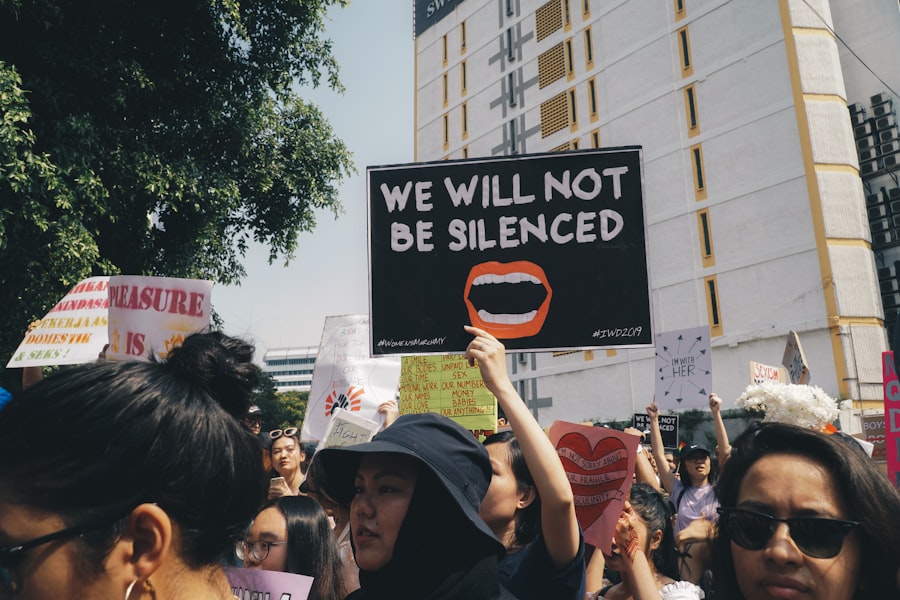
Humans are inherently social creatures. Our sense of safety and belonging is deeply intertwined with our social connections. Silence, in many contexts, can signify isolation. Think about the oppressive silence after an argument, the chilling quiet when you’re expecting a loved one to call and they don’t, or the unnerving stillness of an empty house. These silences aren’t just the absence of noise; they are the absence of connection, of affirmation, of the comforting presence of others. This feeling of being alone, of being cut off from your social support system, is a potent trigger for feelings of insecurity.
The Loss of Auditory Connection
Auditory cues are a primary way you connect with others. The sound of a friendly voice, the laughter of friends, even the murmur of a crowd – these all signal your place within a community. When that auditory connection is severed, you can feel adrift. The silence can feel like a barrier, separating you from the human world, leaving you feeling exposed and vulnerable.
The Unspoken Threat of Ostracism
In ancient societies, ostracism was a severe punishment, often a death sentence. Being cast out from the group meant facing the wilderness alone, without protection or resources. The silence that accompanies ostracism is a physical manifestation of this social exclusion. Even in modern times, a deliberate silence from a group can feel like a form of rejection, a subtle but powerful threat to your social standing and your sense of belonging.
The Unforeseen: Silence as the Unknown

Your ability to predict and control your environment is crucial for feeling safe. Sound provides you with crucial information that allows for prediction. You can hear a car approaching, anticipate a door opening, or gauge the mood of a room by the conversations happening within it. Silence removes these predictive cues, thrusting you into a state of uncertainty. The unknown is inherently frightening, and silence often serves as a gateway to that unknown.
The Amplification of Fear
When you can’t hear what’s happening, your imagination takes over. Your mind, desperate to fill the void of information, conjures up scenarios, often the worst-case ones. That creak in the floorboards becomes a lurking intruder. The slight shift in temperature becomes a sign of something unnatural. This amplification of fear, fueled by the lack of auditory information, makes the silent environment feel inherently unsafe.
The Lack of Reassurance
The sounds of everyday life, even the mundane ones, offer a subtle sense of reassurance. The hum of the refrigerator, the ticking of a clock, the distant traffic – these sounds affirm that the world is functioning as it should. Their absence can be deeply disorienting, leaving you questioning the very fabric of your reality and feeling a profound sense of unease.
Silence can often evoke feelings of unease and vulnerability, as it strips away the comforting noise of everyday life, leaving us alone with our thoughts and fears. This sensation is explored in depth in a related article that discusses the psychological implications of silence and how it can trigger anxiety in many individuals. For those interested in understanding this phenomenon better, you can read more about it in the article on Unplugged Psychology, which delves into the reasons why silence may feel unsafe and the impact it can have on our mental well-being.
The Psychological Impact: Internalizing the Threat
| Reasons Why Silence Feels Unsafe |
|---|
| Lack of communication |
| Uncertainty about others’ intentions |
| Fear of being ignored or dismissed |
| Inability to address potential threats |
| Feeling isolated or disconnected |
The unsettling nature of silence isn’t just about external factors; it deeply impacts your psychological state. Your perception of safety is not solely based on objective reality but also on your internal interpretation of stimuli. Silence, by its very nature, can trigger a cascade of psychological responses that contribute to feelings of vulnerability and fear.
The Erosion of Control
Feeling in control of your environment is fundamental to your sense of security. Silence can erode this feeling. When you can’t hear what’s happening, you lose a significant tool for predicting and influencing events. This lack of control can lead to feelings of powerlessness, which are inherently uncomfortable and can foster a sense of impending danger. You feel like a passive observer in a situation you can’t influence, and that’s a recipe for anxiety.
The Shadow of the Unconscious
Silence can also be a gateway to your unconscious mind. In the absence of external noise, the whispers of your subconscious can become louder. This can bring repressed fears, anxieties, and unresolved traumas to the surface. While this can be a path to healing, it can also be deeply unsettling, as these internal specters emerge in the quiet dark, making the silence feel not just empty, but pregnant with hidden threats. You might find yourself replaying past negative experiences or anticipating future misfortunes, all amplified by the stillness.
The Modern Paradox: Seeking Silence, Yet Fearing It
In our modern, often noisy lives, you might even actively seek out moments of quiet. You might crave a silent retreat to escape the constant barrage of information and stimulation. Yet, when you find yourself in that profound quiet, the ingrained evolutionary and psychological responses kick in. You’re caught in a paradox: desiring the peace, but recoiling from the unsettling implications of its absence. This highlights how deeply rooted your aversion to certain kinds of silence is. It’s a primal instinct that even conscious desires can’t entirely override.
In conclusion, the unsettling nature of silence is a complex interplay of evolutionary programming, cognitive demands, social needs, and psychological responses. Your brain, wired for survival, interprets prolonged quiet as a potential threat, a void where danger can lurk. The absence of auditory input disrupts your cognitive processes, amplifies your internal anxieties, and can signal social isolation. Ultimately, your feeling of unsafety in silence is a testament to your deep-seated need for information, connection, and a predictable environment. It’s a reminder that while noise can be a nuisance, its absence, in certain contexts, can be a far more profound source of unease.
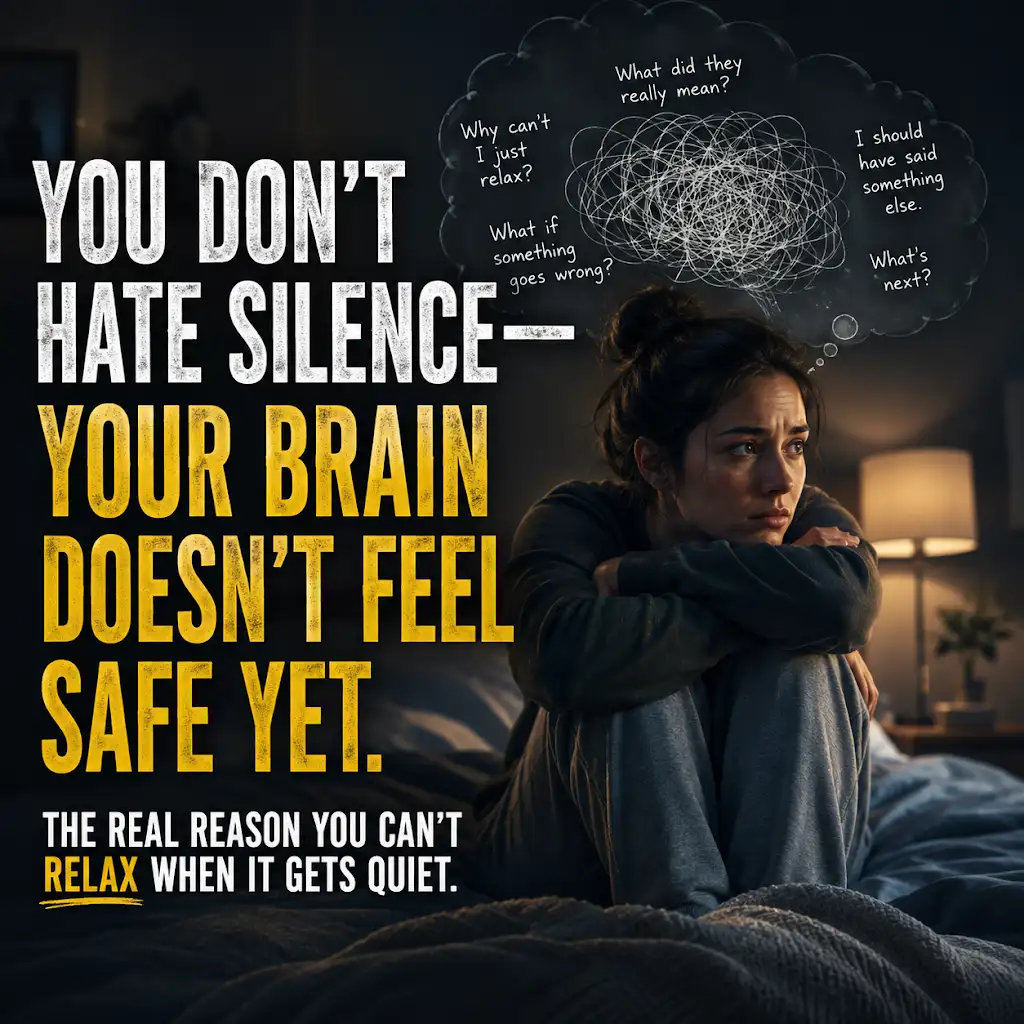
You Don’t Hate Silence—Your Brain Doesn’t Feel Safe Yet
FAQs
What is the concept of “silence feels unsafe”?
The concept of “silence feels unsafe” refers to the feeling of discomfort or unease that arises when there is a lack of communication or when individuals feel unable to express themselves freely. This feeling can stem from a variety of factors, including fear of judgment, lack of trust, or a sense of isolation.
What are some potential reasons why silence feels unsafe?
There are several potential reasons why silence may feel unsafe for individuals. These reasons can include past experiences of being silenced or invalidated, a lack of trust in the environment or the people present, fear of judgment or rejection, and a sense of vulnerability when unable to communicate or express oneself.
How does the feeling of unsafety in silence impact individuals?
The feeling of unsafety in silence can have a significant impact on individuals’ mental and emotional well-being. It can lead to increased stress, anxiety, and feelings of isolation. Additionally, it can hinder effective communication and the ability to form meaningful connections with others.
What are some strategies for addressing the feeling of unsafety in silence?
There are several strategies that individuals can use to address the feeling of unsafety in silence. These may include practicing open and honest communication, seeking support from trusted individuals or professionals, setting boundaries, and working on building self-confidence and self-assertiveness.
How can organizations and communities create a safer environment for silence?
Organizations and communities can create a safer environment for silence by promoting open communication, fostering a culture of respect and inclusivity, providing opportunities for individuals to express themselves freely, and addressing any underlying issues that may contribute to feelings of unsafety in silence.