You’re standing at a precipice, aren’t you? The familiar landscape of your past life is behind you, a place you can no longer inhabit. Yet, the path forward is shrouded in a fog so dense you can’t see more than a few steps ahead. This is the disorienting, soul-wearying struggle of moving on without closure. You’ve been left adrift, tethered to an ending that feels incomplete, a story with pages ripped out before the final chapter. The silence where answers should be is deafening, and you find yourself replaying conversations, dissecting actions, searching for clues that aren’t there, or worse, that you can’t quite piece together.
The Ghost of Unspoken Words
The most pervasive specter in this absence of closure is the ghost of unspoken words. You yearn for explanations, for apologies, for acknowledgments that never came. Did they mean it? What were they truly thinking? These questions gnaw at you, manifesting as sleepless nights and endless internal monologues. You imagine scenarios, crafting dialogues that might offer some semblance of peace, but they remain just that – fantasies. The reality is a void, and you’re left to fill it with assumptions, which rarely bring comfort.
The absence of concrete answers is a heavy burden to bear. You’re not just grieving the loss of a person or a relationship; you’re grieving the loss of understanding. It’s like being presented with a complex puzzle with half the pieces missing, leaving you forever staring at an incomplete picture. This uncertainty can fuel anxiety and self-doubt, as you question your own perceptions and interpretations.
The Loop of “What If”
This inability to find closure often traps you in a relentless cycle of “what if.” What if you had said something different? What if you had done something else? What if they had acted differently? These hypothetical scenarios, while often unproductive, are your mind’s desperate attempt to create the missing narrative, to find a path that could have led to a more satisfying conclusion. Each “what if” is a detour that pulls you further away from forward movement, keeping you firmly rooted in the past.
The Erosion of Trust
When you don’t have closure, your ability to trust others, and even yourself, can be severely compromised. You’ve been left with the feeling that you weren’t seen, heard, or valued enough for a proper ending. This can make you hyper-vigilant in future relationships, constantly looking for signs of betrayal or impending abandonment. You might second-guess intentions, interpret neutral actions as malicious, and struggle to form deep, secure connections.
Moving on from a significant relationship or experience can be an incredibly challenging process, especially when closure is lacking. Without a clear understanding of what went wrong or the opportunity to say goodbye, individuals may find themselves trapped in a cycle of unresolved emotions. For further insights into this topic, you can explore the article on the importance of closure and its impact on emotional healing at Unplugged Psych. This resource delves into the psychological aspects of closure and offers strategies for moving forward in a healthier way.
The Paradox of Simultaneous Grief and Hope
One of the most confusing aspects of moving on without closure is the paradoxical experience of simultaneous grief and hope. You are undeniably hurting, mourning what was lost. Yet, the unresolved nature of the situation can also keep a flicker of hope alive. You might cling to the possibility that things could change, that an explanation will surface, or that the other person will eventually reach out. This dual emotional state can be incredibly destabilizing, preventing you from fully engaging in the grieving process and, consequently, from truly letting go.
The Illusory Comfort of Lingering Possibilities
This lingering hope, while seemingly offering a sliver of comfort, is often an illusion. It’s the comfort of a mirage in a desert, promising relief but ultimately leaving you more parched. This hope prevents you from accepting the finality of the situation, which is a crucial step in healing. You may find yourself constantly checking your phone, scanning social media, or engaging in behaviors that keep you tethered to the person or situation you need to leave behind.
The Difficulty of Establishing New Boundaries
Without a clear ending, establishing new boundaries becomes a monumental task. You might find yourself caught in limbo, unsure of where the old relationship ends and the new chapter of your life begins. This can lead to blurred lines, confusion, and repeated intrusions into your emotional space. You may struggle to assert your needs or to create the necessary distance for healing because the “rules” of engagement were never clearly defined or respected.
The Emotional Toll of Unresolved Endings

The emotional toll of unresolved endings is profound and far-reaching. It’s not just a fleeting sadness; it’s a persistent ache that can infiltrate various aspects of your life. You might experience heightened irritability, difficulty concentrating, and a general sense of unease that colors your days.
The Physical Manifestations of Emotional Distress
Your body often bears the brunt of this emotional turmoil. Stress-related symptoms can emerge, such as headaches, digestive issues, fatigue, and sleep disturbances. This is your body’s way of signaling that something is deeply out of balance, that the mental anguish is manifesting physically. You might feel constantly drained, as if you’re carrying an invisible weight that saps your energy.
The Impact on Your Sense of Self
When you don’t have closure, your sense of self can become intertwined with the unresolved situation. You might internalize the lack of explanation as a reflection of your own worth, questioning if you were somehow to blame or if you were simply not important enough for a proper farewell. This can erode your confidence and make it difficult to see your own value independent of the lost connection. You might feel like a broken piece, incomplete without the missing part.
The Unseen Obstacles to Moving Forward

The path to moving on is already challenging, but the absence of closure presents unique and often unseen obstacles. These are the hurdles you might not even recognize until you’re stumbling over them.
The Temptation to Seek Replacement
In an attempt to fill the void left by the lack of closure, you might be tempted to seek replacement. This could manifest as jumping into a new relationship prematurely, seeking constant validation from others, or becoming overly engrossed in work or other distractions. These are often superficial attempts to mask the underlying pain and are unlikely to provide genuine healing or closure.
The Danger of Idealizing the Past
Without a definitive ending, it’s easy to fall into the trap of idealizing the past. You may selectively remember the good times, glossing over the negative aspects of the relationship or situation. This distorted memory makes it harder to accept that it’s truly over and to move forward, as you’re holding onto a fantasy rather than reality. The “what-ifs” become even more potent when you’re remembering only the highlights.
Moving on from a significant relationship or experience can be incredibly challenging, particularly when closure is lacking. The absence of a clear ending often leaves unresolved feelings and questions, making it difficult to fully process the situation. For a deeper understanding of this emotional struggle, you can explore a related article that discusses the importance of closure in the healing process. This insightful piece highlights how closure can provide clarity and help individuals move forward more effectively. To read more about this topic, visit this article.
Strategies for Navigating the Fog
| Reasons Why Moving On is Difficult Without Closure |
|---|
| 1. Unanswered Questions |
| 2. Lack of Understanding |
| 3. Emotional Attachment |
| 4. Difficulty Letting Go |
| 5. Fear of Repeating the Same Mistakes |
While the struggle of moving on without closure is undeniable, it doesn’t mean you’re doomed to perpetual pain. There are strategies you can employ to navigate this fog and slowly, steadily, find your way forward.
Embracing the Uncertainty
The first step, and perhaps the most difficult, is to consciously embrace the uncertainty. This doesn’t mean liking it or accepting it as ideal, but rather acknowledging that you don’t have all the answers, and that’s okay. This act of acceptance can begin to loosen the grip of the “what ifs” and allow you to focus on the present. It’s about acknowledging the missing pieces without letting them define the entire picture.
Creating Your Own Closure
Since closure hasn’t been provided externally, you may need to create it for yourself. This can take many forms. It might involve writing a letter to the person or situation (that you don’t send), engaging in a symbolic ritual, or having a conversation with a trusted friend or therapist where you articulate your feelings and desired outcomes. The goal is to create a sense of completion, even if it’s only for yourself. This is about acknowledging your needs and addressing them, even in the absence of external validation.
Focusing on Self-Care and Self-Compassion
During this time, self-care and self-compassion are not luxuries; they are necessities. Be kind to yourself. Recognize that this is a difficult process, and allow yourself to feel the emotions without judgment. Prioritize activities that nourish your well-being, whether it’s exercise, spending time in nature, pursuing hobbies, or simply getting enough rest. You deserve gentleness and understanding from yourself.
Seeking Professional Support
If you find yourself consistently overwhelmed or stuck in a cycle of pain, don’t hesitate to seek professional support. A therapist can provide a safe space for you to explore your feelings, develop coping mechanisms, and work through the complexities of moving on without closure. They can offer guidance and tools that you might not be able to access on your own, helping you to untangle the knots of confusion and grief.
Rebuilding Your Sense of Self
As you begin to move forward, consciously work on rebuilding your sense of self, independent of the unresolved situation. Rediscover your passions, reconnect with your values, and nurture the relationships that uplift you. Remind yourself of your strengths and your inherent worth. The absence of closure doesn’t diminish who you are; it simply means you have a unique path to rediscovering and reaffirming your identity.
Moving on without closure is a journey, not a destination. There will be days when the fog feels thicker than ever, and moments when the ghosts of unspoken words whisper louder. But with patience, self-compassion, and a commitment to your own healing, you can, step by painstaking step, find your way through the uncertainty and emerge on the other side, stronger and more resilient than you ever imagined. You are not defined by the unsaid, but by your capacity to move forward despite it.
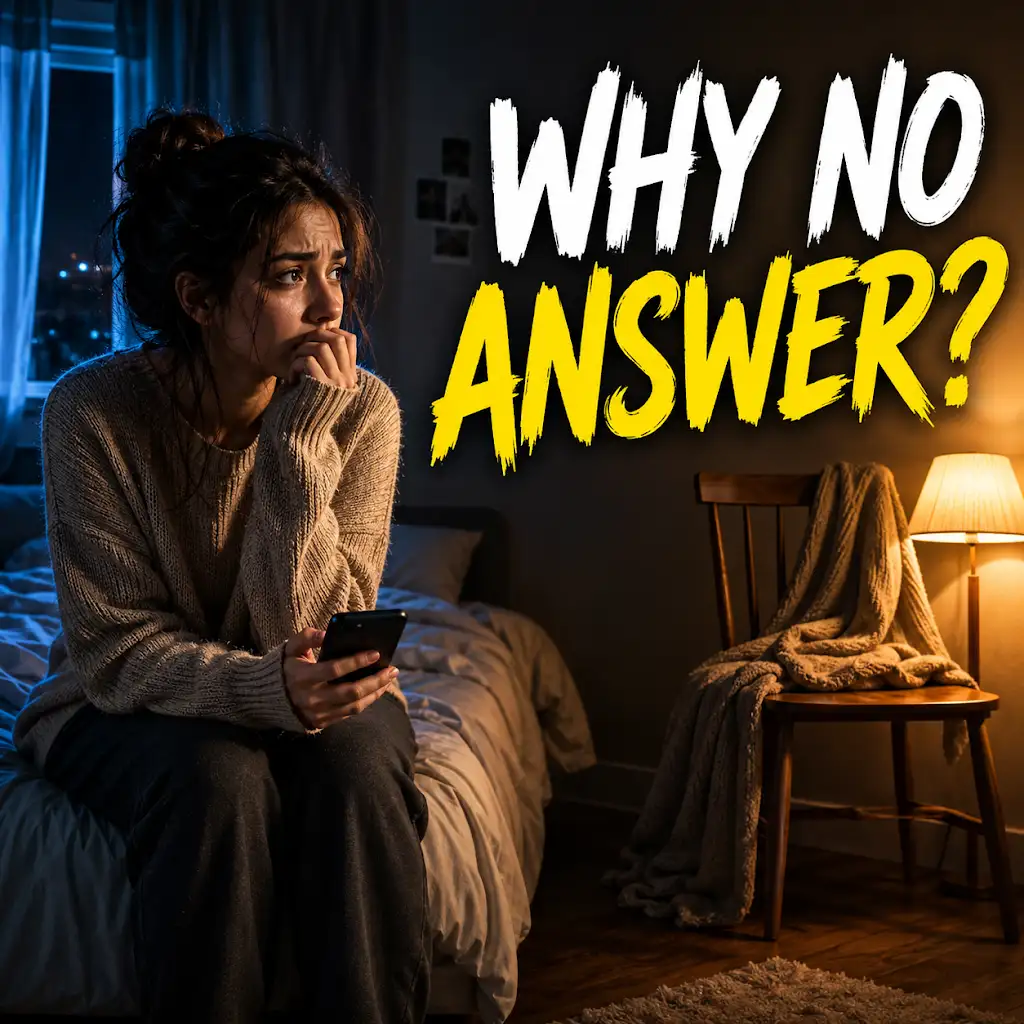
Why Your Brain Can’t Let Go When Someone Ignores You
FAQs
1. What is closure in the context of moving on from a relationship or situation?
Closure refers to the process of coming to terms with the end of a relationship or situation, and finding a sense of resolution and understanding. It often involves gaining clarity and acceptance, and being able to move forward without lingering feelings of confusion or emotional attachment.
2. Why is closure important for moving on?
Closure is important for moving on because it allows individuals to process their emotions, gain a sense of understanding and acceptance, and ultimately let go of the past. Without closure, people may find it difficult to fully move on and may continue to experience unresolved feelings and emotional distress.
3. What are some common reasons why closure may be difficult to attain?
Closure may be difficult to attain for various reasons, such as lack of communication with the other party, unresolved issues or unanswered questions, and emotional attachment. Additionally, external factors such as distance or time constraints may also hinder the closure process.
4. How can one work towards finding closure without direct communication or resolution from the other party?
Finding closure without direct communication or resolution from the other party may involve self-reflection, seeking support from friends or a therapist, and focusing on personal growth and healing. Engaging in activities that promote self-care and emotional well-being can also aid in the closure process.
5. Are there alternative methods or strategies for finding closure if traditional approaches are not effective?
Alternative methods for finding closure may include writing a letter to the other party (even if it is not sent), practicing mindfulness and meditation, and engaging in activities that promote self-expression and emotional release, such as art or journaling. It’s important to find a method that resonates with the individual and supports their emotional healing process.