You carry a weight, an invisible burden that presses down, making each breath a deliberate effort. Yet, when the opportunity arises to shed some of that load, to speak it into existence and seek solace, you falter. The words, once lodged inside, become concrete, unyielding. This is the profound struggle of trauma survivors: the deafening silence that often accompanies the deepest wounds, and the immense difficulty of asking for help.
When you’ve experienced trauma, the world can transform into a vast, echoing chamber. The incident itself, and its lingering aftermath, can sever connections, leaving you adrift in a sea of unspoken pain. This isolation isn’t always an external force; often, it’s a self-imposed prison built from the bricks of fear and shame.
The Erosion of Trust: A Foundation Shattered
Trauma, by its very nature, is a violation. It undermines your sense of safety and your belief in others. If the trauma involved betrayal by someone close, the ability to trust anyone becomes a distant memory. You learn to shield yourself, to keep everyone at arm’s length, because even the most well-intentioned gesture can feel like a potential threat. This deep-seated suspicion makes the act of opening up to another person feel like walking a tightrope over a chasm.
The Myth of Self-Sufficiency: A Burden of Expectation
Society often glorifies independence and resilience. You might have internalized this narrative, believing that admitting you need help is a sign of weakness. This myth of self-sufficiency can be particularly potent after trauma. You may feel an overwhelming pressure to “get over it,” to bounce back unaided, as if the act of seeking support invalidates the strength you’ve already demonstrated by surviving. This internal pressure can be immense, creating a barrier even when resources are available.
The Unseen Scars: The Invisibility of Your Pain
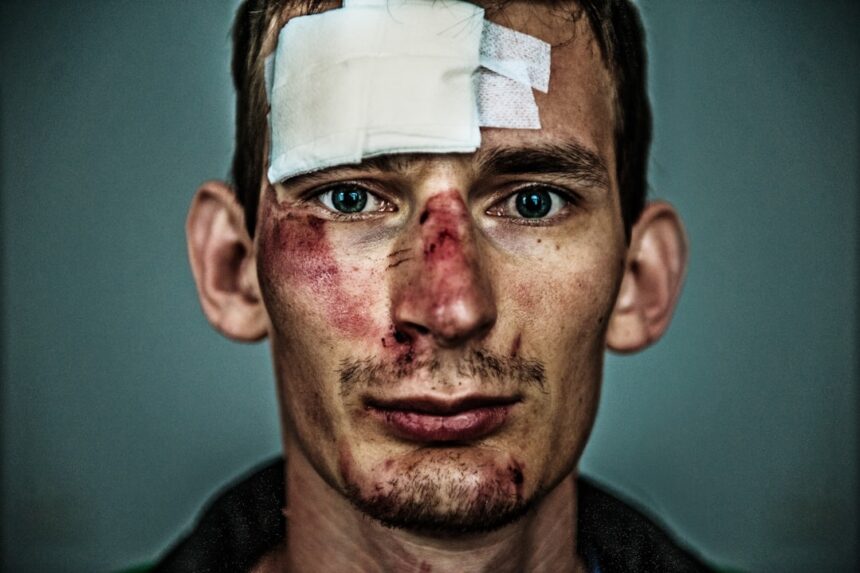
Unlike a broken bone or a visible wound, the scars of trauma are often invisible to the outside world. This lack of outward manifestation can lead to a feeling that your suffering is not real, or at least not significant enough to warrant attention. You might compare your internal turmoil to the visible struggles of others, leading to a sense of inadequacy and silencing your own needs. Why should you burden others with something they cannot see?
Trauma survivors often face significant challenges when it comes to asking for help, which can be attributed to various psychological barriers such as fear of judgment, feelings of shame, and a deep-seated belief that they must handle their struggles alone. These issues can be compounded by past experiences that have led them to distrust others or feel unworthy of support. For a deeper understanding of this phenomenon and strategies for overcoming these hurdles, you can read the insightful article available at Unplugged Psych.
The Fear of Re-traumatization: A Ghost in the Room
The prospect of recounting a traumatic experience can be terrifying. It’s not simply a matter of dredging up bad memories; it’s the fear of reliving the terror, the helplessness, the agony. This fear is a potent deterrent, keeping the trauma locked away in the dark corners of your mind.
The Vivid Replay: When Memories Become Present
Traumatic memories are not like ordinary recollections. They can erupt with an uncanny vividness, flooding your senses and making the past feel like the present. Even hinting at the details can trigger this intense re-experiencing, pushing you into a state of panic. The thought of having to articulate these sensations to another person can be overwhelming, a prospect that stirs primal fear.
The Judgement of Others: A Silent Anticipation
You may anticipate judgment, disbelief, or even blame from those you confide in. The fear that your story will be dismissed, or that you will be held responsible for what happened, can be a paralyzing force. This anticipating of negative reactions, even if unfounded, creates a powerful defense mechanism where silence becomes the safest option.
The Burden of Explanation: Exhaustion in Articulation
Explaining trauma is rarely a simple narrative. It involves complex emotions, fragmented memories, and often, a sense of confusion that even you struggle to untangle. The sheer effort required to try and convey the depth and breadth of your suffering can be exhausting. You might feel that no one could possibly understand, and the prospect of attempting to bridge that gap feels insurmountable.
The Weight of Shame and Guilt: Internalized Blame
Trauma can leave you feeling profoundly ashamed and guilty, even when you are the victim. This paradoxical internal experience is a cruel twist of fate, and it significantly hinders your ability to seek help.
The “What Ifs” and the “Should Haves”: The Mind’s Torture Chamber
Your mind may be perpetually caught in a cycle of “what if” and “should have.” You replay the events, searching for agency you may not have had, and blaming yourself for actions or inactions that were beyond your control. This internal dialogue perpetuates a sense of personal failing, making it difficult to believe you are worthy of support.
The Stigma of Mental Health: A Lingering Shadow
Despite progress, a stigma still surrounds mental health issues. You might worry that seeking help for trauma will label you as “broken” or “crazy.” This internalized stigma can amplify feelings of shame, creating a double barrier to asking for help – the shame of the trauma itself, and the shame of admitting you need professional intervention.
The Feeling of Being “Dirty” or “Tainted”: A Corrosive Self-Perception
Trauma can leave you feeling fundamentally altered, as if you are now “dirty” or “tainted.” This deeply distressing self-perception can make you believe that you are unworthy of love, connection, or support. The idea of bringing this perceived taint to another person, especially one you are seeking help from, can be deeply unsettling.
The Language Barrier: Finding the Words for the Unspeakable

Trauma exists in a space beyond ordinary language. The experiences are often so profound, so shattering, that the words to describe them feel inadequate, clumsy, or simply non-existent.
The Inadequacy of Vocabulary: When Words Fail
You may find yourself grasping for words that simply aren’t there. How do you describe the sensation of your world imploding? How do you articulate the soul-deep ache of loss, or the gnawing fear that has become your constant companion? The limitations of language can feel like another prison, trapping your experiences within your own silent confines.
The Fear of Misinterpretation: Your Nuance Lost
Even if you manage to find some words, there’s the persistent fear that they will be misinterpreted. Nuances of your experience, the subtle shifts in emotion, the underlying physical sensations – these can all be lost in translation. You might feel that the listener is only grasping a fraction of what you are trying to convey, leading to frustration and a withdrawal back into silence.
The Pressure to Simplify: Distorting the Truth
In an attempt to make your experience comprehensible, you might feel pressured to simplify it, to smooth over the jagged edges. This simplification, however, can distort the truth of your trauma, making it feel less important or less real. You might inadvertently minimize your own suffering to make it easier for others to digest, thereby further diminishing its perceived validity.
Trauma survivors often face significant challenges when it comes to asking for help, as their experiences can lead to feelings of shame, fear, and vulnerability. This struggle is explored in depth in a related article that discusses the psychological barriers that prevent individuals from seeking support. Understanding these barriers is crucial for both survivors and their loved ones, as it can foster empathy and encourage open communication. For more insights on this topic, you can read the article here.
The Mechanics of Seeking Help: A Gauntlet of Obstacles
| Reasons Trauma Survivors Struggle to Ask for Help |
|---|
| 1. Fear of judgment or stigma |
| 2. Lack of trust in others |
| 3. Feeling of shame or guilt |
| 4. Difficulty expressing emotions |
| 5. Fear of re-traumatization |
| 6. Belief that they should handle it on their own |
Beyond the internal struggles, the practicalities of seeking help can themselves be formidable hurdles. Navigating systems, finding the right professionals, and even just making the initial contact can feel like an insurmountable task.
Financial Barriers: The Cost of Healing
Therapy, counseling, and other forms of support can be expensive. For many survivors, particularly those whose trauma may have led to job loss or financial instability, the cost of healing is an insurmountable barrier. This economic reality can force you to prioritize basic needs over mental well-being, perpetuating a cycle of suffering.
Access and Availability: Finding the Right Fit
Locating competent and compassionate professionals can be a challenge. Waiting lists for therapists can be long, and finding someone who specializes in trauma-informed care can require significant research. You might feel overwhelmed by the sheer process of finding the right person, leading to procrastination and eventual avoidance.
The First Step: The Terrifying Initial Contact
The act of picking up the phone or sending that first email to a therapist can be incredibly daunting. It signifies an acknowledgment of your pain and a commitment to confronting it. For someone who has spent so long in silence, this initial act of reaching out can feel like stepping into the unknown, a terrifying leap of faith. The potential for rejection, misunderstanding, or simply not being believed can hold you back from taking this crucial first step.
The Exhaustion of the Process: Energy Depleted
Even with the best intentions, the process of seeking and engaging in therapy can be mentally and emotionally draining. The effort required to articulate your pain, to confront difficult emotions, and to engage in the therapeutic work can leave you feeling utterly depleted. When you are already operating on depleted reserves due to trauma, this added exhaustion can make continuing the journey feel impossible.
You are not alone in this struggle. The silence is a shield, a defense mechanism that served you when you needed it most. But for healing to begin, for the weight to be lifted, that silence must eventually be broken. It is a testament to your strength that you have survived. And it is a testament to your courage that, when the time is right, you might find the power within yourself to whisper, then to speak, then to roar your truth, and finally, to ask for the help you so profoundly deserve.
FAQs
1. What is trauma and how does it affect survivors?
Trauma is a psychological response to a distressing event, such as abuse, violence, or a natural disaster. Trauma survivors may experience symptoms such as anxiety, depression, flashbacks, and difficulty trusting others.
2. Why do trauma survivors struggle to ask for help?
Trauma survivors may struggle to ask for help due to feelings of shame, guilt, or fear of being judged. They may also have difficulty trusting others and may feel like they have to handle their struggles on their own.
3. What are the barriers that trauma survivors face when seeking help?
Barriers to seeking help for trauma survivors may include stigma surrounding mental health, lack of access to resources, financial constraints, and fear of re-traumatization when discussing their experiences.
4. How can trauma survivors be supported in seeking help?
Trauma survivors can be supported in seeking help through providing a safe and non-judgmental environment, offering resources and information about available support services, and encouraging open and honest communication.
5. What are some effective ways to help trauma survivors overcome their reluctance to ask for help?
Effective ways to help trauma survivors overcome their reluctance to ask for help include building trust through consistent support, validating their experiences, and empowering them to make their own choices in seeking help.