
The human experience of love, in its myriad forms, has long been a subject of poetry, philosophy, and art. Yet, beneath the surface of romantic gestures and familial affection lies a complex biological and psychological framework. This framework, often explored through the lens of attachment theory, helps us understand the deep emotional bonds that connect us to others and shape our social lives. From the earliest moments of infancy to the enduring relationships of adulthood, the science of love reveals a fascinating interplay of evolution, neurochemistry, and learned behavior.
The Evolutionary Roots of Connection
The drive to form bonds is not merely a pleasant facet of human existence; it is deeply ingrained in our evolutionary history. For our ancestors, social connection was paramount for survival. Infants, utterly dependent on caregivers, required consistent proximity and care to thrive. This fundamental need for attachment fostered the development of specific behaviors and physiological responses that promoted bonding.
Survival Through Proximity
In the harsh environments faced by early humans, individuals who could form strong alliances and support networks were more likely to survive and reproduce. Cooperation in hunting, defense, and child-rearing offered a significant advantage over solitary existence. This evolutionary pressure favored individuals who were predisposed to seek and maintain close relationships. The very survival of our species, therefore, is intrinsically linked to our capacity for forming emotional bonds. These bonds, forged in the crucible of necessity, provided security, access to resources, and protection from predators. The development of complex social structures, from small family units to larger tribes, is a testament to the adaptive value of attachment.
Innate Attachment Behaviors
From the moment of birth, human infants exhibit a repertoire of behaviors designed to elicit care and proximity from their primary caregivers. Crying, smiling, grasping, and following with their gaze are all innate attachment signals. These behaviors are not learned but are hardwired into our biological makeup, ensuring that vulnerable newborns can attract the attention and protection they need. The responsiveness of caregivers to these signals is crucial in shaping the infant’s developing sense of security and trust. This early interaction lays the foundation for future relationships, influencing how individuals perceive and engage with intimacy throughout their lives.
The science of love and attachment is a fascinating field that explores the emotional bonds between individuals and how these connections influence our behavior and well-being. For a deeper understanding of this topic, you can read a related article that delves into the psychological aspects of love and attachment styles. Check it out here: Unplugged Psychology.
Attachment Theory: A Framework for Understanding Bonds

Pioneered by figures like John Bowlby and Mary Ainsworth, attachment theory provides a comprehensive framework for understanding how early experiences of caregiver responsiveness shape an individual’s internal working models of relationships. These models, formed in infancy, influence expectations, perceptions, and behaviors in romantic partnerships, friendships, and family dynamics throughout adulthood.
The Secure Base and Safe Haven
Central to Bowlby’s theory is the concept of the “secure base.” A caregiver who consistently provides a safe and responsive environment acts as a secure base from which a child can explore the world. When the child feels threatened or distressed, they can return to this secure base for comfort and reassurance. This sense of security allows for healthy exploration and development. Similarly, in adult relationships, a secure attachment partner often serves as a “safe haven,” a source of comfort and support during times of stress or vulnerability. The ability to turn to another for solace and to offer solace in return is a hallmark of healthy emotional bonds.
Attachment Styles: The Spectrum of Connection
Mary Ainsworth’s groundbreaking “Strange Situation” experiment identified distinct attachment styles observed in young children. These styles, broadly categorized as secure, anxious-preoccupied, dismissive-avoidant, and fearful-avoidant, are believed to persist into adulthood and manifest in various relational patterns. Understanding these styles offers valuable insight into why individuals may approach intimacy, conflict, and commitment differently.
Secure Attachment: The Foundation of Trust
Individuals with a secure attachment style generally have a positive view of themselves and others. They are comfortable with both intimacy and independence, viewing relationships as supportive and reliable. They tend to communicate their needs openly, are adept at resolving conflict constructively, and are generally resilient in the face of relationship challenges. This style is often cultivated through consistent, sensitive, and responsive caregiving in childhood. Secure individuals are able to form deep, meaningful connections without excessive fear of abandonment or engulfment.
Anxious-Preoccupied Attachment: The Quest for Closeness
Those with an anxious-preoccupied attachment style often crave high levels of intimacy, approval, and responsiveness from their partners. They may worry about their partner’s love and commitment, leading to increased anxiety and clinginess. This can manifest as seeking constant reassurance, fearing rejection, and becoming overly dependent on their partner for validation. Childhood experiences often involved inconsistent caregiver availability, leading to a persistent fear of abandonment.
Dismissive-Avoidant Attachment: The Value of Independence
Individuals with a dismissive-avoidant attachment style tend to value independence and self-sufficiency highly. They may suppress their emotions, avoid close emotional intimacy, and become uncomfortable with displays of dependence from others. They often pride themselves on their autonomy and may see overt emotional expression as a weakness. This style can stem from caregivers who were emotionally distant or unresponsive, teaching the child that relying on others for emotional support is not a viable option.
Fearful-Avoidant Attachment: The Paradox of Desire and Fear
The fearful-avoidant attachment style presents a complex picture, characterized by a simultaneous desire for closeness and a fear of it. Individuals with this style may want intimate relationships but also tend to be wary of getting too close, fearing rejection or hurt. They might struggle with trust and may vacillate between approaching and withdrawing from partners. This style is often associated with childhood experiences of unpredictable or frightening caregiver behavior, leading to a confusing internal conflict regarding relationships.
The Neurochemistry of Love: Brain Chemistry and Bonding

The experience of falling in love and maintaining long-term bonds is not solely a psychological phenomenon; it is also a intricate dance of neurochemicals and hormones within the brain. These chemical messengers play a vital role in shaping our emotions, motivations, and the very feeling of connection.
Oxytocin: The “Love Hormone”
Oxytocin, often dubbed the “love hormone,” is a neuropeptide released in the hypothalamus and plays a crucial role in social bonding, trust, and empathy. Its levels surge during physical intimacy, childbirth, and breastfeeding, fostering feelings of connection and attachment between mothers and infants, and between romantic partners. Studies have shown that administering oxytocin can increase feelings of trust and reduce social anxiety, highlighting its significance in facilitating positive social interactions and strengthening emotional bonds.
Dopamine and Serotonin: The Thrill and Comfort of Connection
Dopamine, a neurotransmitter associated with pleasure and reward, is heavily involved in the early stages of romantic love. The intense feelings of euphoria and craving often experienced when falling in love are linked to a surge in dopamine activity, similar to that seen in addiction. As relationships mature and transition into companionate love, serotonin levels, which are associated with feelings of calm and well-being, become more prominent. This shift reflects a move from intense passion to a more stable and comforting sense of connection.
Maintaining and Nurturing Emotional Bonds
Forming emotional bonds is a fundamental human need, but maintaining these connections requires ongoing effort and intentionality. Understanding the dynamics of relationships, practicing effective communication, and fostering mutual respect are key to nurturing lasting and fulfilling bonds.
Communication: The Cornerstone of Connection
Open, honest, and empathetic communication is the bedrock of any healthy relationship. This involves not only expressing one’s own needs and feelings clearly but also actively listening to and validating the perspectives of others. Effective communication strategies include using “I” statements, avoiding accusatory language, and seeking to understand rather than simply to be understood. When communication breaks down, it can create distance and erode the foundations of trust and intimacy.
Conflict Resolution: Navigating Disagreements
Disagreements are an inevitable part of any relationship. The ability to navigate these conflicts constructively, rather than destructively, is a crucial skill. Healthy conflict resolution involves approaching disagreements with a desire to find mutually agreeable solutions, respecting differing viewpoints, and avoiding personal attacks. Focusing on the issue at hand rather than resorting to blame or criticism can preserve the integrity of the relationship. Learning to apologize sincerely and forgive readily also plays a vital role in repairing ruptures and strengthening bonds.
Shared Experiences and Mutual Support
Shared experiences, both joyful and challenging, contribute significantly to the deepening of emotional bonds. Creating new memories together, engaging in shared hobbies, and supporting each other through life’s ups and downs forge a sense of shared history and resilience. The feeling of being truly seen, understood, and supported by another person is a powerful testament to the strength and value of emotional connection. This mutual support system acts as a buffer against stress and contributes to overall well-being.
The intricate dynamics of love and attachment have fascinated researchers for decades, shedding light on how these emotions shape our relationships and overall well-being. A related article explores the science behind these connections and offers insights into the psychological mechanisms at play. For those interested in delving deeper into this topic, you can read more about it in this comprehensive piece on the subject. Discover how attachment styles influence our interactions by visiting this article.
The Science of Love in Action: Implications for Well-being
| Metric | Description | Typical Range/Value | Relevance to Love and Attachment |
|---|---|---|---|
| Oxytocin Levels | Hormone associated with bonding and trust | Increased during physical touch and bonding activities | Enhances feelings of attachment and intimacy |
| Vasopressin Levels | Hormone linked to long-term pair bonding | Elevated in monogamous relationships | Supports partner preference and attachment |
| Attachment Style | Psychological pattern of relating in relationships | Secure, Anxious, Avoidant, Disorganized | Influences relationship satisfaction and stability |
| Heart Rate Variability (HRV) | Measure of autonomic nervous system flexibility | Higher HRV linked to better emotional regulation | Correlates with ability to maintain healthy attachments |
| Brain Activity (fMRI) | Activation in reward-related areas (e.g., ventral tegmental area) | Increased activity when viewing loved ones | Reflects neural basis of romantic love and attachment |
| Prolactin Levels | Hormone involved in caregiving behavior | Elevated in new parents and caregivers | Supports nurturing and attachment behaviors |
| Relationship Satisfaction Score | Self-reported measure of relationship quality | Scale from 1 (low) to 10 (high) | Indicator of attachment security and love fulfillment |
The scientific understanding of love and attachment has profound implications for individual and societal well-being. By recognizing the biological and psychological underpinnings of our connections, we can foster healthier relationships, address relational challenges more effectively, and promote a more compassionate and connected world.
Mental and Physical Health Benefits
Strong, secure emotional bonds are consistently linked to improved mental and physical health outcomes. Individuals with supportive relationships tend to experience lower levels of stress, anxiety, and depression. They often have stronger immune systems, recover more quickly from illness, and even live longer. The feeling of belonging and the availability of social support act as powerful protective factors against a range of health issues, underscoring the vital role of love and connection in our overall well-being.
Building Resilient Communities
On a broader scale, understanding attachment and emotional bonds can inform efforts to build more resilient and supportive communities. By promoting secure attachment in childhood through responsive parenting and supportive social structures, we can lay the groundwork for healthier adult relationships and more cohesive societies. Addressing issues of loneliness, social isolation, and relational dysfunction through evidence-based interventions can lead to significant improvements in public health and social well-being. The science of love, therefore, offers not just insights into our personal lives, but also a roadmap for creating a more connected and compassionate world.
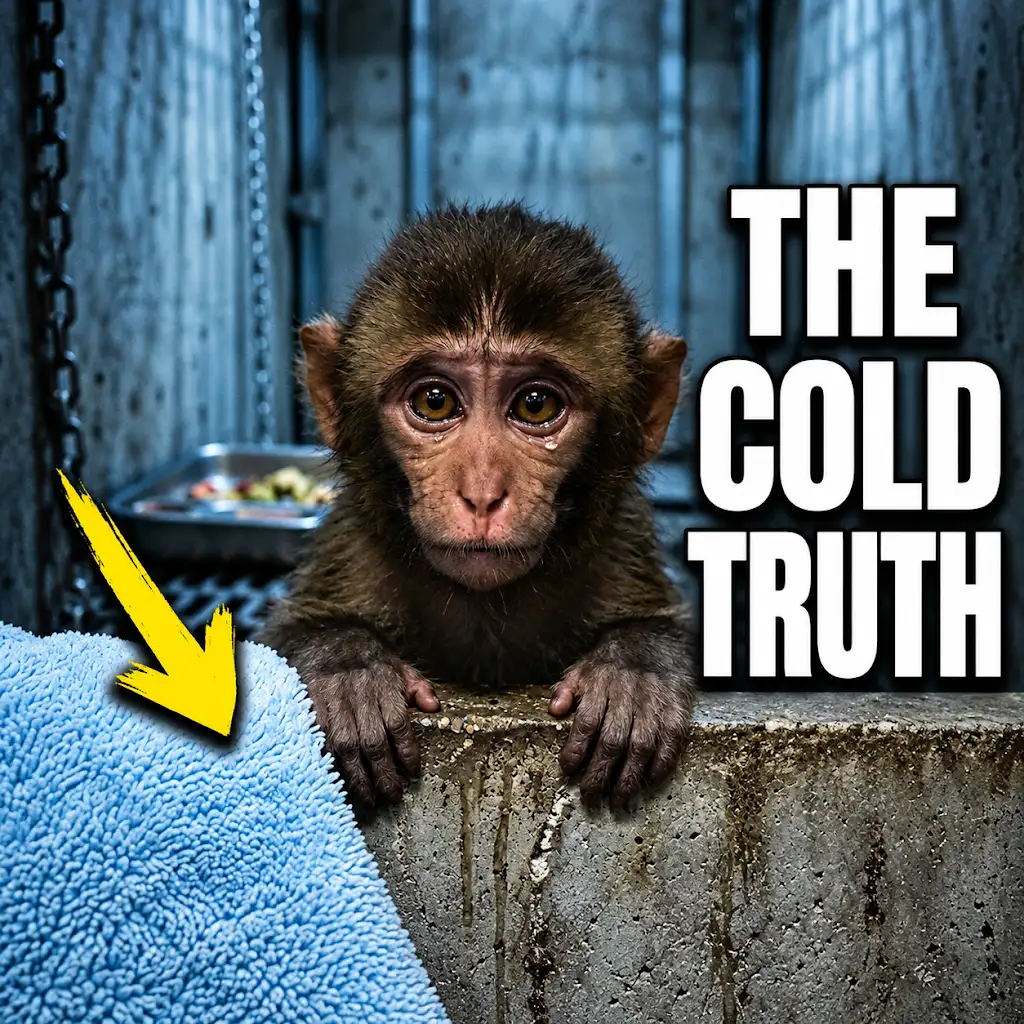
The Dark Reality of the Monkey Comfort Experiment
FAQs
What is the science behind love and attachment?
The science of love and attachment involves studying the chemical, psychological, and biological processes that occur in the brain when individuals form emotional bonds with others. Researchers use various methods such as brain imaging, hormone analysis, and behavioral studies to understand these complex phenomena.
How do hormones like oxytocin and dopamine play a role in love and attachment?
Oxytocin, often referred to as the “love hormone,” is associated with bonding, trust, and social attachment. Dopamine, on the other hand, is linked to pleasure and reward. These hormones are released in the brain during moments of intimacy and connection, reinforcing the feelings of love and attachment between individuals.
Can early childhood experiences impact an individual’s ability to form healthy attachments later in life?
Yes, early childhood experiences, particularly interactions with caregivers, can significantly influence an individual’s attachment style and relationships in adulthood. Secure attachments formed in childhood can lead to healthier relationships later in life, while insecure attachments may result in difficulties forming and maintaining close bonds.
What role does attachment theory play in understanding relationships?
Attachment theory, developed by psychologist John Bowlby, suggests that the quality of early attachments shapes an individual’s expectations and behaviors in relationships throughout their life. Understanding one’s attachment style can provide insight into how they approach intimacy, communication, and conflict resolution in relationships.
How can the science of love and attachment benefit individuals and couples?
Studying the science of love and attachment can help individuals and couples gain a deeper understanding of their emotional connections, improve communication, and strengthen their relationships. By learning about the biological and psychological mechanisms underlying love and attachment, individuals can enhance their emotional intelligence and build healthier, more fulfilling relationships.