You stand on the precipice, a spectator to a slow, insidious shift. It’s a phenomenon you’ve likely read about, heard discussed in hushed tones, but perhaps never truly grasped the granular way it infiltrates the fabric of your society. This is the rise of authoritarianism, not a sudden cataclysm, but a creeping vine that strangles dissent and replaces reasoned discourse with unquestioning obedience. You might think yourself immune, your democracy too robust, your citizens too informed. But history offers a stark warning: control doesn’t always arrive with a bang; it often slips in through the back door, disguised as order, security, or even progress. This is how it takes hold, and understanding its mechanisms is your first line of defense.
The first, almost imperceptible tremor in the bedrock of a healthy society is the erosion of trust. Authoritarianism thrives in a vacuum of skepticism, where faith in institutions, experts, and even fellow citizens begins to wither. You might feel it yourself – a gnawing doubt about the news you consume, a suspicion of the pronouncements from those in power, a growing cynicism about the motives of those who disagree with you. This isn’t necessarily a sign of inherent weakness; it’s a fertile ground for control to take root.
The Weaponization of Disinformation
You are bombarded with information, a constant deluge from every direction. This torrent, however, is increasingly polluted. Disinformation isn’t just misinformation; it’s deliberate falsehood, crafted to mislead and manipulate. You see it in social media feeds, in partisan news outlets, and even in official statements. The goal is to blur the lines between truth and fiction, to create a chaotic information landscape where it becomes easier to accept simple, albeit false, narratives.
Echo Chambers and Filter Bubbles
You curate your own reality, consciously or not. Algorithms, designed to keep you engaged, feed you more of what you already like, creating what are known as echo chambers and filter bubbles. Within these digital spaces, your existing beliefs are constantly reinforced, and dissenting viewpoints are systematically excluded. You hear your own opinions reflected back at you, making them seem more universally accepted than they are. This isolation makes you more susceptible to propaganda, as you are less likely to encounter credible challenges to the narratives being presented.
The “Fake News” Tactic
When facts become inconvenient, the authoritarian playbook often includes discrediting the very concept of truth. You hear the phrase “fake news” weaponized against legitimate reporting that challenges the established narrative. This tactic aims to sow doubt about all sources of information, leaving you adrift and more likely to rely on the pronouncements of a single, “trusted” authority – the one offering the simple, albeit fabricated, answers.
Undermining Expertise and Institutions
You’ve been taught to respect expertise – the years of study, the peer-reviewed research, the collective wisdom of established bodies. But as trust erodes, so too does respect for these pillars of knowledge. You witness the dismissal of scientific consensus on critical issues, the denigration of academics as out-of-touch elites, and the questioning of the integrity of institutions like the judiciary or electoral commissions.
The Cult of the Strongman Leader
In the face of perceived chaos and uncertainty, you may find yourself drawn to the promise of a decisive, all-knowing leader. This “strongman” figure often positions themselves as the sole individual capable of cutting through the noise and providing clear, unassailable direction. Their pronouncements, devoid of nuance or evidence, become the new truth, replacing the complex deliberations of democratic processes.
The Attack on Independent Media
Independent media is the watchdog of a free society, tasked with holding power accountable. When you see authoritarian tendencies emerge, you’ll notice a direct assault on these outlets. Journalists are branded as enemies of the people, their reporting is dismissed as biased, and laws are introduced to stifle their ability to operate freely. This silences critical voices and leaves you with a sanitized version of reality.
In exploring the dynamics of how authoritarianism takes hold, it is insightful to consider the article available at Unplugged Psych, which delves into the psychological mechanisms that underpin the rise of authoritarian regimes. The article discusses how fear, propaganda, and social conformity can manipulate public perception and behavior, creating an environment where authoritarian leaders can thrive. By understanding these psychological factors, we can better comprehend the conditions that allow authoritarianism to flourish in various societies.
The Gradual Erosion of Rights and Freedoms
Control doesn’t always manifest as overt oppression from day one. It’s a slow unwrapping of your fundamental rights, each concession presented as necessary for a greater good. You might not even notice the gradual tightening of the reins until the cage has already begun to form around you.
The “Security State” Justification
The most common justification for curtailing freedoms is the promise of enhanced security. In the face of perceived threats – be they terrorism, crime, or societal instability – you are told that certain liberties must be temporarily suspended for your own protection. The danger is that these suspensions often become permanent, and the definition of “threat” expands to encompass any form of dissent.
Mass Surveillance and Data Collection
You consent to the collection of your data in countless ways, often without fully understanding the implications. From your online browsing habits to your physical movements, vast amounts of information are being gathered. While often framed as a tool for preventing crime or terrorism, this data can be used to monitor, profile, and ultimately control populations. You might feel a chill when you realize how much of your life is an open book to unseen entities.
Restrictions on Movement and Assembly
The freedom to gather, to protest, to move freely is a cornerstone of a democratic society. As control tightens, you’ll see these freedoms gradually curtailed. Permits for protests become harder to obtain, curfews are imposed, and checkpoints become more common. The message is subtle but clear: your presence and your movement are to be monitored and managed.
The Silencing of Dissent and Opposition
A healthy democracy thrives on the robust exchange of ideas, even those that are unpopular or challenging. Authoritarianism, however, views dissent as a threat to its absolute authority. The methods of silencing opposition are varied and insidious.
The Criminalization of Protest
What was once a fundamental right to express grievances can become a criminal offense. Laws are enacted that broadly define unlawful assembly or incitement, making even peaceful protest a risky endeavor. You might see activists arrested for minor infractions, their messages drowned out by legal proceedings.
The Chilling Effect of Reprisals
Even without direct legal action, the fear of reprisal can be a powerful silencing tool. You might witness individuals losing their jobs, facing social ostracization, or enduring harassment for expressing views that go against the grain. This “chilling effect” discourages others from speaking out, creating an atmosphere of self-censorship.
The Use of Legal and Bureaucratic Obstacles
Authoritarian regimes are adept at using the very systems designed to protect you as tools of control. You may see complex bureaucratic hurdles erected to prevent organizations from operating, or politically motivated lawsuits filed to drain the resources of opposition groups. These aren’t always overt acts of oppression, but they effectively stifle independent action.
The Manipulation of Law and Institutions

The rule of law is meant to be a shield for the populace, a guarantee that everyone is subject to the same impartial standards. In the rise of authoritarianism, this shield is twisted into a weapon. The legal framework and the institutions that uphold it are co-opted to serve the interests of those in power.
The Politicization of the Judiciary
The judiciary is intended to be an independent arbiter, free from political influence. You’ll observe this independence being systematically eroded. Judges are appointed based on their loyalty rather than their legal acumen, and their decisions are pressured to align with the agenda of the ruling power.
Loyalty Over Merit in Judicial Appointments
You’ll notice a shift in how judges are selected. Instead of seeking individuals with a deep understanding of the law and a commitment to justice, appointments become a reward for political allegiance. This ensures that the courts are more likely to rubber-stamp the government’s actions, regardless of their legality or fairness.
The Weaponization of Legal Precedents
Established legal precedents, which provide consistency and predictability, can be selectively reinterpreted or outright ignored when they conflict with the desired outcome. You might see legal arguments that twist existing laws to justify new forms of control or punishment, creating a sense of legal uncertainty and further undermining public faith in the justice system.
The Subversion of Democratic Processes
Even in the presence of elections, authoritarian regimes can subvert the democratic process to maintain their grip on power. The illusion of choice is maintained, while the substance of fair representation is hollowed out.
Electoral Manipulation and Fraud
You may witness subtle or overt manipulation of electoral processes. This can range from gerrymandering districts to disenfranchise certain populations, to outright vote suppression tactics, to outright falsification of results. The goal is to ensure a predictable outcome, even if it doesn’t reflect the will of the people.
The Concentration of Power in the Executive
You’ll see a deliberate effort to concentrate power within the executive branch, often at the expense of the legislative and judicial branches. Emergency powers are invoked, parliamentary oversight is weakened, and decision-making becomes increasingly centralized, bypassing the checks and balances that are essential for a functioning democracy.
The Creation of “Official” Narratives
To further solidify their control, authoritarian regimes actively shape public discourse by creating and promoting an “official” narrative. This narrative often glorifies the leader, demonizes opponents, and rewrites history to suit the present agenda. You are expected to accept this narrative without question, and any deviation is met with suspicion or outright condemnation.
The Erosion of Social Cohesion: Divide and Conquer
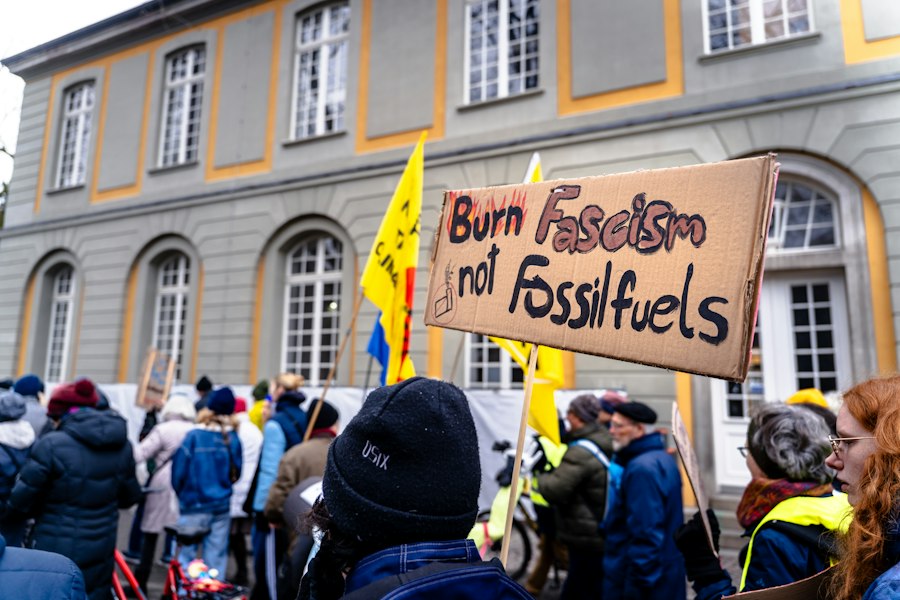
Authoritarianism thrives on division. By pitting different groups against each other, those in power can weaken collective resistance and prevent the formation of a unified opposition. This “divide and conquer” strategy is a hallmark of their ascent.
The Amplification of Identity Politics
While identity politics can be a legitimate tool for marginalized groups to assert their rights, authoritarian regimes can exploit it for their own ends. They may exacerbate existing tensions between ethnic, religious, or social groups, framing them as inherently incompatible and using these divisions to solidify their own support base.
The “Us vs. Them” Mentality
You’ll witness the constant reinforcement of an “us vs. them” mentality. The ruling group is portrayed as the rightful inheritors of the nation, while any dissenting or minority group is painted as an existential threat. This creates an atmosphere of fear and suspicion, making it difficult for empathy and understanding to flourish.
The Scapegoating of Minorities
When things go wrong, or when the ruling regime needs to deflect blame, it’s common to see minorities or marginalized groups become scapegoats. You’ll hear them blamed for economic problems, social unrest, or even national decline, diverting attention from the regime’s own failings and fostering resentment.
The Suppression of Civil Society and Independent Organizations
Independent organizations, from charities to community groups, are vital for a healthy civil society. They provide alternative spaces for discourse, support, and action. Authoritarian regimes see these organizations as a threat to their monopoly on power and actively work to dismantle them.
The Restriction of Funding and Operations
You’ll see measures taken to restrict the funding and operational capacity of civil society organizations. This can involve complex regulations, prohibitive taxes, or outright bans on foreign funding, all designed to weaken their ability to function and influence public opinion.
The Harassment and Criminalization of Activists
Individuals who lead or participate in civil society organizations are often targeted. You might see them subjected to harassment, smear campaigns, arbitrary arrests, or politically motivated prosecutions, aimed at intimidating them and discouraging others from joining their ranks.
The Co-option of Social Movements
In some instances, authoritarian regimes will attempt to co-opt existing social movements, bringing them under state control and neutralizing their independent power. This can involve creating parallel organizations that mimic the original or forcing existing groups to align with the regime’s agenda, effectively neutering their impact.
In exploring the dynamics of how authoritarianism takes hold, it is essential to consider the psychological factors that contribute to its rise. A related article discusses the impact of fear and social conformity on public opinion, highlighting how these elements can create an environment conducive to authoritarian rule. Understanding these psychological underpinnings can provide valuable insights into the mechanisms that allow such regimes to flourish. For more information on this topic, you can read the article here.
The Psychology of Control: Appealing to Fear and Desire
| Stage | Description | Key Metrics/Indicators | Examples |
|---|---|---|---|
| 1. Political Polarization | Society becomes deeply divided along ideological, ethnic, or social lines. |
|
Pre-1930s Germany, Venezuela (2000s) |
| 2. Erosion of Democratic Norms | Undermining of institutions like judiciary, free press, and electoral integrity. |
|
Hungary (2010s), Turkey (2010s) |
| 3. Concentration of Power | Power becomes centralized in the hands of a single leader or party. |
|
Russia (2000s-present), Zimbabwe (2000s) |
| 4. Suppression of Opposition | Opposition parties, activists, and dissenters are harassed or eliminated. |
|
North Korea, Belarus (2020s) |
| 5. Propaganda and Control of Information | State controls media narratives and spreads propaganda to maintain power. |
|
China, Iran |
| 6. Militarization and Use of Force | Use of security forces to intimidate or violently suppress dissent. |
|
Myanmar (2021), Egypt (2013) |
Beyond the legal and institutional mechanisms, authoritarianism also taps into fundamental human psychology. It plays on your fears, your desires, and your innate need for order and belonging, making its appeal potent and persuasive.
The Promise of Stability and Order
In times of perceived chaos or uncertainty, you may find yourself yearning for a return to order. Authoritarianism capitalizes on this desire, promising to restore stability, eliminate crime, and bring a sense of predictability back into your life. This promise, however, often comes at the cost of your freedoms.
The Narrative of Perpetual Crisis
To maintain the perception of instability and thus justify their authoritarian measures, regimes will often cultivate a narrative of perpetual crisis. You are constantly told that the nation is under threat, that danger is imminent, and that only the strong leadership of the current regime can protect you.
The Appeal to Nationalism and Patriotism
Authoritarian leaders are masters of nationalist rhetoric. They invoke a sense of shared destiny, of national pride, and of a glorious past that must be reclaimed. You may find yourself swept up in this fervor, eager to defend the nation against perceived enemies, both internal and external.
The Simplification of Complex Issues
You are bombarded with complex problems that have no easy answers. Authoritarianism offers a seductive alternative: simple solutions, delivered by a decisive leader. You are presented with clear villains and clear heroes, making it easy to understand and to align yourself with the “correct” side.
The Demonization of Outsiders and Critics
As mentioned, the “othering” of groups is a key tactic. This extends to any individual or entity that challenges the regime’s narrative. They are not merely in disagreement; they are traitors, enemies, or agents of foreign powers, making it easier to dismiss their arguments and justify their suppression.
The Cult of Personality
At the heart of many authoritarian regimes is the cult of personality surrounding the leader. You are encouraged to see them not just as a politician, but as a savior, a father figure, or a divinely appointed individual. Their image is ubiquitous, their pronouncements are treated as gospel, and questioning their authority becomes akin to questioning the very fabric of the nation.
The Fear of the Unknown and the Desire for Certainty
You are naturally inclined to seek certainty and avoid the discomfort of the unknown. Authoritarianism offers a comforting illusion of certainty. It provides clear directives, pronounces absolute truths, and eliminates the ambiguity that can be inherent in democratic societies. This psychological comfort can be incredibly persuasive, especially when coupled with appeals to fear.
The Reinforcement of Traditional Values
In times of rapid social change, you may feel a sense of disorientation. Authoritarian regimes often tap into this by promising a return to traditional values, to a simpler, more ordered past. This can resonate deeply with those who feel left behind by progress, offering a sense of stability and belonging.
The Illusion of Collective Will
Authoritarian leaders often claim to represent the “will of the people,” even when their actions are not supported by the majority. Through carefully curated propaganda and the suppression of dissenting voices, they create the illusion of a unified populace marching in lockstep behind their agenda. You may feel compelled to go along, not wanting to be the lone voice against the perceived collective will.
You are now armed with a clearer understanding of how control takes hold. It is a gradual process, a series of incremental steps that, if left unchecked, can transform a vibrant democracy into a state of authoritarianism. Your awareness, your critical thinking, and your willingness to engage with uncomfortable truths are your most potent defenses. Remember, the rise of authoritarianism is not an inevitable force of nature; it is a human construct, and therefore, it can be resisted. The future of your society depends on your vigilance.

They Started With Rules. Then Students Began Policing Each Other
FAQs
What is authoritarianism?
Authoritarianism is a form of government characterized by strong central power and limited political freedoms. It often involves a single leader or a small group of individuals who hold all the power.
How does authoritarianism take hold?
Authoritarianism can take hold through various means, such as a gradual erosion of democratic institutions, manipulation of the media, suppression of opposition, and the use of fear tactics to control the population.
What are some warning signs of authoritarianism taking hold?
Warning signs of authoritarianism taking hold include attacks on the free press, erosion of the rule of law, concentration of power in the hands of a few individuals, and the demonization of marginalized groups.
What are the consequences of authoritarianism?
The consequences of authoritarianism can include a lack of political freedoms, human rights abuses, corruption, economic stagnation, and social unrest. Authoritarian regimes often prioritize maintaining power over the well-being of their citizens.
How can authoritarianism be prevented or countered?
Authoritarianism can be prevented or countered through strong democratic institutions, a free and independent media, an active civil society, respect for the rule of law, and the protection of human rights. It is important for citizens to remain vigilant and actively participate in the political process to safeguard against authoritarianism.