The Psychology of Tribal Behavior: Understanding Group Dynamics
Humans are inherently social creatures. From the earliest hunter-gatherer bands to the complex societies of today, our existence has been intrinsically linked to group affiliation. This deep-seated need to belong, to form and maintain groups, is a fundamental aspect of human psychology, often manifesting as what can be termed “tribal behavior.” Understanding the psychology behind these group dynamics is crucial for navigating our social world, from interpersonal relationships to the broader societal forces that shape our collective actions. This exploration delves into the core mechanisms that drive tribal behavior, the evolutionary roots that anchor it, and the pervasive influence it exerts on individual and collective consciousness.
The origins of tribal behavior are deeply embedded in our evolutionary history. For millennia, survival was not a solitary endeavor. Small, cohesive groups offered protection from predators, facilitated the acquisition of resources through cooperative hunting and gathering, and ensured the continuation of the species through shared child-rearing and defense. These early humans who were more adept at forming alliances and adhering to group norms were more likely to survive and reproduce, passing on the psychological predispositions that favor in-group cohesion.
Natural Selection and the Cooperative Advantage
The concept of natural selection provides a powerful lens through which to view the emergence of tribal behavior. Individuals who could effectively cooperate within a group were at a distinct advantage. This cooperation wasn’t just about shared labor; it extended to mutual defense against rival groups and the transmission of knowledge and skills. The “selfish gene” theory, while focusing on individual replication, doesn’t negate the role of group selection. Groups with higher levels of altruism and cooperation were more likely to thrive and outcompete less cohesive groups. This created an evolutionary pressure favoring individuals who were predisposed to:
- Empathy and Altruism within the group: The ability to understand and respond to the needs of fellow group members fostered trust and strengthened bonds.
- Loyalty and Commitment: A strong sense of loyalty to the group ensured that individuals would invest their energy and resources in its welfare.
- Conformity and Social Norm Adherence: Following established rules and customs within the group reduced conflict and promoted predictability, essential for collective survival.
- In-group Preference and Out-group Caution: A natural inclination to favor those within one’s own group and to be wary of outsiders provided a protective mechanism against external threats.
The Role of Kin Selection
A significant aspect of evolutionary psychology contributing to tribal behavior is kin selection. The idea is that individuals are more likely to act altruistically towards those who share their genes. This principle explains why family units, the most fundamental form of group, are often characterized by intense loyalty and protection. As groups expanded beyond immediate kin, the psychological mechanisms of kin selection likely generalized to a broader sense of “kinship” based on shared identity, even if not genetically related. This “generalized reciprocity” or “fictive kinship” allows for the formation of larger, more complex tribes.
Tribal behavior is a fascinating aspect of psychology that explores how individuals form groups and the dynamics that arise within these social structures. A related article that delves deeper into this topic can be found on Unplugged Psychology, which discusses the underlying motivations and psychological mechanisms that drive tribalism in human interactions. To read more about this intriguing subject, visit the article at Unplugged Psychology.
The Cognitive Architecture of Belonging: Identity and Self-Esteem
The drive for belonging is not merely an evolutionary relic; it is a fundamental psychological need deeply intertwined with our sense of self. Our identity is not formed in a vacuum but is co-constructed through our interactions with others and our affiliations with various groups. This is where the psychological underpinnings of tribal behavior become most apparent.
Social Identity Theory: “Us” Versus “Them”
One of the most influential theories explaining tribal behavior is Henri Tajfel and John Turner’s Social Identity Theory (SIT). SIT posits that a significant part of an individual’s self-concept derives from their membership in social groups. This leads to a process of social categorization, where individuals mentally classify themselves and others into various groups. This categorization isn’t neutral; it often leads to social comparison, where individuals compare their in-group favorably to out-groups. This comparison serves to enhance self-esteem.
The In-Group Bias: Favoring Our Own
A direct consequence of social identity is the in-group bias. This is the tendency to favor one’s own group over others. This bias can manifest in subtle ways, such as attributing positive qualities to in-group members more readily or overlooking their flaws, while simultaneously being more critical of out-group members. Even in the absence of overt competition or conflict, this bias can emerge simply from the act of categorizing oneself and others into distinct groups. The strength of the in-group bias is often correlated with the importance of the group to the individual’s self-esteem.
Minimal Group Paradigm: The Power of Mere Categorization
Tajfel’s famous minimal group paradigm experiments demonstrated the power of even arbitrary group assignments. Participants were divided into groups based on trivial criteria (e.g., preference for certain artists). Despite the lack of prior interaction or any real basis for group identity, participants still exhibited a preference for their own assigned group, distributing rewards more favorably to fellow group members. This highlights how readily the human mind creates group distinctions and the subsequent favoritism that arises.
Self-Esteem Enhancement Through Group Affiliation
Belonging to a group, especially one that is perceived as successful, powerful, or unique, can significantly bolster an individual’s self-esteem. This is known as basking in reflected glory (BIRGing). When our group achieves something positive, we feel good about ourselves. Conversely, cutting off reflected failure (CORFing) is the tendency to distance ourselves from a group that has experienced a negative outcome, to protect our self-esteem. This dynamic underscores how our personal sense of worth can become inextricably linked to the fortunes of our chosen tribe.
The Dynamics of Cohesion: Lubricants and Friction
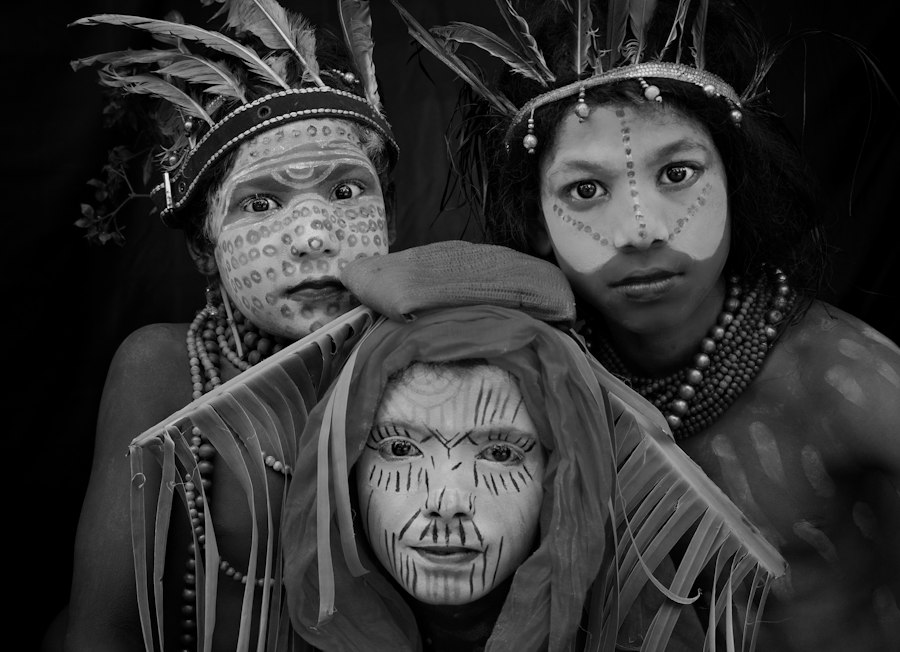
What makes a group stick together? What are the forces that bind individuals into a cohesive unit, and what are the factors that can pull them apart? The study of group cohesion reveals a complex interplay of psychological and social mechanisms.
Shared Goals and Common Purpose
One of the most powerful drivers of group cohesion is the presence of shared goals and a common purpose. When individuals are united by a compelling objective, their individual needs often take a backseat to the collective effort required to achieve that objective. This shared endeavor fosters a sense of interdependence and mutual reliance, strengthening the bonds between members. Whether it’s building a shelter, achieving a business target, or winning a competition, a clear and meaningful shared goal can be a potent unifying force.
Interdependence and Mutual Reliance
The concept of interdependence is central to group cohesion. When the success of one individual is directly linked to the success of others, and vice-versa, it creates a powerful incentive for cooperation and support. This mutual reliance fosters a sense of shared fate, making individuals more invested in the well-being of the group as a whole. This is evident in the tight-knit nature of sports teams, military units, and even families facing significant challenges.
Leadership and Authority
Effective leadership plays a pivotal role in shaping group dynamics and fostering cohesion. Leaders can provide direction, set norms, mediate conflicts, and inspire loyalty. The nature of leadership can significantly influence whether a group experiences healthy cohesion or oppressive conformity.
Authoritative vs. Democratic Leadership
The style of leadership can have a profound impact. Authoritative leadership, characterized by a clear hierarchy and top-down decision-making, can be effective in situations requiring swift action and strict adherence to protocols. However, it can also stifle creativity and lead to resentment if not balanced with an understanding of group members’ needs. Democratic leadership, on the other hand, involves group participation in decision-making, fostering a sense of ownership and empowerment. While it can lead to more robust solutions and higher morale, it can be slower and more challenging in certain contexts.
Charisma and Influence
Charismatic leaders, those who possess a compelling vision and the ability to inspire strong emotions in their followers, can wield immense influence. This charisma can be a powerful tool for uniting a group, but it also carries the risk of manipulation and blind obedience, particularly when combined with a lack of critical thinking within the group.
Norms, Rituals, and Social Control
Every group develops its own set of unwritten rules and expected behaviors – its social norms. These norms provide a framework for interaction, reduce uncertainty, and maintain order. Rituals, often symbolic actions or ceremonies, further reinforce group identity and belonging. They can range from everyday greetings to elaborate celebrations.
The Power of Conformity
The pressure to conform to group norms is a powerful force. Individuals often modify their behavior, beliefs, and even attitudes to align with the perceived expectations of the group. This conformity can be driven by a desire for acceptance, a fear of rejection, or a genuine belief in the validity of the group’s norms. While conformity can be essential for group functioning, excessive conformity can stifle individuality and critical thinking.
Deviance and Social Sanctions
When individuals deviate from group norms, it often elicits social sanctions. These can range from subtle disapproval and ostracism to more overt forms of punishment. The threat of sanctions serves as a powerful mechanism for maintaining conformity and reinforcing group boundaries.
The Shadow Side: Conflict, Prejudice, and Polarization

While tribal behavior can foster unity and cooperation, it also harbors a darker side, often manifesting as intergroup conflict, prejudice, and societal polarization. The very mechanisms that create strong in-group bonds can simultaneously create animosity towards out-groups.
The Scapegoat Mechanism: Blaming the Other
When faced with internal problems, anxieties, or failures, groups may resort to the scapegoat mechanism. This involves identifying an external group as the source of blame for these difficulties. By projecting their negative feelings onto an out-group, the in-group can experience a temporary sense of relief and renewed unity. This phenomenon has historically been a driver of persecution and violence against minority groups.
Prejudice and Stereotyping: Cognitive Shortcuts
Prejudice – pre-judging individuals based on their group affiliation – and stereotyping – oversimplified generalizations about groups – are cognitive shortcuts that facilitate the “us” versus “them” mentality. These processes allow individuals to quickly categorize and make assumptions about others, reducing the cognitive load of complex social interactions. However, they are often inaccurate, perpetuate harmful biases, and contribute to discrimination.
Intergroup Conflict: Competition for Resources and Status
Conflict between groups can arise from a variety of factors, including competition for scarce resources (e.g., land, wealth, power) or a perceived threat to the group’s status or identity. Real or perceived threats can escalate tensions and lead to open hostilities. The realistic group conflict theory suggests that conflict arises from competition for resources, while SIT emphasizes the role of social comparison and status threats.
Dehumanization of the Out-Group
A particularly dangerous aspect of intergroup conflict is the dehumanization of the out-group. When members of an out-group are perceived as less than human, it becomes easier to justify aggression, violence, and even atrocities against them. This process often involves stripping the out-group of their individual characteristics and reducing them to negative stereotypes.
Polarization and Echo Chambers: The Digital Age Amplification
In the contemporary digital age, tribal behavior is often amplified by the formation of online echo chambers and filter bubbles. Social media algorithms tend to show users content that aligns with their existing beliefs, creating self-reinforcing cycles of information. This leads to polarization, where opposing groups become increasingly entrenched in their views, with little willingness to engage with or understand alternative perspectives. This digital tribalism can have significant implications for political discourse, social cohesion, and the spread of misinformation.
Understanding the psychology behind tribal behavior can provide valuable insights into human interactions and social dynamics. For a deeper exploration of this topic, you might find it interesting to read an article that discusses the influence of group identity on individual behavior. This article delves into how belonging to a tribe can shape our thoughts and actions, often leading to both positive and negative outcomes. To learn more about these fascinating dynamics, check out this insightful piece on tribal behavior.
Navigating the Tribal Landscape: Fostering Inclusivity and Understanding
| Metric | Description | Psychological Insight | Example |
|---|---|---|---|
| In-group Favoritism | Preference for members of one’s own group | Enhances group cohesion and identity; driven by social identity theory | Tribal members sharing resources preferentially within the tribe |
| Out-group Bias | Negative attitudes or discrimination toward outsiders | Protects group resources and status; can lead to stereotyping and conflict | Suspicion or hostility toward rival tribes |
| Conformity | Adoption of group norms and behaviors | Maintains social order and reduces uncertainty; influenced by normative social influence | Following tribal rituals and customs |
| Collective Identity | Shared sense of belonging to a group | Provides psychological security and meaning; linked to self-categorization theory | Wearing tribal symbols or tattoos |
| Social Cohesion | Strength of relationships and solidarity within the group | Facilitates cooperation and survival; reinforced by mutual trust and shared goals | Group hunting or communal ceremonies |
| Leadership and Hierarchy | Structured roles and authority within the tribe | Organizes group activities and decision-making; linked to dominance and prestige | Chief or elder guiding the tribe |
| Rituals and Symbolism | Shared practices and symbols that reinforce group identity | Enhances emotional bonds and transmits cultural values | Initiation rites or tribal dances |
Understanding the psychology of tribal behavior is not an academic exercise; it is a practical necessity for building more harmonious and equitable societies. While tribalism is an intrinsic part of human nature, its manifestation can be managed and guided towards more positive outcomes.
The Importance of Superordinate Goals
One effective strategy for mitigating intergroup conflict and fostering cooperation is the establishment of superordinate goals. These are goals that are compelling for all groups involved and can only be achieved through collaboration. The Robbers Cave experiment by Muzafer Sherif famously demonstrated how introducing such goals, like repairing a damaged water supply, could overcome initial animosity between two rival groups of boys.
Intergroup Contact and Empathy Building
According to the contact hypothesis, increased positive contact between members of different groups can reduce prejudice and improve intergroup relations. However, this contact needs to be meaningful and occur under conditions of equal status, common goals, intergroup cooperation, and institutional support. Encouraging empathy through storytelling, shared experiences, and exposure to diverse perspectives can also be crucial.
Critical Thinking and Media Literacy
Cultivating critical thinking skills and media literacy is paramount in combating the negative effects of digital tribalism. Individuals need to be equipped to evaluate information sources, identify biases, and resist the allure of echo chambers. Education that promotes skepticism, encourages the examination of multiple perspectives, and teaches individuals how to discern fact from fiction is essential.
Challenging Our Own Biases
Ultimately, navigating the tribal landscape requires a commitment to self-awareness and introspection. Recognizing our own innate tendencies towards in-group favoritism and out-group prejudice is the first step towards mitigating their impact. Actively seeking out diverse viewpoints, challenging our own assumptions, and practicing empathy are vital for fostering a more inclusive and understanding world. The human capacity for connection and cooperation, when directed towards shared humanity rather than narrow tribal allegiances, offers the most promising path forward.

How 22 Boys Were Turned Into Enemies
FAQs
What is tribal behavior in psychology?
Tribal behavior in psychology refers to the tendency of individuals to form strong social bonds with a group of people who share common beliefs, values, and interests. This behavior is rooted in our evolutionary past when humans relied on group cooperation for survival.
What are the factors that influence tribal behavior?
Several factors can influence tribal behavior, including a sense of belonging, shared identity, social norms, and the need for security and protection. Additionally, factors such as cultural upbringing, socialization, and experiences can also play a role in shaping tribal behavior.
How does tribal behavior impact society?
Tribal behavior can have both positive and negative impacts on society. On one hand, it can foster a sense of community, cooperation, and support among group members. On the other hand, it can lead to conflicts, discrimination, and exclusion of individuals who do not belong to the tribe.
Can tribal behavior be changed or modified?
While tribal behavior is deeply ingrained in human nature, it is possible to change or modify it through education, exposure to diverse perspectives, and promoting empathy and understanding towards others. By fostering inclusivity and tolerance, individuals can learn to appreciate diversity and overcome tribal biases.
What are some real-life examples of tribal behavior?
Real-life examples of tribal behavior can be seen in various contexts, such as sports fandom, political affiliations, religious groups, and social cliques. People often exhibit strong loyalty and allegiance to their tribe, sometimes leading to conflicts with individuals from other tribes.