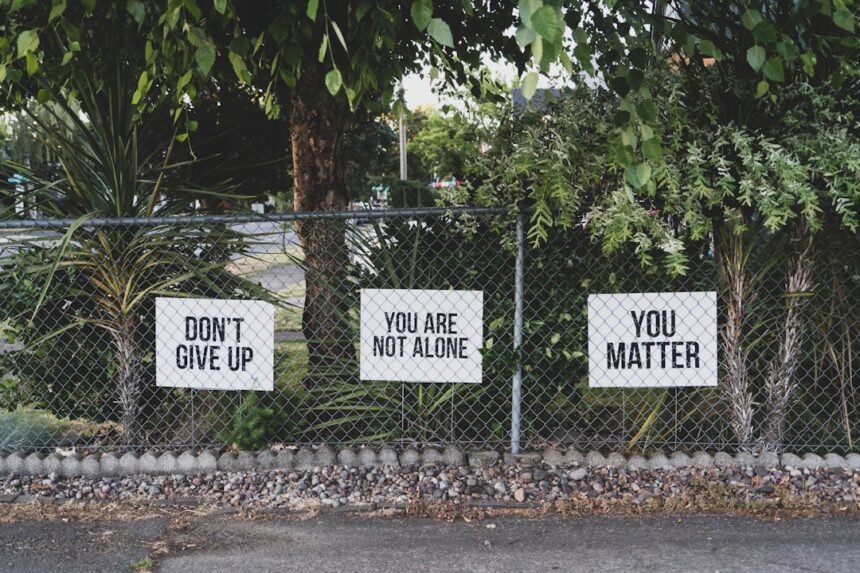
You know the drill. It’s late. The house is quiet. Everyone else is asleep, or at least supposed to be. Your eyelids feel heavy, but then you reach for your phone. Just a quick check, you tell yourself. And before you know it, hours have evaporated, replaced by the hypnotic glow of your screen and a never-ending cascade of content. Welcome to the rabbit hole, my friend. You’re not alone in this nocturnal ritual; it’s a common modern malady, and its roots delve deep into the fascinating terrain of your own psychology.
Your brain is a finely tuned machine, constantly seeking stimulation and rewards. The late-night scrolling experience taps directly into this fundamental drive for novelty. Think of it as your internal dopamine dispenser, activated with every swipe.
The Dopamine Loop: A Tiny Hit, Again and Again
The Reward Pathway: You’ve likely heard of dopamine, the neurotransmitter associated with pleasure and reward. When you encounter new or interesting content on your phone – a funny meme, a surprising news headline, a visually appealing photo – your brain releases a small surge of dopamine. This feels good, naturally.
Variable Reinforcement: The key to the addictive nature of scrolling lies in variable reinforcement. You don’t know what you’ll find next. Will it be something hilarious? Something shocking? Something inspiring? This unpredictability is incredibly powerful. It’s the same principle that makes slot machines so addictive. You pull the lever hoping for a jackpot, and even though you rarely win, the potential for reward keeps you going. Your late-night scroll is a digital slot machine for your mind.
The Fear of Missing Out (FOMO) Amplified
The Constant Update: Social media platforms, news feeds, and streaming services are designed to be ever-changing. There’s always something new happening, a new story breaking, a new trend emerging. This creates a persistent, even if subconscious, fear that if you stop scrolling, you’ll miss something crucial.
The Illusion of Connection: You might feel you’re staying connected to friends, family, or the wider world by constantly checking updates. This can be a powerful motivator, especially when you’re feeling a bit lonely or disconnected in the quiet of the night. The digital world offers a constant hum of activity, a phantom presence that can feel comforting.
Late night scrolling has become a common habit for many, often leading to disrupted sleep patterns and increased anxiety. A related article that delves deeper into the psychology behind this phenomenon can be found at Unplugged Psychology. This resource explores the impact of screen time on mental health and offers insights into how late-night digital habits can affect our overall well-being.
The Comfort of the Familiar: Escaping the Day’s Demands
While novelty is a major draw, late-night scrolling also offers a peculiar form of comfort, a way for your brain to decompress and escape the pressures of the day.
A Mental Vacation from Responsibility
The Low-Effort Escape: The demands of daily life – work, relationships, chores, worries – can be mentally taxing. Scrolling requires very little cognitive effort. You can passively consume information without needing to engage in complex problem-solving or make difficult decisions. It’s a mental vacation, albeit a potentially unproductive one.
The Illusion of Control: In a world that often feels chaotic and unpredictable, the digital realm can offer a semblance of control. You can curate your feed, choose what to engage with, and at least for a while, shut out the external world and its pressures.
The Pre-Sleep Zone: A Muted Distraction
Avoiding the Void: When the day ends, your mind might be left with a quiet space to process thoughts and anxieties. For some, this silence can be unsettling, a breeding ground for rumination. Scrolling provides a welcome distraction, filling the void with external stimuli.
The Comfort of Routine: For many, late-night scrolling has become a deeply ingrained habit, a ritual that signals the end of the day. Even if you’re not actively enjoying it, the familiarity of the action can be comforting, providing a sense of structure and predictability.
The Cognitive Toll: How Scrolling Impacts Your Brain Function

What might feel like a harmless pastime can actually have a significant impact on your cognitive abilities, especially when indulged in late into the night.
The Shattering of Concentration and Focus
Attention Fragmentation: The constant switching between different pieces of content – a video, an article, a social media post – trains your brain to flit from one thing to the next. This can lead to a fragmentation of your attention, making it harder to concentrate on single tasks for extended periods when you’re not scrolling.
Reduced Deep Thinking: Deep thinking, the kind required for complex problem-solving, creative endeavors, and meaningful learning, requires sustained attention and focus. Late-night scrolling, by its very nature, undermines these abilities. You’re skimming, not delving.
The Erosion of Sleep Quality
Blue Light and Melatonin Suppression: Electronic screens emit blue light, which mimics natural daylight. When you’re exposed to this light close to bedtime, it signals to your brain that it’s still daytime, suppressing the production of melatonin, the hormone that regulates sleep. This can make it harder to fall asleep and can disrupt the natural sleep cycles.
Mental Arousal: Even if the content you’re consuming isn’t overtly stimulating, the act of scrolling itself can keep your mind active and engaged. This mental arousal makes it difficult for your brain to wind down and transition into a restful sleep state. You might feel physically tired, but your brain is still buzzing.
The Emotional Landscape: More Than Just Passing Time

The feelings you experience while, and after, scrolling are as varied as the content itself. It’s a complex emotional cocktail that can leave you feeling surprisingly drained.
The Rollercoaster of Social Comparison
The Curated Lives: Social media feeds are often filled with highlight reels of other people’s lives – perfect vacations, successful careers, happy relationships. This can easily lead to unhealthy social comparison, where you measure your own life against these often-unrealistic portrayals.
The Seeds of Envy and Inadequacy: Seeing others’ seemingly perfect lives can breed feelings of envy, inadequacy, and self-doubt. You might start to question your own choices, achievements, and overall happiness, leading to a low mood and increased dissatisfaction. This is particularly potent when you’re in a vulnerable, unvarnished state late at night.
The Echo Chamber of Anxiety and Information Overload
The Doomscroll: When you’re feeling anxious or unsettled, it’s tempting to seek out information that validates those feelings, or to simply numb yourself with a constant stream of news and opinions. This can lead to a “doomscroll,” where you become fixated on negative or alarming content, amplifying your anxiety and distress.
The Never-Ending News Cycle: The constant influx of information, much of it negative or sensationalized, can create a sense of overwhelm. Your brain struggles to process and contextualize everything, leading to a feeling of chronic anxiety and a sense that the world is a dangerous and chaotic place.
Late night scrolling has become a common habit for many, often leading to disrupted sleep patterns and increased anxiety. Understanding the psychology behind this behavior can shed light on why we find ourselves endlessly swiping through our devices. For those interested in exploring this topic further, a related article discusses the impact of screen time on mental health and offers insights into healthier habits. You can read more about it in this informative piece on Unplugged Psychology.
Breaking the Cycle: Reclaiming Your Evenings and Your Sleep
| Psychological Aspect | Impact |
|---|---|
| Increased Anxiety | Excessive late-night scrolling can lead to heightened anxiety levels due to exposure to negative news and social comparison. |
| Disrupted Sleep Patterns | Engaging in late-night scrolling can disrupt the body’s natural sleep-wake cycle, leading to difficulty falling asleep and poor sleep quality. |
| Decreased Productivity | Spending excessive time on late-night scrolling can result in decreased productivity the following day due to fatigue and lack of restful sleep. |
| Impact on Mental Health | Constant exposure to social media and online content during late-night scrolling can have negative effects on mental health, including feelings of inadequacy and loneliness. |
Recognizing the psychological underpinnings of your late-night scrolling habit is the first step. The next, and arguably more challenging, is taking action to break free.
Establishing Digital Boundaries
The “No-Phone Zone”: Designate specific times and areas where your phone is off-limits. This could be the hour before bed, or even the entire bedroom. This creates a clear physical and temporal separation from the digital world.
The Phone-Free Bedroom: This is a crucial one for sleep hygiene. Charge your phone outside your bedroom. If you need an alarm clock, invest in a simple, old-fashioned one. This removes the temptation and the blue light exposure.
Cultivating Mindful Evening Habits
The Power of Disconnection: Instead of reaching for your phone, engage in activities that promote relaxation and mindfulness. This could include reading a physical book, listening to calming music, meditating, taking a warm bath, or journaling.
Setting Intentions: Before you even start your evening routine, set an intention for how you want to spend your time. If your goal is to unwind and prepare for sleep, actively choose activities that align with that intention, rather than letting your phone dictate your evening.
Reconnecting with the Physical World
Engaging Your Senses: Late-night scrolling keeps you tethered to a two-dimensional screen. Reconnect with your physical environment by engaging your senses. Look out the window, listen to the sounds of the night, feel the comfort of your bed, perhaps even enjoy a cup of herbal tea. These simple acts anchor you in the present moment.
Mindful Alternatives: Consider activities that require a bit more engagement but are still relaxing. This could be gentle stretching, a crossword puzzle, or even a short, mindful walk if the weather permits. The goal is to shift your focus from passive consumption to active, gentle engagement.
The late-night scroll is a complex dance between your brain’s innate desires and the allure of modern technology. It whispers promises of connection and endless entertainment, but often leaves you feeling drained and disconnected. By understanding the psychology at play, you can begin to reclaim your precious evening hours and, most importantly, your restorative sleep. It’s time to stop scrolling your life away and start living it, one mindful moment at a time.

Why You Stay Up Late Even When You’re Exhausted
FAQs
What is late night scrolling?
Late night scrolling refers to the habit of using electronic devices, such as smartphones or tablets, to browse social media, watch videos, or engage in other online activities late into the night, often right before going to bed.
What are the psychological effects of late night scrolling?
Late night scrolling can have negative psychological effects, such as disrupting sleep patterns, increasing feelings of anxiety and depression, and impacting overall mental well-being. The exposure to stimulating content and blue light from screens can also interfere with the body’s natural sleep-wake cycle.
How does late night scrolling affect sleep quality?
Late night scrolling can lead to poor sleep quality due to the exposure to stimulating content and blue light, which can interfere with the production of melatonin, the hormone that regulates sleep. This can result in difficulty falling asleep, staying asleep, and achieving restful sleep.
What are some strategies to reduce late night scrolling?
Some strategies to reduce late night scrolling include setting a specific time to stop using electronic devices before bed, using apps or features that limit screen time, creating a relaxing bedtime routine, and keeping electronic devices out of the bedroom.
Are there any long-term consequences of habitual late night scrolling?
Habitual late night scrolling can lead to long-term consequences such as chronic sleep deprivation, increased risk of developing mental health issues, and potential negative impacts on cognitive function and overall well-being. It can also contribute to the development of technology addiction.