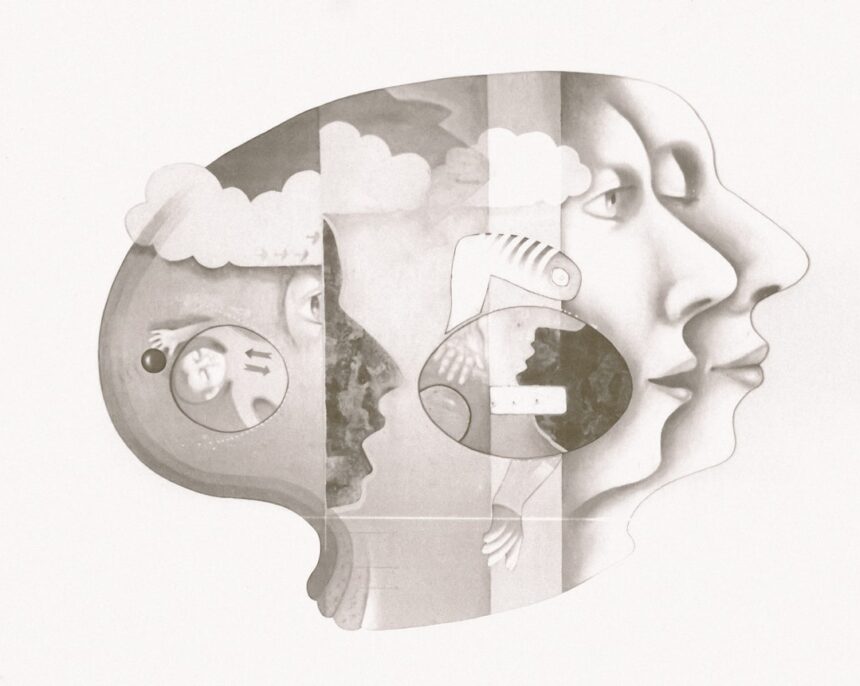
You’ve always been the responsible one, haven’t you? The one who picked up the slack, the one who anticipated needs, the one who felt the weight of the world on your young shoulders. Growing up too fast isn’t a conscious choice; it’s often a silent adaptation, a survival mechanism born from circumstances. You navigate the complexities of adulthood before you’ve even had a chance to fully explore childhood, and the psychological impact of this accelerated journey is profound, shaping your identity, your relationships, and your very perception of yourself.
You probably don’t have a wealth of carefree memories. Your childhood wasn’t defined by scraped knees, spontaneous adventures, or endless hours lost in imaginative play. Instead, it was a blur of responsibilities, of seeing and experiencing things that children aren’t meant to. You might have been a caregiver, a translator, a confidante to your parents, or simply a silent observer of adult problems. This premature immersion in the adult world meant that certain crucial developmental stages were either bypassed or significantly compressed.
The Unseen Burden of Adult Responsibilities
Think back. Were you often asked to “act like a grown-up”? Did you find yourself making decisions that were far beyond your years? You might have been responsible for younger siblings, managing household chores that were too much for your age, or even helping to alleviate financial stress. This constant exposure to adult pressures robbed you of the time and space needed for pure, unadulterated childhood. You learned to suppress your own needs and desires to meet the demands placed upon you, a habit that can be incredibly difficult to unlearn.
The Cost of Being the “Little Adult”
You were the dependable one. You were the one who didn’t cause trouble. This label, while perhaps earning you praise, also meant that your own needs for comfort, validation, and even a good cry were often ignored. You learned to be stoic, to present a brave face even when you were falling apart inside. This internalizing of emotions, while seemingly a sign of strength, can lead to significant emotional repression later in life.
The Stolen Innocence: Witnessing Too Much Too Soon
Childhood is a protected period where innocence is meant to flourish. You, however, likely had your innocence shattered prematurely. You may have witnessed family arguments, experienced loss, or been exposed to adult conversations and situations that left you confused, scared, or burdened. This early confrontation with the harsh realities of life can warp your understanding of the world, leading to a cynicism or a heightened sense of vulnerability that persists into adulthood.
The Lingering Ghosts of Unprocessed Trauma
Even if you didn’t experience overt trauma, the constant exposure to adult stressors and emotional turmoil can leave its mark. You might find yourself replaying certain events in your mind, struggling to make sense of them. These unprocessed experiences can manifest as anxiety, nightmares, or a general sense of unease, a constant reminder of the childhood you never truly had.
The psychology of growing up too fast is a complex issue that many young people face in today’s fast-paced world. An insightful article that delves into this topic is available at Unplugged Psych, which explores the pressures and expectations that contribute to this phenomenon. You can read more about it in their article here: Unplugged Psych. This resource provides valuable insights into the emotional and psychological impacts of accelerated maturation and offers strategies for fostering a healthier developmental pace.
The Scars of Self-Reliance: When Independence Becomes Isolation
You learned to rely on yourself. This is a powerful skill, but when it’s learned out of necessity, it can morph into a crippling inability to ask for help. You became accustomed to solving your own problems, to carrying your own burdens, and this can make it incredibly challenging to connect with others on a deeper, more vulnerable level.
The Double-Edged Sword of Self-Sufficiency
On the one hand, you are incredibly capable. You can handle anything thrown your way. You’re organized, efficient, and often the go-to person for solutions. However, this same self-sufficiency can create an invisible barrier between you and others. You may struggle to delegate, to admit weakness, or to simply allow someone else to take care of you. This can lead to feelings of isolation, even when you are surrounded by people.
The Fear of Vulnerability: Building Walls to Protect a Tender Core
You learned early on that showing vulnerability could be a weakness, a way to be hurt. This led you to build strong emotional walls, protecting your inner self from potential harm. While these walls may have served you well in the past, they can now prevent genuine intimacy and connection. You might find yourself pushing people away, even when you crave closeness, because the risk of opening up feels too great.
The Difficulty of Trust: When Your Early Experiences Taught You Otherwise
Your formative years may have taught you that people aren’t always reliable, that promises can be broken, and that your needs might not be prioritized. This can make it incredibly difficult for you to trust others fully. You may constantly scan for red flags, second-guess intentions, and find yourself withdrawing when you feel even the slightest hint of unreliability. Building healthy, trusting relationships becomes an ongoing challenge.
The Ghost of Abandonment: A Constant Undercurrent of Fear
If your circumstances involved inconsistent support or a sense of being left to fend for yourself, you might carry a lingering fear of abandonment. This fear can influence your relationships, making you hyper-vigilant and prone to interpreting minor slights as evidence that you will eventually be left alone. You might sabotage relationships before they have a chance to get too close, a self-fulfilling prophecy born from deep-seated insecurity.
The Mismatch of Expectations: Navigating a World You’re Not Quite Ready For

You’ve always felt a step ahead, but also a step behind. You have the maturity and understanding of an adult, but you lack the life experience, the social development, and sometimes, the emotional resilience of someone who has had a typical upbringing. This creates a constant sense of being out of sync with your peers and the world around you.
The Loneliness of Being Different: Standing Apart from Your Age Group
You probably never quite fit in with your peers. Their concerns, their conversations, their priorities likely felt foreign to you. You were too mature for childish games, but too young for adult discussions. This can lead to a profound sense of loneliness and alienation, a feeling of being an outsider looking in. You may have struggled to form deep friendships, as you felt a disconnect in shared experiences and developmental stages.
The Pressure to Conform: Trying to Bridge the Gap
Despite feeling different, you likely felt an internal pressure to conform. You might have tried to mimic the behaviors and interests of your age group, often with a sense of fakeness or discomfort. This constant effort to fit in can be exhausting, diverting energy away from developing your authentic self.
The Internalized Imposter Syndrome: Do You Truly Belong?
Even as you excel in adult responsibilities, a nagging voice within you whispers that you’re not good enough, that you’re faking it. This is a classic symptom of impostor syndrome, amplified by your accelerated journey. You’ve been performing adult roles without fully having the internal framework of a nurtured childhood to support those roles. You may constantly fear being “found out,” a feeling that can sabotage your confidence and prevent you from truly celebrating your achievements.
The Paradox of Competence and Insecurity: Excelling While Doubting
You can achieve remarkable things. You are competent, capable, and often exceed expectations. Yet, deep down, you might still struggle with self-doubt. This paradox is a hallmark of growing up too fast. Your external successes don’t always translate into internal confidence because the foundation of self-worth was built on a shaky, premature scaffold.
The Lingering Emotional Landscape: Unresolved Needs and Unprocessed Feelings

The emotional scars of growing up too fast run deep. You may carry a reservoir of unexpressed emotions, unmet needs, and lingering anxieties that continue to impact your present-day life. Healing involves acknowledging and addressing these buried feelings.
The Emotional Immaturity of the “Child Within”: A Disconnect in Adult Bodies
Even though you’ve navigated adult responsibilities, there’s a part of you that still craves the comfort and security of childhood. You might find yourself exhibiting childlike behaviors when stressed or overwhelmed, a regression to a time when you felt more supported. This disconnect between your adult responsibilities and your internal emotional state can be confusing and lead to self-criticism.
The Need for Nurturing: A Longing for What Was Missed
You likely have a deep-seated longing for the nurturing, validation, and unconditional love that you may not have received in your formative years. This can manifest as a constant search for external validation, a tendency to people-please, or a difficulty accepting genuine affection. You are trying to fulfill those unmet childhood needs in adulthood.
The Anxiety of the “What Ifs”: The Weight of Past Decisions
Your early exposure to adult problems may have led you to develop a heightened sense of anxiety about the future. You might find yourself constantly worrying about potential pitfalls, replaying past decisions, and feeling responsible for outcomes that were beyond your control. This “what if” mentality can be a heavy burden to carry.
The Fear of Failure: A Constant Shadow
Because you were forced to succeed at a young age, the fear of failure can be particularly potent. You may have developed a perfectionistic streak, driven by the need to prove yourself constantly. This can lead to immense pressure and a reluctance to take risks, as the thought of not measuring up can be paralyzing.
As children navigate the complexities of modern life, many find themselves facing pressures that lead them to grow up too fast, often sacrificing their childhood experiences for adult responsibilities. This phenomenon can have lasting effects on their mental health and emotional well-being. For a deeper understanding of this issue, you might find the article on the psychology of growing up too quickly insightful. It explores the various factors contributing to this trend and offers strategies for fostering a healthier approach to childhood. You can read more about it here.
The Path to Healing: Reclaiming Your Childhood and Building a Healthier Future
| Psychological Aspect | Impact |
|---|---|
| Emotional Maturity | Accelerated development may lead to emotional challenges and difficulty in handling complex emotions. |
| Identity Formation | Fast-paced growth can hinder the natural process of self-discovery and identity formation, leading to confusion and insecurity. |
| Social Relationships | Early exposure to adult experiences may result in difficulty forming age-appropriate relationships and understanding social boundaries. |
| Mental Health | Growing up too fast can increase the risk of mental health issues such as anxiety, depression, and stress. |
Understanding the psychological impact of growing up too fast is the first step towards healing. It’s about acknowledging the journey you’ve been on, the strengths you’ve developed, and the wounds you’ve sustained. The good news is that it’s never too late to start reclaiming what was lost.
The Gentle Art of Self-Compassion: Being Kind to Your Inner Child
This is perhaps the most crucial aspect of healing. You need to learn to treat yourself with the same kindness, understanding, and patience that you might have offered a younger sibling or a friend. Recognize that you did the best you could with the circumstances you were given. Allow yourself to feel your emotions without judgment, to rest when you’re tired, and to ask for help when you need it.
Nurturing Your Inner Child: Giving Yourself Permission to Play
Think about what you missed as a child. What were your unfulfilled desires? What kind of play did you yearn for? Intentionally incorporate activities that bring you joy, creativity, and a sense of lightness. This isn’t about being irresponsible; it’s about allowing yourself to experience the simple pleasures that are essential for emotional well-being.
Building Healthy Boundaries: Protecting Your Energy and Your Peace
Learning to set boundaries is essential for preventing further emotional depletion. This means learning to say no to requests that overextend you, to limit your exposure to draining people or situations, and to protect your personal space and time. Boundaries are not about pushing people away; they are about creating a healthy dynamic where your needs are respected.
The Power of Saying “No”: Reclaiming Your Autonomy
For someone who has always said “yes,” learning to say “no” can feel revolutionary. It’s an act of self-preservation. Each “no” you utter is a step towards reclaiming your autonomy and prioritizing your own well-being.
Seeking Professional Support: The Wisdom of an Outside Perspective
Therapy can be an invaluable tool for navigating the complexities of growing up too fast. A therapist can provide a safe and supportive space for you to explore your past experiences, understand your emotional patterns, and develop healthy coping mechanisms. They can help you to reframe your narrative, challenge negative self-beliefs, and guide you towards a more integrated sense of self.
The Unlearning Process: Rewriting Old Scripts
Therapy is often about “unlearning” the survival mechanisms that no longer serve you. It’s about identifying the negative thought patterns and behavioral tendencies that were born from necessity and consciously replacing them with healthier alternatives. This is a process that requires patience, dedication, and self-awareness.
Reconnecting with Your Authentic Self: Embracing Your Unique Journey
Your journey, though challenging, has also made you incredibly resilient, compassionate, and wise. It’s time to embrace the unique individual you have become, not in spite of your past, but because of it. Reconnecting with your authentic self involves listening to your intuition, honoring your values, and allowing yourself to be seen and loved for who you truly are. You are not your childhood circumstances; you are the sum of your experiences, and you have the power to shape a beautiful and fulfilling future. You are, and always have been, strong. Now, it’s time to let yourself be a little bit softer, a little bit more nurtured, and a lot more you.

Why Being “Mature for Your Age” Can Mean You Grew Up Too Fast
FAQs
What is the psychology behind growing up too fast?
Growing up too fast can have psychological effects on individuals, including increased stress, anxiety, and a sense of loss of childhood. It can also lead to a premature development of coping mechanisms and emotional maturity.
What are the potential consequences of growing up too fast?
Some potential consequences of growing up too fast include a higher risk of mental health issues such as depression and anxiety, difficulties forming healthy relationships, and a lack of opportunity to fully experience and enjoy childhood.
What factors contribute to a person growing up too fast?
Factors that can contribute to a person growing up too fast include exposure to adult responsibilities at a young age, experiencing trauma or adversity, societal pressures, and family dynamics such as parental expectations or absence.
How can individuals cope with the effects of growing up too fast?
Coping with the effects of growing up too fast may involve seeking therapy or counseling, building a support network, practicing self-care, and allowing oneself to reconnect with aspects of childhood that were missed out on.
What can parents and caregivers do to prevent children from growing up too fast?
Parents and caregivers can help prevent children from growing up too fast by providing a nurturing and supportive environment, setting age-appropriate expectations, allowing children to play and explore, and being mindful of the impact of adult stressors on children.