The intricate dance of human interaction is a perpetual ebb and flow between conflict and cooperation. These fundamental forces shape societies, fuel innovation, and drive personal relationships. Understanding the psychological underpinnings of why humans engage in both harmonious collaboration and fierce contention is crucial for navigating the complexities of our social world. This exploration delves into the psychological drivers behind conflict and cooperation, examining the individual, group, and societal factors that influence these dynamics.
Human beings are inherently social creatures, wired for connection. This innate drive for belonging, validation, and mutual support forms the bedrock of cooperation. However, alongside this affiliative tendency lies a powerful instinct for competition, rooted in the pursuit of resources, status, and self-preservation. The interplay between these two fundamental drives creates a fertile ground for both harmonious interaction and discord.
The Evolutionary Roots of Cooperation
From an evolutionary perspective, cooperation offered significant survival advantages. Early humans who could effectively collaborate in hunting, gathering, and defense were more likely to thrive and pass on their genes. This collaborative ethos is not merely a learned behavior but is likely embedded in our genetic makeup.
Reciprocity and Altruism
At the heart of much cooperative behavior lies the principle of reciprocity. The expectation that helpful actions will be returned in kind fosters trust and encourages mutual aid. This can range from simple tit-for-tat exchanges to more complex forms of generalized reciprocity, where individuals contribute to the common good without direct personal gain, trusting that others will do the same.
- Direct Reciprocity: The immediate exchange of favors or assistance.
- Indirect Reciprocity: Contributing to a group with the expectation that benefits will be received from other members, not necessarily the recipient of the initial contribution.
- Kin Selection: Cooperative behavior directed towards genetically related individuals, maximizing the survival of shared genes.
Furthermore, altruism, defined as acting for the benefit of others at a cost to oneself, plays a significant role. While seemingly counterintuitive from a purely selfish perspective, altruism can be explained by factors such as empathy, group selection theories, and the potential for indirect reciprocal benefits.
The Biological and Psychological Basis of Competition
Competition, while often perceived negatively, is also a vital aspect of human existence. It drives ambition, innovation, and the efficient allocation of resources. The psychological mechanisms underlying competition are equally deeply ingrained.
The Drive for Resources and Status
At a fundamental level, competition arises from the perceived scarcity of resources – be they material possessions, opportunities, or social standing. Individuals and groups strive to secure these resources, leading to potential clashes. Status seeking, the desire to be recognized and valued by others, is another powerful motivator for competition. Achieving higher status can confer advantages in terms of access to resources, mating opportunities, and influence.
- Relative Deprivation: The perception of being worse off than others, often fueling competitive urges.
- Social Comparison Theory: The tendency to evaluate one’s own abilities, achievements, and social standing by comparing oneself to others.
The Role of Aggression and Dominance
Aggression, while a potentially destructive force, can also serve adaptive functions in competitive scenarios, such as asserting dominance or defending territory. Psychologically, aggression is influenced by a complex interplay of biological factors (hormones like testosterone) and environmental triggers. Understanding the nuances of aggression is crucial to differentiating between instrumental aggression (used to achieve a goal) and hostile aggression (driven by anger or frustration).
In exploring the intricate dynamics of human interactions, the psychology of conflict and cooperation plays a crucial role in understanding how individuals and groups navigate their relationships. A related article that delves deeper into this subject can be found at Unplugged Psychology, where various theories and case studies illustrate the underlying mechanisms that drive both conflict and collaborative efforts among people. This resource provides valuable insights for anyone interested in the psychological factors that influence social behavior.
The Psychology of Conflict: When Cooperation Fails
Conflict arises when the interests, needs, or values of individuals or groups are perceived to be incompatible. It is not an anomaly but an inevitable consequence of diverse perspectives and competing desires. Understanding the psychological triggers and dynamics of conflict is the first step towards its effective management.
Cognitive Biases Fueling Conflict
Our thinking is not always rational, and a host of cognitive biases can exacerbate misunderstandings and escalate disputes. These mental shortcuts, while often efficient, can distort our perceptions of reality and lead to unfair judgments.
Attribution Errors
The fundamental attribution error leads us to overemphasize dispositional factors and underestimate situational factors when explaining the behavior of others. If someone cuts us off in traffic, we are quick to label them as a “bad driver” rather than considering they might be rushing to an emergency. Conversely, we tend to attribute our own negative actions to external circumstances.
- Actor-Observer Bias: The tendency to attribute our own behavior to situational factors, while attributing the behavior of others to internal dispositional factors.
- Self-Serving Bias: The tendency to attribute successes to internal factors and failures to external factors, protecting our self-esteem.
Confirmation Bias and Motivated Reasoning
Confirmation bias drives us to seek out and interpret information that confirms our existing beliefs, while ignoring evidence that contradicts them. This can create echo chambers and reinforce prejudiced views, making it difficult to bridge ideological divides. Motivated reasoning goes a step further, where our desires and goals influence how we process information, leading us to accept conclusions that align with our pre-existing agendas.
- Ingroup Bias: The tendency to favor members of one’s own group over members of other groups.
- Outgroup Homogeneity Bias: The perception that members of outgroups are more similar to each other than members of ingroups.
Emotional Drivers of Conflict
Emotions are powerful catalysts for conflict. Anger, fear, resentment, and frustration can quickly spiral out of control, overshadowing rational thought and leading to destructive outcomes.
The Role of Fear and Threat Perception
When individuals or groups perceive a threat to their safety, resources, or identity, fear can become a primary driver of conflict. This threat perception can be amplified by misinformation or the manipulation of emotions by leaders. Group threat theory suggests that intergroup conflict arises when groups perceive each other as a threat to their collective well-being.
- Social Identity Theory: The theory that a person’s sense of self is derived from their membership in social groups, leading to ingroup favoritism and outgroup prejudice.
- Dehumanization: The process of stripping individuals or groups of their human qualities, making it easier to justify aggression and violence against them.
The Impact of Anger and Frustration
Unresolved frustrations and perceived injustices can simmer and eventually erupt as anger, fueling aggressive behaviors. The inability to achieve desired outcomes or the experience of repeated setbacks can lead to chronic frustration, increasing the likelihood of conflict.
The Dynamics of Intergroup Conflict
Conflict is not limited to individual interactions; it is a prevalent feature of relationships between groups, whether they be ethnic, religious, political, or organizational. The dynamics of intergroup conflict are often amplified by the psychological processes described above, but with added complexities.
Stereotyping and Prejudice
Stereotypes are oversimplified and often negative beliefs about entire groups of people. Prejudice is the resulting negative attitude or feeling towards a group. These cognitive and emotional biases can create a self-fulfilling prophecy, where the prejudiced attitudes and behaviors of one group elicit similar reactions from the other, escalating the conflict.
- Scapegoating: The act of blaming an outgroup for societal problems, often diverting attention from more complex causes.
- Discrimination: The unjust or prejudicial treatment of different categories of people, especially on the grounds of race, age, or sex.
Perceived Injustice and Inequality
A fundamental driver of intergroup conflict is the perception of injustice and inequality. When groups feel that they are being systematically disadvantaged, exploited, or denied their rights, resentment and anger can build, leading to demands for change, which may be met with resistance, thus sparking conflict.
The Psychology of Cooperation: Building Bridges and Fostering Harmony

While conflict is an inevitable part of the human experience, cooperation is equally crucial for our survival and flourishing. Understanding the psychological principles that underpin successful collaboration allows us to build stronger relationships, more effective teams, and more cohesive societies.
Trust as the Foundation of Cooperation
Trust is the bedrock upon which all successful cooperation is built. It is the belief in the reliability, integrity, and goodwill of others. Without trust, individuals are hesitant to engage, to share, or to commit to joint endeavors.
Building and Maintaining Trust
Trust is not an innate endowment but a dynamic construct that is earned and maintained through consistent behavior. Transparency, honesty, and predictability are key to fostering trust. Conversely, betrayal, deception, and inconsistency can rapidly erode it.
- The Prisoner’s Dilemma: A classic game theory scenario that illustrates the tension between individual self-interest and mutual cooperation, highlighting the importance of trust in achieving optimal outcomes.
- Reputation and Social Capital: The accumulation of positive interactions and relationships that enhance an individual’s or group’s trustworthiness and ability to cooperate.
The Impact of Betrayal on Trust
The experience of betrayal can have profound and lasting psychological consequences, making it exceedingly difficult to rebuild trust. The emotional scars of broken trust can lead to increased suspicion, defensiveness, and a reluctance to engage in future cooperative efforts.
Empathy and Perspective-Taking: Understanding the Other
The ability to understand and share the feelings of another (empathy) and to see the world from their viewpoint (perspective-taking) are critical for fostering cooperation and resolving conflict. When we can connect with the emotions and motivations of others, we are more likely to find common ground and to respond with compassion rather than animosity.
The Neuroscience of Empathy
Research in neuroscience has revealed the neural mechanisms underlying empathy, highlighting specific brain regions that are activated when we experience or observe the emotions of others. This suggests a biological basis for our capacity to connect with one another on an emotional level.
- Mirror Neurons: Neurons that fire both when an individual acts and when the individual observes the same action performed by another, believed to play a role in empathy and imitation.
Developing Perspective-Taking Skills
Perspective-taking is a skill that can be cultivated through practice and conscious effort. Engaging in dialogue, actively listening to different viewpoints, and imagining oneself in another’s situation can all enhance this crucial ability.
Communication: The Vehicle of Cooperation
Effective communication is the lifeblood of cooperation. Clear, open, and honest communication allows for the sharing of information, the articulation of needs, and the resolution of misunderstandings.
Active Listening and Constructive Feedback
Active listening involves paying full attention to what the other person is saying, both verbally and nonverbally, and seeking to understand their message fully. Constructive feedback is delivered in a way that is helpful and supportive, focusing on behavior rather than personal criticism, and aiming to improve outcomes.
- Nonviolent Communication (NVC): A communication model that emphasizes expressing oneself honestly and empathetically, and listening deeply to the needs and feelings of others.
The Challenges of Cross-Cultural Communication
Navigating communication across different cultures presents unique challenges due to variations in nonverbal cues, communication styles, and cultural norms. Misunderstandings can easily arise, highlighting the importance of cultural sensitivity and a willingness to adapt communication approaches.
Navigating the Landscape: Strategies for Conflict Resolution and Cooperation Enhancement
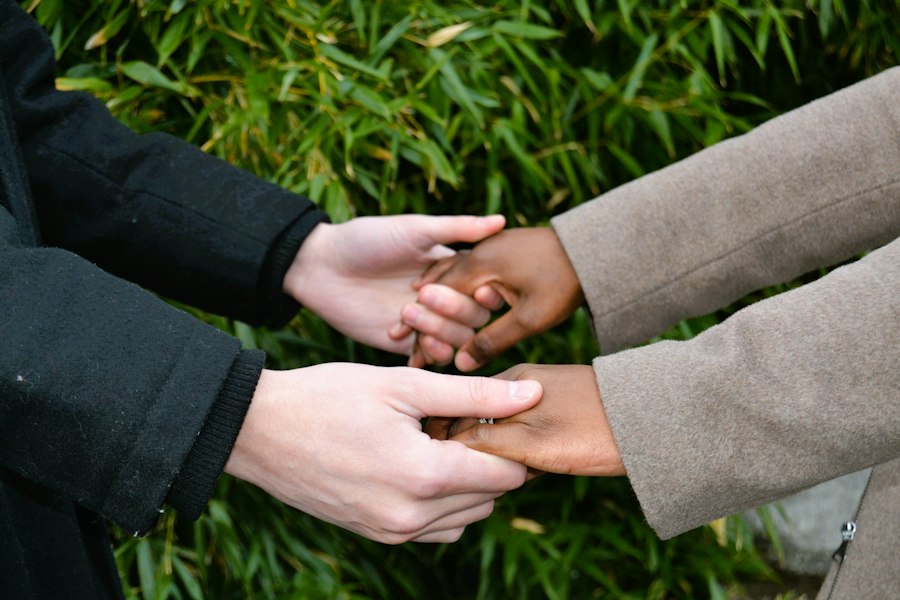
Understanding the psychological underpinnings of conflict and cooperation is only the first step. Developing practical strategies to navigate these dynamics is essential for individuals, groups, and societies.
Transformative Conflict Resolution
Conflict resolution is not simply about suppressing disagreement but about transforming it into an opportunity for growth and deeper understanding. This involves moving beyond superficial compromises to address the underlying needs and interests of all parties.
Mediation and Negotiation
Mediation involves a neutral third party who facilitates communication and helps disputing parties find their own solutions. Negotiation is a process where parties engage in direct discussion to reach an agreement. Both require skillful communication, problem-solving, and a willingness to compromise.
- Interest-Based Negotiation: A negotiation approach that focuses on identifying and addressing the underlying interests of the parties, rather than their stated positions.
Restorative Justice
Restorative justice is an approach that focuses on repairing harm and rebuilding relationships. It emphasizes accountability, empathy, and community involvement, aiming to heal wounds and prevent future conflict.
Fostering a Culture of Cooperation
Creating environments that actively promote cooperation requires a conscious effort to cultivate positive psychological conditions. This involves building trust, encouraging empathy, and establishing clear communication channels.
Leadership and Organizational Culture
Effective leadership plays a crucial role in shaping organizational culture and fostering cooperation. Leaders who model collaborative behavior, promote psychological safety, and reward teamwork can create environments where cooperation thrives.
- Psychological Safety: The belief that one will not be punished or humiliated for speaking up with ideas, questions, concerns, or mistakes.
Building Inclusive Communities
Inclusive communities, where diversity is valued and all members feel a sense of belonging, are more likely to experience harmony and cooperation. Addressing systemic inequalities and promoting intergroup dialogue are vital for building such communities.
The Role of Technology in Conflict and Cooperation
The digital age has introduced new dimensions to human dynamics, with technology acting as both a catalyst for conflict and a tool for cooperation. Social media, for instance, can amplify misinformation and fuel online aggression, but it can also facilitate global collaboration and the rapid dissemination of information for positive social change.
Online Disinhibition Effect
The online disinhibition effect describes how people behave differently online than they would in person, often leading to disinhibition, aggression, and reduced empathy. This can manifest in cyberbullying and the spread of hateful content.
- Echo Chambers and Filter Bubbles: Online environments where individuals are primarily exposed to information and opinions that confirm their existing beliefs, reinforcing biases and limiting exposure to diverse perspectives.
Digital Tools for Collaboration
Conversely, digital platforms offer unprecedented opportunities for global collaboration, knowledge sharing, and collective action. From project management software to online learning platforms and citizen science initiatives, technology can empower individuals to work together across geographical boundaries.
In exploring the intricate dynamics of human interactions, the psychology of conflict and cooperation plays a crucial role in understanding how individuals and groups navigate their relationships. A fascinating article that delves deeper into this subject can be found on Unplugged Psychology, where various theories and real-life applications are discussed in detail. For those interested in enhancing their knowledge on this topic, the article can be accessed through this link, providing valuable insights into the underlying mechanisms that drive both conflict and collaboration in social settings.
Conclusion: The Ongoing Human Endeavor
| Metric | Description | Typical Range/Value | Relevance to Conflict and Cooperation |
|---|---|---|---|
| Trust Level | Degree to which parties believe in the reliability and integrity of each other | 0 (no trust) to 1 (complete trust) | Higher trust promotes cooperation and reduces conflict intensity |
| Conflict Intensity | Measure of the severity and frequency of disagreements | Low, Medium, High | Helps identify the need for intervention or negotiation |
| Cooperation Rate | Percentage of cooperative actions taken in a group or dyad | 0% to 100% | Indicates the level of collaborative behavior |
| Empathy Score | Assessment of the ability to understand and share feelings of others | Scale 1-10 | Higher empathy correlates with better conflict resolution and cooperation |
| Communication Effectiveness | Quality and clarity of information exchange | Scale 1-10 | Effective communication reduces misunderstandings and fosters cooperation |
| Power Imbalance | Degree of unequal power distribution between parties | Scale 0 (equal) to 1 (extreme imbalance) | High imbalance can increase conflict and reduce cooperation |
| Conflict Resolution Success Rate | Percentage of conflicts resolved satisfactorily | 0% to 100% | Measures effectiveness of conflict management strategies |
The psychology of conflict and cooperation is a vast and ever-evolving field. It is a testament to the inherent complexity of human nature, our capacity for both profound connection and deep division. By understanding the intricate interplay of cognitive biases, emotional drivers, social influences, and evolutionary imperatives, we can begin to navigate the complexities of our social world with greater wisdom and efficacy. The ongoing human endeavor is to cultivate environments that nurture cooperation, mitigate the destructive potential of conflict, and harness the power of our shared humanity for collective progress and well-being. This requires continuous learning, self-awareness, and a commitment to building bridges rather than walls, fostering understanding and empathy in all our interactions.

How 22 Boys Were Turned Into Enemies
FAQs
What is the psychology of conflict and cooperation?
The psychology of conflict and cooperation is the study of how individuals and groups behave in situations where there is a potential for conflict or cooperation. It explores the underlying psychological processes that influence decision-making, communication, and behavior in these situations.
What are some factors that influence conflict and cooperation?
Some factors that influence conflict and cooperation include individual differences in personality, attitudes, beliefs, and values. Additionally, situational factors such as power dynamics, group norms, and communication styles can also play a role in shaping behavior in conflict and cooperation.
How does conflict affect individuals and groups psychologically?
Conflict can have a range of psychological effects on individuals and groups, including increased stress, anxiety, and negative emotions. It can also lead to changes in attitudes and perceptions, as well as impact relationships and trust within a group.
What are some strategies for managing conflict and promoting cooperation?
Some strategies for managing conflict and promoting cooperation include active listening, empathy, compromise, and negotiation. Building trust, fostering open communication, and encouraging collaboration are also important for resolving conflicts and fostering cooperation.
How can understanding the psychology of conflict and cooperation benefit individuals and groups?
Understanding the psychology of conflict and cooperation can help individuals and groups navigate challenging situations more effectively. It can lead to improved communication, better decision-making, and stronger relationships, ultimately promoting more positive outcomes in both personal and professional settings.