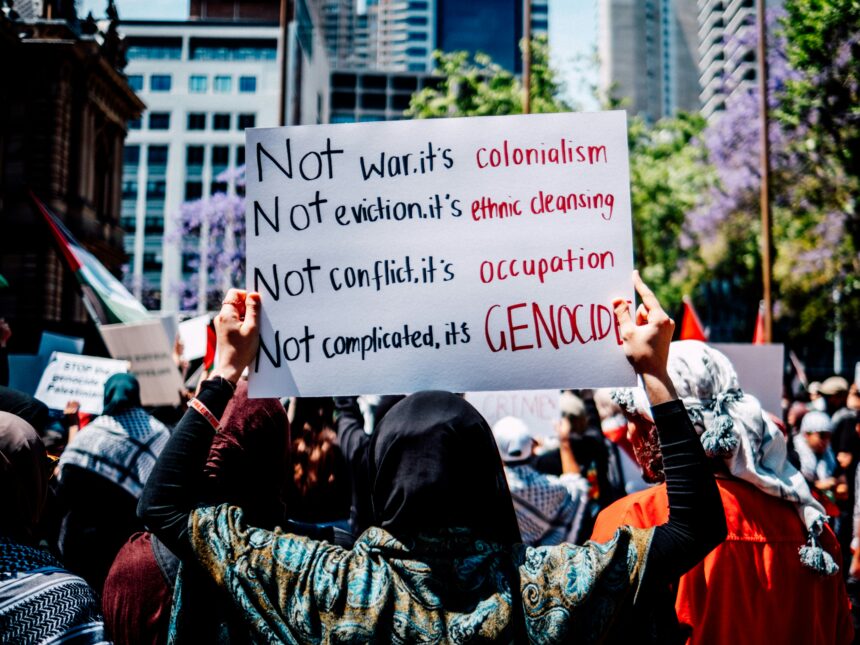
You’ve seen them, haven’t you? The rallies, the fervent speeches, the unwavering conviction radiating from crowds chanting slogans. You’ve witnessed the rise of individuals who promise order, strength, and a return to a perceived glorious past. These aren’t just political phenomena; they are potent expressions of a deeply rooted psychological appeal. Understanding why authoritarian movements gain traction, why they resonate with so many, and the profound impact they have on individuals and societies is crucial. It’s a journey into the human psyche, exploring the shadows of fear, the allure of certainty, and the collective yearning for belonging.
Your world, at times, can feel chaotic and unpredictable. You navigate a landscape filled with economic anxieties, social shifts, and existential questions. In such an environment, the promise of order, even a rigidly enforced one, can be incredibly appealing. Authoritarian movements tap into this fundamental human need for stability and predictability. They offer a stark contrast to the perceived messiness of democracy, presenting a clear, decisive path forward.
The Illusion of Control
You might feel overwhelmed by the complexity of modern life, by the endless choices and the constant barrage of information. This feeling of being out of control can be deeply unsettling. Authoritarian leaders masterfully exploit this. They present themselves as strong, decisive figures who have all the answers and possess the unwavering will to implement them. This creates an illusion of control, not just for the leader, but by extension, for their followers. You, as a member of such a movement, can feel a sense of agency and purpose by aligning with a figure who seemingly has everything under control.
- Simplifying the Complex: When faced with intricate global challenges, you might find comfort in simplistic explanations. Authoritarian movements often provide narratives that reduce complex issues to easily digestible binaries – us versus them, good versus evil, right versus wrong. This black-and-white thinking bypasses critical analysis and offers a sense of clarity that many find reassuring.
- The Appeal of the Strongman: Historically, societies have often looked to strong leaders during times of crisis. You might be drawn to the image of a powerful individual who can cut through political gridlock, make tough decisions, and project an aura of unwavering strength. This figure becomes a symbol of hope and resilience, a shield against the perceived threats to your way of life.
Fear as a Catalyst
Fear is a primal emotion, a powerful motivator that can override rational thought. Authoritarian movements are adept at cultivating and weaponizing fear. They identify existing anxieties and amplify them, creating a sense of imminent danger that only their ideology and leadership can combat.
- External Threats and Scaremongering: You might be fed narratives about hostile external forces – immigrants, foreign powers, or global conspiracies – threatening your nation, your culture, or your very existence. This fear of the “other” creates a sense of collective vulnerability, making you more receptive to a strong leader who promises to protect you.
- Internal Decay and Moral Panics: Beyond external threats, these movements often warn of internal decay – the erosion of traditional values, the corruption of elites, or the rise of “un-American” ideologies. This can trigger moral panics, where you feel your society is on the brink of collapse, requiring drastic measures to restore its former glory.
- The Scarcity Mindset: Economic insecurity and perceived resource scarcity can breed a scarcity mindset, where you feel that any gain for one group is a loss for another. Authoritarian movements exploit this by framing social progress or redistribution as threats to your own well-being, solidifying an “us against them” mentality.
In exploring the psychology of authoritarian movements, a related article that delves into the underlying motivations and social dynamics is available at Unplugged Psychology. This piece examines how psychological factors such as fear, conformity, and the desire for belonging can drive individuals toward authoritarian ideologies, providing valuable insights into the mechanisms that sustain such movements in society.
The Allure of Belonging: Finding Your Tribe
In an increasingly individualized and often disconnected world, the human need for belonging is profound. Authoritarian movements offer a potent sense of community, a shared identity, and a feeling of being part of something larger than yourself. This is a powerful draw, especially for those who feel alienated or marginalized.
Shared Identity and Collective Purpose
You might yearn for a sense of belonging that transcends your individual circumstances. Authoritarian movements provide a ready-made identity, often tied to nationality, ethnicity, or a specific ideology. This shared identity offers a sense of unity and purpose, a common enemy to rally against and a shared vision to strive for.
- The “Us” Versus “Them” Dynamic: This is a cornerstone of authoritarian group psychology. By clearly defining an “in-group” and an “out-group,” these movements foster intense loyalty and solidarity within their ranks. You are encouraged to see yourself as part of a righteous collective battling against a morally bankrupt enemy.
- Reclaiming Lost Glory: Many authoritarian movements promise a return to a perceived golden age. This taps into nostalgia and a desire to reclaim a lost sense of national pride or cultural dominance. You might feel a sense of empowerment by joining a movement that claims to restore your group’s rightful place in the world.
- Rituals and Symbols: The use of rallies, parades, anthems, flags, and uniforms creates a powerful sense of shared experience and collective identity. You participate in these rituals, you wear the symbols, and you feel yourself becoming an integral part of the group, strengthening your bond with others.
The Comfort of Conformity
While individuality is often celebrated, the pressure to conform can be immense, especially within tightly knit groups. Authoritarian movements foster an environment where conformity is not just expected, but rewarded. Dissent is often punished, creating a chilling effect on independent thought.
- Groupthink and Echo Chambers: Within these movements, you are likely to be exposed primarily to viewpoints that reinforce the dominant ideology. This creates echo chambers where dissenting opinions are rarely heard, and critical thinking is discouraged. Groupthink takes hold, where the desire for harmony overrides the realistic appraisal of alternatives.
- Social Reinforcement: Positive reinforcement for adherence to the group’s norms and beliefs is constant. You receive praise, acceptance, and a sense of validation for expressing the “correct” opinions and behaviors. Conversely, expressing doubts or criticisms can lead to social ostracization or verbal attacks.
- The Fear of Ostracism: The potent fear of being excluded from the group can be a powerful deterrent against independent thought. You may suppress your own reservations simply to maintain your membership and the sense of belonging it provides.
The Cult of Personality: The Allure of the Leader

At the heart of many authoritarian movements lies a charismatic leader. This individual is often presented as a larger-than-life figure, possessing superior intelligence, unwavering moral authority, and the singular ability to guide the nation. This cult of personality is a critical component of their success.
The Promise of the Savior
You might be drawn to a leader who embodies strength, decisiveness, and an almost messianic quality. This leader is not just a politician; they are a savior, destined to rescue you and your nation from peril.
- Unwavering Certainty: Authoritarian leaders project an image of absolute certainty, even when faced with complex or uncertain situations. This can be incredibly reassuring to you, especially if you are experiencing anxiety about the future. You trust their pronouncements because they speak with such conviction.
- Charisma and Rhetorical Prowess: These leaders often possess exceptional rhetorical skills, capable of stirring emotions, simplifying complex issues, and crafting powerful slogans that resonate with their audience. You find yourself captivated by their speeches, feeling a visceral connection to their message and their persona.
- The Projection of Strength: The leader’s projection of strength, both physical and moral, is a key appeal. You might see them as a protector, a bulwark against chaos and weakness, a figure who will stand firm against all opposition.
The Erosion of Critical Thinking
The cult of personality actively discourages critical engagement with the leader. Their pronouncements are to be accepted, their actions unquestioned. This systematic erosion of critical thinking is essential for maintaining the leader’s unassailable position.
- Deification and Infallibility: The leader is often portrayed as infallible, above criticism, and even divinely appointed. Any suggestion of error or imperfection is met with fierce defense from followers, often framing such criticisms as attacks on the movement itself.
- Personal Loyalty Over Ideology: Loyalty to the leader often supersedes adherence to specific policies or even fundamental principles. You are encouraged to trust the leader’s judgment implicitly, even if it contradicts previous statements or common sense.
- Emotional Manipulation: Authoritarian leaders are masters of emotional manipulation. They can skillfully tap into your deepest fears, your noblest aspirations, and your strongest resentments to elicit unwavering devotion. You may find yourself feeling intense emotional responses to their rhetoric, which further solidifies your connection to them.
The Disillusioned and the Marginalized: Seeds of Resentment

Authoritarian movements often find fertile ground among those who feel left behind, ignored, or betrayed by the existing system. The disillusioned and the marginalized are particularly susceptible to the promises of radical change and a return to perceived former glories.
The Scapegoat Mechanism
When faced with economic hardship or social upheaval, it’s human nature to seek explanations and assign blame. Authoritarian movements excel at identifying scapegoats – groups or individuals who are blamed for societal problems, diverting attention from systemic issues.
- Blaming the “Other”: As mentioned earlier, immigrants, ethnic minorities, or political opponents are often cast as the villains responsible for your troubles. This provides a simple, albeit false, explanation for complex problems and channels your frustration towards a tangible target.
- Conspiracy Theories: Authoritarian movements often weave elaborate conspiracy theories that explain away your suffering and assign blame to hidden, malevolent forces. These narratives, while often unfounded, can provide a sense of order and understanding to those who feel powerless.
- Exploiting Grievances: These movements actively seek out and amplify existing grievances. They listen to your complaints, validate your anger, and promise to rectify the injustices you feel have been perpetrated against you.
The Promise of Restoration and Revenge
For those who feel their status, their way of life, or their cultural identity has been threatened, authoritarian movements offer a powerful vision of restoration and, at times, revenge.
- Reclaiming Lost Power: You might feel that your group has been disempowered or marginalized. The movement promises to restore your group’s dominance and bring back a time when they were in control. This can be a potent motivator for those who feel a loss of social standing.
- Punishing the “Enemies”: Alongside restoration, there’s often a desire to punish those perceived as responsible for your group’s decline. This can manifest as a desire for retribution against elites, perceived traitors, or any group that has benefited at your expense.
- Nostalgia for a Simpler Past: Many authoritarian movements tap into a deep-seated nostalgia for a romanticized past. You might be drawn to the idea of a simpler, more ordered society, free from the complexities and perceived moral decay of the present.
The psychology of authoritarian movements has been a topic of significant interest, especially in understanding how individuals can be drawn to such ideologies. A related article that delves into this subject can be found on Unplugged Psych, which explores the underlying psychological mechanisms that facilitate the rise of authoritarianism in various societies. This insightful piece sheds light on the factors that contribute to people’s attraction to authoritarian leaders and movements, making it a valuable resource for anyone looking to grasp the complexities of this phenomenon. You can read more about it in the article on Unplugged Psych.
The Impact: Cracks in the Foundation
| Metric | Description | Typical Findings | Relevance to Authoritarian Movements |
|---|---|---|---|
| Authoritarian Personality Score | Measures traits such as submission to authority, aggression towards outgroups, and conventionalism | Higher scores correlate with greater support for authoritarian leaders and policies | Identifies individuals more likely to endorse authoritarian ideologies |
| Social Dominance Orientation (SDO) | Assesses preference for hierarchy and dominance over lower-status groups | Elevated SDO linked to support for authoritarian regimes and discriminatory policies | Explains motivation for maintaining social hierarchies under authoritarian rule |
| Right-Wing Authoritarianism (RWA) Scale | Measures submission to authorities, aggression towards dissenters, and adherence to social conventions | High RWA scores predict support for authoritarian governance and punitive measures | Key psychological predictor of authoritarian movement support |
| Perceived Threat Level | Degree to which individuals feel economic, cultural, or physical threats | Increased perceived threats correlate with higher authoritarian attitudes | Threat perception often triggers authoritarian responses as a defense mechanism |
| Conformity and Obedience Rates | Measures willingness to conform to group norms and obey authority figures | Higher conformity linked to acceptance of authoritarian directives | Facilitates mass mobilization and compliance within authoritarian movements |
| Ingroup vs. Outgroup Bias | Extent of favoritism towards one’s own group and hostility towards outsiders | Strong ingroup bias supports exclusionary and authoritarian policies | Drives social cohesion within authoritarian groups and scapegoating of others |
The rise of authoritarian movements doesn’t just represent a shift in political power; it has profound and often damaging impacts on individuals, societies, and democratic institutions. Understanding these consequences is crucial to recognizing the danger and working towards resilience.
Erosion of Democratic Norms and Institutions
Authoritarian movements, by their very nature, seek to dismantle or weaken the checks and balances that underpin democratic societies. This can have long-lasting and devastating effects.
- Undermining the Rule of Law: Authoritarian leaders often operate outside or above the law, disregarding legal constraints and challenging the independence of the judiciary. This creates a climate of impunity and weakens the foundation of a just society.
- Silencing Dissent and Free Speech: The suppression of opposing viewpoints is a hallmark of authoritarianism. You might witness the silencing of journalists, the persecution of activists, and the erosion of free expression, creating a climate of fear and conformity.
- Attacks on Independent Media: A free press is a vital component of democracy. Authoritarian movements often label independent media as “enemies of the people” or “fake news,” attempting to discredit them and control the flow of information.
Social Division and Polarization
The “us versus them” mentality inherent in authoritarian movements inevitably leads to deep social divisions and extreme polarization.
- Increased Hostility and Mistrust: The constant demonization of opposing groups fosters extreme hostility and mistrust. You might find yourself unable to engage in civil discourse with those who hold different views, leading to a fractured and divided society.
- Breakdown of Social Cohesion: The intense loyalty demanded by these movements can fracture existing social bonds and family relationships. Individuals are often forced to choose between their beliefs and their loved ones, leading to personal turmoil and social fragmentation.
- Rise of Extremism and Violence: In its most extreme forms, authoritarianism can incite violence against targeted groups. The rhetoric of enemies and existential threats can embolden individuals to act on their hatred, leading to real-world violence and instability.
The Psychological Toll on Individuals
Beyond the societal impacts, the embrace of authoritarianism can have a significant psychological toll on individuals.
- Loss of Autonomy and Critical Thinking: As you become more immersed in the movement’s ideology, you may lose your capacity for independent thought and critical evaluation. Your sense of self can become subsumed by the collective identity, diminishing your autonomy.
- Cognitive Dissonance and Moral Compromise: You may experience cognitive dissonance as you try to reconcile the movement’s actions with your own moral compass. This can lead to a gradual erosion of your ethical standards as you justify or overlook problematic behaviors to maintain your belonging.
- Potential for Disillusionment and Trauma: For those who eventually come to see the flaws or harms of the movement, the experience can be deeply traumatic. The realization that they were misled and contributed to harmful actions can lead to profound disillusionment, guilt, and psychological distress.
Understanding the psychology of authoritarian movements is not about excusing their rise or minimizing their danger. It is about equipping yourself with the knowledge to recognize the underlying mechanisms at play. It’s about understanding the vulnerabilities in the human psyche that these movements exploit and the strategies they employ to gain and maintain power. By recognizing these patterns, you can better resist their siren call and work towards building a society that values critical thinking, empathy, and democratic principles.

They Started With Rules. Then Students Began Policing Each Other
FAQs
What is the psychology behind authoritarian movements?
Authoritarian movements often appeal to individuals who seek structure, order, and a sense of security. These movements may attract people who feel threatened by societal changes or who desire a strong leader to guide them.
How do authoritarian movements manipulate individuals?
Authoritarian movements often use fear, propaganda, and manipulation tactics to control individuals. They may exploit people’s insecurities, spread misinformation, and create a sense of “us vs. them” mentality to maintain power.
What psychological factors contribute to the rise of authoritarian movements?
Psychological factors such as fear, uncertainty, and a desire for control can contribute to the rise of authoritarian movements. Individuals may be drawn to these movements as a way to cope with perceived threats and regain a sense of stability.
Can authoritarian movements lead to harmful consequences?
Yes, authoritarian movements can lead to harmful consequences such as suppression of individual rights, discrimination against marginalized groups, and even violence. These movements can create a climate of fear and division within society.
How can understanding the psychology of authoritarian movements help prevent their spread?
By understanding the psychological factors that contribute to the appeal of authoritarian movements, individuals and societies can work to address underlying issues such as fear, insecurity, and lack of trust. Education, critical thinking, and promoting empathy and understanding can help prevent the spread of authoritarian ideologies.