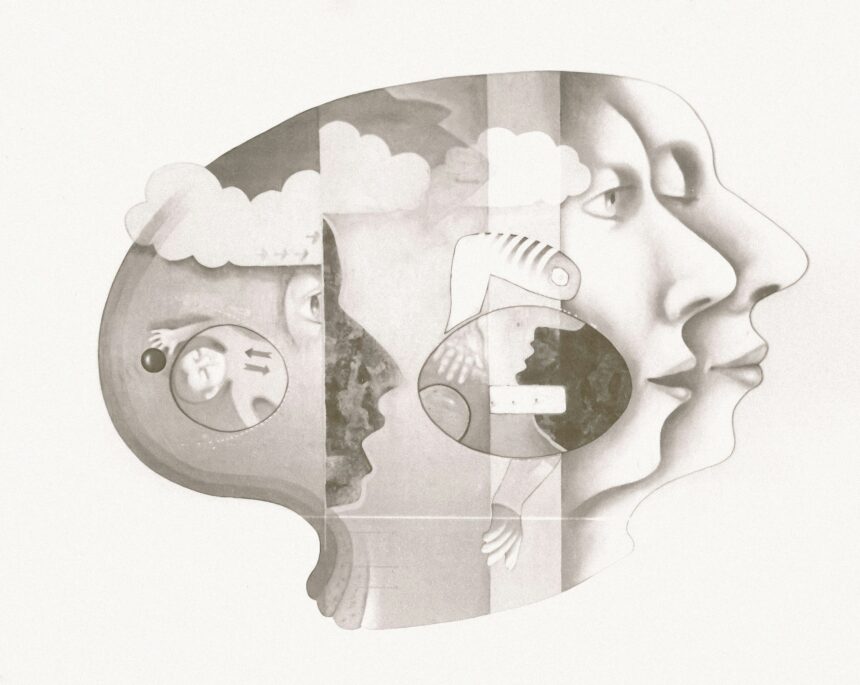
The subtle, persistent feeling of being observed can trigger a cascade of psychological responses, transforming an individual’s behavior, perception, and even their sense of self. This phenomenon, the psychological impact of being watched, is not merely a fleeting discomfort; it is a complex interplay of social awareness, threat assessment, and cognitive adaptation. Whether the watcher is a person, a surveillance camera, or even the internalized gaze of societal expectations, the awareness of being under scrutiny fundamentally alters the human experience. This article will delve into the multifaceted ways in which the act of being watched affects the mind, exploring its various manifestations and underlying mechanisms.
The human propensity to be aware of others’ perceptions is deeply ingrained, a product of our evolutionary history as social creatures. From the earliest tribal societies, where ostracism could mean death, to the complex modern world, the awareness of being seen has been a crucial factor in navigating social hierarchies, enforcing norms, and ensuring cooperation. This innate sensitivity to the gaze of others forms the bedrock upon which more sophisticated forms of being watched are built.
The Evolutionary Roots of Social Surveillance
For much of human history, survival was directly linked to social cohesion and adherence to group norms. Individuals who could accurately gauge the reactions of others, anticipate potential disapproval, and modify their behavior accordingly were more likely to be accepted, protected, and to reproduce. This evolutionary pressure led to the development of a finely tuned social awareness, a constant, often subconscious, monitoring of how one is perceived. The fear of exclusion or punishment from the group served as a powerful motivator for conformity, making the “gaze” of the community a potent force.
The Modern Manifestations of Surveillance
In contemporary society, the nature of being watched has expanded dramatically. Beyond the immediate social circle, individuals are now subjected to a pervasive and often invisible form of surveillance. Digital technologies, in particular, have amplified this phenomenon to unprecedented levels. From the cameras that dot public spaces to the data trails left by online activity, the digital footprint is a constant source of potential observation. This technological evolution has blurred the lines between private and public, creating a landscape where the feeling of being watched can be a persistent undercurrent.
Public Spaces and the Panopticon Effect
The presence of surveillance cameras in public spaces, such as streets, shops, and transportation hubs, is a commonplace aspect of modern life. This widespread deployment draws parallels to Jeremy Bentham’s concept of the Panopticon, a prison design where inmates are aware of the possibility of being watched at all times, even if they are not being actively observed. This constant potential for observation can lead to a self-regulatory behavior, where individuals alter their actions to conform to perceived norms or to avoid potential scrutiny. The psychological effect is a form of internalized control, where the external gaze becomes an internal monitor.
The Digital Eye: Online Tracking and Data Collection
The internet, while offering unparalleled opportunities for connection and information sharing, also presents a vast network of tracking and data collection. Websites use cookies and other technologies to monitor user behavior, building profiles that can be used for targeted advertising or other purposes. Social media platforms, by their very nature, encourage sharing and public display, but also collect extensive data on user interactions and preferences. This digital surveillance, though often invisible, contributes to a pervasive sense of being monitored, influencing online behavior and even offline choices.
The psychological effects of being watched can significantly influence an individual’s behavior and mental state, often leading to increased anxiety and self-consciousness. For a deeper understanding of this phenomenon, you can explore the article on the Unplugged Psych website, which delves into the implications of surveillance on mental health and social interactions. To read more, visit Unplugged Psych.
The Impact on Behavior: Conformity, Self-Censorship, and Performance
The awareness of being watched, regardless of its source, has a profound and often measurable impact on an individual’s behavior. This influence can manifest as a drive towards conformity, a subtle yet pervasive form of self-censorship, or a heightened sense of performance, where actions are consciously curated for an audience. The specific manifestation often depends on the perceived nature of the watcher and the individual’s interpretation of the situation.
The Drive for Conformity and Social Acceptance
One of the most significant behavioral consequences of being watched is the increased tendency to conform to perceived social norms. When individuals believe they are being observed, they are more likely to adhere to established rules of conduct, to avoid behaviors that might elicit disapproval, and to present themselves in a way that aligns with societal expectations. This drive for conformity is deeply rooted in the need for social acceptance and the avoidance of negative social consequences.
The Spectator’s Influence on Norm Adherence
The mere presence of an audience can act as a powerful regulator of behavior. Studies have shown that individuals are more likely to follow rules and exhibit pro-social behaviors when they believe they are being watched. This phenomenon is particularly evident in situations where social norms are ambiguous or where there is a perceived risk of social sanction. The spectator’s gaze, even if passive, imbues the situation with a social dimension, prompting individuals to consider how their actions will be judged.
The Chilling Effect of Potential Judgment
Conversely, the anticipation of negative judgment can lead to a “chilling effect” on behavior. Individuals may refrain from expressing dissenting opinions, engaging in controversial activities, or even exploring unconventional ideas for fear of attracting negative attention. This self-imposed censorship, driven by the perceived threat of criticism or ostracism, can stifle creativity, limit individual expression, and ultimately contribute to a less vibrant and diverse society.
The Performance of Self: Curated Identities and Impression Management
The awareness of being watched also fosters a heightened sense of self-consciousness and a drive to actively manage one’s public image. This “performance of self” involves consciously curating one’s actions, words, and appearance to create a desired impression in the eyes of the observer. This is not necessarily an act of deception, but rather a natural inclination to present one’s best self or the self that is deemed most appropriate for the social context.
Impression Management in Social Interactions
In everyday social interactions, individuals constantly engage in impression management, adjusting their behavior to create a favorable impression. When the stakes are perceived to be higher, or when the audience is particularly influential, this process becomes more pronounced. The desire to be liked, respected, or perceived as competent can lead to a careful selection of behaviors and a deliberate shaping of communication styles.
The Digital Stage: Presenting an Idealized Self Online
The digital realm, particularly social media, has become a prominent stage for the performance of self. Individuals often present idealized versions of their lives, carefully curating their posts, photos, and online interactions to project an image of success, happiness, and popularity. This constant performance can lead to a disconnect between one’s online persona and one’s real-life experiences, contributing to feelings of inadequacy and social comparison.
The Cognitive and Emotional Repercussions: Anxiety, Stress, and Paranoia

Beyond overt behavioral changes, the psychological impact of being watched extends to the internal landscape of an individual’s thoughts and emotions. The persistent awareness of surveillance can trigger a range of negative emotional states, including anxiety, stress, and in some cases, even paranoia. These cognitive and emotional repercussions can have significant implications for an individual’s well-being and mental health.
The Heightened State of Alertness: Anxiety and Stress Responses
The feeling of being watched can activate the body’s stress response, leading to increased levels of anxiety and physiological arousal. This heightened state of alertness, while adaptive in situations of actual threat, can become detrimental when the surveillance is chronic or perceived to be unfounded. The constant anticipation of scrutiny can drain mental resources, leading to fatigue, difficulty concentrating, and a general sense of unease.
The Uncertainty of the Observer’s Intent
A significant factor contributing to anxiety is the uncertainty surrounding the observer’s intentions. Is the watcher a benevolent authority figure, a casual observer, or a malicious entity? The lack of clarity regarding the observer’s motives can fuel speculation and amplify negative emotions. Without knowing why one is being watched, individuals may default to a more cautious and apprehensive mindset.
The Perceived Lack of Control
The feeling of being watched often comes with a perceived lack of control over one’s own environment and actions. This loss of agency can be a significant source of stress and frustration. When individuals feel that their privacy is being invaded or that their autonomy is being compromised, it can lead to a sense of helplessness and disempowerment.
The Seed of Paranoia: Suspicion and Distrust
In more extreme cases, the prolonged or intense experience of being watched can sow the seeds of paranoia. Individuals may develop a pervasive sense of suspicion towards others, interpreting ordinary events as evidence of surveillance or malicious intent. This can lead to a distorted perception of reality, where trust is eroded, and relationships become strained.
The Misinterpretation of Social Cues
Paranoia can manifest as a tendency to misinterpret innocent social cues as signs of surveillance or conspiracy. A lingering glance, a whispered conversation, or an unexpected encounter can be perceived as deliberate attempts to monitor or harm. This cognitive bias reinforces the paranoid belief system, creating a self-perpetuating cycle of suspicion.
The Impact on Social Relationships
The development of paranoia can have a devastating impact on an individual’s social relationships. As trust erodes, individuals may withdraw from social contact, alienate friends and family, and become increasingly isolated. This isolation, in turn, can exacerbate the feelings of suspicion and further entrench the paranoid mindset.
The Nuance of Perception: When Being Watched Can Be Beneficial

While the psychological impact of being watched is often associated with negative consequences, it is important to acknowledge that in certain contexts, the awareness of observation can actually be beneficial. These instances typically involve situations where the surveillance is benevolent, goal-oriented, and contributes to positive outcomes.
Enhancing Performance and Motivation
In contexts such as sports, education, or professional training, the presence of an observer or coach can serve as a powerful motivator, driving individuals to perform at their best. The knowledge that their efforts are being monitored can encourage greater focus, discipline, and a desire to achieve desired outcomes.
The Role of Feedback and Coaching
When the watcher is a coach, mentor, or educator, their gaze is often accompanied by constructive feedback and guidance. This form of benevolent surveillance can be invaluable for skill development, error correction, and overall improvement. The observer’s attention helps to identify areas for growth and provides the necessary support for progress.
The Pressure of Competition
In competitive environments, the awareness of being watched by rivals or judges can ignite a powerful drive to excel. This pressure can push individuals beyond their perceived limits, leading to exceptional performances. The visible manifestation of competition inherently involves a degree of observation and evaluation.
Promoting Safety and Accountability
In certain situations, surveillance serves a crucial role in promoting safety and accountability. The presence of security cameras in public spaces can deter criminal activity and provide evidence in case of incidents. Similarly, the watchful eye of authority figures can ensure adherence to safety protocols and ethical guidelines.
Deterrence of Undesirable Behavior
The knowledge that one is being observed can act as a powerful deterrent against engaging in illegal or unethical activities. The risk of being caught and facing consequences is often enough to discourage individuals from pursuing harmful courses of action.
Ensuring Compliance and Ethical Conduct
In professional settings, the awareness of oversight can ensure that individuals adhere to established procedures, regulations, and ethical codes. This can be particularly important in fields where public safety or trust is paramount, such as healthcare or law enforcement.
The psychological effects of being watched can significantly impact an individual’s behavior and mental state, leading to increased anxiety and self-consciousness. A related article explores these themes in depth, discussing how constant surveillance can alter personal interactions and self-perception. For more insights on this topic, you can read the article here, which delves into the nuances of how awareness of being observed shapes our daily lives.
Navigating the Watched World: Strategies for Well-being
| Psychological Effect | Description | Common Metrics/Indicators | Typical Impact |
|---|---|---|---|
| Increased Self-Awareness | Heightened consciousness of one’s own behavior and appearance when being observed. | Self-report scales, physiological measures (e.g., heart rate) | Moderate increase in self-monitoring and behavior regulation |
| Social Facilitation | Improved performance on simple or well-learned tasks due to presence of observers. | Task performance scores, reaction times | Performance enhancement on routine tasks |
| Social Inhibition | Decreased performance on complex or new tasks when being watched. | Error rates, task completion time | Performance decline on difficult tasks |
| Stress and Anxiety | Feelings of nervousness or pressure caused by being observed. | Cortisol levels, self-reported anxiety scales, heart rate variability | Elevated stress responses, potential discomfort |
| Conformity and Behavioral Adjustment | Tendency to modify behavior to align with social norms or expectations. | Behavioral observation, conformity scales | Increased adherence to social norms |
| Reduced Privacy Perception | Feeling of loss of personal space or autonomy when watched. | Self-report privacy concern questionnaires | Heightened privacy concerns and possible withdrawal |
| Impression Management | Efforts to control the image one presents to observers. | Self-presentation scales, behavioral coding | Increased strategic behavior and self-censorship |
In an increasingly surveilled world, developing strategies to mitigate the negative psychological impacts of being watched is essential for maintaining well-being. This involves cultivating a nuanced understanding of surveillance, reclaiming a sense of agency, and fostering resilience.
Cultivating Self-Awareness and Critical Thinking
The first step in navigating a watched world is to develop a heightened sense of self-awareness. Understanding one’s own emotional and behavioral responses to being watched is crucial. This involves recognizing when the feeling of surveillance is triggering anxiety or self-censorship, and actively challenging these reactions. Critical thinking allows individuals to evaluate the actual threat posed by surveillance, rather than succumbing to generalized anxieties.
Identifying Triggers and Personal Responses
Individuals can benefit from identifying specific situations or types of surveillance that trigger their discomfort. By recognizing these triggers, they can develop more targeted coping mechanisms. This might involve consciously reminding oneself of the benign nature of a particular observer or practicing relaxation techniques in high-surveillance environments.
Questioning the Narrative of Observation
It is important to critically question the assumptions underlying the feeling of being watched. Is the observation truly intrusive, or is it a benign aspect of social interaction or technological functionality? Challenging the narrative that one is constantly under threat can significantly reduce anxiety.
Reclaiming Agency and Setting Boundaries
Despite the pervasive nature of surveillance, individuals can still reclaim a sense of agency and set boundaries. This involves actively making conscious choices about what information to share, how to present oneself online, and when to disengage from potentially surveilled environments.
Mindful Digital Engagement
Practicing mindful engagement with digital technologies is crucial. This includes being conscious of privacy settings, limiting the amount of personal information shared online, and periodically reviewing digital footprints. Taking breaks from constant connectivity can also help to reduce the feeling of perpetual observation.
Asserting the Right to Privacy
While challenging, it is important to assert the right to privacy where possible. This might involve advocating for stronger privacy laws, supporting organizations that champion digital rights, or simply making conscious decisions to protect personal information in everyday interactions.
Fostering Resilience and Self-Compassion
Ultimately, navigating a watched world requires fostering resilience and self-compassion. Recognizing that these feelings are common and that it is acceptable to feel discomfort is important. Practicing self-compassion allows individuals to be kind to themselves when they experience the negative impacts of surveillance, and to focus on their own well-being.
Building Internal Locus of Control
Cultivating an internal locus of control, where individuals believe they have the power to influence their own lives and experiences, is a key aspect of resilience. This involves focusing on what is within one’s control, rather than dwelling on external factors like surveillance.
Embracing Authenticity
In the face of constant observation, embracing authenticity can be a powerful act of defiance. This involves being true to oneself, even when it might not align with perceived societal expectations. Authenticity can foster a sense of inner peace and reduce the pressure to perform for an audience.
The psychological impact of being watched is a pervasive and multifaceted aspect of the human experience in the modern era. From the deeply ingrained evolutionary drive for social awareness to the technologically amplified reach of digital surveillance, the feeling of being observed shapes our behavior, triggers our emotions, and influences our cognitive processes. While the implications can be negative, leading to anxiety, self-censorship, and a sense of powerlessness, understanding these impacts is the first step towards developing strategies for resilience, reclaiming agency, and navigating the complex landscape of our watched world with greater well-being and authenticity. The ability to critically assess the nature of surveillance, to set boundaries, and to cultivate a strong sense of self is paramount in an age where the gaze, both human and technological, is an ever-present reality.

They Told Healthy Children Something Was Wrong With Their Speech
FAQs
What are the psychological effects of being watched?
Being watched can lead to increased stress, anxiety, and self-consciousness. It can also trigger feelings of paranoia and a sense of being judged or evaluated.
How does being watched impact behavior?
Being watched can alter behavior by causing individuals to conform to social norms, engage in self-monitoring, or even engage in riskier behaviors to seek attention or approval.
Can being watched affect performance?
Yes, being watched can impact performance in various ways. It can lead to heightened arousal, which may improve performance in simple tasks but impair performance in complex tasks due to increased pressure and distraction.
Are there long-term effects of being watched?
Long-term effects of being watched can include decreased self-esteem, feelings of insecurity, and a heightened sense of self-awareness. It can also contribute to the development of social anxiety or other psychological disorders.
How can individuals cope with the psychological effects of being watched?
Individuals can cope with the psychological effects of being watched by practicing relaxation techniques, building self-confidence, setting boundaries, seeking support from others, and engaging in activities that promote self-expression and self-acceptance.