
You know that sinking feeling. You’ve sent a message, a witty remark, a crucial question, maybe even a heartfelt confession. The little typing bubbles appeared, then vanished. And then… nothing. Your message sits there, a stark blue checkmark confirming its delivery, yet met with an echoing silence. You are, in the modern vernacular, left on read.
This isn’t just a minor inconvenience; it’s a subtle yet potent psychological jolt. In a world where communication is instantaneous and validation often comes in the form of rapid replies, being deliberately ignored can trigger a cascade of unsettling emotions. It’s a silent rejection, a public declaration of your message’s insignificance, and for many, it’s a surprisingly painful experience. This article delves into the psychological landscape of being left on read, exploring the reasons behind this phenomenon and the impact it can have on your self-esteem, your relationships, and your overall mental well-being.
The advent of read receipts, those ubiquitous little indicators that signal your message has been seen, has fundamentally altered the dynamics of digital communication. They offer a perceived transparency, a way to know your words have landed, yet simultaneously introduce a new layer of anxiety.
The Illusion of Control and the Crushing of Expectation
Before read receipts, the uncertainty of whether a message was received or even seen was a given. You sent it out into the ether and waited, the anticipation a natural part of the exchange. Now, with the visual confirmation of “read,” you have a tangible, albeit passive, piece of information. This creates an expectation. You know they’ve seen it. You know they have the capacity to respond. When that response doesn’t materialize, it’s not just the absence of a reply; it’s the conscious choice to not reply despite having the knowledge and ability to do so. This shift from passive waiting to active awareness of being ignored is a key component of the sting. Your internal narrative shifts from “maybe they haven’t seen it yet” to “they’ve seen it, and they’re choosing not to answer.” This can feel like a direct dismissal.
The Devaluation of Your Words and Your Worth
The “read” notification acts as a silent arbiter of your message’s importance. If your message is deemed worthy of a response, the reply typically follows with reasonable promptness. However, when the read receipt lingers without a subsequent reply, it can feel like a tacit judgment. Your thoughts, your feelings, your questions are being implicitly categorized as less important, less interesting, or less deserving of time and consideration than whatever else occupies their attention. This perceived devaluation can bleed into how you see yourself. You begin to wonder if you are the problem, if your contributions are inherently less valuable, leading to a dip in your self-worth.
The Social Contract of Digital Communication
In the unwritten rules of digital interaction, there’s an implicit understanding that if you engage with a message, a brief acknowledgment or reply is generally expected. This isn’t about demanding immediate responses to every single communication, but rather about maintaining a basic level of courtesy and connection. Being left on read violates this unspoken social contract. It suggests a disregard for the norms of reciprocal interaction, leaving you feeling like you’re the only one invested in the conversation. This breach of expectation can breed resentment and frustration.
Being left on read can trigger a whirlwind of emotions and thoughts, often leading individuals to overanalyze the situation. This phenomenon is explored in detail in the article “The Psychology Behind Being Left on Read,” which delves into the reasons why such experiences can provoke anxiety and self-doubt. The article discusses how our brains are wired to seek social validation and how the absence of a response can lead to second-guessing one’s worth or the intentions of the other person. For further insights, you can read the full article here: The Psychology Behind Being Left on Read.
The Emotional Fallout: A Spectrum of Feelings
The experience of being left on read isn’t a monolithic one. It can elicit a range of emotional responses, often depending on the context of the message, the relationship with the sender, and your own individual sensitivities.
The Agony of Uncertainty and the Rise of “What Ifs”
The silence that follows a read receipt can be a breeding ground for anxiety. Your mind starts to race, conjuring up a myriad of potential reasons for the lack of response. Was it something you said? Did you offend them? Are they mad at you? Is there a hidden meaning behind their silence? This “what if” spiral is a classic symptom of anxiety, and the ambiguity of being left on read fuels it intensely. Your brain, seeking to make sense of the situation, fills the void with worst-case scenarios, often disproportionately negative.
The Sting of Rejection and the Damage to Self-Esteem
At its core, being left on read can feel like a form of rejection. It’s a clear indication that the other person, despite seeing your message, has chosen not to engage with you. This can be particularly painful if the message was personal, vulnerable, or if you were seeking validation or connection. The feeling of being ignored or deemed unworthy of a response can chip away at your self-esteem, making you question your desirability and your place in social interactions. You might start to internalize this rejection, believing there’s something fundamentally flawed about you that prevents others from wanting to communicate.
Frustration, Anger, and the Desire for Confrontation
For some, the initial pang of hurt can quickly morph into frustration and even anger. This is especially true if the message was urgent, required a response, or if this is a recurring pattern of behavior from the other person. The feeling of being disrespected or taken for granted can ignite a desire for confrontation, a need to understand why they’re ignoring you. This can manifest as passive-aggressive responses, repeated messages, or even a direct, heated confrontation. The unresolved tension can lead to heightened stress and a persistent feeling of annoyance.
The Echoes of Insecurity and Past Experiences
Your current reaction to being left on read can also be heavily influenced by past experiences and underlying insecurities. If you have a history of feeling unheard, ignored, or devalued in relationships, a single read receipt can tap into those deeper wounds. It can trigger a sense of déjà vu, reinforcing negative beliefs about yourself and your ability to form meaningful connections. The present experience becomes a proxy for unresolved past hurts, amplifying the emotional impact.
Why Do People Leave Messages on Read? The Multifaceted Explanations

It’s crucial to understand that the reasons behind leaving someone on read are rarely as simple as intentional malice or a deliberate attempt to hurt you. Often, there are a multitude of factors at play, many of which have nothing to do with your worth as a person.
The Overwhelm of a Busy Life and Information Overload
In today’s hyper-connected world, many individuals are bombarded with notifications and messages from all directions. Their inboxes and messaging apps can become overwhelming digital spaces. Sometimes, a message is seen, acknowledged mentally, but then immediately gets buried under a deluge of other communications. The intention isn’t to ignore you, but rather a genuine struggle to keep up with the sheer volume of information. The “read” notification might simply mean “I’ve seen this, but I can’t respond right now.”
The “I’ll Respond Later” Trap and Procrastination
This is a common and often unintentional reason. People might intend to reply thoughtfully, but life gets in the way. They might be in a meeting, driving, or simply not in the right headspace to craft a response. They might think, “I’ll get back to this when I have more time,” but then the message slips their mind or gets lost in the digital shuffle. This procrastination, while frustrating for the sender, is often not a reflection of their feelings towards them, but rather their own time management or prioritization struggles.
The Strategic Avoidance of Difficult Conversations or Commitments
Sometimes, leaving a message on read is a deliberate, albeit passive, way to avoid a conversation, a commitment, or an awkward situation. If a message poses a difficult question, asks for a favor they don’t want to grant, or signals a potentially confrontational topic, some individuals might choose to ignore it rather than address it directly. This is a form of conflict avoidance, where the fear of confrontation outweighs the desire for clear communication. While it can feel like a betrayal to the sender, it stems from the other person’s own discomfort.
The Spectrum of Emotional Energy and “Doomscrolling” Tendencies
Not everyone has the same emotional bandwidth for communication. Some people, especially those prone to anxiety or feeling overwhelmed, might find prolonged digital interaction draining. Seeing a message and knowing a response is required can feel like another task on their already long to-do list. This can lead them to put off responding until they have the emotional energy to engage. In some cases, this can even be linked to “doomscrolling” tendencies, where the act of consuming information without engaging can be a coping mechanism, and responding to messages is seen as an active, energy-expending act.
The Impact on Relationships: From Minor Annoyances to Relationship Strain

The phenomenon of being left on read, when it becomes a recurring pattern or involves significant messages, can have a tangible and often detrimental impact on the health and stability of relationships.
Erosion of Trust and the Seeds of Doubt
When you consistently experience being left on read by someone you care about, it can erode the trust you have in them. You start to doubt their reliability, their sincerity, and their commitment to open communication. This erosion of trust can create a chasm between you, making it harder to feel secure and connected. You might begin to second-guess their intentions in other aspects of the relationship, assuming a lack of engagement in one area is indicative of a broader disinterest.
The Cycle of Miscommunication and Resentment
Repeatedly being left on read can lead to a cycle of miscommunication and burgeoning resentment. You might feel like you’re constantly reaching out into a void, while the other person feels pressured or misunderstood. This can create a dynamic where both parties feel unheard and unappreciated, fostering a breeding ground for animosity. The unresolved feelings can fester, turning minor irritations into significant grievances that damage the relationship’s foundation.
The Temptation to Match the Behavior: A Slippery Slope
One of the most insidious impacts of being left on read is the temptation to mirror the behavior. When you feel ignored, your natural inclination might be to withdraw and stop initiating contact, or to retaliate by leaving their messages unread. This tit-for-tat approach rarely resolves the underlying issues and instead escalates the communication breakdown, leading to a silent war of attrition that can ultimately destroy the relationship.
The Strain on Different Relationship Dynamics
The impact of being left on read varies depending on the nature of the relationship.
Romantic Partnerships: A Sign of Growing Distance
In romantic relationships, being left on read can be particularly alarming. It can be interpreted as a sign of growing distance, a lack of interest, or even a prelude to a breakup. Consistent lack of responsiveness can lead to feelings of insecurity, loneliness, and a sense that the partner is emotionally unavailable. This can trigger significant anxiety and lead to arguments about communication styles and priorities.
Friendships: The Test of Connection
For friendships, being left on read can feel like a test of your connection. If a friend consistently ignores your messages, you might begin to question the depth of your bond and whether they value your friendship. This can lead to feelings of being overlooked and can strain the friendship, potentially leading to a slow drift apart if not addressed.
Family Dynamics: The Unspoken Disconnect
Within families, being left on read can be frustrating, especially if the messages are important for logistical reasons or involve seeking emotional support. It can highlight underlying familial communication patterns or create a sense of being on the periphery of family life, especially if there’s a history of feeling unheard by certain family members.
Professional Interactions: A Hindrance to Productivity
In professional settings, being left on read can be more than just annoying; it can be detrimental to productivity. Delayed responses can hold up projects, create confusion, and hinder effective collaboration. It can also reflect poorly on the professionalism of the individual who is not responding, impacting their reputation and ability to work effectively within a team.
Being left on read can trigger a whirlwind of overanalysis, as individuals often find themselves questioning the intentions and feelings of the other person. This phenomenon is rooted in our desire for connection and understanding, leading us to dissect every interaction for hidden meanings. For a deeper exploration of this topic, you can read more about the psychological effects of communication in the digital age in this insightful article on Unplugged Psych. Understanding these dynamics can help individuals navigate their emotions and reactions more effectively.
Strategies for Navigating the “Read” Reality: Protecting Your Peace
| Reasons Why Being Left on Read Makes You Overanalyze |
|---|
| 1. Lack of Closure |
| 2. Fear of Rejection |
| 3. Overthinking Communication |
| 4. Insecurity and Self-Doubt |
| 5. Misinterpretation of Intent |
While you can’t control how others communicate, you can control your reactions and implement strategies to protect your own mental well-being when faced with the frustrating reality of being left on read.
Reframe Your Expectations: A Realistic Approach to Digital Dialogue
The first and perhaps most crucial step is to manage your expectations. Understand that not everyone communicates at the same pace or with the same urgency. Recognize that read receipts are not always indicators of deliberate neglect. Practice self-compassion and remind yourself that their delay doesn’t necessarily reflect your worth. Try to cultivate a mindset where you’re not solely reliant on immediate responses for validation.
Communicate Your Needs (When Appropriate): Setting Boundaries for Clarity
If being left on read is a recurring issue with someone important to you, and it’s causing significant distress, consider having an open and honest conversation about your communication needs. Frame it from your perspective, using “I” statements. For example, “I sometimes feel anxious when I don’t receive a response to an important message for a while, because it makes me worry.” This approach is less accusatory and more likely to lead to a productive discussion about finding a communication style that works for both of you. Setting clear boundaries about response times for urgent matters can also be beneficial.
Diversify Your Communication Channels: Broaden Your Reach
Don’t put all your communication eggs in one digital basket. If you have an urgent need for a response, consider using multiple channels. A phone call, a voice message, or even a direct in-person conversation might be more effective than relying solely on text messages. This diversification can help ensure your message gets through and receives the attention it requires.
Focus on Your Own Well-being: The Power of Self-Care and Distraction
When you find yourself obsessing over a read receipt, it’s time to shift your focus inward. Engage in self-care activities that bring you joy and relaxation. This could be anything from exercising, reading a book, listening to music, spending time in nature, or pursuing a hobby. Distracting yourself with activities you enjoy can help break the cycle of rumination and remind you of the many positive aspects of your life that exist outside of digital validation.
Understand When to Let Go: Recognizing Unhealthy Patterns
Ultimately, you have to recognize when a pattern of being left on read is indicative of a fundamentally unhealthy communication dynamic. If your attempts to communicate are consistently met with silence, and it’s causing you significant distress, it might be a sign that the relationship isn’t serving you well. In such cases, it’s important to acknowledge that and make the difficult decision to prioritize your own peace of mind, which might involve distancing yourself from the person or relationship.
Being left on read is a modern-day conundrum, a subtle yet potent reminder of our interconnectedness and our inherent need for validation. By understanding the psychological underpinnings of this experience, the diverse reasons behind it, and its impact on our relationships, you can develop healthier coping mechanisms and cultivate a more resilient approach to digital communication. Remember, your worth is not determined by the speed of someone’s reply; it’s an inherent quality that resides within you, independent of any read receipt.
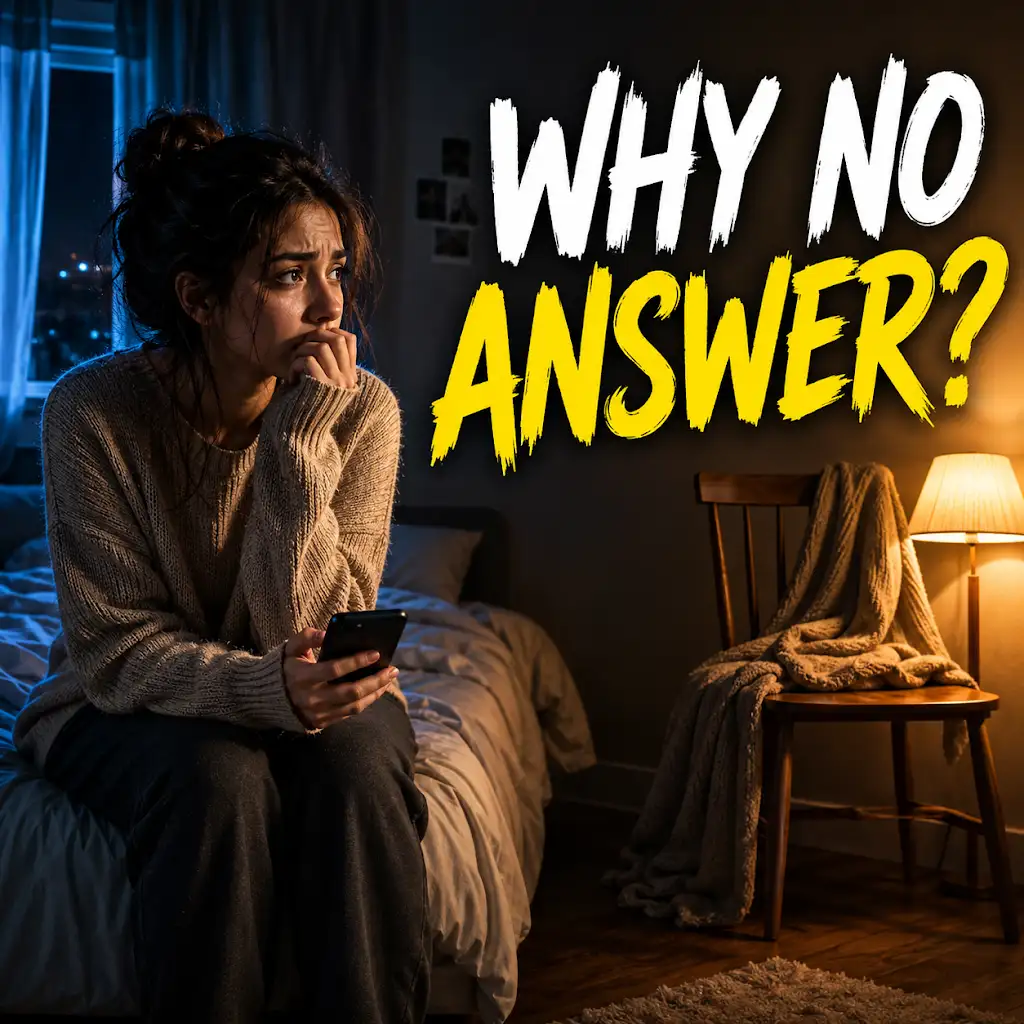
Why Your Brain Can’t Let Go When Someone Ignores You
FAQs
What does it mean to be “left on read”?
Being “left on read” refers to when someone reads your message but does not respond to it. This can happen in various forms of communication, such as text messages, social media direct messages, or emails.
Why does being left on read lead to overanalyzing?
Being left on read can lead to overanalyzing because it leaves the recipient with uncertainty and a lack of closure. This can trigger feelings of insecurity, self-doubt, and overthinking as the recipient tries to understand why the sender did not respond.
What are the potential effects of overanalyzing being left on read?
Overanalyzing being left on read can lead to increased anxiety, stress, and negative self-perception. It can also impact the individual’s ability to focus on other tasks and relationships, as their mind is preoccupied with trying to understand the situation.
How can one cope with being left on read and overanalyzing it?
Coping strategies for being left on read and overanalyzing it include practicing mindfulness, seeking support from friends or a therapist, setting boundaries around communication expectations, and reframing negative thoughts about the situation.
What are some potential reasons for being left on read that do not involve personal rejection?
There are various reasons for being left on read that do not involve personal rejection, such as the recipient being busy, forgetting to respond, or not knowing how to reply. It’s important to consider these possibilities before jumping to conclusions about the sender’s intentions.