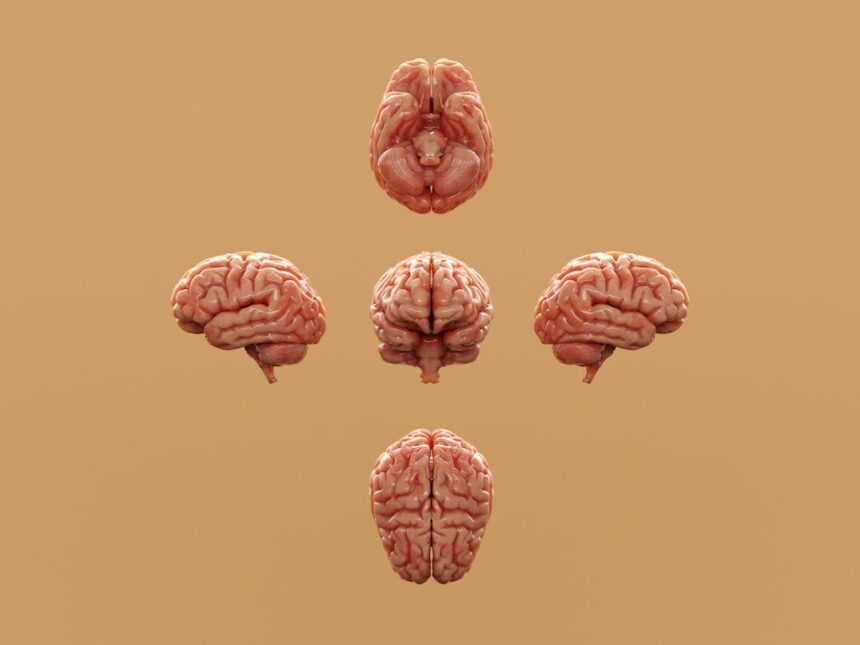
The human mind, a universe of thoughts, emotions, and motivations, is a perpetual source of fascination. Understanding why individuals act as they do, why societies function, and why personal experiences shape us so profoundly has been a quest for millennia. At the heart of this exploration lies psychology, the scientific study of the mind and behavior. Psychology offers a powerful lens through which to decipher the complexities of human existence, providing frameworks and theories that illuminate the intricate tapestry of our inner and outer worlds. It is not merely an academic pursuit; its principles permeate our daily lives, influencing our relationships, our work, and our understanding of ourselves and others.
Psychology is not a monolithic discipline but rather a vibrant field comprised of diverse theoretical orientations, each offering a unique perspective on the human condition. These foundational perspectives, developed over time, provide the bedrock upon which contemporary psychological research and practice are built. Examining these distinct viewpoints allows for a richer, more nuanced appreciation of the multifaceted nature of human behavior.
The Biological Underpinnings: The Brain and Behavior
One of the most fundamental perspectives in psychology emphasizes the intricate connection between our biology and our behavior. This biological perspective posits that our thoughts, emotions, and actions are deeply rooted in the physical structure and functioning of our brains and nervous systems.
Neurotransmitters and Mood Regulation
The intricate dance of chemical messengers within the brain, known as neurotransmitters, plays a crucial role in regulating mood, motivation, and cognitive function. For instance, serotonin is widely recognized for its influence on happiness and well-being, while dopamine is associated with reward and motivation. Imbalances in these neurotransmitters can contribute to a range of psychological conditions, from depression to addiction, highlighting the profound impact of our neurochemistry on our psychological state. Understanding these biochemical pathways offers insights into potential therapeutic interventions and the biological basis of mental health.
Genetics and Predispositions
The role of heredity in shaping behavior is another significant area within the biological perspective. While our genes do not entirely dictate our destiny, they can create predispositions towards certain traits, temperaments, and even psychological disorders. Twin studies and adoption studies have been instrumental in disentangling the contributions of genetics and environment, revealing that many psychological characteristics are influenced by both. This understanding emphasizes the importance of recognizing individual genetic makeup when considering behavior and mental health.
The Endocrine System and Stress Response
Beyond the nervous system, the endocrine system, with its production of hormones, also exerts a significant influence on behavior. Hormones like cortisol, released during stressful situations, can impact our mood, cognitive abilities, and even our physical health. The way our bodies and minds respond to stress, mediated by hormonal fluctuations, is a critical area of study with implications for managing anxiety, burnout, and other stress-related conditions.
The Behavioral Revolution: Learning and Observable Actions
Emerging in the early 20th century as a reaction against more introspective approaches, behaviorism shifted the focus of psychology to observable behaviors and the processes of learning. This perspective argues that behavior is primarily learned through interaction with the environment, emphasizing the role of conditioning.
Classical Conditioning: Associating Stimuli
Pioneered by Ivan Pavlov, classical conditioning demonstrates how an organism can learn to associate a neutral stimulus with an unconditioned stimulus that naturally elicits a response. The famous experiments with dogs, where they learned to salivate at the sound of a bell previously paired with food, illustrate this principle. This form of learning underpins many of our automatic responses, from phobias to conditioned preferences for certain foods or music. Understanding classical conditioning is key to understanding how we develop certain fears and attractions.
Operant Conditioning: Rewards and Punishments
B.F. Skinner further developed behavioral principles with operant conditioning, which focuses on how consequences shape voluntary behaviors. Behaviors followed by reinforcement (rewards) are more likely to be repeated, while those followed by punishment are less likely to occur. This concept is widely applied in areas such as education, parenting, and animal training, where the strategic use of reinforcement can encourage desired behaviors and discourage undesirable ones. The power of reinforcement, whether it be praise, tangible rewards, or the avoidance of negative outcomes, is a potent force in shaping our actions.
Social Learning Theory: Observation and Imitation
Albert Bandura expanded on behaviorism with his social learning theory, which highlights the importance of observational learning, imitation, and modeling. This perspective suggests that we learn a great deal by watching others and the consequences of their actions. Children, in particular, learn extensively through observing their parents, peers, and media figures. This understanding is crucial for comprehending the transmission of cultural norms, the development of aggression, and the acquisition of complex social skills. The ripple effect of observed behaviors, both positive and negative, is a profound aspect of human development.
The Cognitive Revolution: Mental Processes and Information Processing
In contrast to the strict focus on observable behavior, the cognitive revolution in psychology emphasized the importance of internal mental processes, such as thinking, memory, problem-solving, and decision-making. This perspective views the mind as an active information processor, akin to a computer.
Memory: Encoding, Storage, and Retrieval
The ability to remember past events and learn from them is fundamental to human existence. Cognitive psychology delves into the complex processes of memory, exploring how information is encoded, stored, and retrieved. Understanding the different types of memory—sensory, short-term, and long-term—and the mechanisms by which they operate provides crucial insights into learning difficulties, memory disorders like Alzheimer’s, and strategies for improving memory function. The robustness and fragility of our memories are central to our sense of self and our ability to navigate the world.
Problem-Solving and Decision-Making Strategies
How do we approach challenges and make choices? Cognitive psychology investigates the diverse strategies people employ in problem-solving and decision-making. From algorithms that guarantee a solution to heuristics that offer quick, though not always optimal, shortcuts, understanding these processes sheds light on human rationality, biases, and the factors that influence our judgments. This is critical in fields ranging from artificial intelligence to consumer psychology. The often-unconscious mental shortcuts we take can lead to both brilliant insights and significant errors.
Perception and Attention: Making Sense of the World
Our perception of the world is not a passive reception of sensory information but an active construction shaped by our cognitive processes. Psychology explores how we attend to certain stimuli while filtering out others, and how our brains interpret sensory input to create a coherent understanding of our surroundings. Illusions, for example, reveal the often-unreliable nature of perception and the active role of the mind in constructing reality. Our attentional filters are crucial for navigating a world saturated with information, yet they can also lead us to miss important cues.
The Psychodynamic Approach: Unconscious Drives and Early Experiences
Sigmund Freud’s psychodynamic theory brought to the forefront the concept of the unconscious mind and the enduring impact of early childhood experiences on personality and behavior. This perspective suggests that much of our behavior is driven by unconscious desires, conflicts, and defenses.
The Unconscious Mind: Hidden Motivations
Freud proposed that a significant portion of our mental life operates outside of conscious awareness. This unconscious realm, he argued, contains repressed memories, instinctual drives (such as aggression and sexuality), and unresolved conflicts that exert a powerful influence on our thoughts, feelings, and actions. Techniques like dream analysis and free association were developed to access these unconscious dynamics, offering a glimpse into the hidden currents that shape our behavior. The notion of an unconscious mind continues to be debated and explored in various forms.
Psychosexual Stages of Development
Freud’s theory also outlined a series of psychosexual stages through which individuals progress during childhood. Each stage is characterized by a focus on a particular erogenous zone and associated developmental tasks. Fixation at any of these stages, due to unmet needs or excessive gratification, could, according to Freud, lead to specific personality traits and psychological problems in adulthood. While many aspects of this theory have been challenged, its emphasis on the lasting significance of early developmental experiences remains influential.
Defense Mechanisms: Coping with Anxiety
To protect themselves from anxiety arising from unconscious conflicts, individuals employ defense mechanisms. These are unconscious psychological strategies, such as repression, denial, and projection, that distort reality in order to manage unacceptable thoughts or feelings. While defense mechanisms can be adaptive in the short term, their overuse can hinder personal growth and contribute to psychological distress. Recognizing these mechanisms in ourselves and others can be a step towards greater self-awareness and healthier coping strategies.
The Humanistic Perspective: Self-Actualization and Free Will
Emerging as a counterpoint to both psychodynamic and behavioral theories, the humanistic perspective emphasizes the inherent goodness of people, their capacity for growth, and their drive towards self-actualization. This viewpoint champions free will and the subjective experience of the individual.
Self-Actualization: Reaching One’s Potential
Carl Rogers and Abraham Maslow were key figures in humanistic psychology, proposing that individuals have an innate drive to reach their full potential, a concept known as self-actualization. This involves becoming the best version of oneself, pursuing personal growth, and living a meaningful life. Humanistic psychology focuses on fostering conditions that support this natural tendency, such as empathy, unconditional positive regard, and authenticity. The pursuit of personal meaning and fulfillment is a central theme in this optimistic outlook.
The Hierarchy of Needs
Abraham Maslow’s hierarchy of needs suggests that individuals are motivated to fulfill a series of needs, progressing from basic physiological requirements to higher-level psychological needs. Until lower-level needs are met, individuals are unlikely to focus on higher-level aspirations like belongingness, esteem, and ultimately, self-actualization. Understanding this hierarchy can inform approaches to motivation, education, and therapeutic interventions, recognizing that fundamental needs must be addressed for individuals to thrive.
Personal Growth and Subjective Experience
The humanistic approach places immense value on the individual’s subjective experience and their capacity for personal growth. It encourages empathy and understanding, recognizing that each person’s journey is unique. Therapies rooted in this perspective, such as client-centered therapy, aim to create a supportive environment where individuals can explore their feelings, gain self-awareness, and take ownership of their lives. The belief in an individual’s inherent capacity for positive change is a cornerstone of this perspective.
Psychology offers profound insights into human behavior, exploring the intricate interplay between thoughts, emotions, and actions. For a deeper understanding of this topic, you can refer to the article available at Unplugged Psychology, which delves into various psychological theories and their implications for everyday life. This resource highlights how psychological principles can illuminate the reasons behind our decisions and interactions, shedding light on the complexities of human nature.
Unraveling Social Dynamics: The Psychology of Groups and Relationships
Human beings are inherently social creatures. Our interactions with others, the groups we belong to, and the relationships we form profoundly shape our thoughts, feelings, and behaviors. Social psychology offers a powerful framework for understanding these intricate social dynamics.
Conformity and Social Influence: The Power of the Group
One of the most striking phenomena studied in social psychology is conformity—the tendency to adjust one’s thoughts, feelings, or behaviors to match those of others. This can be driven by a desire to fit in (normative influence) or a genuine belief that the group is correct (informational influence).
Asch’s Conformity Experiments
Solomon Asch’s groundbreaking experiments revealed the surprising extent to which individuals will conform to group pressure, even when the majority opinion is clearly incorrect. These studies highlighted the powerful influence of social norms and the desire for social acceptance, demonstrating that our perceptions and judgments can be swayed by the opinions of others. The discomfort of standing alone against a group can be a powerful motivator to align oneself with the majority.
Obedience to Authority: Milgram’s Controversial Studies
Stanley Milgram’s controversial experiments explored obedience to authority figures, demonstrating that ordinary individuals can be induced to inflict harm on others when instructed by an authority. These studies raised profound ethical questions about the nature of obedience and the influence of situational factors on behavior, showing that when an authority figure is present, individuals may abdicate their own moral judgment. The power of a perceived legitimate authority can override individual conscience.
Prejudice and Discrimination: Understanding Intergroup Relations
The study of prejudice—preconceived judgments or opinions about a group—and discrimination—unfair treatment of individuals based on group membership—is a critical area of social psychology. Understanding the psychological roots of these harmful behaviors is essential for fostering more equitable societies.
Stereotypes and Their Formation
Stereotypes are oversimplified generalizations about groups of people. They can be formed through cognitive shortcuts, social learning, and group dynamics. While some stereotypes may appear neutral, they often carry negative connotations and can lead to prejudice and discrimination. The automatic nature of stereotype activation highlights the ingrained biases that can affect our perceptions.
The Contact Hypothesis and Reducing Prejudice
The contact hypothesis suggests that under certain conditions, increased interaction between members of different groups can reduce prejudice. This often involves equal status, common goals, intergroup cooperation, and institutional support. Creating opportunities for meaningful intergroup contact can break down barriers and foster understanding. The power of positive shared experiences to dismantle negative biases is a key insight.
Attraction and Relationships: The Dynamics of Connection
Why are we drawn to certain individuals? Social psychology explores the factors that contribute to attraction and the dynamics of interpersonal relationships, from friendships to romantic partnerships.
Proximity, Similarity, and Physical Attractiveness
Proximity (being physically near others), similarity (sharing common interests and values), and physical attractiveness are consistently identified as significant factors in initial attraction. These elements create opportunities for interaction and establish common ground, laying the foundation for connection. The simple act of being in someone’s orbit can significantly increase the likelihood of a relationship forming.
Theories of Love and Relationship Maintenance
Various theories attempt to explain the complexities of love, from passionate, early-stage infatuation to companionate love characterized by intimacy and commitment. Social psychology also examines the factors that contribute to the maintenance and dissolution of relationships, including communication, conflict resolution, and shared experiences. Understanding these dynamics is vital for building and sustaining healthy, fulfilling connections.
Developmental Pathways: Understanding Lifespan Changes

Human beings are not static; we undergo continuous development from conception to death. Developmental psychology examines the systematic changes and continuities that occur throughout the lifespan, from infancy to old age.
Infancy and Early Childhood: The Foundations of Being
The earliest years of life are critical for establishing foundational cognitive, social, and emotional skills. Psychologists study how infants learn about their world, form attachments, and develop a sense of self.
Attachment Theory: The Importance of Bonds
Developed by John Bowlby and Mary Ainsworth, attachment theory highlights the profound importance of early bonds between infants and their caregivers. Secure attachments provide a foundation of trust and security, influencing future relationships and emotional well-being. The quality of these early connections can cast a long shadow over an individual’s life.
Piaget’s Stages of Cognitive Development
Jean Piaget’s influential theory proposed that children progress through distinct stages of cognitive development, each characterized by different ways of thinking and understanding the world. From the sensorimotor stage to the formal operational stage, Piaget’s work revolutionized our understanding of how children’s minds mature. The idea of distinct stages, each with its own unique logic, offered a groundbreaking perspective on childhood cognition.
Adolescence and Emerging Adulthood: Identity and Independence
Adolescence is a period of significant physical, cognitive, and social change, marked by the search for identity and a growing desire for independence. Emerging adulthood, a relatively new concept, describes the transitional period between adolescence and full adulthood.
Identity Formation: Who Am I?
Erik Erikson’s theory of psychosocial development identifies identity versus role confusion as a key crisis of adolescence. This is a period of exploration and experimentation as individuals grapple with questions of who they are, what they believe in, and where they are going in life. The struggle to forge a coherent sense of self is a hallmark of this stage.
Peer Influence and Risk-Taking Behavior
During adolescence, peer relationships often gain prominence, and peer influence can significantly impact behavior. This is also a period often associated with increased risk-taking, driven by factors such as novelty-seeking, sensation-seeking, and the evolving adolescent brain. Understanding these influences is crucial for promoting healthy choices.
Adulthood and Old Age: Sustaining and Reflecting
Life in adulthood and old age involves navigating diverse roles, maintaining relationships, and adapting to life transitions. Developmental psychology explores the challenges and opportunities of these later life stages.
Midlife Transitions and Existential Concerns
The period of midlife can be a time of reassessment, with individuals often reflecting on their accomplishments and future goals. This can be accompanied by existential concerns about life’s meaning and purpose. Recognizing these transitions can foster a greater appreciation for the richness of adult life.
Successful Aging and Cognitive Decline
Developmental psychology also examines the processes of aging, including the potential for successful aging, characterized by engagement, well-being, and adaptation. Research also investigates cognitive changes that occur with age, including both declines in certain functions and the potential for wisdom and expertise. The idea of “successful aging” emphasizes agency and a proactive approach to maintaining quality of life.
Mental Health and Well-being: Navigating Challenges and Fostering Resilience
Perhaps one of the most practical and impactful applications of psychology lies in its understanding and treatment of mental health issues. Psychology provides frameworks for identifying, understanding, and alleviating psychological distress, as well as promoting overall well-being.
Understanding Psychological Disorders: Causes and Manifestations
Psychological disorders encompass a wide range of conditions that affect a person’s thinking, feeling, mood, and behavior. Psychology employs various models to understand the complex interplay of biological, psychological, and social factors that contribute to their development.
The Diathesis-Stress Model
This model suggests that psychological disorders arise from an interaction between a predisposition (diathesis) and environmental stressors. Individuals may have a genetic or biological vulnerability, but a significant life event or stressor may be required to trigger the onset of the disorder. This highlights that vulnerability alone does not guarantee illness.
Common Psychological Disorders: Anxiety, Depression, and Schizophrenia
Psychology offers in-depth study into specific disorders, such as anxiety disorders (characterized by excessive fear and worry), depressive disorders (marked by persistent sadness and loss of interest), and schizophrenia (a severe disorder affecting thought processes and perception). Understanding the symptoms, causes, and potential treatments for these conditions is crucial for providing effective care.
Therapeutic Interventions: Pathways to Healing
Psychology offers a diverse array of therapeutic approaches designed to help individuals overcome psychological challenges and improve their mental health. These interventions are tailored to specific disorders and individual needs.
Cognitive Behavioral Therapy (CBT)
CBT is a widely used and highly effective therapeutic approach that focuses on identifying and challenging distorted thoughts and maladaptive behaviors. By changing negative thinking patterns and developing more constructive coping strategies, individuals can alleviate symptoms of depression, anxiety, and other conditions. The focus on present-day thoughts and behaviors makes CBT a practical and goal-oriented therapy.
Psychodynamic Therapy: Exploring Past Influences
Drawing from psychodynamic principles, this form of therapy aims to help individuals gain insight into unconscious conflicts and unresolved issues from their past that may be contributing to current difficulties. By bringing these unconscious elements into conscious awareness, individuals can begin to work through them.
Other Therapies: Mindfulness-Based and Humanistic Approaches
Beyond CBT and psychodynamic therapy, a range of other approaches exist, including mindfulness-based therapies that emphasize present-moment awareness and acceptance, and humanistic therapies that focus on self-exploration and personal growth. The diversity of therapeutic options allows for personalized treatment plans.
Promoting Well-being and Resilience: Beyond Illness
Psychology also actively promotes positive mental health and well-being, focusing on building resilience and fostering a fulfilling life, even in the absence of diagnosed disorders.
Positive Psychology: The Science of Flourishing
Positive psychology shifts the focus from pathology to the study of human strengths and virtues. It explores what makes life worth living, focusing on concepts like happiness, gratitude, optimism, and engagement. The goal is to help individuals flourish and live more meaningful lives.
Resilience: Bouncing Back from Adversity
Resilience is the capacity to adapt well in the face of adversity, trauma, tragedy, threats, or significant sources of stress. Psychology investigates the factors that contribute to resilience, such as strong social support, a sense of purpose, and effective coping skills, and explores ways to cultivate these protective qualities. The ability to not just survive but thrive in the face of challenges is a key area of study.
Psychology offers profound insights into human behavior, exploring the intricate interplay between thoughts, emotions, and actions. For a deeper understanding of this fascinating subject, you might find it interesting to read an article on the topic at Unplugged Psychology, which delves into various psychological theories and their implications for everyday life. By examining these concepts, we can better appreciate the complexities of our motivations and the factors that shape our decisions.
The Broader Impact: Psychology in Society and Beyond
| Metrics | Data |
|---|---|
| Percentage of human behavior explained by psychology | Estimated to be around 50-60% |
| Factors influencing human behavior | Genetics, environment, culture, and individual experiences |
| Types of behaviors explained by psychology | Cognitive processes, emotions, social interactions, and mental health |
| Limitations of psychology in explaining behavior | Complexity of human behavior, individual differences, and the influence of other disciplines |
The principles and findings of psychology extend far beyond the individual and the therapeutic setting. Its insights have a profound and pervasive influence on numerous aspects of society and continue to shape our understanding of ourselves and the world.
Psychology in Education: Enhancing Learning and Development
Educational psychology applies psychological principles to understand and improve the learning process. This includes studying how students learn, developing effective teaching strategies, assessing student progress, and addressing learning disabilities.
Learning Theories in the Classroom
Understanding theories of learning, from behaviorist principles of reinforcement to constructivist approaches that emphasize active knowledge creation, informs how educators design curricula and deliver instruction. The goal is to create environments that foster optimal learning for all students.
Motivation and Engagement in Education
Educational psychologists also focus on understanding what motivates students and how to foster their engagement in learning. This involves creating supportive classroom environments, designing intrinsically motivating activities, and helping students develop self-efficacy.
Psychology in the Workplace: Productivity and Well-being
Industrial-organizational psychology (I-O psychology) applies psychological principles to the workplace, focusing on improving employee performance, satisfaction, and overall organizational effectiveness.
Employee Selection and Training
I-O psychologists develop scientifically validated methods for selecting the most suitable candidates for jobs and design effective training programs to enhance employee skills and knowledge. This ensures a better fit between individuals and their roles.
Leadership, Motivation, and Team Dynamics
Understanding the psychology of leadership, employee motivation, and effective team dynamics is crucial for creating productive and positive work environments. I-O psychology provides insights into how to foster collaboration, resolve conflicts, and inspire employees.
Psychology in Marketing and Consumer Behavior: Understanding Consumer Choices
Marketing and advertising heavily rely on psychological principles to understand why consumers make certain purchasing decisions. This field explores consumer motivations, decision-making processes, and the influence of advertising on behavior.
Persuasion and Influence Techniques
Marketers utilize principles of persuasion, such as social proof, authority, and scarcity, to influence consumer choices. Understanding these techniques helps consumers make more informed decisions and be aware of potential manipulation.
Branding and Consumer Identity
Psychology plays a role in understanding how brands are perceived and how they become associated with consumer identities. Creating strong brand loyalty often involves tapping into consumers’ values, aspirations, and emotional connections.
Psychology in Law and Forensics: The Justice System
Forensic psychology applies psychological principles to the legal system, including criminal profiling, eyewitness testimony, jury selection, and the assessment of competency.
Eyewitness Testimony: Accuracy and Reliability
The reliability of eyewitness testimony is a critical concern in the justice system. Psychology has illuminated the factors that can influence the accuracy of memory and identification, helping to prevent wrongful convictions. The fallibility of human memory is a key area of psychological inquiry in this context.
Criminal Profiling and Offender Behavior
Forensic psychologists may use psychological principles to develop profiles of unknown offenders based on crime scene evidence. This aims to narrow down suspect pools and understand the motivations behind criminal acts.
In conclusion, psychology offers an indispensable toolkit for comprehending the vast spectrum of human behavior. From the intricate workings of the brain to the complex dynamics of social interaction, and from the developmental journey of a lifetime to the challenges and triumphs of mental well-being, psychology provides illuminating insights. Its applications are far-reaching, shaping our understanding of education, the workplace, consumer choices, and even the justice system. As we continue to explore the depths of the human mind, the power of psychology will undoubtedly remain central to our quest for knowledge, fostering greater self-awareness, promoting healthier societies, and ultimately, enriching the human experience.

What Did Harvard Do to Ted Kaczynski?
FAQs
What is psychology?
Psychology is the scientific study of the mind and behavior. It encompasses a wide range of topics including perception, cognition, emotion, personality, and social interactions.
How much can psychology explain human behavior?
Psychology can provide valuable insights into human behavior by examining the underlying cognitive, emotional, and social processes that influence our actions. However, it is important to note that human behavior is complex and can be influenced by a multitude of factors, including genetics, environment, and individual differences.
What are some key theories in psychology that explain human behavior?
Some key theories in psychology that explain human behavior include the psychoanalytic theory, behaviorism, cognitive psychology, and social psychology. These theories offer different perspectives on how and why people behave the way they do.
Can psychology predict human behavior?
While psychology can provide valuable insights into human behavior, it is not always able to predict individual behavior with complete accuracy. Human behavior is influenced by a wide range of factors, making it difficult to predict with certainty.
How does psychology contribute to understanding and improving human behavior?
Psychology contributes to understanding and improving human behavior by providing evidence-based insights into the factors that influence behavior. This knowledge can be used to develop interventions and strategies to promote positive behavior change and improve overall well-being.