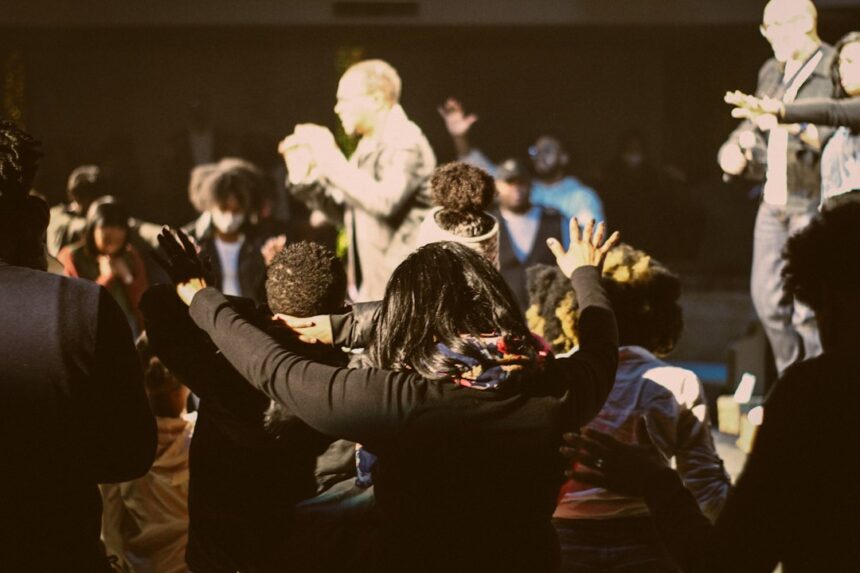
You’re caught in a surge. The crowd around you is a restless sea, a pulsing organism with its own momentum. Perhaps it’s a concert, a protest, or a moment of unexpected emergency. Your first instinct might be self-preservation, a tightening of your personal space. But then, you see it. A hand reaches out. A voice calls out, not in panic, but in reassurance. This is where the extraordinary happens, where the collective spirit of humanity can transform chaos into calm, and isolation into connection. This is the power of helping behavior in crowds, a force that can foster unity and ensure safety in ways you might not have considered.
Understanding the Crowd Dynamic
When you find yourself immersed in a crowd, it’s important to recognize that you are part of something larger than yourself. Crowds aren’t just collections of individuals; they are complex social systems with emergent properties. Understanding these dynamics can help you navigate them more effectively and appreciate the role you can play in shaping their behavior. Your individual actions, even seemingly small ones, can ripple outward, influencing the mood and actions of those around you.
The Psychology of the Collective
At its core, crowd behavior is a fascinating interplay of individual psychology and social influence. While some theories have historically painted crowds as inherently irrational or prone to mob mentality, contemporary research offers a more nuanced perspective. You are not simply a passive member of a faceless mass. Your own cognitive processes, your emotional state, and your perception of the situation all contribute to your behavior within the crowd. When you’re surrounded by others, your senses are heightened, and your attention can be drawn to cues from those around you. This can lead to a phenomenon known as deindividuation, where your sense of personal identity can diminish, making you more susceptible to group norms and behaviors. However, this doesn’t automatically equate to negative actions. In fact, the same social cues can amplify prosocial tendencies, leading to acts of unexpected kindness and cooperation. Consider how a shared moment of joy at a festival can create a palpable sense of camaraderie, or how a collective gasp of concern during a minor incident can unite strangers in a common feeling. Your own internal state – whether you feel anxious, excited, or calm – will also influence how you perceive and react to the crowd around you.
The Emergent Properties of Group Action
When you join a crowd, you contribute to its emergent properties. These are behaviors and characteristics that arise from the interaction of individuals, and which are not present in any single individual alone. Think of it like a flock of birds or a school of fish. No single bird or fish dictates the entire pattern of movement; instead, simple rules followed by each individual lead to complex, synchronized behavior for the group. In human crowds, this can manifest in incredible ways. During a concert, the collective roar of the audience can create an electrifying atmosphere. During a natural disaster, strangers might spontaneously organize to clear debris or provide aid. This emergent behavior isn’t pre-planned; it arises organically from the dynamic interactions between people, their shared goals, and the environmental context. Your own willingness to participate, to follow cues, or to offer assistance directly contributes to these emergent phenomena, shaping whether the crowd leans towards disorder or towards constructive action.
Environmental and Situational Factors
The environment and the specific situation you are in play a crucial role in shaping crowd behavior. A dimly lit, enclosed space can amplify feelings of claustrophobia and anxiety, potentially leading to more agitated behavior. Conversely, an open, well-lit area might encourage more relaxed interactions. The nature of the event itself is also a significant factor. A sporting event where the home team scores will elicit a very different crowd response than a tense political rally. The presence or absence of clear authority figures or organizers can also influence how a crowd behaves. When you’re in a crowd, your perception of these external factors will significantly impact your own actions and those of others. For instance, if you perceive a situation as escalating and there are no visible security personnel, you might feel a greater sense of personal responsibility to maintain order or assist others.
In exploring the dynamics of helping behavior in crowds, a fascinating article can be found on Unplugged Psychology that delves into the psychological mechanisms behind why individuals may or may not intervene in emergency situations. This resource provides valuable insights into factors such as diffusion of responsibility and social influence, which can significantly impact the likelihood of assistance being offered in group settings. For more information, you can read the article here: Unplugged Psychology.
The Ripple Effect of Prosocial Behavior
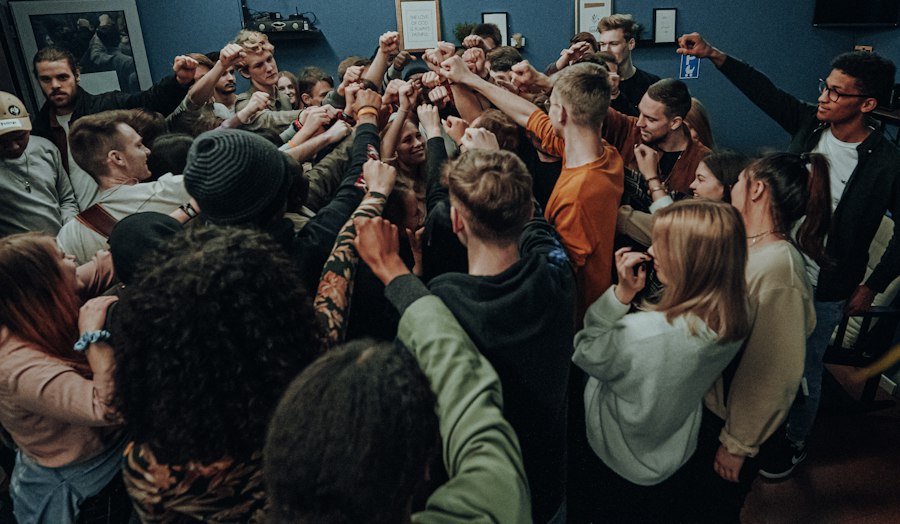
When you choose to act with kindness and helpfulness in a crowd, you initiate a powerful ripple effect. Your actions are not isolated events; they are observed, interpreted, and often emulated by those around you. This is the essence of how unity and safety can be fostered, not through top-down mandates, but through the organic spread of positive behaviors.
Witnessing and Emulation
You are a keen observer, and this is particularly true in a crowd. When you witness someone else performing an act of kindness – perhaps helping someone who has fallen, sharing water, or offering directions – you are more likely to consider doing the same. This is rooted in our innate social nature and the concept of social learning. You learn by watching others. If you see that helping behavior is the norm in a particular situation, you are more inclined to adopt it yourself. This can be incredibly powerful in shifting the overall atmosphere of a crowd. Imagine a scenario where someone drops their belongings. If the first few people who notice simply walk by, the likelihood of anyone else stopping decreases. However, if the first person to see the mishap stops to help, you are far more likely to join in, and soon, a small act of concern can become a collective effort. This emulation isn’t just about direct imitation; it’s also about internalizing the value of helpfulness, recognizing that it’s a desirable and effective way to interact within a group.
The Contagion of Calm and Concern
Your emotional state can also be contagious within a crowd. If you react to a situation with panic and alarm, your anxiety can spread like wildfire, potentially escalating tension. Conversely, if you approach a situation with a sense of calm and a genuine concern for others, your demeanor can have a pacifying effect. This is particularly crucial during moments of uncertainty or mild disruption. When you project a sense of control and empathy, you signal to others that the situation is manageable and that mutual support is available. Think about the difference between a crowd reacting to a sudden loud noise. If everyone immediately starts screaming and pushing, the situation can quickly become dangerous. But if a few individuals remain calm, perhaps looking to see the source of the noise and offering reassuring words to those nearby, that calmness can spread, preventing a stampede. Your ability to manage your own emotions and to project a helpful attitude directly contributes to the collective emotional temperature of the crowd.
Building Bridges Between Strangers
Helping behavior in crowds is a remarkable tool for building bridges between people who might otherwise remain strangers. In our everyday lives, we often interact within established social circles. But in a crowd, you are exposed to a diverse range of individuals. When you offer assistance to someone you don’t know, you break down barriers and create a fleeting but meaningful connection. This shared experience of helping can foster a sense of common humanity, reminding you that despite your differences, you are all capable of empathy and cooperation. Consider a large event where someone is clearly disoriented or struggling. Your offer of assistance, however small, can transform their experience from one of isolation and confusion to one of feeling supported and cared for. This act, in turn, can inspire others to be more attentive to those around them, creating a more inclusive and supportive environment for everyone.
Facilitating Safety Through Collective Action

The most tangible outcome of widespread helping behavior in crowds is enhanced safety. When individuals are willing to look out for one another, the collective becomes a much more robust defense against potential dangers, whether they are accidents, unforeseen events, or even deliberate malicious acts.
Early Warning and Mutual Aid
In a crowd, you are a distributed sensor system. Your eyes and ears, combined with those of everyone else, can detect potential hazards much faster than any single observer or security team. If you notice someone in distress, an unattended suspicious package, or a developing bottleneck, your immediate action to alert others or to offer assistance can be critical. This creates a powerful network of mutual aid. For instance, if someone stumbles and falls in a dense crowd, the quicker people around them react to help them up, the less likely they are to be trampled. This proactive approach, where you are encouraged and empowered to look out for your fellow crowd members, significantly reduces the risk of individual incidents escalating into larger emergencies. The collective vigilance you provide acts as an invaluable early warning system.
De-escalation and Crowd Control
In situations where tension might arise, individual acts of de-escalation can be incredibly effective. If you notice a minor conflict brewing, your calm intervention, perhaps by gently separating individuals or by speaking in a soothing tone, can prevent the situation from worsening. This isn’t about taking on the role of an authority figure, but about using your presence and your empathy to diffuse potential aggression. When multiple individuals adopt this approach, they can collectively manage the mood of the crowd, preventing the spread of agitation and ensuring a safer environment for everyone. This demonstrates that effective crowd management doesn’t always require force; it can also be achieved through the power of human connection and a shared desire for a peaceful outcome.
Providing Support in Emergencies
During an actual emergency, such as a fire alarm or a medical issue, the presence of a helpful crowd can be life-saving. Imagine someone experiencing a medical emergency. A crowd where people are willing to step forward, clear a path for medical personnel, offer comfort to the individual, or even provide basic first aid if they are trained, can make a critical difference in the outcome. This proactive support system, built on the foundation of willingness to help, far surpasses what any single individual or even a small group of professionals could achieve alone. Your willingness to step out of your immediate self-interest and to offer support can directly contribute to the well-being and survival of others.
Cultivating a Culture of Helping
Fostering widespread helping behavior in crowds isn’t something that happens by accident. It requires a conscious effort to cultivate a culture where such actions are encouraged, recognized, and valued. This starts with understanding how to promote these behaviors and how to empower individuals to act.
Encouraging Bystander Intervention
You might be hesitant to intervene in a situation, perhaps due to fear, uncertainty, or a belief that someone else will act. This is a common psychological phenomenon known as the bystander effect. However, you can overcome this by understanding that your intervention, even if it seems small, can be crucial. Education and training programs that emphasize the importance of bystander intervention can empower you to act. Knowing that you have the capacity and the courage to help can shift your mindset from passive observation to active participation. This can involve learning simple de-escalation techniques or understanding how to effectively communicate a potential hazard to others. The goal is to equip you with the confidence and the knowledge to step in when needed.
The Role of Promoters and Organizers
The individuals and organizations responsible for managing crowds – event organizers, security personnel, community leaders – have a significant role to play. They can actively promote helping behaviors through clear communication, visible signage that encourages mutual support, and by setting a positive example themselves. Creating an environment where helpfulness is explicitly encouraged, rather than just assumed, can make a substantial difference. This might involve public announcements at the beginning of an event that highlight the importance of looking out for one another, or training staff to be approachable and helpful. When you see that the organizers are prioritizing and facilitating helping behavior, you are more likely to adopt it yourself.
Recognizing and Rewarding Positive Actions
Acts of kindness and helpfulness, especially in challenging crowd situations, deserve recognition. While you might not seek personal accolades, seeing that your efforts are acknowledged can reinforce the behavior and inspire others. This doesn’t need to be grand gestures. A simple “thank you” from an event organizer, a positive mention in post-event feedback, or even a collective acknowledgment of the crowd’s cooperative spirit can go a long way. When helpfulness is celebrated, it becomes a more ingrained part of the crowd’s collective identity. This positive reinforcement loop ensures that the spirit of helping is not only a momentary occurrence but a sustained characteristic of how crowds can function.
Research on helping behavior in crowds reveals fascinating insights into how individuals respond in emergency situations. A related article discusses the factors that influence altruistic actions among bystanders, shedding light on the psychological mechanisms at play. For those interested in exploring this topic further, you can read more about it in this insightful piece on the subject. Understanding these dynamics can enhance our awareness of human behavior in critical moments. To learn more, visit this article.
Your Individual Impact in the Collective
| Metric | Description | Typical Values | Factors Influencing Metric |
|---|---|---|---|
| Helping Rate | Percentage of individuals in a crowd who offer assistance during an emergency | 10% – 40% | Number of bystanders, perceived danger, relationship to victim |
| Response Time | Average time (in seconds) taken for the first helper to intervene | 5 – 30 seconds | Visibility of emergency, crowd density, presence of authority figures |
| Diffusion of Responsibility | Degree to which individuals feel less personal responsibility to help in a crowd | High in groups larger than 5 people | Group size, anonymity, social norms |
| Number of Helpers | Average count of people who actively assist in a crowd situation | 1 – 3 helpers per incident | Severity of situation, crowd composition, presence of trained personnel |
| Type of Help Provided | Common forms of assistance given (e.g., verbal aid, physical intervention) | Verbal aid (60%), Physical help (30%), Calling for help (10%) | Nature of emergency, helper’s capability, cultural factors |
Ultimately, the power of helping behavior in crowds rests on your individual willingness to act. You are not merely a passive observer; you are an active participant who can shape the dynamics of any group you are a part of. Understanding this agency is the first step towards unlocking your potential to foster unity and safety.
Stepping Up When Others Hesitate
There will be moments when you are the only one who sees a need or the only one willing to act. In these instances, your courage to step forward, to offer a hand, or to speak a word of reassurance can be profoundly impactful. You might feel a sense of apprehension, but remember the potential positive cascade of your actions. Your decision to be the first helper can inspire others to follow, transforming a moment of potential peril into one of collective support. It’s about recognizing that your individual agency is amplified within the context of the group, and that your willingness to act can be the catalyst for change.
The Small Gestures That Matter
You don’t need to perform heroic feats to make a difference. Small, everyday acts of kindness can have an immense impact in a crowd. Offering a seat to someone who looks tired, helping someone navigate a crowded pathway, or simply smiling and offering a reassuring word can significantly improve the experience of those around you. These gestures contribute to a warmer, more welcoming atmosphere, and they reinforce the idea that people care about each other. It’s about recognizing that even the seemingly insignificant actions, when multiplied across a crowd, can create a powerful sense of community and shared well-being.
Becoming a Catalyst for Positive Change
By consistently demonstrating helping behavior, you can become a catalyst for positive change within any crowd. Your actions set a standard, and they can inspire those around you to adopt a more prosocial approach. You have the power to shift the collective consciousness, moving from a focus on individual survival to one of mutual support and collective care. This is the true power of helping behavior: it transforms impersonal masses into connected communities, fostering not only safety but a deeper sense of unity and shared humanity, even in the most unexpected of circumstances. You are the difference, and your willingness to help is a powerful force for good.

The Kitty Genovese Story That Changed Psychology—But Was It True?
FAQs
What is helping behavior in crowds?
Helping behavior in crowds refers to the actions taken by individuals within a group setting to assist others in need, often in emergency situations or times of crisis.
What factors influence helping behavior in crowds?
Factors such as the number of people present, the level of anonymity, the perceived severity of the situation, and the diffusion of responsibility can all influence whether individuals in a crowd will offer help to someone in need.
How does the bystander effect impact helping behavior in crowds?
The bystander effect is a phenomenon where individuals are less likely to help a person in distress when others are present. In crowds, the diffusion of responsibility can lead to a decreased likelihood of someone stepping in to help due to the assumption that someone else will take action.
What are some strategies to promote helping behavior in crowds?
Strategies to promote helping behavior in crowds include increasing awareness of the bystander effect, encouraging a sense of responsibility among individuals, providing clear instructions on how to help, and fostering a sense of community and connection within the group.
How can individuals overcome barriers to helping behavior in crowds?
Individuals can overcome barriers to helping behavior in crowds by being aware of the bystander effect, taking personal responsibility for helping others, and being willing to step forward and offer assistance when needed, regardless of the actions of others in the crowd.