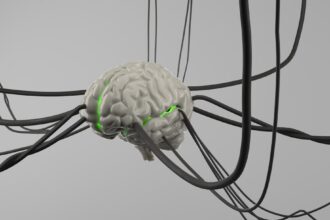
You’ve likely experienced it before, perhaps without even recognizing it. That moment when faced with a perceived threat, you freeze. Your breath hitches, your muscles tense, and you become a statue, hoping to simply disappear. This isn’t cowardice; it’s the fawn response, a deeply ingrained survival mechanism that can be as critical to your continued existence as the more readily understood fight or flight reactions. Understanding this often-overlooked facet of your nervous system’s protective repertoire is not about dwelling on the negative, but about a clearer comprehension of how you navigate danger and, ultimately, how you can foster resilience.
You are a product of millennia of evolution, and in that long history, survival was a constant, pressing concern. The ability to react to threats, whether from predators or environmental hazards, was paramount for the propagation of your lineage. While fight and flight are the more dramatic, energetic responses, the fawn response occupies a crucial, subtler territory. It’s a testament to the adaptability and complexity of your biological programming, designed to offer a diverse toolkit for navigating precarious situations.
The Threat Detection System
At its core, your brain is a sophisticated threat detection system. From the moment a potential danger registers, your nervous system kicks into action, initiating a cascade of physiological and psychological changes. The amygdala, the brain’s primal alarm center, plays a significant role in this process, quickly assessing stimuli for potential harm.
The Role of the Amygdala
This small, almond-shaped structure is your internal smoke detector. It receives sensory information from your eyes, ears, and other senses and, in a fraction of a second, determines whether a situation warrants an alert. If it signals danger, it triggers the release of stress hormones like adrenaline and cortisol, preparing your body for action. This immediate, instinctual reaction bypasses conscious thought, allowing for near-instantaneous responses in critical moments.
Sensory Input and Interpretation
The way you perceive and interpret sensory input is crucial to activating any survival response, including fawn. A sudden loud noise, an unexpected movement, or a change in your environment can all be flicked by the amygdala as potential threats. The interpretation is not always accurate; the system is designed to err on the side of caution. This hyper-vigilance, though sometimes leading to overreactions in modern contexts, was a life-saver in ancestral environments.
From Predator to Peril: Adapting the Response
The fawn response in humans is heavily influenced by social dynamics and perceived interpersonal threats, not just raw physical danger. While the instinct may have evolved in response to direct physical predation, it has adapted to the complexities of human interaction and the subtler forms of perceived danger inherent in social hierarchies and potential rejection.
Direct Predation (Ancestral Context)
Imagine a scenario in your distant past. You’re foraging, and a saber-toothed cat appears. Fighting might be impossible, and running may lead to being outmaneuvered. In such a situation, appearing non-threatening, becoming small, and minimizing visual or auditory cues could be the difference between becoming prey and being overlooked. This primal fear response, honed over countless generations, still resides within you.
Social Dynamics and Interpersonal Threats
In the modern world, the “predators” you encounter are rarely tooth and claw. Instead, threats often manifest through social dynamics. A critical boss, an angry partner, or a group dynamic where you feel out of sync can trigger a similar primal alarm. Your nervous system doesn’t always differentiate effectively between a physical threat and a perceived social humiliation or rejection.
The fawn response, a lesser-known survival strategy characterized by people pleasing and appeasement behaviors, is explored in depth in the article “Understanding the Fawn Response: A Survival Mechanism” on Unplugged Psych. This response often emerges in individuals who have experienced trauma, as they instinctively seek to avoid conflict and ensure safety by accommodating others. For more insights into this fascinating psychological phenomenon, you can read the article here: Understanding the Fawn Response: A Survival Mechanism.
The Mechanics of Freezing: How Fawn Manifests
The fawn response is characterized by a distinct set of physical and mental actions designed to de-escalate or avoid confrontation. It’s a strategy of appeasement and invisibility, born from the understanding that sometimes, the best defense is to simply not be perceived as a threat.
Physiological Responses
When your fawn response is activated, your body undergoes specific changes. These are not actions you consciously choose, but rather automatic physiological shifts aimed at minimizing your presence and appearing less challenging.
Muscle Tensing and Stillness
You might notice a sudden, involuntary tension in your muscles. This isn’t about preparing for combat; it’s about maintaining a rigid posture that can make you appear less dynamic and therefore less of a target. Your movements might become slower, more deliberate, or cease altogether, contributing to a sense of frozen immobility.
Breath Holding or Shallow Breathing
Your breathing pattern can change significantly. You might find yourself holding your breath or breathing very shallowly. This physiological response can reduce your metabolic rate and minimize the sounds you make, further contributing to an attempt at inconspicuousness. It also limits the visible signs of your internal distress.
Reduced Heart Rate and Blood Pressure (Paradoxical Inhibition)
While fight or flight typically surge your heart rate and blood pressure, the fawn response can, in some instances, lead to a paradoxical inhibition. Your autonomic nervous system, in its effort to create a state of non-reactivity, might temporarily suppress some of these vital signs. This is not a sign of collapse, but rather a complex survival mechanism aimed at conserving energy and minimizing visible signs of panic.
Psychological Manifestations
Beyond the physical, the fawn response also significantly impacts your cognitive and emotional state. You might experience a disconnect from your emotions, a sense of dissociation, or an overwhelming urge to please.
Dissociation and Detachment
A common experience during a fawn response is a feeling of being detached from your body or the situation. You might feel like an observer, watching events unfold rather than being actively involved. This dissociation can serve as a protective mechanism, making the perceived threat feel less real or impactful.
People-Pleasing and Compliance
The core of the fawn response often involves an intense drive to appease. You might find yourself agreeing with conflicting viewpoints, offering apologies even when not at fault, or going out of your way to be agreeable and helpful, all in an effort to diffuse tension and avoid conflict. This can manifest as a deep-seated desire to make the threat “like” you.
Hyper-Vigilance Coupled with Numbness
While consciously you might feel a sense of emotional numbness, your subconscious is often on high alert. Your senses are working overtime, scanning for subtle cues of danger, changes in the environment, or the mood of the perceived threat. This creates a strange dichotomy of feeling both numb and hyper-aware.
When Fawn Becomes a Pattern: Understanding the Impact
While the fawn response can be a valuable tool for immediate survival, it can become problematic when it’s your default reaction to a broad spectrum of stressors, especially in your adult life. This ingrained pattern can shape your relationships, your work, and your overall sense of self-efficacy.
The Roots in Early Development
Your early childhood experiences lay the foundation for your stress responses. If you grew up in an environment where expressing needs, assertiveness, or even negative emotions led to unpredictable consequences, rejection, or punishment, you may have learned to rely on appeasement and compliance to maintain safety and a sense of belonging.
Childhood Trauma and Neglect
Experiences of trauma, abuse, or chronic neglect in childhood can profoundly shape your nervous system’s development. In such environments, the fawn response may have been the most effective way to survive, to minimize harm, and to ensure that caregivers, even if unreliable or harmful, remained present to some degree.
Inconsistent or Unpredictable Environments
A home environment characterized by unpredictability, where a child’s needs were met erratically or where emotional outbursts from caregivers created a constant sense of unease, can foster the fawn response. Learning to anticipate and appease to maintain a semblance of stability becomes a survival imperative.
The Consequences in Adulthood
As an adult, relying on the fawn response as your primary mode of interaction can lead to a range of difficulties. You may find yourself in unhealthy relationships, struggling to set boundaries, or experiencing chronic stress and burnout.
Relationship Dynamics
In relationships, a fawn response can manifest as constant people-pleasing, an unwillingness to voice your needs, and a tendency to take on excessive responsibility to maintain peace. This can lead to imbalances of power, resentment, and a feeling of being taken advantage of.
Difficulty with Assertiveness and Boundaries
The core of the fawn response is the avoidance of confrontation. This can make it incredibly difficult for you to assert your needs, say “no,” or establish healthy boundaries with others, even when it’s detrimental to your well-being.
Chronic Stress and Burnout
Constantly being in a state of hyper-vigilance and appeasement, even if the threats are not overtly physical, is exhausting. This can lead to chronic stress, anxiety, and eventual burnout as your body and mind are perpetually on alert.
Recognizing and Reclaiming Agency
The first step towards mitigating the problematic aspects of the fawn response is to recognize when it’s being activated and to understand its origins. This self-awareness is the foundation upon which you can begin to reclaim your agency and develop more adaptive coping strategies.
Identifying the Triggers
Become an observer of your own internal and external world. What situations, people, or types of interactions tend to elicit that frozen, appeasing response in you? Keeping a journal can be a valuable tool for tracking these patterns.
Situational Triggers
Pay attention to the specific contexts that bring on the fawn response. Is it in professional settings, family gatherings, or during disagreements with friends? Identifying these situations allows you to anticipate and prepare.
Interpersonal Triggers
Certain individuals or dynamics might be particularly potent triggers. Recognizing who or what consistently evokes the fawn response in you is crucial for understanding the roots of the pattern.
Internal Triggers
Sometimes, the trigger isn’t external but internal – a negative self-thought, a fear of judgment, or a memory of past experiences. Understanding these internal cues is equally important.
Developing Self-Awareness Through Observation
This is not about judgment; it’s about objective observation. When you notice yourself fawning, take a mental step back. What are the physical sensations? What thoughts are running through your mind? What is your urge to do?
Mindful Body Scan
Practice regular body scans to become attuned to the physical manifestations of stress and the fawn response. Notice where you hold tension, how your breath feels, and any other subtle physical cues that signal your nervous system is activating its protective mechanisms.
Emotional and Cognitive Journaling
When you experience a situation where you fawned, take time to write about it. Describe the event, your internal experience, your actions, and your feelings afterward. This process can help you deconstruct the pattern and identify recurring themes.
The fawn response, often overlooked in discussions about survival strategies, highlights how individuals may adopt people-pleasing behaviors to avoid conflict and ensure safety. This instinctual reaction can be crucial in high-stress situations, allowing individuals to navigate potentially dangerous environments by appeasing others. For a deeper understanding of this phenomenon and its implications, you can explore a related article that delves into the psychological aspects of such responses at this link.
Strategies for Re-patterning and Resilience
| Survival Strategy | Fawn Response |
|---|---|
| Camouflage | Fawns have a spotted coat that helps them blend in with their surroundings, making them less visible to predators. |
| Freeze Response | When threatened, fawns often freeze in place, relying on their camouflage to avoid detection. |
| Hiding in Vegetation | Fawns seek out dense vegetation to hide from predators, using their small size to their advantage. |
| Reduced Movement | Fawns minimize their movement to avoid drawing attention to themselves, increasing their chances of survival. |
Once you’ve developed an understanding of your fawn response, you can begin to implement strategies to foster a more balanced and resilient way of navigating challenges. This isn’t about eradicating the instinct, but about developing a broader range of responses and regaining conscious control.
Cultivating a Stronger Sense of Self
A robust sense of self, grounded in your values and needs, is a powerful antidote to the appeasement inherent in the fawn response. When you know who you are and what you stand for, you are less likely to be swayed by the perceived demands of others.
Understanding Your Values and Needs
Take time to explore your core values and identify your fundamental needs. What is truly important to you? What do you require to feel safe, respected, and fulfilled? This self-knowledge provides an anchor.
Validating Your Own Experiences
Learn to trust your own perceptions and experiences. Your feelings and thoughts are valid, even if they differ from others’. This internal validation is crucial for challenging the external validation-seeking nature of the fawn response.
Practicing Assertiveness and Boundary Setting
Learning to assert your needs and set healthy boundaries is a critical skill for anyone who tends to fawn. This process requires courage and consistent practice.
Gradual Exposure to Assertive Communication
Start small. Practice expressing simple needs or opinions in low-stakes situations. Gradually increase the complexity and challenge of these interactions as you build confidence.
Learning to Say “No” Effectively
Saying “no” is not inherently aggressive. It is an act of self-preservation. Learn polite but firm ways to decline requests that you are unable or unwilling to fulfill, without excessive apologies or justifications.
Seeking Professional Support
For many, the fawn response is deeply ingrained and linked to past experiences. Professional support can provide invaluable guidance and tools to navigate this complex terrain.
Trauma-Informed Therapy
If your fawn response is rooted in past trauma, working with a therapist trained in trauma-informed approaches can be essential. They can help you safely process past experiences and develop healthier coping mechanisms.
Somatic Experiencing and Other Embodied Therapies
These therapies focus on the body’s role in stress and trauma. They can help you release stored tension and learn to regulate your nervous system, fostering a greater sense of embodied safety and control, which is crucial for moving beyond the frozen state of fawn.
Your nervous system’s capacity for the fawn response is a testament to its intricate design for survival. By understanding its mechanics, its origins, and its potential impact, you gain a more profound insight into your own behavior. This knowledge is not about self-recrimination, but about empowerment. It’s about recognizing that while this ancient mechanism may have once served you, you now have the capacity to build upon it, to integrate other responses, and to navigate the complexities of your life with greater awareness, agency, and resilience.
FAQs
What is fawn response as a survival strategy?
The fawn response is a survival strategy observed in animals, where they exhibit submissive and appeasing behaviors in the face of a threat. This behavior is often seen in prey animals when confronted by a predator.
What are some examples of fawn response in animals?
Examples of fawn response in animals include deer freezing in the presence of a predator, rabbits staying still to avoid detection, and birds feigning injury to distract predators from their nests.
How does the fawn response help animals survive?
The fawn response can help animals survive by reducing the likelihood of an attack from a predator. By exhibiting submissive behaviors, the prey animal may avoid triggering a predatory response from the predator, allowing them to escape or find safety.
Are there any drawbacks to the fawn response as a survival strategy?
While the fawn response can be effective in some situations, it may also make the animal more vulnerable to predation if the predator does not respond to the submissive behavior or if the predator is particularly aggressive.
Can humans exhibit a fawn response in certain situations?
Yes, humans can exhibit a fawn response in certain situations, such as when faced with a threatening or aggressive individual. This behavior may involve appeasing gestures, submissive body language, and attempts to avoid conflict.