The insidious whisper: How fabricated stories rewire your mind
You believe what you believe. It’s as simple as that. But have you ever stopped to question why you believe it? The bedrock of your understanding of the world, and indeed of yourself, is not always built on solid fact. More often than not, it’s constructed from narratives – stories that may be more fiction than fact, yet wield immense power in shaping your deepest psychological convictions. These are the false narratives, the whispers in the dark that, repeated often enough, become your loudest truths. They can influence your self-esteem, your relationships, your ambitions, and even your perception of reality itself. Understanding their grip on your psyche is the first step to breaking free from their often damaging hold.
In the realm of psychology, the concept of false narratives plays a crucial role in understanding how individuals construct their realities. A related article that delves deeper into this topic can be found on Unplugged Psychology, which explores the impact of cognitive biases and societal influences on personal narratives. For more insights, you can read the article here: Unplugged Psychology.
The Architects of Belief: How Narratives Take Root
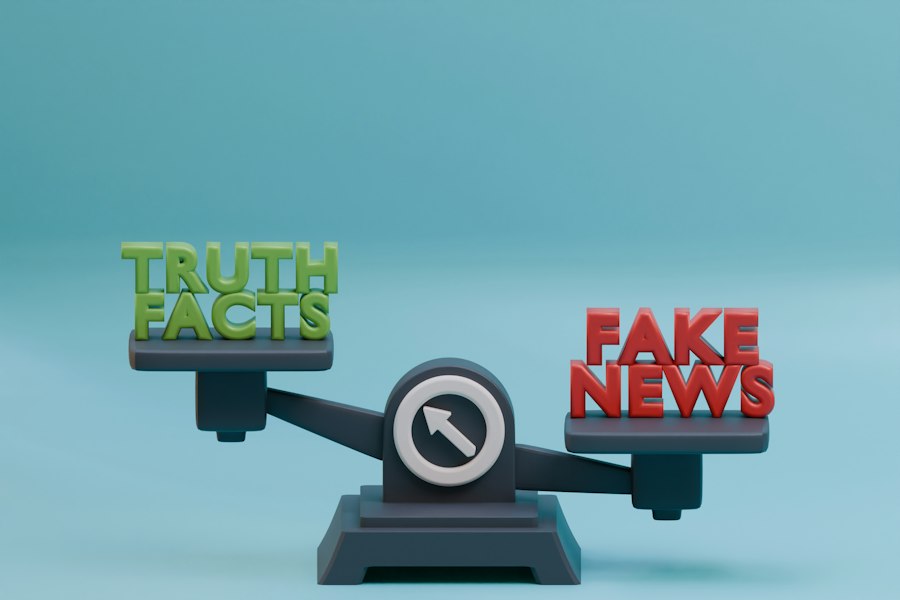
The human brain is a storytelling machine. From the earliest cave paintings to the latest social media memes, we are wired to understand and engage with the world through narratives. This inherent need for cohesive stories makes you particularly susceptible to the power of fabricated ones. False narratives, by their very nature, offer a simplified, often emotionally charged, explanation for complex phenomena. They tap into your innate biases, your emotional vulnerabilities, and your desire for belonging. When a false narrative resonates with these aspects of your psychology, it can plant itself deep within your belief system, often without you even realizing it.
The Echo Chamber Effect: Reinforcement and Repetition
One of the most potent mechanisms by which false narratives gain traction is through repetition and reinforcement. Imagine a story, whether it’s about your own past, a group you belong to, or a societal issue, that you encounter again and again. This repetition, especially when it comes from sources you trust or deem authoritative, begins to feel like validation. The more you hear it, the more probable it seems. This is the essence of the echo chamber effect. Your existing beliefs act as a filter, making you more receptive to information that confirms them and dismissive of anything that contradicts them. When a false narrative aligns with your existing biases, it’s like finding a perfect rhyme for a familiar song – it feels right, and you’re more likely to hum along. Social media algorithms, in particular, excel at creating these echo chambers, feeding you content that aligns with your past interactions, thereby amplifying any false narratives you might have encountered. This constant reinforcement solidifies the narrative in your mind, making it increasingly difficult to challenge.
Emotional Resonance: The Heart Wants What It Wants
Facts can be cold and sterile. False narratives, on the other hand, are often imbued with powerful emotions. They might tap into your fears, your hopes, your anger, or your sense of injustice. A narrative that makes you feel angry about a perceived wrong, for instance, is far more likely to stick than a dry statistical report. This emotional resonance bypasses your critical thinking faculties, directly engaging your limbic system. When a story makes you feel a strong emotion, you are more likely to internalize it, to make it part of your emotional landscape. This is particularly true for narratives that offer simple villains and heroes, providing clear targets for your emotional reactions. You might find yourself feeling a deep sense of indignation or righteous anger based on a story that, upon closer inspection, lacks any factual basis. This emotional connection can be incredibly strong, making it hard to dislodge the narrative even when presented with contrary evidence.
Social Validation: Belonging Through Shared Delusion
Humans are social creatures. The need to belong and to be accepted by your peers is a fundamental psychological drive. False narratives often thrive in the social arena, becoming shared beliefs that bind groups together. When you adopt a false narrative that is prevalent within your social circle, you are, in essence, signaling your allegiance and reinforcing your sense of belonging. This can be a powerful motivator, overriding your individual skepticism. You might find yourself nodding along to a story that you intuitively feel is suspect, simply because everyone else in the room seems to accept it. The fear of ostracism or ridicule for questioning a widely held belief can be a strong deterrent to critical thinking. This social validation makes the false narrative feel not just true, but also like the “right” thing to believe, the way to fit in and be accepted.
The Personal Toll: How False Narratives Distort Your Self-Perception
The most intimate and often most damaging impact of false narratives is on your own sense of self. These stories, whether they originate from childhood experiences, societal conditioning, or personal setbacks, can sculpt your self-esteem, dictate your capabilities, and limit your potential. You become a character in a story you didn’t write, often a less capable, less worthy version of yourself. Recognizing these narratives is crucial for reclaiming your own narrative and building a more authentic and empowering self-concept.
The Internalized Critic: Childhood Scars and Lingering Doubts
Many of the false narratives that shape your adult psychology have their roots in childhood. Remarks from parents, teachers, or peers, even if unintentional, can be absorbed and transformed into deeply ingrained beliefs about your worthiness, intelligence, or capabilities. A casual comment like “you’re not good at math” can, over time, morph into a pervasive narrative that prevents you from pursuing careers or hobbies involving numbers, regardless of your actual aptitude. These internalized criticisms become a constant internal dialogue, an insidious voice that tells you you’re not good enough, not smart enough, or not lovable enough. This inner critic is often the architect of your anxieties and self-sabotaging behaviors, subtly steering you away from opportunities that might challenge these deeply held, yet false, beliefs. You might find yourself avoiding situations where you might fail, not because you are incapable, but because the internalized narrative tells you failure is inevitable and a confirmation of your inherent inadequacy.
The Unfulfilled Potential: Limiting Beliefs and Missed Opportunities
False narratives act as invisible fences, keeping you confined to a pre-defined space. If you believe you are not creative, you will likely avoid artistic pursuits, never discovering a hidden talent. If you believe you are not charismatic, you might shy away from leadership roles, missing out on opportunities to influence and inspire. These limiting beliefs, born from fabricated stories about your inherent limitations, prevent you from exploring your full potential. They create a self-fulfilling prophecy, where your inaction based on the false narrative becomes the evidence that “proves” the narrative true. You might tell yourself you’re not ready for a promotion because you believe you lack the necessary skills, not realizing that this belief is a construct, a narrative that has been reinforced over time. This can lead to a deep sense of regret and a feeling of unfulfilled potential, a lingering question of “what if?”
The Relationship Riddles: Expectations and Misunderstandings
Your romantic relationships, friendships, and family dynamics are also heavily influenced by false narratives. You might carry beliefs about how romantic partners should behave, how friendships should function, or what constitutes a “good” family, often based on idealized portrayals in media or on unsubstantiated personal experiences. These narratives create unrealistic expectations, leading to disappointment and conflict when reality inevitably falls short. You might expect your partner to always know what you’re thinking, a narrative often perpetuated by romantic comedies, leading to frustration and resentment when they don’t. Similarly, you might believe that true friends always agree with you, a narrative that can lead to superficial relationships lacking genuine connection and support. These relationship riddles, fueled by false narratives, can create cycles of misunderstanding and emotional distance.
The Social Fabric Unravelled: Collective False Narratives and Their Consequences
Beyond the individual, false narratives possess the power to warp societal perceptions, fuel division, and influence collective behavior. When these fabricated stories gain widespread acceptance, they can shape public opinion, impact political discourse, and even lead to real-world harm. Understanding how these larger-scale narratives operate is crucial for navigating the complexities of our interconnected world.
The Us vs. Them Mentality: Stereotypes and Prejudice
One of the most destructive manifestations of collective false narratives is the creation of rigid “us vs. them” dichotomies. These narratives often rely on stereotypes, oversimplified and often negative generalizations about entire groups of people. Whether it’s about race, religion, nationality, or political affiliation, these stereotypes are rarely based on factual observation but rather on historical biases, fear, and misinformation. When you internalize these narratives, they can lead to prejudice, discrimination, and hostility towards those deemed “other.” You might find yourself making snap judgments about individuals based on their group affiliation, rather than on their individual merits, because a false narrative has pre-programmed your perception. This can create deep societal divisions, making genuine understanding and empathy incredibly challenging to achieve.
The Political Propaganda Machine: Distorting Reality for Power
Political discourse is a fertile ground for false narratives. Politicians and media outlets, often with vested interests, can skillfully craft and disseminate fabricated stories to manipulate public opinion, garner support, and demonize opponents. These narratives often appeal to primal fears and desires, offering simplistic solutions to complex problems. During election cycles, you might be bombarded with narratives designed to evoke anger, fear, or hope, often devoid of factual accuracy. These narratives can shape voting behavior, influence policy decisions, and even contribute to political polarization, making constructive dialogue and compromise nearly impossible. You might find yourself vehemently supporting a particular political stance based on a narrative that has been carefully constructed to evoke a specific emotional response, rather than on a thorough understanding of the issues.
The Spread of Misinformation: The Digital Wildfire
The advent of the internet and social media has accelerated the spread of false narratives at an unprecedented rate. Misinformation, often presented as factual news, can go viral, reaching millions before it can be debunked, if it ever is. These digital wildfires can have serious consequences, from impacting public health decisions, as seen with anti-vaccine narratives, to inciting violence. The ease with which anonymous accounts can spread fabricated stories, often designed to be sensational and emotionally engaging, makes it challenging for individuals to discern truth from falsehood. You might find yourself sharing an article that seems compelling, only to discover later that it was entirely fabricated, having inadvertently contributed to the spread of a false narrative.
In the realm of psychology, the concept of a false narrative can significantly impact an individual’s perception of reality and their mental health. A related article discusses how these misleading narratives can shape our beliefs and behaviors, ultimately influencing our decision-making processes. For those interested in exploring this topic further, you can read more about it in this insightful piece on the subject of psychological narratives found here. Understanding the implications of false narratives is crucial for both personal growth and therapeutic practices.
Breaking the Chains: Strategies for Recognizing and Releasing False Narratives
| Aspect | Description | Example | Impact on Psychology |
|---|---|---|---|
| Definition | False narrative refers to a misleading or incorrect story or explanation presented as truth within psychological contexts. | Misconception that memory is like a video recording. | Leads to misunderstandings about human cognition and memory reliability. |
| Common False Narrative | People use only 10% of their brain. | Popular myth often cited in media and self-help literature. | Misguides research priorities and public understanding of brain function. |
| Metric: Prevalence in Media | Percentage of psychology articles containing false narratives. | Estimated 30-40% in popular psychology magazines. | Contributes to widespread misinformation and stigma. |
| Metric: Impact on Therapy | Percentage of therapists reporting client beliefs based on false narratives. | Approximately 25% report clients influenced by myths like repressed memories. | Can affect treatment approaches and client outcomes. |
| Correction Efforts | Initiatives to debunk false narratives in psychology. | Educational campaigns, peer-reviewed publications, and public talks. | Improves scientific literacy and promotes evidence-based practice. |
The power of false narratives lies in their insidious nature – they operate beneath the surface of your conscious awareness. However, you are not powerless against them. By cultivating critical thinking skills, practicing self-awareness, and actively seeking out diverse perspectives, you can begin to identify and dismantle these deeply ingrained belief systems. The journey is not always easy, but the reward – a more authentic, empowered, and accurate understanding of yourself and the world – is immeasurable.
The Socratic Method Within: Questioning Your Own Assumptions
The most effective weapon against false narratives is a healthy dose of skepticism directed inward. You need to become your own Socratic questioner. When you encounter a belief, especially one that feels deeply ingrained or emotionally charged, pause and ask yourself: “How do I know this is true?” “What evidence supports this belief?” “Could there be another explanation?” Challenge the “facts” you’ve accepted without examination. Be wary of beliefs that feel too simple, too good, or too bad to be true. This internal dialogue, this willingness to interrogate your own assumptions, is the first and most crucial step in identifying the false narratives that may be holding you back. You might discover that a belief you’ve held for years is based on a single, isolated incident or on something someone told you when you were a child.
Seeking Diverse Perspectives: Stepping Outside Your Echo Chamber
Your echo chamber is a comfortable cage. To truly challenge false narratives, you must intentionally seek out perspectives that differ from your own. This means engaging with people who have different backgrounds, beliefs, and experiences. It means reading news from a variety of sources, even those you might initially disagree with. Actively listen to understand, not just to respond. By exposing yourself to a broader spectrum of ideas, you begin to see the limitations of your current narratives and the possibility of alternative truths. You might find yourself engaging in a conversation with someone who holds a diametrically opposed view, and instead of dismissing them, you genuinely try to understand their reasoning. This act of intellectual curiosity can chip away at the foundations of your own potentially false beliefs.
Cultivating Mindfulness: Observing Your Thoughts and Feelings
Mindfulness is the practice of paying attention to the present moment without judgment. For identifying false narratives, this translates to observing your thoughts and feelings as they arise. When you notice a strong emotional reaction to a piece of information, or a recurring negative thought pattern, pause and consider its origin. Is this reaction based on a solid piece of evidence, or is it a trigger from a deeply held, but potentially false, narrative? Mindfulness allows you to create a space between stimulus and response, giving you the opportunity to analyze the underlying beliefs fueling your reactions. You might become aware of a consistent pattern of self-doubt that surfaces whenever you are presented with a new challenge, and through mindful observation, you can begin to trace that doubt back to its narrative roots.
The Power of Revision: Reconstructing Your Psychological Landscape
Recognizing false narratives is only the beginning. The true power lies in actively revising them, in consciously constructing new, more accurate, and empowering beliefs. This is a process of psychological reconstruction, where you intentionally replace the old, fabricated stories with truths that serve your well-being and facilitate your growth. It requires effort, patience, and a commitment to self-discovery.
Crafting New Narratives: The Conscious Construction of Belief
Once you’ve identified a false narrative, the next step is to consciously craft a new one. This involves actively seeking out information that contradicts the old narrative and embraces evidence that supports a more realistic and positive portrayal. For example, if you’ve held the false narrative that you’re not good at public speaking, you can begin to build a new one by researching effective speaking techniques, practicing in low-stakes environments, and focusing on your progress, however small. Celebrate small victories and reframe setbacks as learning opportunities, not as confirmations of your inadequacy. This is an active and deliberate process of rewriting your internal script, replacing the discouraging lines with empowering affirmations backed by your own experiences and learning.
Building Resilience: Fortifying Your Mind Against Future Fabrications
As you become more adept at identifying and revising false narratives, you also build resilience against future fabrications. Your critical thinking skills become sharper, your emotional regulation improves, and your self-awareness deepens. This allows you to approach new information with a more discerning eye, less susceptible to the seductive power of emotionally charged but factually dubious stories. You develop an internal compass that helps you navigate the complex landscape of information, distinguishing the signal from the noise. This resilience is not about becoming cynical, but about becoming discerning, about protecting your psychological well-being by understanding the mechanisms through which your beliefs are formed and influenced.
Embracing Authenticity: Living a Life True to Yourself
The ultimate outcome of confronting and revising false narratives is the embrace of authenticity. When your beliefs are grounded in reality and reflect your true self, rather than a fabricated persona, you experience a profound sense of liberation. You are no longer bound by the limitations of stories that were never yours to begin with. You can pursue your passions with genuine enthusiasm, build authentic relationships based on mutual understanding, and contribute to the world from a place of true self-knowledge and conviction. This journey of narrative revision is not just about debunking falsehoods; it’s about reclaiming your own story, one truthful sentence at a time, and living a life that is genuinely, vibrantly, and authentically yours.

The Kitty Genovese Story That Changed Psychology—But Was It True?
FAQs
What is a false narrative in psychology?
A false narrative in psychology refers to a misleading or inaccurate story or belief that is perpetuated within the field of psychology. This can include misconceptions, myths, or stereotypes that are not supported by empirical evidence.
How do false narratives impact the field of psychology?
False narratives can have detrimental effects on the field of psychology by leading to misinformation, misinterpretation of research findings, and the perpetuation of harmful stereotypes. They can also hinder progress in understanding human behavior and mental processes.
What are some common examples of false narratives in psychology?
Common examples of false narratives in psychology include the idea that individuals only use 10% of their brains, the belief that people with mental illnesses are violent, and the notion that certain personality traits are fixed and unchangeable.
How can false narratives be debunked in psychology?
False narratives in psychology can be debunked through critical thinking, empirical research, and education. By examining the evidence and challenging misconceptions, psychologists can work to correct false narratives and promote accurate understanding within the field.
Why is it important to address false narratives in psychology?
It is important to address false narratives in psychology to ensure that the field remains grounded in evidence-based practices and accurate information. By dispelling myths and misconceptions, psychologists can promote ethical and effective approaches to understanding human behavior and mental health.