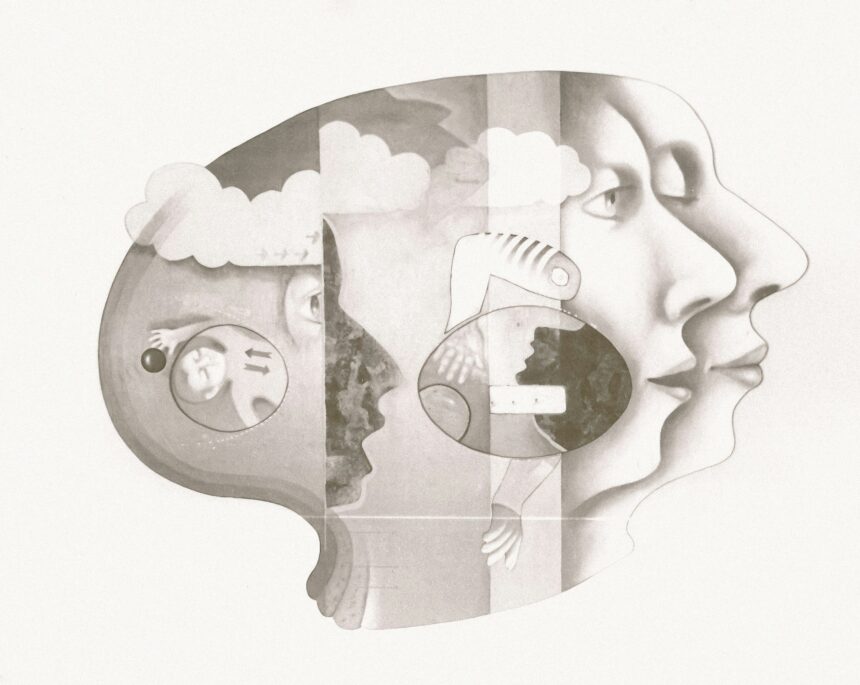
You are a complex tapestry of thoughts, feelings, and experiences, and at the core of your being lies the potent force of emotional psychology. It’s not some abstract concept whispered in academic halls; it’s the invisible architect of your decisions, the silent conductor of your relationships, and the very fuel that drives your motivations. Understanding this intricate interplay between your emotions and your mind is not just an intellectual pursuit; it’s a practical key to unlocking a more fulfilling and effective life.
At its heart, emotional psychology delves into the nature of emotions – their causes, their expressions, and most importantly, their profound influence on your cognitive processes and behaviors. It’s the study of how you feel, why you feel that way, and how those feelings shape what you think, what you do, and how you interact with the world around you. Unlike purely cognitive psychology, which focuses on your thinking processes, emotional psychology recognizes that your rationality is often inextricably intertwined with your affective state. You might believe you are making a purely logical decision, but behind the scenes, the subtle currents of your emotions are likely steering the ship.
Beyond Simple Feelings: The Nuances of Emotional Experience
It’s crucial to recognize that your emotions are not a monolithic entity. They are rich, varied, and often layered.
The Primary Tides: Basic Emotions
While cultures may categorize them differently, there’s a general consensus on a set of primary emotions that form the bedrock of human experience. These include joy, sadness, anger, fear, surprise, and disgust. You experience these at a fundamental level, often as immediate reactions to your environment.
The Subtle Shades: Secondary and Complex Emotions
As you mature and your experiences broaden, you develop more complex emotional responses. These are often blends of primary emotions, influenced by your past experiences, your personal values, and your social context. Think of jealousy, guilt, shame, pride, or even nostalgia. These are intricate tapestries woven from multiple emotional threads, demanding a deeper understanding to navigate effectively.
The Spectrum of Intensity: From Fleeting Whispers to Roaring Storms
Your emotions don’t just exist; they pulsate with varying degrees of intensity. A mild annoyance is a far cry from uncontrollable rage, just as a fleeting moment of contentment differs from profound elation. Recognizing this spectrum allows you to better gauge the impact of your emotions and the appropriate responses they might warrant.
The Interconnectedness: Emotions and Cognition Working Together
Your brain is not designed to operate in neat, compartmentalized boxes. Your cognitive functions – your thinking, learning, memory, and problem-solving abilities – are constantly in dialogue with your emotional states.
The Halo Effect of Feelings: How Moods Influence Thought
When you’re feeling happy, the world often seems brighter, problems appear less daunting, and you might be more inclined to see the best in people. Conversely, a negative mood can cast a shadow over your perceptions, making you more critical, pessimistic, and prone to focusing on the downsides. This is the “halo effect” of your emotions on your cognition.
Memory and Emotion: The Vibrant Scars of Experience
Your most vivid memories are often tied to strong emotional experiences. Think about a traumatic event or a moment of profound joy – you likely recall the details with remarkable clarity. This is because emotions act as powerful memory anchors, injecting significance into the moments they accompany. This can be both a blessing and a curse, as it can help you learn from past experiences but also lead to the rumination of painful memories.
Decision-Making: The Emotional Steering Wheel
You might pride yourself on making rational decisions, but research consistently shows that emotions play a far more significant role than conscious logic alone. Your gut feelings, your intuition, are often powerful emotional signals that guide your choices, particularly in situations where information is incomplete or time is limited. Understanding these emotional influences allows you to pause, examine the source of your feelings, and make more deliberate choices.
Emotional psychology plays a crucial role in understanding how our feelings influence our thoughts and behaviors. For those interested in exploring this topic further, a related article can be found at Unplugged Psychology, which delves into various aspects of emotional well-being and provides insights into managing emotions effectively.
The Landscape of Your Inner World: Understanding Your Emotional Triggers
Every individual is unique, and so is the landscape of their emotional triggers. These are the internal or external stimuli that provoke a specific emotional response in you. Identifying and understanding these triggers is a cornerstone of emotional intelligence and self-mastery.
Internal Whispers: Your Personal Beliefs and Values
The bedrock of many of your emotional responses lies within. Your core beliefs about yourself, others, and the world, as well as your deeply held values, act as internal filters through which you interpret experiences.
The Mirror of Self-Esteem: How You See Yourself Matters
If you hold a low opinion of yourself, you’re more likely to interpret neutral or ambiguous situations as negative, leading to feelings of inadequacy or anxiety. Conversely, a strong sense of self-worth can buffer you against emotional distress and promote more positive outlooks.
The Compass of Values: What Matters Most to You
When your actions or the actions of others align with your core values, you experience emotions like contentment, pride, or a sense of purpose. When these values are violated, you might feel anger, disappointment, or a sense of injustice. Recognizing your values helps you understand the “why” behind your emotional reactions.
External Catalysts: The World Around You
While your internal landscape is crucial, the external world constantly influences your emotional state.
Social Interactions: The Echoes of Connection and Conflict
Your relationships are a fertile ground for emotional experiences. Positive interactions – moments of connection, empathy, and support – foster joy and belonging. Negative interactions – criticism, conflict, or rejection – can trigger sadness, anger, or fear.
Environmental Influences: The Impact of Your Surroundings
The physical environment you inhabit can also impact your mood. A chaotic and noisy environment might induce stress and irritability, while a serene and natural setting can promote feelings of calm and well-being. Even the time of day or the weather can subtly influence your emotional responses.
Everyday Events: The Accumulation of Small Moments
It’s not always the big events that shape your emotional world. The seemingly insignificant occurrences of your day – a rude comment, a missed bus, a pleasant encounter with a stranger – can accumulate and contribute to your overall emotional state. Learning to recognize these micro-triggers can prevent small annoyances from escalating into larger emotional disturbances.
The Architecture of Your Reactions: How You Process and Respond to Emotions

Once an emotion is triggered, you don’t just experience it passively. You actively process it, interpret it, and then choose (consciously or unconsciously) how to respond. This process is where your power to shape your emotional life truly lies.
The Cognitive Appraisal: Making Sense of the Feeling
Your brain doesn’t simply register an emotion; it appraises the situation that evoked it. This appraisal involves evaluating the event’s significance to your well-being, your goals, and your values.
The Interpretation Game: Assigning Meaning to Feelings
The same physiological arousal can be interpreted in different ways depending on your appraisal. A racing heart might be seen as excitement before a date or fear before public speaking. Your cognitive interpretation of the situation imbues the physiological sensation with specific emotional meaning.
The Role of Past Experiences: Learning from Emotional History
Your past experiences profoundly shape how you appraise current situations. If you’ve been hurt in similar circumstances before, you’re more likely to be wary and interpret new events through a lens of caution, potentially triggering fear or anxiety.
Behavioral Responses: The Outward Expression of Your Inner State
Your emotional processing invariably leads to behavioral responses, ranging from subtle shifts in body language to overt actions.
Verbalizing Your Feelings: The Power of Expression
Communicating your emotions verbally is a crucial aspect of emotional processing, especially in social contexts. Articulating your feelings can lead to understanding, resolution, and a sense of catharsis.
Non-Verbal Cues: The Silent Language of Emotion
Your body speaks volumes about your emotional state through facial expressions, posture, gestures, and tone of voice. These non-verbal cues can communicate your feelings even when words fail.
The Spectrum of Coping Mechanisms: Healthy vs. Unhealthy
How you choose to cope with challenging emotions significantly impacts your long-term well-being.
Healthy Coping Strategies: Building Resilience
These include practices like mindfulness, reframing negative thoughts, seeking social support, engaging in physical activity, and creative expression. These strategies help you process emotions constructively and build resilience.
Unhealthy Coping Strategies: The Cycle of Avoidance and Maladaptation
These often involve suppression of emotions, avoidance of triggers, substance abuse, or engaging in self-destructive behaviors. While they may offer temporary relief, they ultimately hinder emotional growth and can exacerbate problems.
The Influence Beyond Yourself: Emotional Psychology in Relationships

Your emotional responses are rarely isolated events; they are deeply intertwined with your interactions and relationships. Understanding emotional psychology is paramount to building and maintaining healthy, fulfilling connections.
Empathy: Stepping into Another’s Emotional Shoes
Empathy is the ability to understand and share the feelings of another. It’s not just about sympathizing (feeling sorry for someone) but about truly grasping their emotional experience from their perspective.
Cognitive Empathy: Understanding Their Perspective
This involves the cognitive ability to understand what another person is thinking and feeling. You can intellectually grasp their situation and their likely emotional state.
Affective Empathy: Feeling What They Feel
This is a more visceral experience where you vicariously share in the emotions of another. You feel a pang of sadness when they are sad or a surge of joy when they are happy.
Communication: The Bridge of Emotional Understanding
Effective emotional communication is the lifeblood of any relationship. It’s about expressing your own emotions clearly and, crucially, listening to and understanding the emotions of others.
Active Listening: Hearing Beyond the Words
This involves paying full attention, showing you are listening through non-verbal cues, providing feedback, and deferring judgment. It’s about truly hearing the emotional subtext of what is being communicated.
Assertive Expression: Voicing Your Needs Respectfully
Assertiveness is about expressing your thoughts, feelings, and needs directly and honestly without infringing on the rights of others. It’s a healthy balance between passivity and aggression, fostering mutual respect in communication.
Conflict Resolution: Navigating Emotional Storms Together
Conflict is an inevitable part of relationships. How you navigate these emotional storms, however, can either strengthen or damage your connections.
Understanding Emotional Triggers in Conflict
Recognizing that conflict often stems from unmet emotional needs or misinterpretations fueled by emotions is key to resolving it.
De-escalation Techniques: Cooling Down the Emotional Heat
Learning to de-escalate tense situations by using calming language, acknowledging the other person’s feelings, and taking breaks can prevent emotional blow-ups.
Emotional psychology plays a crucial role in understanding how our feelings influence our thoughts and behaviors. For those interested in exploring this fascinating field further, a related article on the impact of emotional regulation can provide valuable insights. You can read more about it in this informative piece on emotional well-being at Unplugged Psychology, which delves into strategies for managing emotions effectively. Understanding these concepts can enhance personal growth and improve interpersonal relationships.
Harnessing Your Emotional Power: Practical Applications in Your Life
| Emotional Psychology Metrics | Definition |
|---|---|
| Emotional Intelligence | The ability to understand and manage one’s own emotions, as well as understand and influence the emotions of others. |
| Emotional Regulation | The ability to effectively manage and respond to an emotional experience. |
| Emotional Resilience | The capacity to adapt to and bounce back from difficult or stressful situations. |
| Emotional Well-being | The overall state of an individual’s emotions, including happiness, satisfaction, and contentment. |
The true power of emotional psychology lies in its practical application. By understanding these principles, you can actively cultivate a more balanced, fulfilling, and effective life.
Emotional Intelligence: Your Master Key to Success
Emotional intelligence (EQ) is the capacity to be aware of, control, and express one’s emotions, and to handle interpersonal relationships judiciously and empathetically. It’s a skill that can be developed and honed.
Self-Awareness: Knowing Your Emotional Landscape
This is the foundation of EQ – the ability to recognize and understand your own emotions, your strengths, and your weaknesses. It involves introspection and honest self-assessment.
Self-Regulation: Managing Your Emotional Responses
Once you are aware of your emotions, the next step is to regulate them. This doesn’t mean suppressing them, but rather managing them in a healthy and constructive way. It’s about responding rather than reacting.
Motivation: Fueling Your Drive with Emotion
Understanding your emotional drivers can help you tap into your intrinsic motivation, leading to greater persistence and achievement in pursuing your goals.
Social Skills: Building Strong and Meaningful Connections
Developing strong social skills, grounded in empathy and effective communication, allows you to build rapport, resolve conflicts, and foster positive relationships.
Mental Well-being: Creating an Emotionally Resilient Mind
Your emotional health is intrinsically linked to your overall mental well-being. By applying emotional psychology, you can proactively safeguard your mental health.
Managing Stress and Anxiety: Taming the Inner Storm
Understanding the physiological and psychological underpinnings of stress and anxiety empowers you to develop effective coping mechanisms and reduce their impact on your life.
Overcoming Depression and Sadness: Finding Your Way Back to Light
Recognizing the role of emotional patterns and cognitive distortions in depression allows you to seek appropriate support and implement strategies for emotional recovery.
Building Resilience: Bouncing Back from Adversity
Developing emotional resilience means equipping yourself with the tools to navigate life’s inevitable challenges, learn from setbacks, and emerge stronger.
Personal Growth and Fulfillment: Living a More Meaningful Life
Ultimately, the power of emotional psychology is about empowering you to live a richer, more authentic, and more fulfilling life.
Understanding Your Passions and Purpose: The Emotional Compass
Your emotions are often powerful indicators of what truly matters to you. By paying attention to what excites you, what angers you, and what brings you joy, you can uncover your passions and, ultimately, your purpose.
Cultivating Gratitude and Positivity: Shifting Your Emotional Lens
Learning to consciously cultivate emotions like gratitude and optimism can significantly enhance your overall sense of well-being and your perception of the world.
Embracing Vulnerability: The Strength of Openness
True emotional growth often involves embracing vulnerability – the willingness to be open and authentic, even when it feels uncomfortable. This allows for deeper connections and more profound personal development.
Your emotional life is not a fixed entity; it is a dynamic and evolving landscape. By understanding the principles of emotional psychology, you are not just gaining knowledge; you are unlocking a powerful tool for navigating your inner world, strengthening your connections with others, and ultimately, living a more empowered and meaningful life. The journey of understanding your emotions is a lifelong adventure, and one that holds the profound promise of a richer and more resonant existence.

Why Waiting Feels Worse Than Bad News
FAQs
What is emotional psychology?
Emotional psychology is the study of how emotions impact human behavior, cognition, and overall mental well-being. It explores the ways in which emotions are experienced, expressed, and regulated, as well as their influence on decision-making and interpersonal relationships.
What are the main theories in emotional psychology?
Some of the main theories in emotional psychology include the James-Lange theory, which suggests that emotions are a result of physiological responses to stimuli; the Cannon-Bard theory, which proposes that emotions and physiological responses occur simultaneously; and the Schachter-Singer theory, which emphasizes the role of cognitive appraisal in emotional experiences.
How does emotional psychology affect mental health?
Emotional psychology plays a significant role in mental health, as it examines the impact of emotions on mood disorders, anxiety, stress, and overall psychological well-being. Understanding emotional processes can help in the development of effective interventions and treatments for mental health conditions.
What are some common research methods used in emotional psychology?
Researchers in emotional psychology often use methods such as self-report measures, behavioral observations, physiological assessments (e.g., heart rate, brain imaging), and experimental manipulations to study emotions and their effects on individuals’ thoughts, feelings, and behaviors.
How can emotional psychology be applied in everyday life?
Emotional psychology findings can be applied in various settings, such as therapy and counseling, education, workplace management, and interpersonal relationships. Understanding emotional processes can help individuals regulate their emotions, improve communication, and enhance overall well-being.