
The Early Life of Harry Harlow: Forging the Path to Revolutionary Primate Research
Harry F. Harlow’s journey into the complex world of primate behavior and development was deeply rooted in his own intellectual curiosity and a developing dissatisfaction with the prevailing psychological theories of his time. Born in 1905 in Iowa, Harlow exhibited a keen intellect from an early age, which was further nurtured by his undergraduate studies at the University of Kansas. It was during his doctoral work at Stanford University, under the tutelage of renowned psychologist Calvin P. Stone, that Harlow began to hone his scientific methodology and lay the groundwork for his later groundbreaking research. Stone’s focus on motivation and instinctual behavior likely provided Harlow with a fertile ground for questioning existing paradigms.
Harlow’s early career was marked by a growing skepticism towards the dominant behaviorist perspective, which emphasized the sole importance of observable behavior and dismissed the role of internal psychological states. While behaviorism offered a structured approach to understanding learning through reinforcement, Harlow began to perceive its limitations, particularly when it came to explaining the intricate social and emotional bonds observed in primates, and by extension, in humans. He felt that the purely mechanistic view of learning, which treated infants as passive recipients of environmental stimuli and saw attachment as a mere consequence of food provision, failed to capture the nuanced reality of early development. This intellectual ferment, coupled with a desire to explore the fundamental nature of love and social connection, set the stage for the controversial yet profoundly influential experiments that would define his legacy. His move to the University of Wisconsin-Madison in 1930 proved to be a pivotal moment, providing him with the resources and the freedom to pursue his increasingly ambitious research agenda.
The Harlow experiment, famously known as the “pit of despair,” sheds light on the profound effects of social isolation on emotional development in primates. For a deeper understanding of the implications of this research and its relevance to modern psychology, you can explore a related article that discusses the ethical considerations and long-term effects of such experiments. To read more, visit this article.
Challenging the Nourishment Hypothesis: The Birth of the Surrogacy Experiments

The prevailing scientific understanding of infant-mother attachment in the mid-20th century was overwhelmingly dominated by the “nourishment hypothesis.” This theory posited that the primary bond between an infant and its caregiver was a direct consequence of the caregiver’s role in providing food. According to this view, the infant’s attachment to the mother was essentially a learned association between the mother’s presence and the satisfaction of hunger. While this perspective offered a simple and seemingly logical explanation, it left many unanswered questions regarding the deeper emotional and psychological needs of infants. Researchers observed that even when infants were adequately fed, they still exhibited distress when separated from their mothers, suggesting that something more than mere sustenance was at play.
Harlow, armed with his growing dissatisfaction with behaviorist dogma and an innate drive to uncover the fundamental mechanisms of social bonding, decided to put the nourishment hypothesis to the test. He recognized that to truly understand attachment, he needed to isolate the variable of food from other crucial aspects of maternal care. This intellectual leap led him to design a series of now-infamous experiments that would fundamentally alter our understanding of primate development and, by extension, human psychology. The core of his innovative approach lay in creating artificial “mother” surrogates that could provide comfort and security without necessarily providing nourishment. This was a radical departure from previous research, which had largely focused on observing naturalistic mother-infant interactions.
The Genesis of Wire and Cloth Mothers: Crafting the Experimental Framework
To systematically investigate the role of different maternal attributes in fostering attachment, Harlow devised ingenious surrogate mothers that differed in their construction and presentation. The foundational design involved two distinct types of surrogates: one made of bare wire mesh, and the other covered in soft, absorbent terrycloth. This seemingly simple distinction was central to his hypothesis that tactile comfort and responsiveness would be more crucial to the development of attachment than the provision of food. The wire mother, while capable of dispensing milk through a built-in nursing bottle, was designed to be cold and impersonal. Conversely, the cloth mother, though initially offering no food, was intended to provide warmth, softness, and a comforting tactile experience.
The experimental setup was meticulously controlled. Infant rhesus monkeys, separated from their biological mothers shortly after birth, were introduced to these surrogate mothers. The critical manipulation involved determining which surrogate provided nourishment. In some cases, the wire mother dispensed milk, while in others, the cloth mother did. This allowed Harlow to disentangle the effects of food provision from the effects of tactile comfort. The infants were then observed for extended periods, their behavior meticulously recorded. The expectation was that if the nourishment hypothesis held true, the infants would primarily seek comfort and security from the mother that provided food, regardless of her texture. However, Harlow’s observations would soon reveal a dramatically different picture.
Early Behavioral Observations: The Primacy of Comfort Over Sustenance
The results of the initial surrogate mother experiments were, to use an understatement, revelatory. The infant rhesus monkeys, when given a choice, overwhelmingly preferred the cloth mother over the wire mother, even when the wire mother was the sole source of nourishment. The infants would cling to the soft, warm cloth surrogate for extended periods, only approaching the wire mother when hunger pangs became unbearable. Upon feeding, they would immediately retreat back to the comfort of the cloth mother, as if seeking solace from the brief, impersonal interaction. This behavior directly contradicted the prevailing nourishment hypothesis. It suggested that the tactile experience of warmth, softness, and a sense of security provided by the cloth mother was a far more powerful determinant of attachment than the mere act of being fed.
These early observations were crucial in establishing Harlow’s reputation and laying the foundation for his more ethically contentious research. They provided compelling empirical evidence that maternal bonding was not simply a conditioned response to food but rather an innate, instinctual drive for comfort and emotional security. The infants’ preference for the cloth mother demonstrated that the relationship between infant and caregiver involved a complex interplay of sensory input and emotional needs that extended far beyond the basic biological imperative of sustenance. This marked a significant departure from the mechanistic view of development and opened up new avenues for understanding the profound psychological significance of early social interactions.
The Descent into Darkness: The “Pit of Despair” and Social Isolation

Buoyed by the findings from his surrogate mother experiments, Harry Harlow embarked on a series of studies designed to explore the consequences of prolonged social isolation on primate development. He hypothesized that the absence of social interaction and maternal care during critical developmental periods would have profound and lasting negative effects on the monkeys’ emotional, social, and cognitive functioning. This led to the design of experiments that, in retrospect, are widely considered to be ethically reprehensible, yet undeniably revealed crucial insights into the devastating impact of social deprivation. The term “Pit of Despair” has become indelibly linked to these studies, a stark reminder of the suffering inflicted in the pursuit of scientific knowledge.
Harlow’s rationale was to create controlled environments where young monkeys would be systematically deprived of all social contact. This included separation from their mothers and peers, and confinement in isolation chambers that prevented any form of interaction. The goal was to observe the developmental trajectory of these isolated individuals and to compare their behavior with those who had received normal social and maternal care. While the scientific aims were to understand the fundamental importance of social interaction for healthy development, the execution of these experiments involved inflicting severe emotional distress and psychological trauma on sentient beings.
The Creation of the Isolation Chambers: Engineering Deprivation
The isolation chambers were designed to be barren and devoid of any social stimuli. The young rhesus monkeys were placed in these chambers shortly after birth and were kept there for varying periods, ranging from three months to over a year. The chambers were typically small, dark, and equipped with only basic necessities like food and water. Crucially, there were no mirrors, no other animals, and no human interaction that could foster a sense of companionship or provide any form of social learning. The researchers meticulously documented the physical and behavioral changes that occurred in these isolated infants.
The intention was to create a state of complete social deprivation, mirroring, in a controlled fashion, the potential consequences of severe neglect or institutionalization. The ethical implications of such an undertaking were a significant concern even at the time, but Harlow and his team were driven by a powerful conviction that understanding the mechanisms of social bonding and the consequences of its absence was of paramount importance to human well-being. They believed that the insights gained from these studies would have profound implications for understanding and treating conditions like autism, schizophrenia, and the psychological damage caused by childhood abuse and neglect.
Documenting the Devastation: Behavioral and Emotional Deterioration
The observed effects of prolonged isolation on the young monkeys were, for the most part, devastating. Initially, the infants would exhibit signs of acute distress, including constant vocalizations, rocking, and self-clutching. As their isolation continued, these early signs of distress often gave way to a profound lethargy and apathy. They would spend hours sitting hunched over, unresponsive to their surroundings, and exhibiting a marked lack of interest in exploration or play. Their social behaviors, even when rudimentary attempts at interaction were introduced, were severely impaired. They struggled to engage with other monkeys, often displaying aggression, fear, or complete withdrawal.
Cognitively, the isolated monkeys also showed significant deficits. They had difficulty learning new tasks, and their problem-solving abilities were diminished. Their emotional regulation was severely compromised, leading to heightened anxiety and an inability to cope with novel situations. Many of these monkeys developed a range of abnormal behaviors, including self-mutilation, stereotyped movements, and a pervasive sense of fear and insecurity. The “Pit of Despair” was not merely a metaphorical term; it represented a profound psychological chasm that these animals were forced to endure, a testament to the critical role of social interaction in healthy development.
Rehabilitation Efforts: The Long and Arduous Road to Recovery
Witnessing the profound and often debilitating effects of social isolation, Harlow and his team recognized that the story did not end with the documentation of devastation. A crucial next step in their research was to investigate whether these severe impairments could be reversed or mitigated through subsequent social interventions. This led to a series of rehabilitation studies aimed at helping the socially deprived monkeys reintegrate into a social environment and potentially recover some of their lost social and emotional functioning. These efforts, while demonstrating some capacity for recovery, also underscored the lasting and often irreversible nature of early deprivation.
The rehabilitation process was designed to gradually reintroduce the isolated monkeys to social contact, starting with less threatening stimuli and progressively increasing the complexity of the interactions. The researchers meticulously monitored the monkeys’ responses and adjusted the interventions accordingly, attempting to create a supportive and nurturing environment that could counteract the effects of their earlier isolation. The success of these interventions varied significantly, highlighting the critical importance of the timing and duration of social deprivation.
Introducing “Mothering” to the Isolated: The Role of Therapists
One of the key rehabilitation strategies involved introducing “therapist monkeys.” These were typically younger, more socially adept monkeys that were used to model appropriate social behaviors. The isolated monkeys were placed in enclosures with these therapist monkeys, who would engage them in play and other social interactions. The idea was that by observing and interacting with these more socially competent peers, the isolated monkeys might learn to engage in social behaviors and overcome their deficits. The researchers provided a level of support and supervision to ensure that the interactions were not overly aversive and that the isolated monkeys were not subjected to excessive aggression.
In some cases, older, more nurturing monkeys were also used to provide a semblance of maternal care, attempting to provide some of the comfort and security that these monkeys had missed in their early development. While these interventions did lead to some improvements in social interaction and a reduction in some of the abnormal behaviors, the recovery was often incomplete. The monkeys still exhibited some residual anxieties and social deficits, suggesting that the early damage had left indelible marks.
The Limitations of Later Intervention: The Scars of Isolation
Despite dedicated efforts, the rehabilitation of the monkeys subjected to severe isolation proved to be a challenging and often incomplete process. While some individuals showed remarkable resilience and were able to form rudimentary social bonds, many continued to exhibit significant social and emotional impairments throughout their lives. Their ability to engage in normal social interactions, form healthy relationships, and parent their own offspring remained compromised. This highlighted a critical developmental window during which social experience is paramount, and deprivation during this period can lead to long-lasting and perhaps irreversible damage.
The limitations of these rehabilitation efforts underscored the profound importance of early social experiences. They demonstrated that while some recovery is possible, the early absence of adequate social stimulation and maternal care creates a deficit that is incredibly difficult, if not impossible, to fully overcome. The findings from these rehabilitation studies reinforced Harlow’s earlier conclusions about the fundamental nature of social bonding and the devastating consequences of its absence, solidifying the ethical concerns surrounding the original isolation experiments while simultaneously providing invaluable data for understanding developmental psychology and the treatment of social deficits.
The infamous Harlow experiment, often referred to as the “pit of despair,” has sparked significant discussion regarding the ethical implications of animal research in psychology. For those interested in exploring this topic further, a related article provides an in-depth analysis of the psychological effects of isolation on primates and the broader implications for understanding attachment and social behavior in humans. You can read more about it in this insightful piece on animal research ethics.
The Enduring Legacy and Ethical Reckoning: Shaping Modern Psychology
| Metric | Details |
|---|---|
| Experiment Name | Pit of Despair |
| Researcher | Harry Harlow |
| Year Conducted | 1960s |
| Subject | Rhesus Monkeys |
| Purpose | Study effects of isolation and depression |
| Duration of Isolation | Up to several weeks |
| Apparatus | Vertical chamber with sloping sides (the “pit”) |
| Observed Effects | Severe depression, social withdrawal, behavioral abnormalities |
| Ethical Concerns | High; considered inhumane and caused psychological harm |
| Impact on Psychology | Highlighted importance of social contact for mental health |
Harry Harlow’s research, particularly the experiments involving surrogate mothers and social isolation, has left an indelible mark on the field of psychology. While undeniably controversial due to the ethical implications of inflicting suffering on the monkeys, the insights gained have profoundly shaped our understanding of attachment, the importance of early social experiences, and the detrimental effects of deprivation. The “Pit of Despair” experiments, despite their ethical shortcomings, served as a stark and powerful illustration of the fundamental human need for social connection and emotional security.
The direct impact of Harlow’s work can be seen in numerous areas of psychological study and practice. His research provided empirical support for the theories of attachment theorists like John Bowlby, who emphasized the crucial role of early caregiver-child relationships in healthy emotional development. Harlow’s findings helped to shift the focus of developmental psychology away from purely behaviorist explanations and towards a more holistic understanding that incorporated emotional and social needs.
A Paradigm Shift in Understanding Attachment
Harlow’s experiments unequivocally demonstrated that attachment is not merely a byproduct of food acquisition. The strong preference of infant monkeys for the soft, comforting cloth surrogate over the wire mother that provided nourishment challenged the prevailing wisdom and highlighted the critical role of tactile comfort, responsiveness, and emotional security in forming bonds. This realization had a profound impact on how child-rearing practices were viewed. Parents and caregivers were encouraged to provide not just sustenance but also warmth, affection, and consistent emotional support, recognizing that these elements are fundamental to a child’s healthy psychological development. The concept of “contact comfort” became a cornerstone of attachment theory, directly influenced by Harlow’s meticulous observations.
Ethical Scrutiny and the Evolution of Research Standards
The ethical cost of Harlow’s research is undeniable and has been a subject of intense debate and scrutiny. The severe distress and long-term suffering inflicted upon the monkeys raised serious questions about the moral permissibility of such experiments. In the decades since Harlow’s work, ethical guidelines for animal research have become far more stringent, emphasizing the principles of the 3Rs: Replacement, Reduction, and Refinement. The “Pit of Despair” experiments serve as a cautionary tale, prompting ongoing reflection within the scientific community about the balance between the pursuit of knowledge and the ethical treatment of research subjects. While the scientific contributions are significant, the ethical burden of these studies continues to be a somber aspect of their legacy.
Lasting Influence on Therapeutic Interventions and Social Policy
The understanding of attachment and the consequences of social deprivation derived from Harlow’s work has had a significant impact on therapeutic interventions for individuals suffering from attachment disorders, trauma, and social deficits. Therapies like attachment-based psychotherapy and play therapy often draw upon the principles highlighted by his research. Furthermore, his findings have informed social policy, leading to greater recognition of the importance of early childhood education, fostering positive parent-child relationships, and addressing issues of neglect and institutionalization. The recognition that social and emotional well-being is as crucial as physical health can be traced, in part, to the stark evidence presented by Harlow’s controversial yet transformative experiments. His legacy, therefore, is a complex one, marked by profound scientific discovery intertwined with a pressing ethical reckoning that continues to shape the landscape of modern psychology.
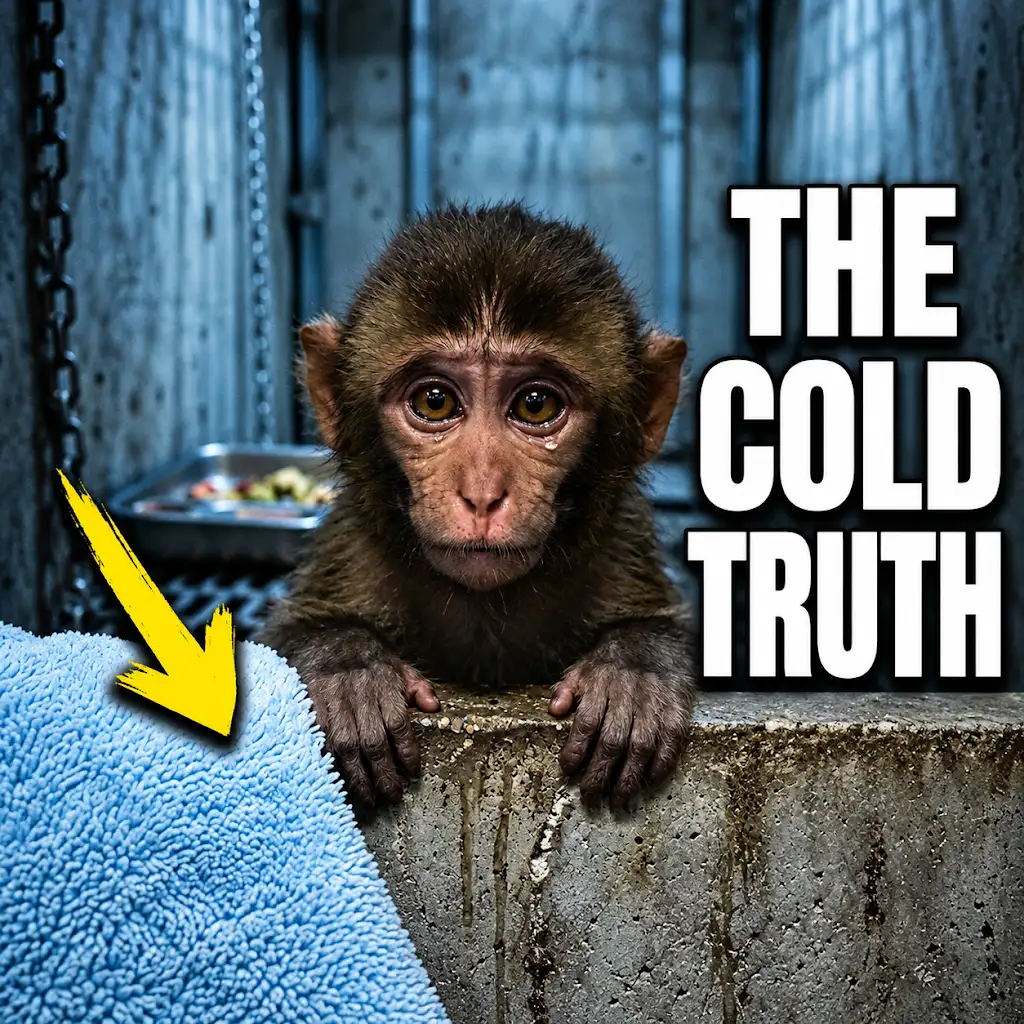
The Dark Reality of the Monkey Comfort Experiment
FAQs
What was the pit of despair Harlow experiment?
The pit of despair Harlow experiment was a controversial study conducted by psychologist Harry Harlow in the 1970s. It involved isolating infant monkeys in total darkness for up to one year to study the effects of social isolation on their behavior and mental health.
What were the findings of the pit of despair Harlow experiment?
The experiment found that the monkeys subjected to social isolation exhibited severe emotional and psychological disturbances. They displayed abnormal behaviors such as self-mutilation, rocking back and forth, and extreme aggression. The study highlighted the importance of social interaction and maternal care in the development of healthy emotional bonds.
What ethical concerns were raised about the pit of despair Harlow experiment?
The pit of despair experiment raised significant ethical concerns due to the extreme suffering inflicted on the infant monkeys. Critics argued that the study caused unnecessary harm and trauma to the animals, violating ethical standards for the treatment of research subjects. The experiment led to increased regulations and oversight in the field of animal research.
How did the pit of despair Harlow experiment impact the field of psychology?
The pit of despair experiment had a lasting impact on the field of psychology by highlighting the importance of ethical considerations in research involving animals and human subjects. It contributed to the development of guidelines and regulations to ensure the welfare of research participants. The study also influenced further research on attachment theory and the effects of social isolation on mental health.
What are some criticisms of the pit of despair Harlow experiment?
Some criticisms of the pit of despair experiment include the unethical treatment of the infant monkeys, the lack of scientific validity in extrapolating the findings to human behavior, and the questionable research methods used by Harry Harlow. Critics argue that the study’s results may not be generalizable to human experiences and that the suffering inflicted on the animals was unjustified.