You find yourself staring at the ceiling again, the cursor blinking mockingly on your screen. That simple decision – what to order for dinner, which shirt to wear, whether to accept that job offer – has spiraled into a vortex of “what ifs” and “maybes.” You’re not lazy, you’re not indecisive in the traditional sense. You’re an overthinker, and you’re caught in the paralyzing grip of analysis.
This isn’t about a lack of intelligence; in fact, your sharp mind is often the very architect of your predicament. You possess a remarkable ability to dissect, to anticipate, to envision every conceivable outcome. But when it comes to making a choice, this superpower morphs into a debilitating curse, leaving you frozen, unable to move forward.
The world bombards you with options. From the infinite scroll of streaming services to the endless aisle of cereal boxes, the sheer volume of possibilities can be overwhelming. For most, this is a minor inconvenience, a momentary deliberation. For you, it’s a battlefield. Each option is scrutinized, weighed, and measured against an ever-growing list of pros and cons, potential pitfalls, and hypothetical scenarios. You don’t just see the immediate consequences; you see the ripple effects, the butterfly wings flapping in a distant future that could lead to anything from mild disappointment to existential dread.
This article is for you, the one who loses sleep over small decisions, the one who replays past choices endlessly, searching for the “better” path not taken. We’ll delve into the mechanics of this overthinking paralysis, understand why it happens, and explore strategies to help you break free and reclaim your ability to act.
Your inclination to overthink isn’t a personality flaw; it’s a complex interplay of cognitive processes, emotional responses, and learned behaviors. It often stems from a deep-seated desire for control and a fear of making the “wrong” choice.
The Illusion of Perfect Information
You believe that if you just gather enough information, if you analyze every angle, you can achieve a state of perfect knowledge, guaranteeing the best possible outcome. This is a noble pursuit, but an ultimately unattainable one.
The Ever-Expanding Data Pool
The problem is, the universe of information is practically infinite. For any decision, there’s always another article to read, another expert to consult, another piece of data to consider. You can spend hours, days, even weeks chasing this phantom of completeness, only to find yourself no closer to a decision. You’re essentially building a house without a foundation, constantly adding more rooms but never completing the essential structure.
The Nuance Trap
You excel at identifying subtle distinctions and shades of grey. While this is a valuable trait in many contexts, in decision-making, it can lead you down rabbit holes. You might find yourself agonizing over the difference between “good” and “great,” or the subtle implications of choosing a slightly different shade of paint. These nuances, while real, often become magnified in your mind, obscuring the larger, more practical considerations.
The Fear of Regret: A Powerful Motivator (and Demotivator)
The specter of regret is a potent force for overthinkers. The thought of looking back and wishing you’d chosen differently can be so terrifying that it prevents you from choosing at all.
The “What If” Cascade
You’re a master of the “what if” game. “What if I take this job and hate it?” “What if I don’t ask them out and they were the one?” This mental cascade, while designed to protect you from potential pain, often leads to a self-fulfilling prophecy of inaction. The fear of a hypothetical negative outcome outweighs the possibility of a positive one.
The Weight of Permanent Choices
You tend to view choices as irreversible and monumental. This perception is amplified when dealing with significant life decisions, like career changes or major purchases. You imbue these choices with an immense weight, as if one wrong move will permanently derail your life’s trajectory. The reality is that most decisions are not final, and there are often opportunities to course-correct.
The Perfectionist’s Pendulum
Perfectionism and overthinking are often intertwined. The desire to get things “just right” can lead to an endless cycle of refinement and reconsideration.
The Unrealistic Standard
You hold yourself to an impossibly high standard. You believe that there’s a single, perfect solution to every problem, and anything less than that is a failure. This leaves you constantly comparing your options to this idealized, unattainable ideal, making every choice seem inherently flawed.
The Fear of Imperfection
The thought of making a less-than-perfect choice can be deeply uncomfortable. You might worry about how others will perceive your decision or how it will reflect on your competence. This fear can be so paralyzing that you opt for the “safe” choice of doing nothing, which, ironically, is rarely the perfect outcome.
Overthinkers often find themselves paralyzed when faced with choices, as their minds become inundated with endless possibilities and potential outcomes. This struggle can be attributed to a fear of making the wrong decision, which leads to excessive rumination and anxiety. For a deeper understanding of this phenomenon, you can explore the article on Unplugged Psych, which delves into the psychological mechanisms behind decision-making and offers insights on how to navigate the complexities of choice. To read more about this topic, visit this article.
The Mechanics of Paralysis: How Your Brain Stalls
It’s not just about the fear; it’s about the way your brain processes information and generates responses that leads to the actual paralysis. You get stuck in a loop, a cognitive rut that’s hard to escape.
The Information Overload Loop
Your brain can only process so much information at once. When you’re presented with too many options or too much data, it can become overwhelmed, leading to a shutdown.
The Cognitive Load Strain
Imagine your brain as a computer with limited RAM. When you open too many applications (options, scenarios, pros, cons), the system slows down, freezes, or crashes. You’re trying to juggle too many variables, and your cognitive capacity becomes strained.
The Decision Fatigue Phenomenon
The sheer act of making numerous decisions, even small ones, depletes your mental energy. This is known as decision fatigue. For overthinkers, who engage in far more internal deliberation, this fatigue sets in much faster and much harder, making it increasingly difficult to make any decision at all. Even seemingly simple choices become monumental tasks.
The Rumination Trap
Once a decision is made (or, more accurately, not made), your mind often continues to churn, replaying the possibilities and questioning the chosen path. This is rumination, and it’s a key component of overthinking paralysis.
The Endless Replay
You’re like a broken record, constantly rewinding the tape of your deliberations. You’ll revisit the options you considered, dissecting them further, finding new flaws, and reinforcing your belief that you should have chosen differently. This mental replay prevents you from committing to a choice and moving forward.
The Self-Criticism Cycle
Rumination often involves a significant amount of self-criticism. You’ll berate yourself for not being decisive enough, for not thinking things through properly (even though you’ve thought them through to an extreme degree), and for the potential negative consequences of your inaction. This cycle of negative self-talk further erodes your confidence and makes future decision-making even more daunting.
The Avoidance Maneuver
Sometimes, the paralysis isn’t about being unable to decide; it’s about actively avoiding the act of deciding. This is a subconscious defense mechanism.
The Comfort of Inertia
Inaction can feel safer than action. Staying where you are, even if it’s not ideal, requires no effort and carries no immediate risk of making a mistake. This comfort of inertia can be incredibly seductive, even when you intellectually know that change is necessary.
The Procrastination Partner
Overthinking and procrastination are close allies. You tell yourself you’ll decide once you have all the information, or once you’re feeling more certain. This is essentially a form of procrastination, disguised as diligent research and careful consideration. The deadline for a decision often comes and goes, leaving you in the same state of indecision.
The Impact on Your Life: More Than Just Minor Annoyances

The paralysis of analysis isn’t just about feeling stressed before ordering pizza. It has a tangible and often detrimental impact on various aspects of your life.
Stifled Opportunities: The Path Not Taken
The most obvious consequence is the missed opportunities. When you’re too busy analyzing, you’re not acting, and life rarely waits for you to be perfectly prepared.
Career Stagnation
You might find yourself turning down promotions, hesitating to apply for new jobs, or staying in unsatisfying roles because the decision-making process feels too overwhelming. The fear of choosing the wrong career path can lead to a stagnant career, where you’re constantly wondering what could have been.
Relationship Hesitation
In relationships, overthinking can lead to a lack of commitment or a fear of taking the next step. You might overanalyze potential partners, constantly searching for red flags or reasons why it won’t work, ultimately pushing away genuine connection. Or, you might hesitate to express your feelings, missing crucial moments for intimacy and growth.
Missed Personal Growth
Personal growth often comes from stepping outside your comfort zone and making decisions that involve a degree of risk. When you’re paralyzed by analysis, you rob yourself of these opportunities. You remain in your comfort zone, but at the cost of learning, evolving, and discovering your true potential.
Emotional Toll: The Weight of Indecision
The constant mental churn and fear of making the wrong choice take a significant emotional toll.
Chronic Stress and Anxiety
The inability to make decisions can lead to chronic stress and anxiety. Your mind is constantly racing, anticipating problems and worrying about outcomes. This persistent state of unease can impact your sleep, your physical health, and your overall well-being.
Low Self-Esteem
When you consistently fail to make decisions, your self-confidence erodes. You start to believe that you’re incapable of making good choices, which further fuels the cycle of overthinking. This can lead to a pervasive feeling of inadequacy.
Frustration and Resentment
You may find yourself feeling frustrated with yourself and with the world around you, which seems to effortlessly navigate the complexities of choice. This can lead to resentment, both towards others and towards the situations that require you to make decisions.
Interpersonal Strain: The Burden on Others
Your overthinking can also impact the people in your life, sometimes creating strain and frustration for them.
The Indecisive Partner/Friend
If you’re constantly seeking reassurance or delaying decisions that affect others, it can be exhausting for your loved ones. They may feel like they’re constantly waiting on you, or that their needs are secondary to your internal deliberations.
The Over-Explainer
You might feel compelled to explain every single step of your decision-making process, overwhelming others with the sheer volume of your thoughts. This can be tiring for those trying to help you, as they might struggle to keep up with your intricate internal dialogues.
Breaking Free: Strategies to Reclaim Your Decisiveness
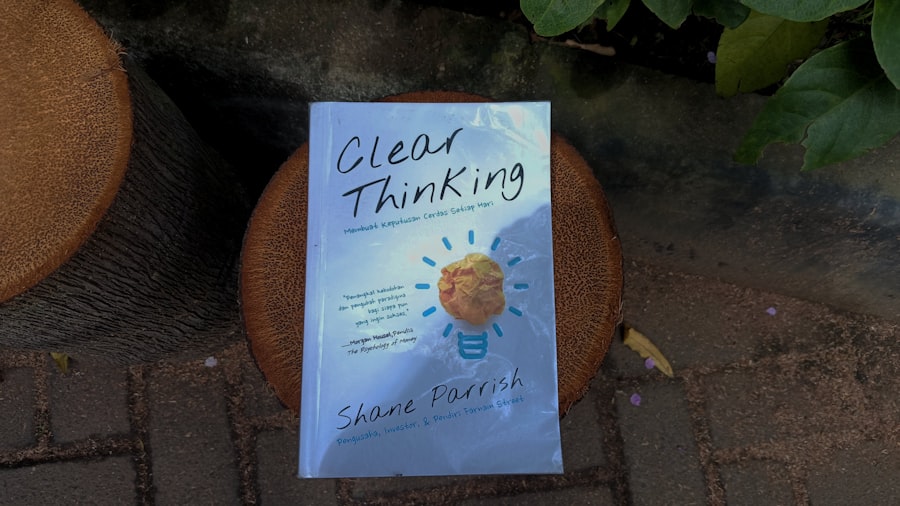
The good news is that you can learn to manage your overthinking and regain your ability to make choices. It requires conscious effort and the implementation of specific strategies.
Embrace Imperfection: The Power of “Good Enough”
The pursuit of perfection is often the enemy of progress. Learning to accept “good enough” is a crucial step.
The 80/20 Rule (Pareto Principle)
Recognize that often, 80% of the desired outcome can be achieved with 20% of the effort. In decision-making, this means that a perfectly optimized choice might not be necessary. A good, functional choice is often sufficient. Focus on achieving a satisfactory outcome rather than striving for an unattainable ideal.
Reframe “Mistakes” as Learning Opportunities
Instead of viewing a less-than-ideal choice as a failure, see it as a valuable learning experience. What did you learn from that decision? How can that knowledge inform your future choices? This shift in perspective can reduce the fear of making mistakes.
Timeboxing Your Decisions: Setting Boundaries for Deliberation
Give yourself a defined timeframe for making decisions. This helps to prevent endless rumination.
The Timer Method
For smaller decisions, set a timer. For example, “I will decide on dinner in 15 minutes.” Stick to that timeframe, and then make the best choice you can with the information you have. The pressure of the ticking clock can be surprisingly effective.
Prioritize Your Decisions
Not all decisions are created equal. Learn to distinguish between high-stakes decisions that require more thought and low-stakes decisions that can be made quickly. Allocate your mental energy accordingly.
Mindfulness and Self-Awareness: Understanding Your Patterns
Becoming aware of your overthinking triggers and thought patterns is the first step to changing them.
Identify Your Triggers
What situations or types of decisions tend to send you into an overthinking spiral? Is it related to work, personal life, social interactions? Once you identify your triggers, you can develop specific strategies to address them.
Practice Mindfulness
Mindfulness techniques, such as meditation or deep breathing exercises, can help you become more present and less caught up in your thoughts. By observing your thoughts without judgment, you can begin to detach from the obsessive nature of overthinking.
Action-Oriented Strategies: Moving from Thought to Deed
Sometimes, the best way to overcome overthinking is to simply take action, even if you’re not entirely sure it’s the perfect choice.
The “Small Wins” Approach
Start with making small, low-stakes decisions and sticking to them. Each successful decision builds confidence and reinforces your ability to act. As you gain confidence, you can gradually tackle larger, more complex choices.
Seek External Input (Wisely)
While you might be tempted to consult everyone, choose a few trusted individuals whose advice you value. Explain your dilemma clearly and ask for their perspective, but remember that the final decision is yours. Avoid seeking endless opinions, which can simply add to the confusion.
Visualize the “Worst-Case Scenario” (and its Likelihood)
Sometimes, confronting your fears head-on can be helpful. What is the absolute worst-case scenario of your decision? Then, realistically assess the probability of that scenario occurring. Often, the imagined consequences are far more dire than the actual possibilities.
Overthinkers often find themselves paralyzed by the fear of making the wrong choice, which can lead to a cycle of indecision and anxiety. This struggle is explored in depth in an insightful article that discusses the psychological mechanisms behind decision-making challenges faced by those who tend to overanalyze situations. For a deeper understanding of this phenomenon, you can read more about it in this related article. By examining the underlying factors that contribute to this behavior, individuals can gain valuable insights into how to navigate their choices more effectively.
The Journey to Decisiveness: A Continuous Process
| Reasons Overthinkers Struggle with Choices | Impact |
|---|---|
| Analysis Paralysis | Difficulty in making decisions due to overanalyzing |
| Fear of Making Mistakes | Reluctance to choose for fear of making the wrong decision |
| High Expectations | Pressure to make the perfect choice leading to indecision |
| Anticipating Negative Outcomes | Constantly worrying about potential negative consequences |
| Seeking Approval | Desire for validation from others before making a decision |
Breaking free from the paralysis of analysis isn’t an overnight transformation. It’s a journey that requires patience, self-compassion, and consistent practice. There will be setbacks, moments when you fall back into old patterns. That’s okay.
The goal isn’t to eliminate all deliberation; it’s to develop a healthier, more functional relationship with decision-making. It’s about finding the balance between careful consideration and decisive action. It’s about recognizing that while thoughtful analysis is valuable, it should serve as a guide, not a cage.
As you practice these strategies, you’ll begin to notice a shift. The anxiety surrounding choices will lessen. You’ll feel more confident in your ability to navigate life’s decisions, big and small. You’ll start to experience the freedom that comes with taking action, with moving forward, and with embracing the rich tapestry of life’s possibilities, rather than being paralyzed by them. You are capable of more than just analyzing; you are capable of living, and living requires making choices.

Why Tiny Decisions Feel So Serious
FAQs
What is overthinking?
Overthinking is the act of dwelling on a decision or situation for an extended period of time, often leading to excessive worry and anxiety. It can involve analyzing every possible outcome and consequence, making it difficult to make a decision.
Why do overthinkers struggle with choices?
Overthinkers struggle with choices because they have a tendency to overanalyze every aspect of a decision, leading to indecision and anxiety. This can make it difficult for them to trust their instincts and make a clear choice.
What are the common challenges faced by overthinkers when making choices?
Common challenges faced by overthinkers when making choices include fear of making the wrong decision, feeling overwhelmed by the options, and constantly second-guessing themselves. This can lead to a cycle of indecision and anxiety.
How does overthinking affect decision-making?
Overthinking can negatively impact decision-making by causing individuals to become paralyzed by the multitude of options and potential outcomes. This can lead to a lack of confidence in their choices and a fear of making the wrong decision.
What are some strategies to help overthinkers make choices more effectively?
Some strategies to help overthinkers make choices more effectively include setting time limits for decision-making, focusing on the most important factors, and seeking input from trusted individuals. Additionally, practicing mindfulness and learning to trust their instincts can also help overthinkers make choices with more confidence.