
You’re sitting there, aren’t you? In that perfectly curated space, bathed in the soft glow of a Himalayan salt lamp. The essential oil diffuser is humming a gentle melody of lavender and chamomile. Your yoga mat is rolled out, a fresh mug of herbal tea steams beside you, and you’ve just silenced your phone. The internet, bless its always-on heart, is temporarily banished. You are, by all accounts, embarking on a journey of profound relaxation.
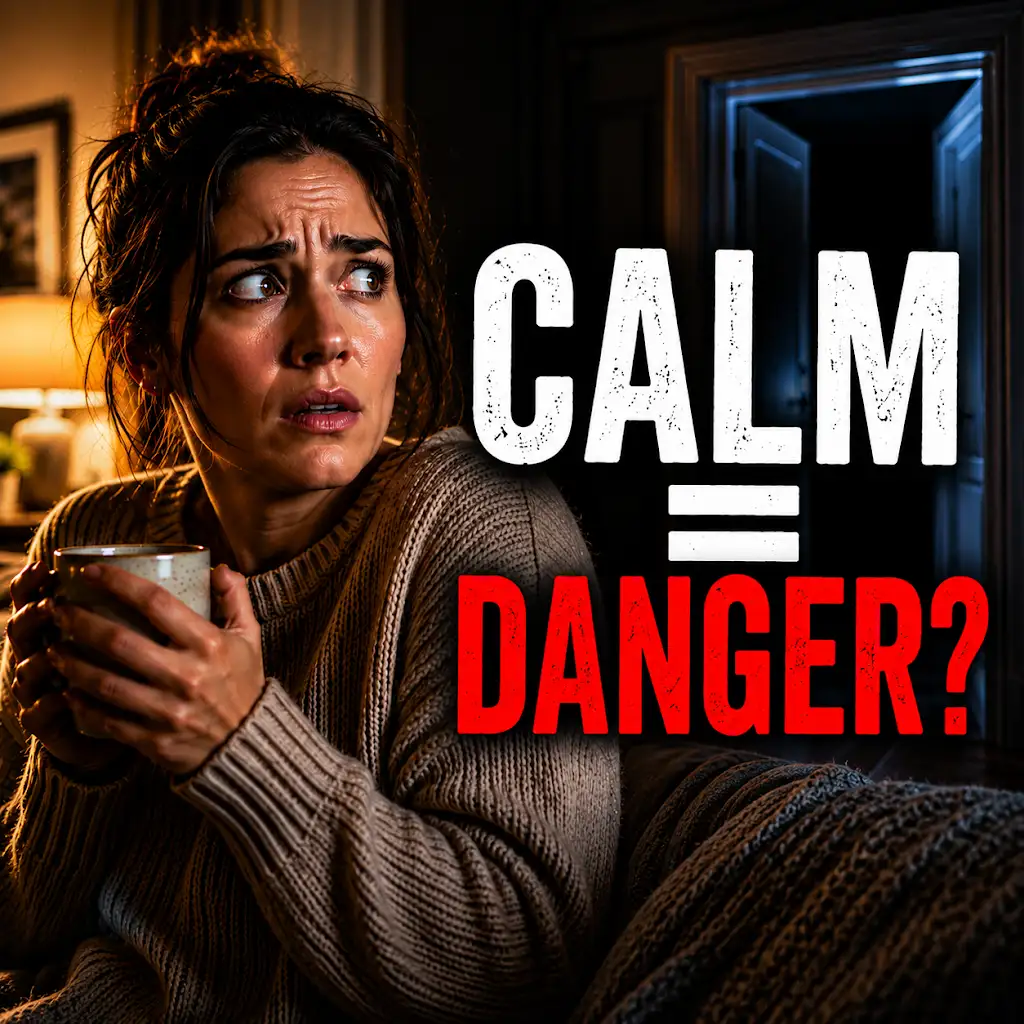
Except… you’re not. Not really. Instead, a prickle of unease is starting to crawl up your spine. Your jaw is clenched, your breath is shallow, and your mind is a runaway train, careening through a mental landscape of unfinished tasks, looming deadlines, and what-ifs. This, my friend, is the paradox of relaxation, and for you, it’s an anxiety-inducing labyrinth.
You’ve read all the articles, seen all the Instagram-perfect retreats, heard all the well-meaning advice. “Just breathe,” they say. “Be present,” they coo. “Let go,” they whisper. And you try. Oh, how you try. But somehow, the very act of attempting to relax feels like a monumental effort, a stressful performance where the stakes are your own sanity.
The Tyranny of the “Should”
You’re bombarded by the constant cultural narrative that relaxation is a duty. It’s not just a pleasant pastime; it’s a vital component of a successful, balanced life. And if you’re not achieving peak relaxation, if you’re not emerging from your self-care sessions radiating Zen, then you’re failing. You’re failing at being healthy, at being productive, at being a good human being. This pressure, this unspoken expectation, is the first crack in your relaxation edifice.
The Guilt of Doing Nothing
This is where it truly begins to unravel. You’re supposed to be unwinding, but instead, you’re acutely aware of all the things you could be doing. That pile of laundry isn’t going to fold itself. Your inbox is a ticking time bomb. That important email you’ve been meaning to send? It’s still there, mocking you from your mental to-do list. The sheer act of not being productive feels like a dereliction of duty. You should be resting, yes, but the nagging voice whispers, “You should be getting things done.”
The Internal Judgment
When you’re supposed to be peaceful, any flicker of an anxious thought feels like a personal failing. You’re not just stressed; you’re bad at being relaxed. You might try to push these thoughts away, which, as you know, only makes them louder. You judge yourself for not being able to achieve the effortless calm you see in others. It’s a vicious cycle: you feel anxious about not relaxing, which makes you more anxious, and thus, less relaxed.
The Social Comparison Trap
Scrolling through social media, you see curated images of people blissfully meditating on a mountaintop or luxuriating in spa baths. They seem to have mastered the art of serene detachment. This breeds a sense of inadequacy. If everyone else can do it, why can’t you? This comparison, even if subconscious, amplifies your internal monologue of self-criticism and deepens your anxiety.
Many people experience a paradoxical response to relaxation, where the very act of unwinding can trigger feelings of anxiety. This phenomenon can be attributed to various factors, including the fear of losing control or the discomfort of facing unresolved thoughts and emotions that surface during quiet moments. For a deeper understanding of this topic, you can explore the article on Unplugged Psych, which discusses the complexities of relaxation and anxiety in detail. To read more, visit this article.
The Performance of Peace
You approach relaxation like a high-stakes exam. You’ve done your homework – bought the candles, downloaded the meditation app, chosen the calming playlist. Now, you must perform. You’re not just seeking peace; you’re trying to achieve it, to produce it. And this need to perform inherently creates tension.
The Pressure to Feel a Certain Way
You’ve been told that relaxation feels good. It’s supposed to bring about feelings of joy, contentment, and ease. But what if it doesn’t? What if, instead, you feel restless, agitated, or even more anxious? This disconnect between the expected outcome and your actual experience creates a new layer of anxiety. You’re not just failing to relax; you’re failing to feel relaxed, which feels like an even bigger failure.
The Quest for the “Perfect” Relaxation
There’s a notion that there’s a “right” way to relax, a perfect ritual that will unlock ultimate tranquility. This leads to endless experimentation and an obsession with finding the ideal method. You might try yoga, then meditation, then reading, then a warm bath, then a nature walk. Each time, you hold it to an impossibly high standard, and when it doesn’t immediately grant you nirvana, you dismiss it and move on to the next supposed cure. This constant searching and evaluating is anything but relaxing.
The Fear of Interruption
Even when you manage to achieve a fleeting moment of calm, there’s an underlying fear of it being snatched away. You might be mid-meditation when you hear a car horn outside, or a notification pings on your laptop (even if you told yourself you wouldn’t check it). This vigilance, this anticipation of disruption, prevents you from truly sinking into the present moment. You’re so busy trying to protect your fragile peace that you can’t actually enjoy it.
The Mind’s Unwillingness to Cooperate
Your brain, it turns out, has a mind of its own, and it’s not always inclined to switch off when you command it. For many of us, especially those prone to anxiety, our minds are wired for vigilance, for problem-solving, for anticipating danger. Telling such a mind to simply “stop thinking” is like telling a hummingbird to sit still.
The Intrusive Thought Epidemic
The harder you try to suppress thoughts, the more they tend to surface. This is particularly true for anxious thoughts, which often feel urgent and important. The moment you try to quiet your mind, that nagging worry about a work project or an awkward social interaction you had years ago can surge to the forefront. You’re not just trying to relax; you’re actively fighting a battle against your own cognitive processes.
The “What If” Machine
Your mind is a brilliant engine for hypothetical scenarios. While this can be a useful tool for planning and problem-solving in productive contexts, it becomes a torment when you’re trying to relax. You find yourself spiraling into endless “what if” chains: “What if I get sick?” “What if I miss that important deadline?” “What if I say something embarrassing tomorrow?” These projections of future anxieties hijack your present peace.
The Difficulty of Being Present
Mindfulness, the cornerstone of many relaxation techniques, is the practice of being present in the current moment without judgment. For you, this can be an immense challenge. Your mind is always flitting between the past and the future, rarely settling in the now. The very instruction to “be present” can make you feel more aware of your inability to be present, thus increasing your anxiety.
The Body’s Resistance to Stillness
It’s not just your mind that rebels against the idea of relaxation; your body can too. When you’re accustomed to a certain level of tension, physical stillness can feel unnatural and even alarming.
The Physical Manifestations of Stress
You might carry your stress in your shoulders, your jaw, your stomach. When you try to relax these muscles, the sudden release can feel strange, almost like a loss of control. You might even experience physical symptoms that mimic anxiety, such as a racing heart or shallow breathing, simply because your body is accustomed to being in a state of alertness.
The Disconnect Between Mind and Body
You intellectually understand that you should be relaxing, but your body hasn’t received the memo. It’s still holding onto that tension, that readiness for action. This disconnect can be frustrating. You try to calm your mind, but your body remains a knot of unease. You try to release physical tension, but your mind continues to race, feeding the physical symptoms.
The Unfamiliarity of True Rest
For many, especially those who have been chronically stressed or anxious for a long time, deep, unadulterated rest can feel alien. Your nervous system has become accustomed to a higher baseline of arousal. When you attempt to lower it, it can feel like you’re entering uncharted territory, and that unfamiliarity can be anxiety-provoking in itself.
Many people find that relaxation techniques, while intended to reduce stress, can sometimes lead to feelings of anxiety instead. This paradox can stem from the pressure to relax perfectly or the discomfort of facing one’s thoughts in a quiet moment. For a deeper understanding of this phenomenon, you might find it helpful to read an insightful article on the topic. You can explore more about this at Unplugged Psych, where they discuss the complexities of relaxation and anxiety in greater detail.
Redefining Relaxation for the Anxious Soul
So, what’s a stressed-out, relaxation-averse individual to do? The good news is that the paradox of relaxation isn’t an insurmountable barrier. It simply means you need to approach relaxation differently, with more self-compassion and a less rigid definition.
Embracing Imperfect Relaxation
The first step is to acknowledge that your relaxation might not look like anyone else’s. It might be messy. It might involve moments of frustration. It might not involve perfectly serene yoga poses or silent meditation. Allow yourself to have imperfect relaxation. This means letting go of the “shoulds” and the performance anxiety. Your goal isn’t to achieve a state of perfect Zen; it’s to create small pockets of ease and respite in your day.
Setting Realistic Expectations
Instead of aiming for profound tranquility, aim for a gentle shift. Perhaps your goal for a relaxation session isn’t to feel completely calm, but simply to feel slightly less stressed, or to notice one less intrusive thought. Lowering the bar can make the process feel more attainable and less overwhelming.
Shifting from “Doing” to “Allowing”
Instead of actively trying to make yourself relax, try to allow yourself to be. This is a subtle but important shift. It means observing your thoughts and feelings without judgment, rather than trying to control or change them. It’s about creating space for whatever arises, even if it’s anxiety.
Finding Your Own Definition of Rest
Relaxation isn’t a one-size-fits-all phenomenon. What one person finds deeply calming, another might find agitating. Experiment with different activities that don’t necessarily fit the traditional “relaxation” mold. Perhaps it’s listening to an audiobook that engrosses you, engaging in a creative hobby that allows you to lose yourself, or even engaging in light physical activity that releases pent-up energy. The key is to find what genuinely brings you a sense of ease and respite, even if it doesn’t involve candles and essential oils.
The Power of Gentle Engagement
Sometimes, the best way to combat a racing mind is not to fight it, but to gently redirect it. This could involve engaging in an activity that requires a low level of focus, such as a jigsaw puzzle, a simple craft, or even watching a documentary on a topic that mildly interests you. The aim is to occupy your mind without demanding intense concentration.
Prioritizing Micro-Breaks
Instead of waiting for extended periods to attempt relaxation, integrate small moments of pause throughout your day. This could be a five-minute walk outside, a few deep breaths between tasks, or simply closing your eyes and focusing on your senses for a minute. These micro-breaks, while seemingly insignificant, can accumulate and provide valuable moments of respite.
You are not alone in this paradox. The very act of trying to achieve a state that feels so elusive can be a source of significant stress. But by understanding the underlying mechanisms at play and by embracing a more flexible, compassionate approach, you can begin to untangle the knot of anxiety that relaxation has become. It’s a journey, not a destination, and your journey might be a little more winding, a little more imperfect, but no less valuable. The goal isn’t to escape your thoughts, but to learn to coexist with them, finding moments of peace not despite them, but alongside them. And that, for you, might just be the most profound relaxation of all.
Your Life Is Safe. So Why Are You Still on Alert?
FAQs

What is relaxation-induced anxiety?
Relaxation-induced anxiety refers to the experience of feeling anxious or stressed when trying to relax or engage in activities meant to reduce stress. This can include feelings of restlessness, racing thoughts, and an inability to fully unwind.
What are the potential causes of feeling anxious during relaxation?
There are several potential causes of feeling anxious during relaxation, including underlying anxiety disorders, fear of losing control, past traumatic experiences, and an inability to fully disconnect from stressors. Additionally, some individuals may feel guilty or undeserving of relaxation, leading to increased anxiety.
How can relaxation techniques sometimes trigger anxiety?
Relaxation techniques can sometimes trigger anxiety due to the body’s natural response to stress. When individuals attempt to relax, their bodies may interpret this as a signal to release pent-up stress and tension, leading to an initial increase in anxiety before the body fully relaxes.
What are some strategies for managing relaxation-induced anxiety?
Strategies for managing relaxation-induced anxiety include gradually introducing relaxation techniques, practicing mindfulness and deep breathing, seeking professional help if anxiety becomes overwhelming, and addressing any underlying issues contributing to the anxiety.
When should someone seek professional help for relaxation-induced anxiety?
If relaxation-induced anxiety significantly impacts daily functioning, persists over time, or causes significant distress, it is important to seek professional help. A mental health professional can provide guidance, support, and potential treatment options for managing relaxation-induced anxiety.