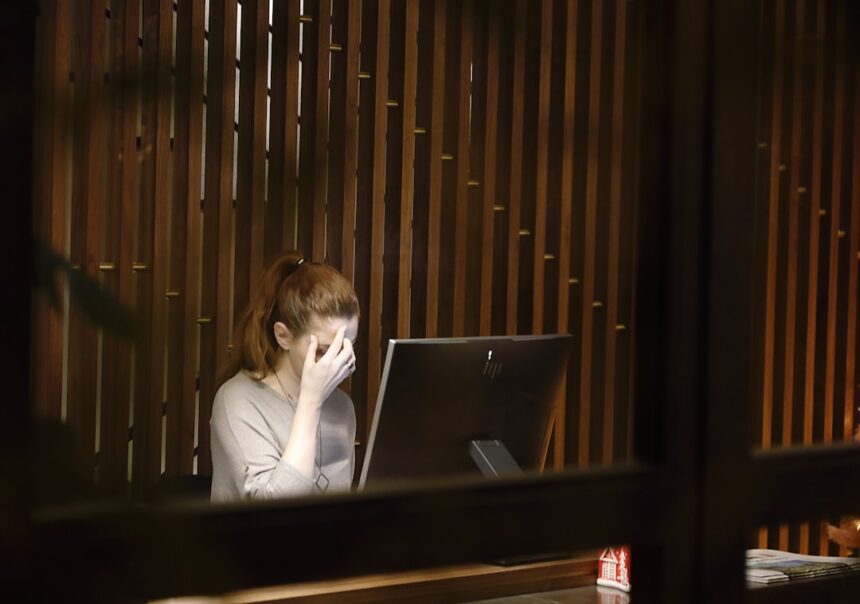
You crave it, don’t you? That elusive, serene state. The absence of frantic thoughts, the gentle ebb and flow of peace. You picture it: a tranquil lake, a quiet library, a mindful meditation session where your mind is a still, clear pool. Yet, for you, this promised land of calm often arrives with a gnawing undercurrent of anxiety. It’s a paradox, a frustrating riddle you can’t quite solve: why does the very thing you strive for, the absence of chaos, so reliably stir up your own internal storm?
The moment you achieve a semblance of calm, it’s as if a tiny alarm bell starts to ring in the back of your mind. It’s not a loud, blaring siren, but a soft, persistent whisper, urging you to look closer.
The Illusion of Stillness
You’ve worked hard to create this stillness. You’ve pushed away the intrusive thoughts, you’ve silenced the nagging worries, you’ve navigated the treacherous waters of your own mental landscape and finally, finally, you’ve arrived at a place of apparent peace. But here’s the rub: this stillness feels fragile, like a thin veneer over something much deeper and more volatile. You suspect it’s not a true absence of disruption, but a temporary suppression, a holding of your breath. And the act of holding your breath, as you well know, is inherently anxiety-inducing. You’re constantly aware of the effort involved, the precarious balance you’re maintaining.
The Imminent Threat of Disruption
Your mind, accustomed to the hum of activity, interprets this quiet as a lull before the storm. It’s like being in a quiet room after a period of intense noise; your senses are hyper-alert, waiting for the next sound to shatter the silence. You find yourself scanning the horizon, both internal and external, for any sign of impending trouble. Is that a new worry forming? Is that a forgotten task about to resurface? This anticipatory anxiety, the fear that the calm will inevitably be broken, is a significant driver of your unease. The longer the calm persists, the more this fear intensifies, as the perceived probability of disruption increases with time.
The Echoes of Past Chaos
Your past experiences have taught you that periods of calm are rarely permanent. They are often fleeting interludes between significant upheavals. Whether it was personal turmoil, professional challenges, or simply the relentless demands of everyday life, you’ve learned to brace yourself for the inevitable return of chaos. This ingrained pattern makes it difficult to trust the present moment of peace. You’re subconsciously preparing for the next crisis, and this preparation, ironically, creates its own form of anxiety. The calm you’ve achieved feels less like a destination and more like a brief respite before the next battle.
Many individuals experience a peculiar sensation where calmness triggers feelings of anxiety, even when there is no apparent reason for concern. This phenomenon can be linked to the body’s natural response to stress and the brain’s tendency to seek out patterns, often interpreting tranquility as a precursor to potential threats. For further insights into this topic, you can explore a related article that delves into the psychological mechanisms behind such feelings and offers strategies for managing anxiety in seemingly peaceful situations. Check it out here: Unplugged Psych.
The Unsettling Nature of Productivity
When you are busy, when your hands are full and your mind is occupied, there’s a certain comfort in that. The output, the tangible results, offer a sense of control and validation. But when you’re calm, when the demands lessen, a different kind of pressure emerges.
The Void of Purpose
In the absence of urgent tasks or pressing deadlines, you can find yourself staring into a void. This void isn’t necessarily empty of things to do, but it can feel empty of meaningful things to do. The drive to be productive, to contribute, to achieve, is deeply ingrained. When that drive is not being actively channeled into external pursuits, it can turn inward, questioning your value and your purpose. This introspection, in the quiet of calm, can be more anxiety-provoking than the external pressures of busyness. You start to wonder if you’re doing enough, if you’re being enough.
The Pressure to “Do Something”
Society, and perhaps your own internal compass, often equates value with activity. You’re conditioned to believe that if you’re not actively engaged in something, you’re somehow falling behind or wasting time. So, even in moments of intended rest, you feel an almost compulsive urge to do something. This can manifest as a frantic need to organize, to learn something new, to plan for the future, or even to seek out minor inconveniences to occupy your mind. The inability to simply be without feeling the need to achieve is a significant source of your anxiety.
The Fear of Stagnation
Calm can sometimes feel like stagnation. It’s the absence of movement, of progress, of growth. And for you, stagnation is a terrifying prospect. You have a strong desire for self-improvement and a deep-seated fear of becoming complacent. When you are not actively learning, evolving, or pushing your boundaries, you can feel a sense of unease, as if you are slowly decaying. This fear of becoming stuck, of not reaching your full potential, can make even the most peaceful moments feel fraught with latent dread.
The Intimacy of Inner Space
When the external world quiets down, your internal world amplifies. This heightened awareness of your own thoughts and feelings can be a double-edged sword.
The Magnifying Glass of Self-Awareness
In a state of calm, you become acutely aware of your own thought processes. Every stray thought, every fleeting emotion, every subconscious bias comes into sharper focus. This enhanced self-awareness can be valuable, but it can also be overwhelming. You might notice patterns of negative thinking you’ve been unconsciously engaging in, or subtle anxieties that have been lurking beneath the surface. The calm environment acts like a magnifying glass, bringing these less-than-ideal aspects of yourself into glaring relief, and this heightened scrutiny can be deeply unsettling.
The Uninvited Guests of Past Regrets and Future Fears
Without the distraction of external stimuli, your mind has the space to wander, and often, it wanders to less pleasant destinations. Past regrets, missed opportunities, and unresolved conflicts can resurface with a vengeance. Simultaneously, anxieties about the future, about potential failures, and about the unknown can take root and flourish. The quiet of calm provides fertile ground for these “uninvited guests” to set up residence, making it difficult to enjoy the present moment.
The Challenge of Self-Acceptance
This amplified self-awareness, while potentially leading to growth, also brings the challenge of self-acceptance. When you see your flaws, your insecurities, and your less-than-perfect thoughts laid bare, it can be difficult to extend yourself the same grace you might offer to others. The calm environment can feel like an interrogation, where you are forced to confront aspects of yourself you might prefer to ignore. This lack of immediate acceptance can fuel your anxiety, as you grapple with the gap between who you are and who you believe you should be.
The Paradox of Control
You strive for control in your life, to orchestrate your experiences and minimize unexpected outcomes. But sometimes, the very act of seeking control leads to a loss of it.
The Illusion of Command
When you’re in a state of calm, you might feel a sense of mastery, a feeling that you have your impulses and your environment under control. This sense of command can be intoxicating, but it’s often an illusion. The underlying forces that drive your thoughts and behaviors are complex and often operate outside your conscious awareness. The calm you experience might be a temporary truce, not a permanent victory, in your ongoing battle for control. The knowledge that this control is tenuous can itself be a source of anxiety.
The Fear of Losing What You’ve Gained
The effort you’ve invested in achieving calm can make you fiercely protective of it. The thought of losing this hard-won peace can be more anxiety-provoking than facing immediate challenges. You become hyper-vigilant, constantly monitoring for threats to your equilibrium. This fear of losing what you’ve gained can lead to a self-fulfilling prophecy, where your anxiety about losing calm actually destabilizes it. It’s like trying to hold water in your hand; the tighter you squeeze, the more it slips away.
The Uncontrollable Nature of Existence
Ultimately, the universe is inherently unpredictable. There are forces at play that are far beyond your control, and the calm you experience is a fragile bubble in a vast, chaotic expanse. The recognition of this fundamental uncontrollability can be deeply unsettling. When you are forced to confront the limits of your influence, especially during moments of quiet reflection, it can trigger existential anxieties. The calm doesn’t erase these truths; it simply makes them more apparent, and for you, more frightening.
Feeling anxious during moments of calm can be perplexing, especially when everything seems to be going well. This phenomenon is often linked to our brain’s tendency to seek out problems or stressors, leading to a sense of unease even in peaceful situations. To explore this further, you might find the insights in a related article on the Unplugged Psych website helpful. It delves into the psychological mechanisms behind anxiety and how our minds can sometimes create tension when there is none. For more information, you can read the article here.
The Social Mirror and the Performance of Peace
| Reasons | Effects |
|---|---|
| Overthinking | Increased heart rate |
| Anticipation of unknown | Feeling of unease |
| Hyperawareness | Difficulty in relaxing |
| Need for constant stimulation | Restlessness |
Your anxiety around calm is also influenced by how you perceive yourself and how you believe others perceive you.
The Performance of Serenity
You may feel an unspoken pressure to perform serenity. When you are in a situation where calmness is expected or admired, you can feel like you’re on stage. You meticulously curate your demeanor, ensuring you appear relaxed and composed, even if internally you’re a whirlwind of unease. This constant effort to maintain an outward facade of peace is exhausting and paradoxically, breeds anxiety. You worry about slipping up, about revealing the “real” you, the one who is not so calm after all.
The Fear of Being Perceived as Lazy or Unmotivated
In a world that often celebrates hustle and ambition, appearing too calm can be misinterpreted. You might worry that others will perceive you as lazy, unmotivated, or lacking in drive. This external judgment, even if it’s just a figment of your imagination, can fuel your anxiety. You feel compelled to demonstrate your busyness or your engagement to avoid being labeled negatively, even when you’re actively seeking a period of respite.
The Comparison Trap
When you observe others who seem effortlessly calm, it can trigger a comparison trap. You wonder why they can achieve this state so easily while you struggle. This comparison can lead to feelings of inadequacy and self-doubt, adding another layer to your anxiety. You might even question the authenticity of their calm, suspecting they are also performing, which can lead to a cynical and anxious outlook.
You are not alone in this paradox. The pursuit of calm is a noble one, but for many, especially those prone to anxiety, it’s a path fraught with unexpected turns. It’s a testament to your sensitivity, your awareness, and your complex inner world. Instead of fighting this paradox, perhaps it’s time to understand it. To acknowledge that your anxiety in calm is not a sign of failure, but a signal. A signal that you are aware, that you are thoughtful, and that your journey towards true peace might be less about achieving a perfect stillness and more about learning to navigate the gentle waves of your own inner existence, even when they feel a little choppy. The paradox of calm isn’t a dead end; it’s an invitation to a deeper, more nuanced understanding of yourself.
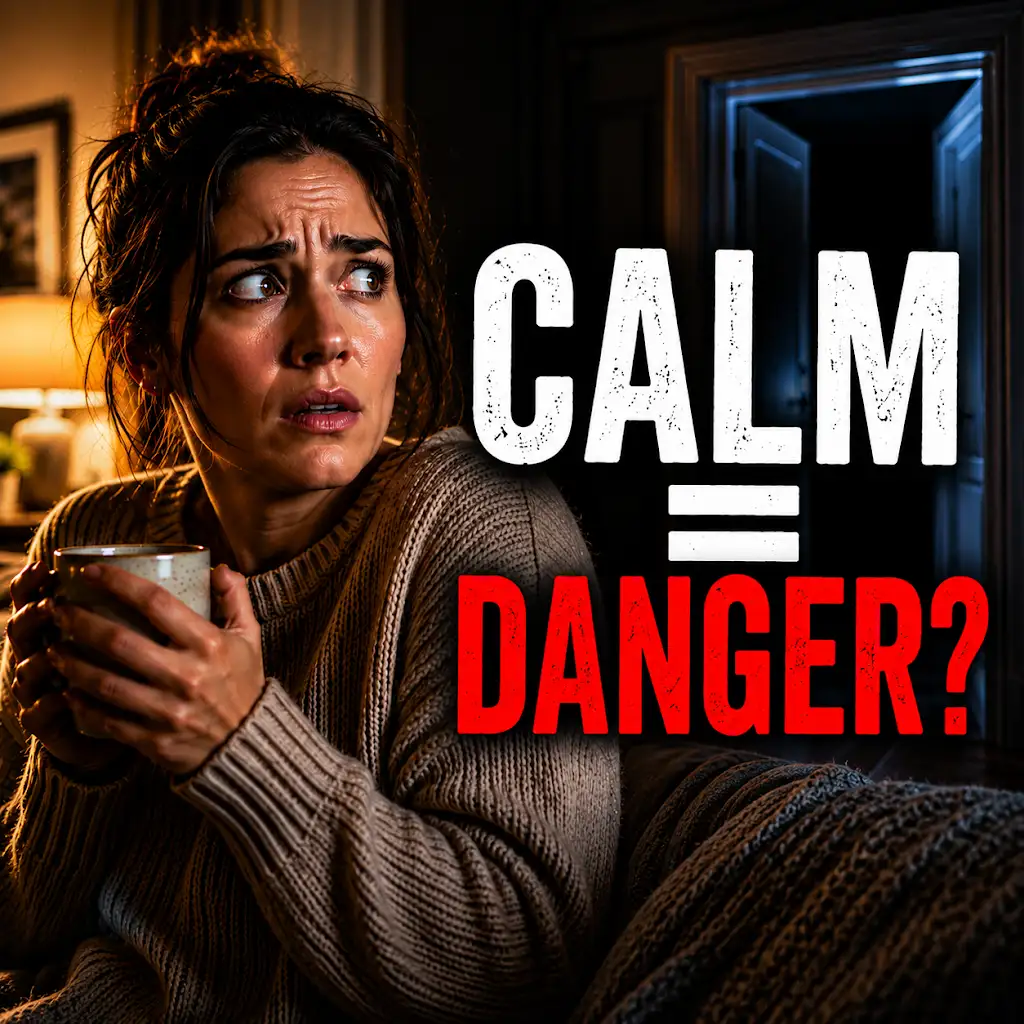
Your Life Is Safe. So Why Are You Still on Alert?
FAQs
What is the “calm makes me anxious” phenomenon?
The “calm makes me anxious” phenomenon refers to the experience of feeling anxious or uneasy when everything seems to be going well and there are no apparent problems or stressors present. This paradoxical reaction to calmness can be confusing and distressing for individuals who experience it.
What are the possible reasons for feeling anxious when everything is calm?
There are several potential reasons for feeling anxious when everything is calm, including underlying anxiety disorders, a fear of the unknown or uncertainty, a habit of constantly expecting the worst, or a discomfort with stillness and quiet. Additionally, past traumatic experiences or a history of chronic stress can contribute to this reaction.
How can feeling anxious during calm moments impact daily life?
Feeling anxious during calm moments can impact daily life by causing distress, disrupting sleep, affecting concentration and productivity, and leading to avoidance of situations that trigger anxiety. It can also strain relationships and contribute to a cycle of worry and anticipation of future anxiety-provoking situations.
What are some strategies for managing anxiety during calm periods?
Strategies for managing anxiety during calm periods include practicing mindfulness and relaxation techniques, seeking professional help from a therapist or counselor, challenging negative thought patterns, engaging in regular physical activity, maintaining a healthy lifestyle, and developing coping skills to navigate anxious feelings.
When should someone seek professional help for anxiety during calm periods?
It is advisable to seek professional help for anxiety during calm periods if the feelings of anxiety significantly interfere with daily functioning, persist for an extended period of time, or cause significant distress. A mental health professional can provide assessment, support, and guidance for managing anxiety effectively.