
You’ve been there. That gnawing emptiness, that creeping chill that settles in your gut when words aren’t spoken, when questions hang unanswered, when vulnerability is met with a void. It’s the silent treatment, and you know, deep down, it often hurts more than a harsh rejection. Hearing “no” is painful, no doubt. It’s a definite answer, a closed door, and while it stings, it’s also clear. Silence, however, is ambiguous, a swirling fog of uncertainty that erodes trust and connection. It leaves you grasping for meaning, fabricating narratives, and often, assuming the worst. This isn’t just a minor annoyance; it’s a profound emotional wound that can cripple even the strongest of bonds.
You’ve articulated a need, a desire, a concern. You’ve laid your heart bare, or at least a significant part of it, hoping for a response, for acknowledgment, for a shared understanding. And then… nothing. The silence that follows is deafening. It’s not the peaceful quiet of shared contentment; it’s the anxious quiet of being unheard. You replay the conversation, dissecting every word, every facial expression, searching for clues that aren’t there. Your mind becomes an echo chamber, amplifying your anxieties and filling the void with your worst fears.
The Weight of Assumption
When faced with silence, your brain, desperate for resolution, begins to fill in the blanks. You don’t have facts, so you construct them.
The “They Don’t Care” Narrative
This is often the first, and most potent, assumption that creeps in. You interpret their lack of response as a direct indicator of their indifference. You tell yourself, “If they cared, they would say something. They would acknowledge my feelings. Their silence means they don’t value me or my needs.” This narrative is particularly damaging because it erodes your sense of self-worth and your belief in the relationship’s foundation.
The “I’m Not Worthy of a Response” Fear
Sometimes, the silence can trigger a deeper insecurity. You might start to question your own worthiness of their attention or their emotional energy. The unspoken question becomes, “Am I not important enough for them to even bother responding? Is my pain insignificant?” This can lead to feelings of shame and a reluctance to express yourself in the future, creating a vicious cycle.
The “They’re Angry/Upset” Interpretation
Another common assumption is that the silence signifies unspoken anger or disapproval. You might believe they are deliberately withholding their feelings, punishing you through their quietude. This can lead to a heightened sense of walking on eggshells, a constant state of anxiety about saying or doing the wrong thing, and a desperate attempt to preemptively apologize for offenses you may not have even committed.
The Erosion of Trust
Trust is the bedrock of any healthy relationship. When you consistently face silence instead of dialogue, that bedrock begins to crumble. You can’t trust someone to be there for you emotionally if they consistently disappear into silence when you need them most. This isn’t about a momentary lapse; it’s about a pattern of behavior that signals a lack of reliable emotional support.
In exploring the emotional dynamics of relationships, one compelling article discusses the profound impact of silence and its often overlooked pain compared to the clarity of hearing a definitive “no.” The piece highlights how silence can lead to feelings of uncertainty, anxiety, and rejection, which can be more damaging than the straightforwardness of a negative response. For further insights into this topic, you can read the article here: Unplugged Psych.
The Phantom Limb of Connection
A relationship is built on the exchange of thoughts, feelings, and experiences. It’s a dynamic entity that thrives on communication. When silence becomes a dominant force, it’s like a phantom limb, a connection that should be there but isn’t, leaving you with a persistent ache. You feel a disconnect, a growing chasm between you, even when you’re physically together.
The Unseen Emotional Labor
You might find yourself doing a disproportionate amount of emotional labor. You’re the one initiating conversations about the issues, the one trying to bridge the gap, the one attempting to decipher the unspoken. This constant effort to maintain the connection, when met with silence, is exhausting. It feels like you’re holding up the entire relationship on your own.
The “Am I Crazy?” Doubt
The ambiguity of silence can lead you to question your own perceptions and sanity. When your attempts at communication are met with a blank wall, you begin to doubt whether the problem is as significant as you perceive it to be, or if you’re simply overreacting. This internal gaslighting, even if unintentional, is incredibly destabilizing.
The “Alone Together” Syndrome
You can be in the same room, sharing the same space, but feel utterly alone. The silence creates an invisible barrier, a social isolation within the relationship itself. You long for that sense of shared experience, for the comfort of knowing you’re not navigating life’s challenges by yourself, but the silence denies you that solace.
The Diminishment of Intimacy
Intimacy, both emotional and physical, thrives on vulnerability and open communication. When silence dominates, intimacy begins to wither. You become less likely to share your deeper thoughts and feelings, fearing they will be met with the same frustrating void. This emotional distance inevitably creates a physical distance as well, as the spark that ignites and sustains intimacy is extinguished.
The Escalation of Resentment

Silence isn’t always passive; it can be an active choice, a weapon wielded in an attempt to control or punish. When you’re on the receiving end of this silence, the initial hurt can slowly morph into a bitter resentment.
The Unresolved Conflicts
Every unanswered question, every unaddressed concern, becomes a pebble in your shoe. Over time, these pebbles accumulate, forming a mountain of unresolved conflict. You can’t move forward when issues are left simmering beneath the surface, their unspoken nature only intensifying their potential to fester.
The “Holding a Grudge” Trap
While you might not be consciously “holding a grudge,” the persistent feeling of being unheard and unacknowledged can lead to a passive-aggressive undercurrent in the relationship. You might find yourself being less patient, more critical, or withdrawing in subtle ways, a subconscious retaliation for the silence you’ve endured.
The “What’s the Point?” Apathy
When your efforts to communicate are consistently met with silence, a sense of futility can set in. You might start to ask yourself, “What’s the point of even trying to talk about this? It won’t make a difference.” This apathy is a dangerous precursor to disengagement, as it signals a loss of hope in the possibility of resolution.
The Erosion of Respect
Respect is a two-way street. When one person consistently uses silence to shut down communication or avoid difficult conversations, it can be perceived as a profound lack of respect for the other person’s feelings and their right to be heard. You begin to wonder if your partner respects your perspective, your needs, or your emotional well-being.
The Silent Erosion of Self-Esteem
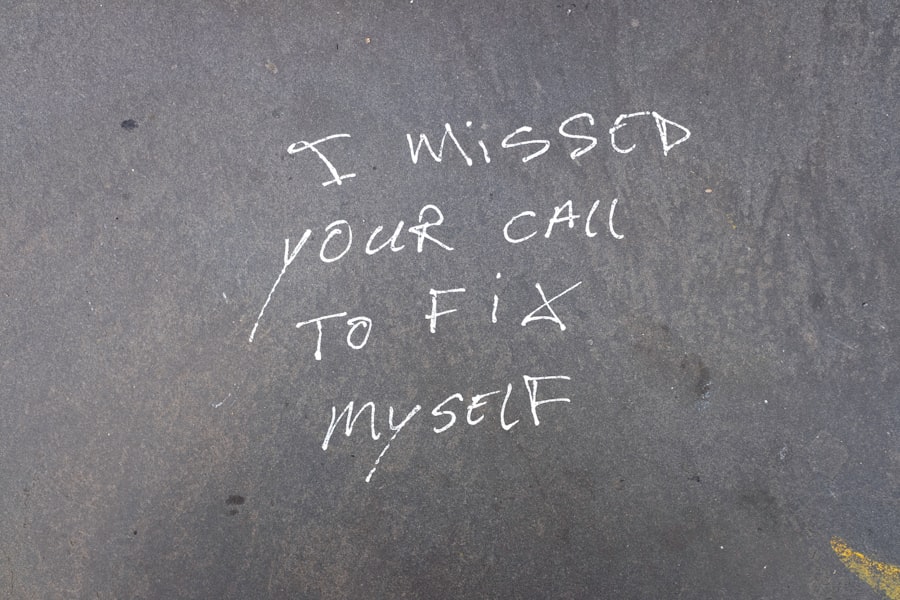
Your self-esteem is intricately linked to how you are treated and valued by those closest to you. When you are consistently met with silence, it chips away at your self-worth, leaving you feeling diminished and unimportant.
The Internalized Criticism
Without external feedback or acknowledgment, your mind can become its own harshest critic. You start to internalize the lack of response as a reflection of your own inadequacies. “Perhaps I’m too demanding,” you might think, or “Maybe my concerns are trivial.” This internalized criticism is more insidious than direct criticism because it comes from within.
The “Walking on Eggshells” Phenomenon
The fear of triggering further silence or negative repercussions can lead to a constant state of anxiety and self-monitoring. You become hyper-aware of your words and actions, trying to anticipate what might upset your partner and lead them to withdraw. This perpetual state of alert is emotionally draining and erodes your sense of freedom and spontaneity.
The “Is This Normal?” Question
You might find yourself questioning the health of your relationship and your own emotional responses. “Is this how healthy relationships work?” you ask yourself. “Am I expecting too much?” This self-doubt can be debilitating, making it difficult to assess the situation objectively and take appropriate action.
The Loss of Authentic Self-Expression
When you anticipate silence as the response to your expressions, you begin to censor yourself. You hold back your true thoughts, your genuine feelings, your authentic self. This suppression is a profound loss, not only for the relationship but for your own personal growth and well-being. You’re no longer fully present, no longer truly seen.
In relationships, the absence of communication can often be more painful than receiving a direct rejection, as silence leaves room for doubt and speculation. This phenomenon is explored in depth in an insightful article that discusses the emotional toll of unspoken words and the impact of silence on our mental well-being. For a deeper understanding of this topic, you can read more about it in this article, which highlights how the lack of clarity can lead to greater distress than simply hearing a no.
Breaking the Chains of Silence: Reclaiming Your Voice
| Reasons | Explanation |
|---|---|
| Creates uncertainty | Silence can leave the other person guessing and feeling unsure about the relationship. |
| Emotional impact | Being ignored or met with silence can be more hurtful than a direct rejection. |
| Lack of closure | Without communication, it’s difficult to gain closure and move on from the situation. |
| Breakdown of trust | Repeated silence can erode trust and create distance in the relationship. |
| Communication breakdown | Silence can lead to misunderstandings and hinder the resolution of issues. |
The pain of silence in relationships is a real and significant emotional burden. It’s a silent killer of connection, trust, and self-esteem. But it doesn’t have to be the end of the story. Recognizing the patterns and understanding the impact are the first steps towards breaking free.
The Courage to Confront
Confronting the silence isn’t about aggression; it’s about assertion. It’s about stating your needs and boundaries clearly and calmly. It’s about saying, “I need to talk about this. Your silence is hurting me, and we need to find a way to communicate more effectively.”
Setting Clear Expectations
It’s crucial to establish clear communication expectations from the outset, or to revisit them if they’ve been neglected. This might involve discussing what a “no” response signifies versus what silence means, and agreeing on certain timeframes for responses to important matters.
Seeking External Support
Sometimes, the patterns of silence are deeply ingrained, and external help is necessary. A therapist or counselor can provide a neutral space for both individuals to express themselves and learn healthier communication strategies. They can offer tools and techniques to navigate difficult conversations and rebuild trust.
The Power of Vulnerability
While silence often stems from a fear of vulnerability, it’s ironically through vulnerability that genuine connection is forged. This means being willing to express your hurt, your fears, and your needs, even if you fear a silent response. It also means being open to hearing your partner’s perspective, even if it’s difficult.
Active Listening as a Countermeasure
When you are the one receiving an attempt at communication, practicing active listening is paramount. This means putting aside your own internal dialogue, focusing on what your partner is saying, and reflecting back their words and feelings to ensure understanding.
The Art of the Direct Approach
Instead of waiting for the silence to become a suffocating blanket, learn to approach your partner directly with your concerns. Phrases like, “I’m feeling a bit disconnected because we haven’t talked about X, and I’d love to hear your thoughts,” can be more effective than hinting or waiting for them to initiate.
Rebuilding and Healing
Breaking free from the pain of silence is a process, not an event. It requires ongoing effort, patience, and a commitment to nurturing the relationship. By choosing dialogue over denial, understanding over assumption, and connection over isolation, you can begin to heal the wounds of silence and build a stronger, more resilient bond. Remember, your voice matters, and your needs deserve to be heard. The silence may have been a painful echo, but your spoken words have the power to create a symphony of understanding and connection.

Why Your Brain Can’t Let Go When Someone Ignores You
FAQs
1. What is the difference between silence and hearing “no” in a relationship?
Silence in a relationship can be more damaging than hearing a direct “no” because it leaves the other person feeling uncertain and ignored. Hearing “no” may be disappointing, but it provides closure and allows for clear communication.
2. How does silence impact a relationship?
Silence in a relationship can lead to feelings of rejection, confusion, and insecurity. It can create a sense of emotional distance and erode trust and intimacy between partners.
3. Why is it important to communicate openly in a relationship?
Open communication is essential in a healthy relationship as it fosters understanding, trust, and emotional connection. It allows partners to express their needs, concerns, and feelings, leading to a stronger and more fulfilling bond.
4. What are the potential consequences of using silence as a form of communication in a relationship?
Using silence as a form of communication in a relationship can lead to misunderstandings, resentment, and emotional distance. It can also create a toxic environment where issues are left unresolved and feelings are suppressed.
5. How can couples address the impact of silence in their relationship?
Couples can address the impact of silence in their relationship by actively listening to each other, expressing their feelings openly, and seeking professional help if needed. Building a foundation of trust and understanding can help overcome the negative effects of silence.