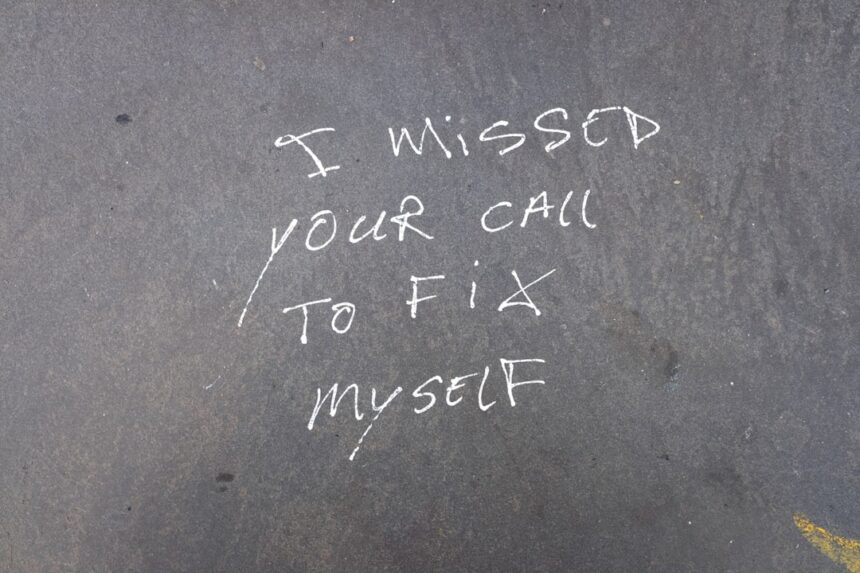
You’ve felt it, haven’t you? That hollow ache that settles in your chest when your words seem to evaporate into thin air, unheard. It’s a quiet, insidious pain, one that gnaws at you more deeply than the sharp sting of outright rejection. Rejection, in a strange way, confirms your existence. It means you put yourself out there, you took a risk, and the other person saw you enough to make a decision about you. Being ignored, however, is like being invisible. It’s a void, a silent dismissal that suggests you don’t even warrant a glance, let alone a judgment. This is the pain of being ignored, a unique brand of suffering that often cuts deeper than rejection.
You crave connection, it’s wired into your very being. From the earliest moments of your life, you learned to read faces, to interpret gestures, to feel the warmth of a held hand. These are the building blocks of your social and emotional world. When you are ignored, this fundamental human need is unmet, leaving a phantom limb of connection where a vibrant interaction should be.
The Unacknowledged Self
Imagine you’ve poured your heart into something – a project, an idea, a personal confession. You’ve invested time, emotion, and a piece of yourself. Then, you present it, and it’s met with silence. No feedback, no acknowledgment, no ripple in the pond of their awareness. This isn’t just about the specific thing you offered; it’s about you. Your efforts, your thoughts, your very presence have been rendered insignificant. This lack of acknowledgment can lead to a profound sense of alienation, as if your contributions are simply not real or valuable. It’s like shouting into a black hole; the sound goes out, but there’s no echo, no indication that anything registered.
The Erosion of Self-Esteem
When your attempts at communication are consistently met with silence, it’s easy to start questioning your own worth. You might begin to believe that what you have to say isn’t important, that your perspective doesn’t matter, or even that you are fundamentally uninteresting. This internal narrative, fueled by the external reality of being ignored, can be devastating to your self-esteem. You start to shrink, to censor yourself, to avoid putting yourself out there because the pain of being unheard is too great. It’s a vicious cycle: you are ignored, so you withdraw, and your withdrawal makes you even less likely to be noticed.
The Doubt of Intent
The ambiguity of being ignored is particularly cruel. With rejection, there’s a clear message, even if it’s painful. But with being ignored, you’re left to fill in the blanks. Was it intentional? Are they angry? Do they dislike you? Or are they simply oblivious? This uncertainty can breed anxiety and paranoia. You might spend hours replaying interactions, searching for clues, trying to decipher a meaning that may not even exist. This constant mental churning can be exhausting and emotionally draining, creating a low-level hum of distress that permeates your daily life.
Being ignored can often feel more painful than outright rejection, as it taps into our deep-seated need for connection and validation. When someone chooses to ignore us, it can evoke feelings of worthlessness and loneliness, leaving us questioning our value in social situations. A related article that delves deeper into this phenomenon can be found at Unplugged Psych, where the psychological implications of social exclusion and the emotional toll it takes on individuals are explored in detail. Understanding these dynamics can help us navigate our relationships more effectively and foster healthier connections.
The Silent Treatment: A Weapon of Power
The silent treatment is a classic tactic of emotional manipulation, and its effectiveness lies precisely in its ability to inflict the pain of being ignored. When someone chooses to ignore you, especially after a conflict or disagreement, they are wielding a powerful weapon. They are withdrawing not just communication, but their very presence, their acknowledgment, their humanity.
The Indifference as a Cruelty
Rejection, at least, implies an engagement. Someone has engaged with your request, your proposal, your existence, and decided against it. Being ignored, however, signifies indifference. It’s a declaration that you aren’t even worth the effort of a “no.” This lack of engagement can feel like a profound act of cruelty, as it strips away your agency and your perceived value. You are not even worthy of being dismissed.
The Dehumanizing Effect
When you are deliberately ignored, especially by someone you know and care about, it can feel deeply dehumanizing. It’s as if they have removed you from their social sphere, treating you as if you are not present, not a person with feelings and needs. This can lead to feelings of isolation and worthlessness. You are not an individual to them, but an inconvenient absence.
The Amplification of Insecurity
The silent treatment is particularly effective at preying on existing insecurities. If you already struggle with self-doubt or a fear of abandonment, being ignored can trigger these deepest anxieties. You might interpret their silence as confirmation of your worst fears, believing that you are inherently unlovable or unworthy of attention. This can lead to a desperate urge to regain their attention, even if it means compromising your own boundaries or self-respect.
The Unseen Labor of Communication
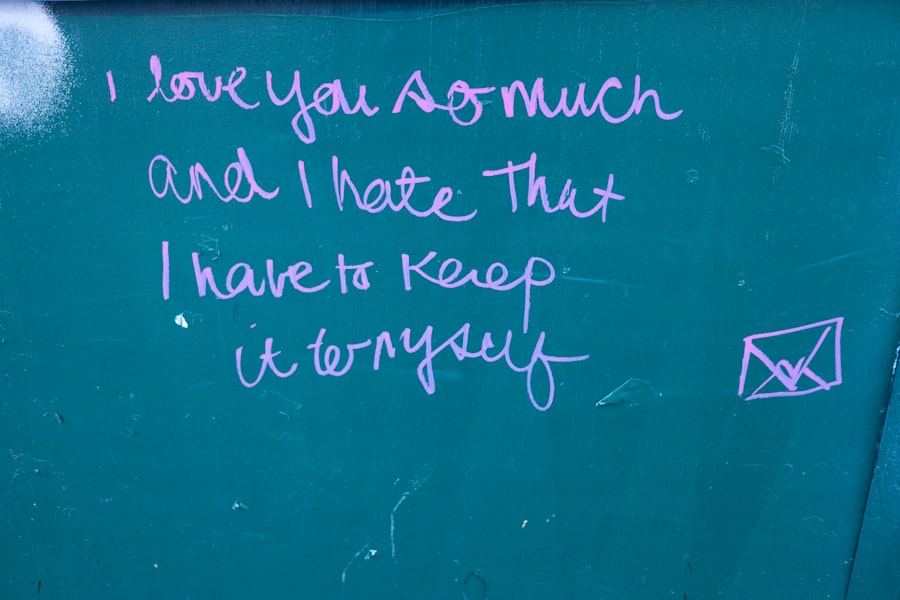
You invest a significant amount of energy into communicating with others. You choose your words carefully, you gauge your tone, you offer your thoughts and feelings. This is the unseen labor of building relationships and navigating social dynamics. When you are ignored, this labor feels wasted, a futile effort that yields no return.
The Effort Without Reward
Imagine you’re a gardener, meticulously tending to a patch of soil, planting seeds, watering, and weeding. You anticipate the growth, the blooms, the harvest. Now imagine that no matter what you do, the plants never sprout. That’s what it feels like when your communication is ignored. You put in the effort, you nurture the connection, and yet, nothing grows. This lack of reciprocity can be deeply demotivating and disheartening.
The Feeling of Being an Outlier
When you consistently experience being ignored, it can create a sense of being an outlier, someone who doesn’t quite fit into the social fabric. You start to feel like you’re on the outside looking in, observing others connect and interact while you remain on the periphery. This feeling of being an outsider can be intensely lonely and can lead to a reluctance to engage in future social interactions.
The Erosion of Trust
Trust is built on consistent and predictable interactions. When someone consistently ignores you, it erodes the foundation of trust. You begin to question their reliability, their sincerity, and their commitment to the relationship. How can you trust someone who doesn’t acknowledge your presence or your efforts? This breakdown of trust can have long-lasting consequences, making it difficult to form healthy and meaningful connections in the future.
The Psychological Toll: A Slow Burn of Anxiety and Depression

The pain of being ignored isn’t just a fleeting discomfort; it can have a profound and lasting psychological toll. It’s a slow burn that can contribute to feelings of anxiety, depression, and a general sense of malaise.
The Constant Vigilance
When you’re in situations where you’re likely to be ignored, you might find yourself in a constant state of vigilance. You’re hyper-aware of who is looking at you, who is speaking to whom, and who seems to be excluding you. This constant scanning of your social environment is mentally exhausting and can lead to heightened anxiety. You are always bracing yourself for the next moment of being overlooked.
The Loop of Self-Blame
The lack of external validation can lead to an internal loop of self-blame. You start to internalize the silence, interpreting it as a reflection of your own inadequacies. “I must have said something wrong.” “I’m not interesting enough.” “They don’t like me.” These thoughts, repeated over and over, can be incredibly damaging to your mental health, fostering feelings of shame and worthlessness.
The Diminishing Joy
When the constant threat of being ignored looms, it can sap the joy out of everyday interactions. You might become hesitant to participate in conversations, to share your enthusiasm, or to express your opinions. The fear of being met with silence can overshadow the potential for connection and enjoyment. Life can start to feel a little bit dimmer when you feel unseen.
Research suggests that being ignored can inflict deeper emotional pain than outright rejection, as the feeling of exclusion taps into our fundamental need for social connection. In a related article, the nuances of this phenomenon are explored, highlighting how social isolation can lead to feelings of worthlessness and anxiety. Understanding these dynamics can provide valuable insights into our emotional responses and relationships. For more information on this topic, you can read the full article here.
Reclaiming Your Voice: Strategies for Overcoming the Pain
| Reasons | Explanation |
|---|---|
| Uncertainty | Being ignored leaves you in a state of uncertainty, not knowing the reason for the silence. |
| Rejection | It feels like a direct rejection when someone chooses to ignore you rather than communicate openly. |
| Self-doubt | Being ignored can lead to feelings of self-doubt and questioning your worth. |
| Loneliness | It can make you feel isolated and alone, leading to a sense of loneliness. |
| Impact on self-esteem | Being ignored can have a significant impact on your self-esteem and confidence. |
The pain of being ignored is real and valid. However, it doesn’t have to define you. There are strategies you can employ to navigate this experience and reclaim your sense of self-worth.
Setting Boundaries and Asserting Your Needs
One of the most crucial steps is to set boundaries. If you are consistently being ignored in a particular relationship or context, you need to recognize this as unacceptable. This might involve direct communication, where you calmly express how their behavior affects you. “When I speak and you don’t respond, it makes me feel unheard.” If direct communication isn’t possible or effective, you may need to create distance.
The Power of Self-Advocacy
Learning to advocate for yourself is paramount. This means recognizing that your voice matters and that you have a right to be heard. It’s about understanding that your needs are valid and that you deserve to have them met. This might involve actively seeking out environments where you feel more valued and seen, and less inclined to be ignored.
The Importance of Self-Compassion
During times of feeling ignored, it’s vital to practice self-compassion. Treat yourself with the same kindness and understanding you would offer a friend in a similar situation. Acknowledge the pain without judgment, and remind yourself that your worth is not determined by the attention you receive from others. You are inherently valuable, regardless of whether someone notices.
Seeking Supportive Environments and Relationships
Surround yourself with people who value your presence and actively listen to you. Seek out friendships, family members, or colleagues who engage with you, who respond to your communications, and who make you feel seen and appreciated. These supportive relationships can act as a buffer against the pain of being ignored and reinforce your sense of belonging.
The Practice of Active Listening and Engagement
When you are in interactions, consciously practice active listening and engagement yourself. This not only strengthens your own communication skills but also sets a positive example and encourages reciprocal behavior. By showing others that you value their contributions, you increase the likelihood of receiving the same in return.
The Value of Professional Support
If the pain of being ignored is significantly impacting your mental health and well-being, don’t hesitate to seek professional support. A therapist or counselor can provide you with tools and strategies to process these experiences, build resilience, and develop healthier coping mechanisms. They can help you untangle the roots of these feelings and empower you to move forward with greater confidence.
The pain of being ignored is a silent thief of joy and self-worth. It’s a stark reminder of our innate need for connection and acknowledgment. While rejection can be a sharp jab, being ignored is a slow, persistent erosion of your sense of self. By understanding its nuances, recognizing its impact, and actively employing strategies for self-advocacy and boundary setting, you can begin to reclaim your voice and ensure that you are no longer an echo in an empty room, but a clear and resonant presence in the world. You deserve to be seen, heard, and valued.
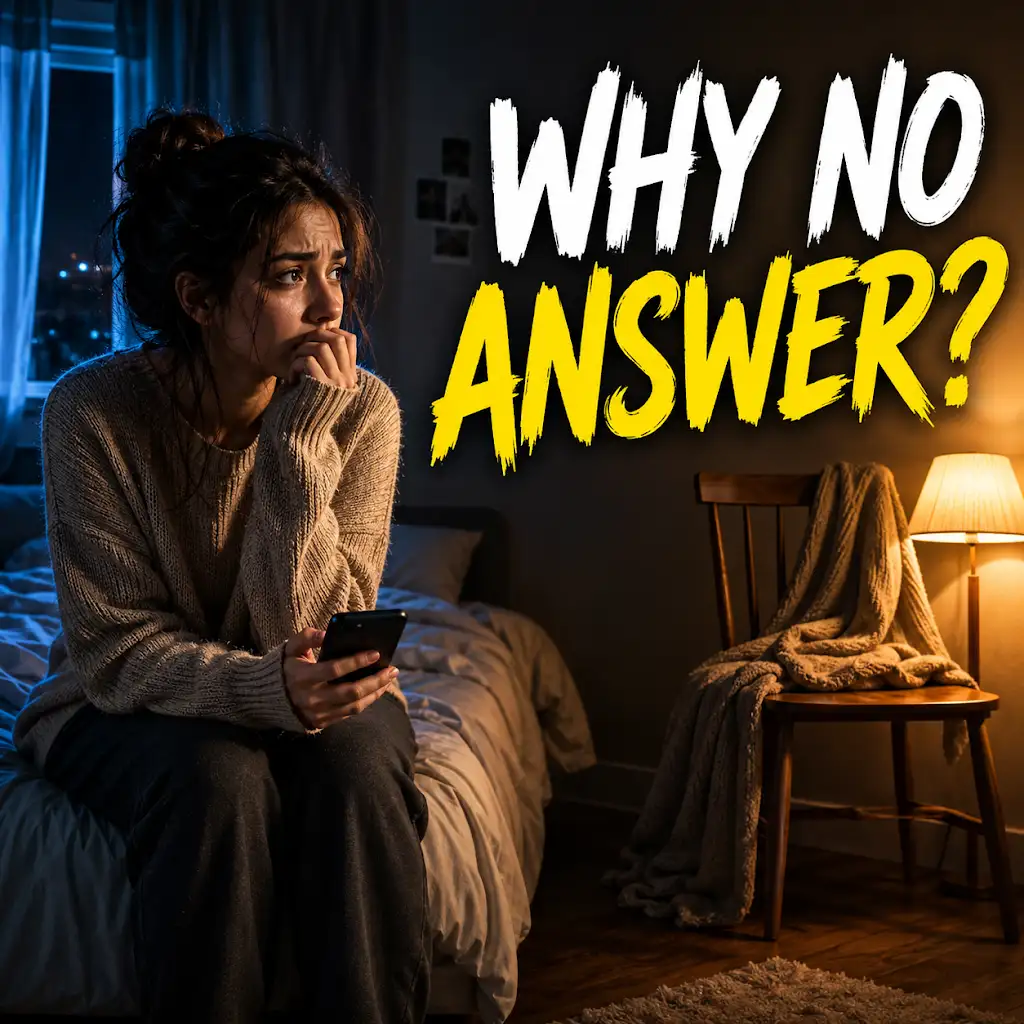
Why Your Brain Can’t Let Go When Someone Ignores You
FAQs
1. What is the difference between being ignored and rejection?
Being ignored is when someone deliberately chooses to not acknowledge or respond to you, while rejection is when someone actively declines or refuses your advances or requests.
2. Why does being ignored hurt more than rejection?
Being ignored can be more painful than rejection because it can make a person feel invisible, unimportant, and unworthy of acknowledgment. Rejection, on the other hand, provides closure and allows for the opportunity to move on.
3. How does being ignored affect mental health?
Being ignored can have a negative impact on mental health, leading to feelings of loneliness, low self-esteem, and even depression. It can also trigger anxiety and feelings of abandonment.
4. What are some ways to cope with being ignored?
Coping with being ignored can involve seeking support from friends and family, practicing self-care, and engaging in activities that bring joy and fulfillment. It’s also important to communicate openly and honestly with the person who is ignoring you, if possible.
5. How can individuals work on building resilience to being ignored?
Building resilience to being ignored involves developing a strong sense of self-worth, cultivating healthy relationships, and learning to cope with rejection and disappointment in a constructive manner. Seeking professional help from a therapist or counselor can also be beneficial in building resilience.