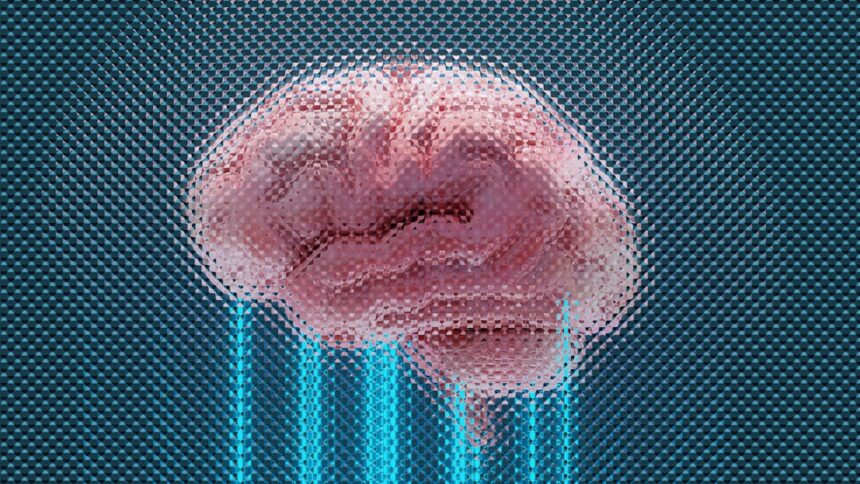
To truly understand the relentless grip of addiction, you must delve into the intricate landscape of your own brain. It’s a fascinating, albeit often harrowing, journey into the neuroscience of why your mind, in its most primal circuits, can develop such a powerful, almost irresistible urge to return to a substance or behavior, even when you know the consequences are dire. Think of your brain as a complex city, with bustling highways of neural communication, quiet residential areas of thought, and the ever-watchful district of decision-making. Addiction is like a persistent, invasive force that hijacks these pathways, rerouting traffic and eventually leaving the original city plan in tatters.
At the heart of addiction lies your brain’s reward system. This is not some nefarious development; in fact, it’s an evolutionary masterpiece designed to ensure your survival and propagation. This system is composed of a network of brain structures, including the ventral tegmental area (VTA), the nucleus accumbens, and the prefrontal cortex, all intricately connected. When you engage in activities that are beneficial for your survival – like eating, drinking water, social interaction, or sexual activity – these areas light up, releasing a surge of neurotransmitters, most notably dopamine.
Dopamine: The Master Motivator, Not Just the Pleasure Chemical
You’ve likely heard dopamine referred to as the “pleasure chemical.” While it plays a role in pleasure, its primary function is far more nuanced and crucial to understanding addiction. Dopamine acts as a powerful signal of salience or importance. It tells your brain, “Pay attention to this! This is good for you. Remember it. Do it again.” When you experience something rewarding, dopamine levels spike, reinforcing that behavior and increasing its likelihood of being repeated.
- The ‘Wanting’ vs. ‘Liking’ Distinction: It’s crucial to differentiate between the subjective feeling of pleasure (“liking”) and the motivational drive to seek out that pleasure (“wanting”). While substances of abuse can initially elevate pleasure, their long-term effect is primarily on the “wanting” system. This means even when the substance no longer brings the intense pleasure it once did, your brain still craves it
FAQs
What is the neuroscience behind repetitive behaviors?
Repetitive behaviors are often linked to the brain’s reward system, particularly involving the neurotransmitter dopamine. When an action triggers a pleasurable response, dopamine release reinforces the behavior, making it more likely to be repeated.
How does the brain’s reward system influence why people keep going back to certain activities or places?
The brain’s reward system, including areas like the nucleus accumbens and the ventral tegmental area, processes rewards and motivation. Positive experiences activate this system, creating a sense of pleasure and reinforcing the desire to return to those activities or places.
Can habits be explained by neuroscience?
Yes, habits form through neural pathways in the basal ganglia, a brain region involved in routine behaviors. Repeated actions strengthen these pathways, making the behavior automatic and easier to perform without conscious thought.
What role does memory play in why people keep returning to certain experiences?
Memory, particularly involving the hippocampus, helps store and recall past experiences. Positive memories associated with specific activities or places can trigger emotional responses that motivate individuals to revisit them.
Are there any neurological reasons why breaking a cycle of returning to the same behavior is difficult?
Breaking repetitive behaviors can be challenging because the brain’s reward circuits and habit-forming pathways create strong neural connections. Overcoming these requires conscious effort to rewire the brain through new experiences and consistent behavioral changes.