
The soft whir of the centrifuge, the sterile gleam of surgical tools, the hushed murmurs of research assistants – these were the everyday sounds and sights of Harry Harlow’s laboratory in the late 1950s. Yet, within these controlled environments, a revolutionary understanding of the most fundamental human experience was about to be unearthed. Harlow, a psychologist at the University of Wisconsin-Madison, embarked on a series of experiments with rhesus monkeys that would irrevocably alter the discourse on love, attachment, and the very essence of social development. His work, particularly the landmark 1958 paper, “The Nature of Love,” challenged prevailing theories and offered a starkly different, yet profoundly intuitive, perspective on the infant-mother bond.
The Prevailing Paradigm Before Harlow
Before Harlow’s groundbreaking research, the dominant psychological framework for understanding infant-mother relationships was rooted in behaviorism. This school of thought, championed by figures like B.F. Skinner, emphasized the role of reinforcement and conditioning in shaping behavior. Applied to infant care, this translated into the belief that the primary function of the mother was to provide nourishment. Infants, according to this view, would develop an attachment to their mothers simply because they were the source of food – the conditioned stimulus associated with the unconditioned stimulus of hunger satisfaction. The act of feeding was seen as the linchpin of the bond, and any emotional connection was considered a secondary byproduct, if it was acknowledged at all.
The Focus on Nutritional Dependency
Behaviorist theory posited that the infant’s survival depended on the mother’s ability to provide milk, and this physical dependence was the sole driver of attachment. The mother was viewed as a vending machine for sustenance, and the infant’s “love” was merely a learned response to the reward of food. This perspective, while offering a seemingly logical explanation based on observable behaviors, completely overlooked the rich tapestry of emotional and psychological needs that characterize early development. It reduced a complex and profound bond to a mere transactional relationship based on biological necessity. This utilitarian view left little room for the concept of comfort, security, or emotional solace as intrinsic components of the infant-mother dyad.
The Neglect of Emotional Needs
The behaviorist paradigm was notably devoid of an understanding of the infant’s intrinsic need for contact comfort. The idea that a baby might seek solace in a soft, warm embrace, independent of the immediate provision of food, was largely absent from the prevailing scientific discourse. Consequently, early child-rearing advice often prioritized practicalities like feeding schedules and hygiene over the intangible, yet crucial, aspects of emotional connection. This theoretical vacuum left a significant gap in understanding the foundational elements of healthy psychological development, paving the way for Harlow’s experiments to expose this critical oversight.
In exploring the nature of love, Harlow’s 1958 experiments with rhesus monkeys provide profound insights into attachment and emotional bonds. His research demonstrated the importance of comfort and security in the development of love, highlighting that physical affection often outweighs mere sustenance in fostering attachment. For a deeper understanding of these concepts and their implications in human relationships, you can read a related article on this topic at Unplugged Psych.
The Ingenious Design of Harlow’s Experiments
Harry Harlow’s genius lay not only in his theoretical insights but also in his meticulously crafted experimental designs. To isolate the variables he was interested in, he ingeniously created surrogate mothers that offered distinct forms of “care.” These surrogates, fashioned from wire and cloth, were the heart of his investigations into the nature of maternal affection. By removing the confounding variable of nourishment from one surrogate and focusing on tactile comfort in another, he could directly observe the infant monkeys’ preferences and infer their underlying motivations for attachment.
The Wire Mother vs. The Cloth Mother
Harlow’s most iconic experiments involved two surrogate mothers for infant rhesus monkeys, separated from their biological mothers shortly after birth. One surrogate, the “wire mother,” was equipped with a bottle for feeding. The other, the “cloth mother,” was covered in soft terrycloth but offered no food. The experimental setup was designed to answer a fundamental question: would the infant monkeys’ attachment be primarily driven by the provision of food, as behaviorist theory suggested, or by another factor? The early observations immediately suggested that something far more profound was at play.
Measuring Attachment and Preference
The researchers meticulously observed the infant monkeys’ behavior. They recorded how much time the infants spent with each surrogate, where they went for comfort when frightened, and how they reacted to the presence of each mother. This quantitative data allowed Harlow to draw statistically significant conclusions about the monkeys’ preferences. The infants, despite the wire mother being the sole source of nourishment, consistently and overwhelmingly gravitated towards the cloth mother. This preference was not a fleeting fascination; it was a sustained and deeply ingrained behavior, providing the first strong evidence against the purely nutritional theory of attachment.
The Revelation of Contact Comfort
The results of Harlow’s experiments were nothing short of revolutionary. The infant monkeys’ unwavering preference for the cloth mother, even when the wire mother provided sustenance, pointed unequivocally to a fundamental need that transcended mere biological survival. This need, which Harlow termed “contact comfort,” became the central pillar of his revised theory of attachment. It suggested that the warmth, softness, and tactile reassurance provided by a caregiver were as, if not more, crucial to an infant’s well-being as the provision of food.
The Primacy of Tactile Stimulation
The experiments clearly demonstrated that the physical sensation of being held and cuddled was a primary driver of attachment. The cloth mother offered this invaluable tactile stimulation, providing a sense of security and warmth that the wire mother, despite its nutritional offerings, could not replicate. When faced with stress or fear, the infant monkeys would not flee to the wire mother for reassurance, but rather to the comforting embrace of the cloth mother. This behavior powerfully illustrated that the need for emotional security, fostered through physical closeness, was a potent force in the development of the infant-mother bond.
Security and Exploration
Harlow’s research also revealed a crucial interplay between security and exploration. Infants who felt securely attached to their surrogate mothers, particularly the cloth mother, were more likely to venture out and explore their environment. The cloth mother served as a secure base from which the young monkeys could confidently investigate their surroundings, knowing that a comforting presence was always available. This finding highlighted how a secure attachment fosters independence and encourages cognitive development, as the infant feels safe enough to take risks and learn. The absence of such a secure base, conversely, led to increased anxiety and a reluctance to explore.
The Devastating Consequences of Deprivation
While Harlow’s initial experiments focused on the positive aspects of attachment, subsequent phases of his research delved into the harrowing consequences of maternal deprivation. These studies, often ethically challenging by today’s standards, provided stark and undeniable evidence of the profound and lasting damage that a lack of early social and emotional input could inflict. The monkeys raised without adequate maternal care exhibited severe behavioral deficits, painting a grim picture of the importance of nurturing relationships during critical developmental periods.
The “Wire Mother” Raised Monkeys
The monkeys raised solely by the wire mother, while surviving physically, displayed significant social and emotional impairments. They were often withdrawn, anxious, and struggled to interact with their peers. Their lack of experience with gentle touch and consistent comfort seemed to have robbed them of the basic social skills necessary for healthy relationships. This group served as a control, demonstrating that the presence of a mother figure, even one purely for feeding, was insufficient for normal psychological development. Their struggles underscored that attachment was not merely about receiving resources but about receiving emotional connection.
The “Rattlesnake” and “Surprise” Tests
To further probe the emotional impact of deprivation, Harlow introduced fear-inducing stimuli to the infant monkeys. When exposed to a mechanical “surprises” or a toy rattlesnake, the monkeys raised with the cloth mother would invariably rush to their surrogate for comfort. In contrast, the monkeys raised without the cloth mother, or those who had experienced partial deprivation, exhibited more extreme and maladaptive responses. Some would freeze in terror, while others would lash out aggressively. These responses highlighted the absence of coping mechanisms and the inability to regulate their emotions effectively due to the lack of secure attachment.
The Long-Term Impact of Isolation
The most distressing findings emerged from studies involving complete social isolation. Monkeys raised in isolation for the first few months or even a year of their lives exhibited severe and often irreversible psychological damage. They were unable to form normal social bonds, displayed abnormal motor behaviors, and were often aggressive or fearful towards other monkeys. This demonstrated that the early stages of life were a critical window for developing the capacity for social interaction and emotional regulation. The absence of this critical input had profound and lasting effects on their ability to function within a social group.
In exploring the complexities of attachment and affection, the groundbreaking study by Harlow in 1958 sheds light on the nature of love through his experiments with rhesus monkeys. His findings revealed the profound impact of nurturing and comfort on emotional development, which has been echoed in various psychological studies since then. For further insights into the dynamics of love and attachment, you can refer to a related article that delves into these themes in greater detail. This exploration can be found at this link.
Broader Implications for Human Development and Society
| Study | Researcher | Year | Subject | Key Findings | Implications |
|---|---|---|---|---|---|
| Nature of Love | Harry Harlow | 1958 | Rhesus Monkeys |
– Infant monkeys preferred cloth surrogate mothers over wire mothers – Contact comfort was more important than food in attachment – Social isolation led to severe emotional and behavioral issues |
– Demonstrated the importance of caregiving and companionship in social and cognitive development – Challenged behaviorist views that attachment is solely based on feeding |
The impact of Harry Harlow’s monkey studies extended far beyond the realm of animal psychology. His findings provided powerful evidence that challenged prevailing human child-rearing practices and had profound implications for our understanding of human development, mental health, and societal well-being. The “nature of love,” as illuminated by his work, spoke to a universal need for connection that underpinned healthy psychological growth.
Rethinking Infant Care and Parenting
Harlow’s research directly challenged the prevailing advice of the time, which often emphasized detachment and strict routines. His work championed the importance of maternal responsiveness, physical affection, and consistent emotional support. It provided scientific backing for the idea that a warm, nurturing relationship was not a luxury but a necessity for healthy infant development. This led to a paradigm shift in parenting advice, moving away from a purely disciplinary approach towards one that valued emotional bonding and responsiveness. The concept of “attachment parenting” can be seen as a direct descendant of Harlow’s insights.
Understanding Social and Emotional Disorders
The devastating effects of isolation and deprivation observed in Harlow’s monkeys offered crucial insights into the origins of various social and emotional disorders in humans. Conditions such as attachment disorders, social anxiety, and even some forms of aggression could be better understood through the lens of early relational experiences. His work underscored the vulnerability of the developing mind to the absence of positive social interactions and highlighted the importance of early intervention and therapeutic support for individuals who have experienced such deprivation.
Ethical Considerations and the Evolution of Research
While Harlow’s research provided invaluable insights, it also sparked significant ethical debate regarding the treatment of animals in psychological experiments. The distress experienced by the monkeys, particularly in the deprivation studies, raised important questions about the balance between scientific advancement and animal welfare. This debate has been instrumental in shaping contemporary ethical guidelines for animal research, leading to stricter protocols and a greater emphasis on minimizing animal suffering. The legacy of Harlow’s work, therefore, is not only in its scientific discoveries but also in its contribution to the ongoing evolution of ethical scientific practice. His studies, though controversial, ultimately paved the way for a more compassionate and informed approach to understanding the profound and enduring power of love and connection.
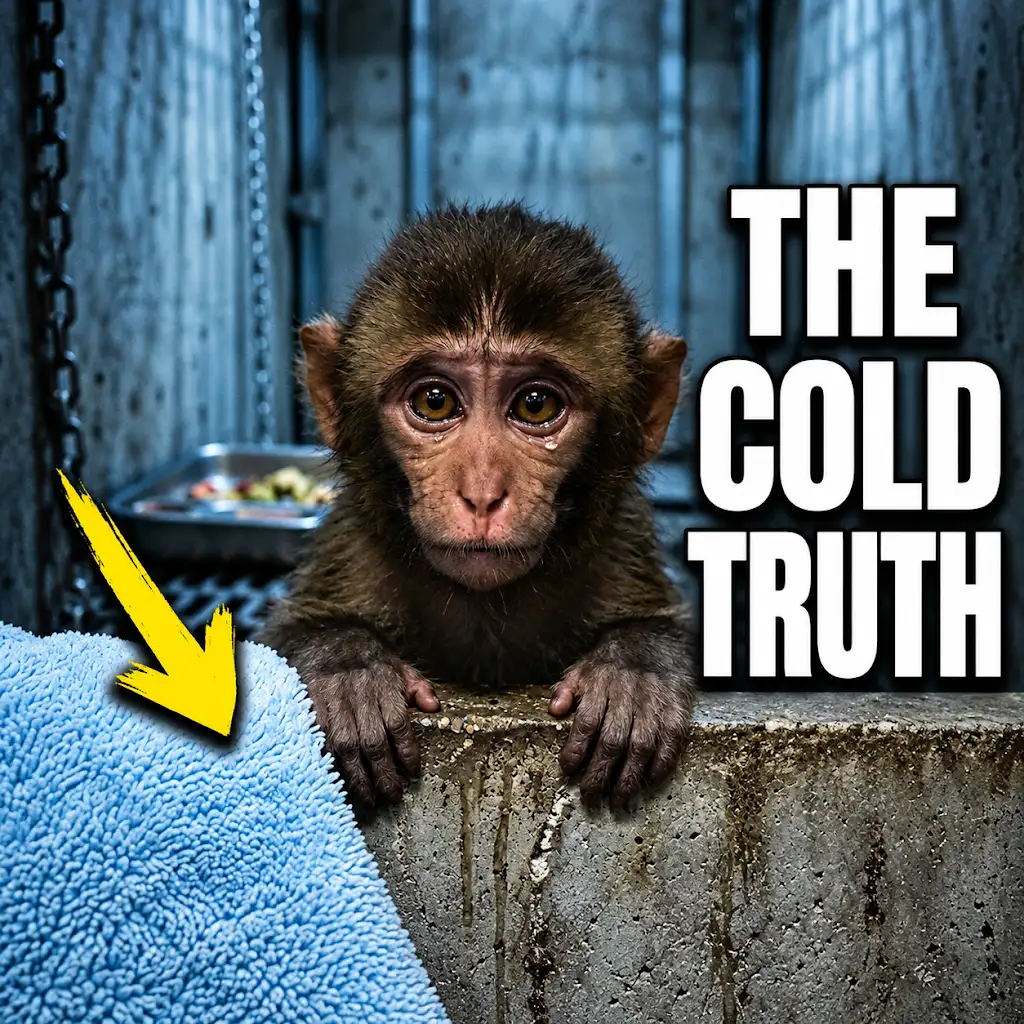
The Dark Reality of the Monkey Comfort Experiment
FAQs
What was the purpose of Harlow’s 1958 study on the nature of love?
Harlow’s 1958 study aimed to investigate the nature of love and attachment in infant monkeys by studying their behavior when separated from their mothers and when given the choice between a surrogate mother made of wire with a feeding bottle and a surrogate mother covered in soft cloth with no feeding bottle.
What were the key findings of Harlow’s 1958 study on the nature of love?
Harlow’s study found that the infant monkeys spent more time with the cloth mother even though the wire mother provided food, indicating that comfort and security were more important than nourishment in forming attachments. The study also showed that the monkeys sought contact comfort and emotional support from the cloth mother when distressed.
How did Harlow’s 1958 study contribute to our understanding of love and attachment?
Harlow’s study challenged the prevailing belief at the time that attachment was solely based on the provision of food. It demonstrated the importance of comfort, security, and emotional support in forming strong bonds between infants and caregivers, highlighting the role of contact comfort in the development of attachment relationships.
What ethical considerations were raised by Harlow’s 1958 study on the nature of love?
Harlow’s study raised ethical concerns regarding the treatment of the infant monkeys, as they were subjected to maternal deprivation and social isolation, which could have long-lasting negative effects on their psychological well-being. The use of surrogate mothers also raised questions about the ethical treatment of animals in research.
How has Harlow’s 1958 study influenced subsequent research on love and attachment?
Harlow’s study has had a significant impact on subsequent research on love and attachment, inspiring further studies on the importance of contact comfort, emotional support, and secure attachments in human and animal relationships. It has influenced theories of attachment and parenting, highlighting the critical role of nurturing and responsive caregiving in promoting healthy emotional development.