The echo of a childhood label, seemingly innocent at the time, can reverberate through an individual’s life, shaping their self-perception, influencing their choices, and ultimately leaving a profound and lasting impact on their adulthood. These labels, whether bestowed by well-meaning parents, critical peers, or even unintentional societal categorization, can become deeply ingrained narratives that define a person’s identity. Unpacking these ingrained perceptions is crucial to understanding the complex interplay between our formative years and the adults we become.
The foundation for many adult struggles can be traced back to the early stages of development. During childhood, individuals are highly impressionable, their understanding of themselves and the world around them constantly being constructed. The words and judgments directed at them, even those delivered with a degree of levity, can form the bedrock of their self-concept.
Parental Influence: The Primary Architects
Parents, by virtue of their position and constant interaction, are often the primary architects of childhood labels. Their expectations, spoken or unspoken, carry immense weight. A child consistently told they are “lazy” might internalize this as an unchangeable trait, leading to a reluctance to exert effort in adulthood.
The “Gifted” Child Syndrome
Conversely, labels of exceptionalism, while seemingly positive, can also create undue pressure. A child identified as “gifted” might feel an obligation to constantly achieve at a high level, leading to anxiety and a fear of failure if they don’t consistently meet these lofty expectations.
The “Difficult” Child Narrative
Children who exhibit challenging behaviors, whether due to unmet needs, developmental differences, or environmental factors, are often branded as “difficult” or “naughty.” This label can become a self-fulfilling prophecy, leading to further behavioral issues as the child learns that this is how they are perceived and treated, regardless of their internal state.
Peer Group Dynamics: The Social Mirror
As children enter the social arena of school and friendships, peer groups become powerful mirrors reflecting societal norms and judgments. The labels assigned by classmates can be particularly stinging, as they often revolve around social acceptance and belonging.
The “Nerd” or “Geek” Stigma
In many social hierarchies, academic achievement or specific interests can lead to labels like “nerd” or “geek.” While these labels may be worn with pride by some, for others, they can lead to social isolation and a reluctance to pursue intellectual passions in adulthood for fear of further ostracism.
The “Popular” or “Outcast” Dichotomy
The binary of being “popular” or an “outcast” can create lasting anxieties. Those labeled as popular might struggle with the loss of that status in adulthood, while those who felt like outsiders may carry a persistent sense of not belonging, impacting their ability to form deep connections.
Societal and Cultural Imprints
Beyond the immediate circles of family and friends, broader societal and cultural narratives also contribute to the labeling process. These can be based on gender, race, socioeconomic status, or perceived abilities, and their impact can be pervasive.
Gendered Expectations
From a young age, children are often exposed to gendered expectations that can manifest as labels. “Boys don’t cry” or “girls are too emotional” can subtly shape emotional expression and resilience. These ingrained notions can lead to men struggling to express vulnerability and women feeling invalidated in their emotional experiences as adults.
Socioeconomic Categorization
Labels tied to socioeconomic background, such as “poor” or “privileged,” can create limiting beliefs about potential and opportunity. Individuals from disadvantaged backgrounds may internalize a sense of inherent limitations, while those from privileged backgrounds might struggle with imposter syndrome or a lack of awareness of systemic inequalities.
Childhood labels can have a profound impact on an individual’s development and self-perception in adulthood. For a deeper understanding of this topic, you can explore the article titled “The Long-Term Effects of Childhood Labels on Adult Identity” on Unplugged Psych. This article delves into how labels such as “gifted,” “troubled,” or “shy” can shape one’s beliefs and behaviors throughout life. To read more, visit here.
The Perpetuation of Self-Fulfilling Prophecies
One of the most insidious aspects of childhood labels is their tendency to become self-fulfilling prophecies. When an individual internalizes a label, they may unconsciously begin to act in ways that confirm that label, thereby reinforcing the original perception.
Internalized Beliefs and Behavior
A child labeled as “shy” might avoid social situations, thus never developing the social skills needed to overcome their shyness. This avoidance then solidifies the label of being shy, even if the underlying cause was simply a lack of practice. In adulthood, this can manifest as difficulty in networking, public speaking, or forming new relationships.
The “Underachiever” Cycle
If a student is consistently labeled as an “underachiever,” they may begin to believe that they are incapable of success. This belief can lead to a lack of effort and engagement in their studies, which in turn results in poor academic performance, thus confirming the original “underachiever” label. This cycle can hinder career progression and limit opportunities for personal growth.
The “Rebellious” Child’s Legacy
A child consistently labeled as “rebellious” might find themselves drawn to challenging authority figures and rules throughout their life, even when it is detrimental to their personal or professional well-being. This can lead to difficulties in maintaining stable employment or navigating societal structures.
The Impact on Aspirations and Goals
Childhood labels can significantly shape an individual’s aspirations and goals. If a child is told they are “not good at math,” they might shy away from careers that require mathematical skills, regardless of their actual aptitude or interest.
Limiting Career Choices
The perception of being “not artistic” can prevent individuals from exploring creative fields, even if they possess latent artistic talents. This can lead to a sense of unfulfilled potential and a career path that doesn’t align with their true passions.
Undermining Educational Pursuits
A label of being “slow learner” can discourage individuals from pursuing higher education or further training, even if they are capable of excelling with the right support and encouragement. This can perpetuate cycles of limited opportunity.
The Psychological Repercussions in Adulthood

The psychological toll of carrying childhood labels can be substantial, impacting mental health, self-esteem, and overall well-being. These labels can create internal conflicts and contribute to a range of psychological difficulties.
Erosion of Self-Esteem
Consistently being told you are not good enough, or are defined by a negative trait, can severely erode self-esteem. This can lead to a persistent feeling of inadequacy and a belief that one is not worthy of success or happiness.
The Imprint of “Not Enough”
Labels like “not smart enough,” “not pretty enough,” or “not strong enough” can create a deep-seated sense of not being enough, leading to chronic self-doubt and a constant need for external validation.
The Burden of Perfectionism
Conversely, labels of exceptionalism can impose a heavy burden of perfectionism. The fear of not living up to the imposed ideal can lead to chronic anxiety, stress, and an inability to find satisfaction in one’s achievements.
Anxiety and Depression
The internalized pressure of childhood labels, the fear of failure, and the struggle to live up to perceived expectations can contribute to the development of anxiety disorders and depression. The constant internal narrative of inadequacy or failure can be emotionally draining.
The “Anxious Achiever”
Individuals who were labeled as high-achievers might develop anxiety around performance, constantly fearing they will fall short. This can manifest as perfectionism, procrastination due to fear, and a general sense of unease about their capabilities.
The “Hopeless Case”
Those who were labeled as hopeless or beyond help can internalize a sense of despair, leading to feelings of hopelessness and a lack of motivation, which are core symptoms of depression.
Interpersonal Relationship Challenges
Childhood labels can also cast a long shadow over adult relationships, impacting how individuals connect with others, express intimacy, and navigate conflict.
Trust Issues and Insecurity
If a child was labeled as untrustworthy or deceitful, they may struggle with trusting others in adulthood, leading to guardedness and difficulty forming deep, intimate bonds.
Difficulty with Assertiveness
Individuals who were labeled as overly aggressive or disruptive might learn to suppress their needs and opinions in adulthood to avoid negative judgment, leading to difficulties in asserting themselves and advocating for their needs.
Breaking Free: Deconstructing and Reclaiming Identity

The good news is that the impact of childhood labels is not immutable. Through conscious effort, self-awareness, and often external support, individuals can begin to deconstruct these ingrained narratives and reclaim their authentic identities.
The Power of Self-Awareness and Reflection
The first and most crucial step in breaking free from the grip of childhood labels is developing self-awareness. This involves critically examining the labels that have been applied and understanding how they have influenced one’s beliefs and behaviors.
Identifying the Origin of Labels
Understanding who applied a particular label and why can provide valuable context. Was it a parent’s projection, a peer’s insecurity, or a societal bias? This understanding can help detach the label from one’s inherent self.
Recognizing Internalized Beliefs
Actively identifying the internalized beliefs that stem from these labels is essential. This might involve journaling, therapy, or candid conversations with trusted individuals to uncover the underlying assumptions that have been made about oneself.
Challenging and Rephrasing Narratives
Once identified, childhood labels must be actively challenged and rephrased. This involves consciously reframing negative self-talk and replacing limiting beliefs with more empowering and realistic ones.
Affirmations and Positive Self-Talk
Engaging in positive affirmations and consistent self-compassionate self-talk can gradually overwrite the negative messages received in childhood. This is not about denying reality but about cultivating a more balanced and supportive internal dialogue.
Cognitive Behavioral Techniques
Therapeutic approaches like Cognitive Behavioral Therapy (CBT) are particularly effective in identifying and restructuring negative thought patterns and beliefs that have been shaped by childhood experiences.
Seeking External Support and Validation
The journey of deconstructing childhood labels is often made easier with the support of others. Therapists, mentors, and supportive friends can provide invaluable validation and guidance.
The Role of Therapy
A qualified therapist can offer a safe space to explore the origins and impact of childhood labels. They can provide tools and strategies for healing, challenging ingrained beliefs, and building a stronger sense of self-worth.
The Power of Supportive Relationships
Surrounding oneself with individuals who see and value one’s true self, rather than the label, is crucial. These relationships can provide the affirmation and encouragement needed to break free from past limitations.
Childhood labels can have a profound impact on an individual’s development and self-perception in adulthood. For instance, a recent article discusses how being labeled as “troubled” or “gifted” during formative years can shape one’s identity and influence life choices. This exploration into the long-term effects of such labels highlights the importance of understanding their implications. To delve deeper into this topic, you can read the article on the effects of childhood labels on adulthood at Unplugged Psych.
Embracing a Future Unburdened by the Past
| Childhood Label | Impact on Adulthood | Common Metrics/Outcomes | Research Findings |
|---|---|---|---|
| “Troublemaker” | Increased risk of behavioral issues and lower self-esteem |
|
Studies show that negative labels can lead to self-fulfilling prophecies, reinforcing problematic behavior. |
| “Gifted” | Higher expectations, pressure, and sometimes social isolation |
|
Positive labels can boost confidence but may also increase performance pressure and fear of failure. |
| “Shy” or “Introverted” | May lead to social withdrawal or underdeveloped social skills |
|
Labels can influence social development; supportive environments mitigate negative effects. |
| “Lazy” | Lower motivation and self-worth |
|
Negative labeling often correlates with decreased motivation and self-efficacy in adulthood. |
| “Leader” | Higher confidence and leadership skills |
|
Positive leadership labels encourage development of social and organizational skills. |
The lasting impact of childhood labels is a testament to the profound influence of our formative years. However, it also highlights the incredible resilience and capacity for growth inherent in the human spirit. By understanding the genesis of these labels, recognizing their perpetuation, and actively engaging in the process of deconstruction, individuals can move towards a future where their identity is not defined by the echoes of the past but by the richness and complexity of their present and future selves. This journey of reclaiming one’s narrative is a powerful act of self-liberation, allowing for a more authentic, fulfilling, and unburdened adult life. The ability to recognize these ingrained narratives and actively choose to rewrite them is a profound testament to the human capacity for change and self-discovery. It is a reminder that while our past shapes us, it does not have to define us entirely. The adult years offer an opportunity to shed the weight of imposed identities and to build a self that is both resilient and authentic, forged not by external judgments but by internal conviction and self-acceptance.
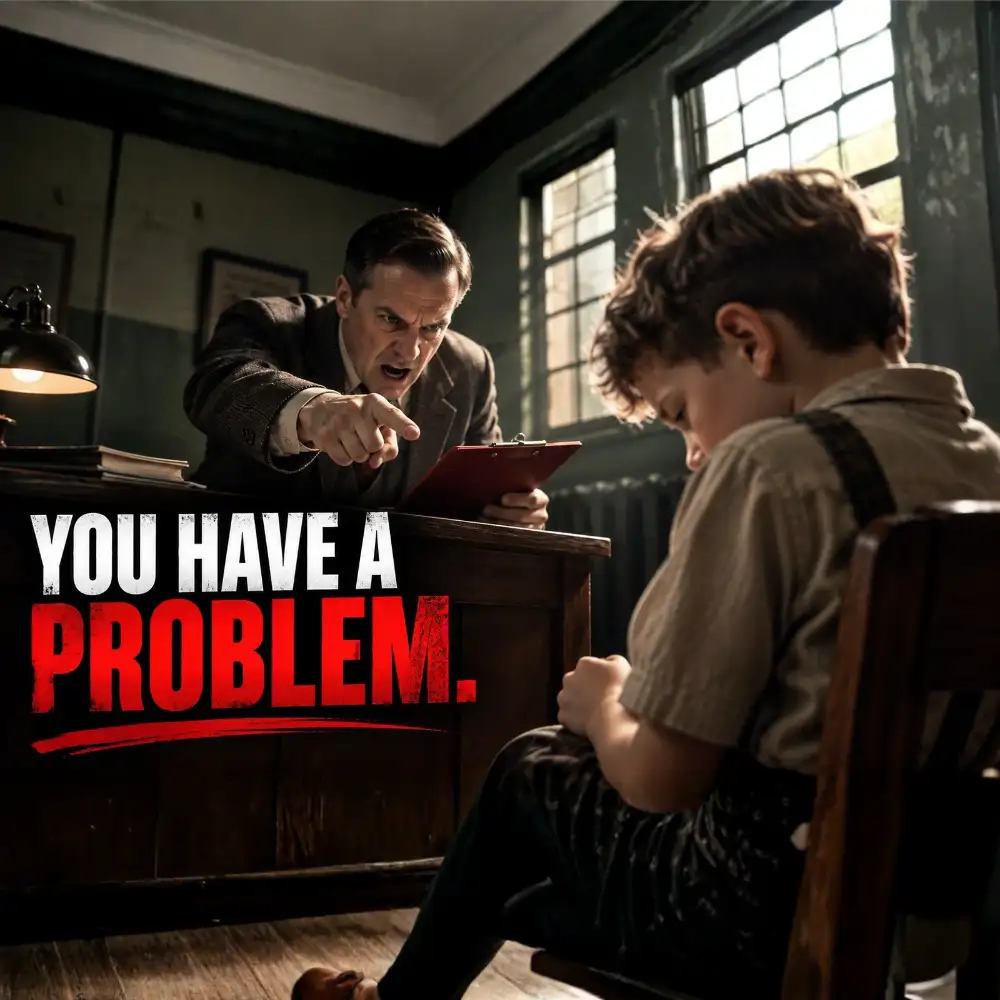
They Told Healthy Children Something Was Wrong With Their Speech
FAQs
1. What are childhood labels?
Childhood labels are terms or phrases used to describe a child’s behavior, personality, or abilities, often based on observations or assessments made by adults such as parents, teachers, or caregivers.
2. How do childhood labels impact adulthood?
Childhood labels can have a lasting impact on individuals as they grow older, influencing their self-perception, behavior, and relationships. These labels can shape how individuals view themselves and how others perceive them, potentially affecting their confidence, decision-making, and overall well-being in adulthood.
3. Can childhood labels be positive or negative?
Childhood labels can be both positive and negative. Positive labels, such as “gifted” or “talented,” can boost a child’s self-esteem and motivation. Negative labels, such as “troublemaker” or “lazy,” can have detrimental effects on a child’s self-image and future opportunities.
4. How can childhood labels be changed or overcome in adulthood?
It is possible to change or overcome childhood labels in adulthood through self-awareness, therapy, and personal growth. By challenging and reframing negative labels, individuals can develop a more positive self-concept and pursue their goals with confidence.
5. What are some strategies for coping with the effects of childhood labels in adulthood?
Some strategies for coping with the effects of childhood labels in adulthood include seeking therapy or counseling, practicing self-compassion and self-acceptance, surrounding oneself with supportive and understanding individuals, and focusing on personal growth and development. It is important to recognize that childhood labels do not define a person’s worth or potential in adulthood.