The Iowa Soldiers’ Orphans’ Home: A Social Experiment
The mid-19th century was a period of profound societal upheaval in the United States, marked by the devastating conflict of the Civil War. The war’s immense human cost left in its wake a legion of orphaned children, their futures uncertain and their present marked by profound loss. In response to this crisis, Iowa, like several other states, embarked on a bold and ambitious undertaking: the establishment of the Iowa Soldiers’ Orphans’ Home. More than just a charitable institution, the Home represented a novel social experiment, an attempt to provide not only sustenance and shelter but also education, vocational training, and a semblance of family life for children who had been robbed of their parental figures by the nation’s bloodiest war. This article delves into the origins, operations, challenges, and enduring legacy of the Iowa Soldiers’ Orphans’ Home, exploring its multifaceted role as a refuge, an educational institution, and a fascinating case study in 19th-century social welfare.
The end of the Civil War in 1865 brought a wave of relief, but it also presented a daunting humanitarian challenge. Thousands of soldiers had perished on the battlefields, leaving behind widows and a multitude of children without parental guidance and support. Iowa, a state that had contributed significantly to the Union cause, found itself facing a substantial number of war orphans within its borders. The existing charitable structures were woefully inadequate to address the sheer scale of this need.
The Call for Action
News of the plight of these children, often conveyed through newspaper articles and appeals from returning soldiers and community leaders, galvanized public sentiment. The prevailing sense of patriotism and national gratitude for the sacrifices made by Union soldiers extended to their families, particularly their orphaned children. There was a widespread belief that the state had a moral obligation to care for these young lives, ensuring they did not fall into destitution or become a burden on society.
Legislative Response and Establishment
Recognizing the urgency of the situation, the Iowa Legislature took decisive action. In 1865, a bill was passed establishing a Soldiers’ Orphans’ Home, a state-funded institution dedicated to the care and education of children whose fathers had died in service during the Civil War. The site selected for the Home was in Davenport, Iowa, chosen for its accessibility and its existing infrastructure. The building itself was a former military hospital, repurposed to accommodate the needs of the growing population of orphans. This initial act was more than just a bureaucratic measure; it was a profound statement of the state’s commitment to its war-affected citizens and a pioneering step in institutional child welfare.
The Iowa Soldiers Orphans Home experiment, which aimed to provide care and education for children of Union soldiers, has been a significant topic in the study of social welfare and child psychology. For a deeper understanding of the historical context and implications of such initiatives, you can explore a related article that discusses the broader impact of orphanages and child welfare programs in the 19th century. This insightful piece can be found at Unplugged Psych.
Life Within the Home: Structure and Daily Routines
The Iowa Soldiers’ Orphans’ Home was designed to be a self-contained community, aiming to provide a structured and nurturing environment for its young residents. The daily lives of the children were carefully organized, reflecting the Victorian era’s emphasis on discipline, industry, and moral upbringing.
A Regimented Existence
Upon arrival, children were assigned to cottages, each typically housing around 20-30 individuals under the supervision of a matron. This cottage system was an attempt to replicate a more familial setting, contrasting with the more institutional feel of large dormitories. The days were filled with a strict schedule that began with early rising, followed by communal meals, academic instruction, vocational training, and assigned chores.
Morning Rituals
The day commenced before dawn, with children expected to rise, dress, and prepare for breakfast. Hygiene was emphasized, with regular bathing and grooming being part of the morning routine. The communal dining hall was a central hub of activity, where children from different cottages would gather for their meals. The atmosphere was expected to be orderly and respectful.
Academic Pursuits
Education was a cornerstone of the Home’s mission. A dedicated schoolhouse within the complex offered children a formal education, covering subjects such as reading, writing, arithmetic, history, and geography. The curriculum aimed to provide them with the foundational knowledge necessary for future employment and civic participation. Teachers, often women, were employed to impart this knowledge, instilling in the children a sense of intellectual curiosity and academic rigor.
Vocational Training and Labor
Beyond academics, the Home stressed the importance of practical skills. Boys were often apprenticed in trades such as carpentry, blacksmithing, farming, and gardening, learning skills that would equip them for self-sufficiency upon leaving the Home. Girls were trained in domestic arts, including sewing, cooking, laundry, and needlework, preparing them for roles as housewives or domestic servants. This emphasis on vocational training reflected the era’s belief in the dignity of labor and the necessity of practical skills for economic survival.
Chores and Responsibilities
All children were expected to contribute to the upkeep of the Home through assigned chores. These tasks ranged from cleaning and tidying the cottages and schoolrooms to assisting in the kitchen and laundry. This not only reduced the labor burden on the staff but also instilled a sense of responsibility and teamwork among the children.
Social and Emotional Development
While the Home was highly structured, efforts were made to foster social interaction and emotional well-being. Holidays were celebrated, and recreational activities, such as games, music, and occasional outings, were organized. However, the reality of institutional life often meant a lack of individual attention and the potential for emotional detachment.
The Role of Matrons
The matrons played a crucial role in the daily lives of the children, acting as surrogate mothers and disciplinary figures. They were responsible for the children’s physical well-being, their adherence to the schedule, and their moral development. The effectiveness of a matron could significantly impact a child’s experience within the Home.
Community and Camaraderie
Despite the challenges, a sense of community and camaraderie often developed among the children. They shared a common experience of loss and a dependence on each other for support and companionship. These bonds, forged in shared adversity, could be a source of strength and resilience.
Challenges and Criticisms: Navigating Institutional Life
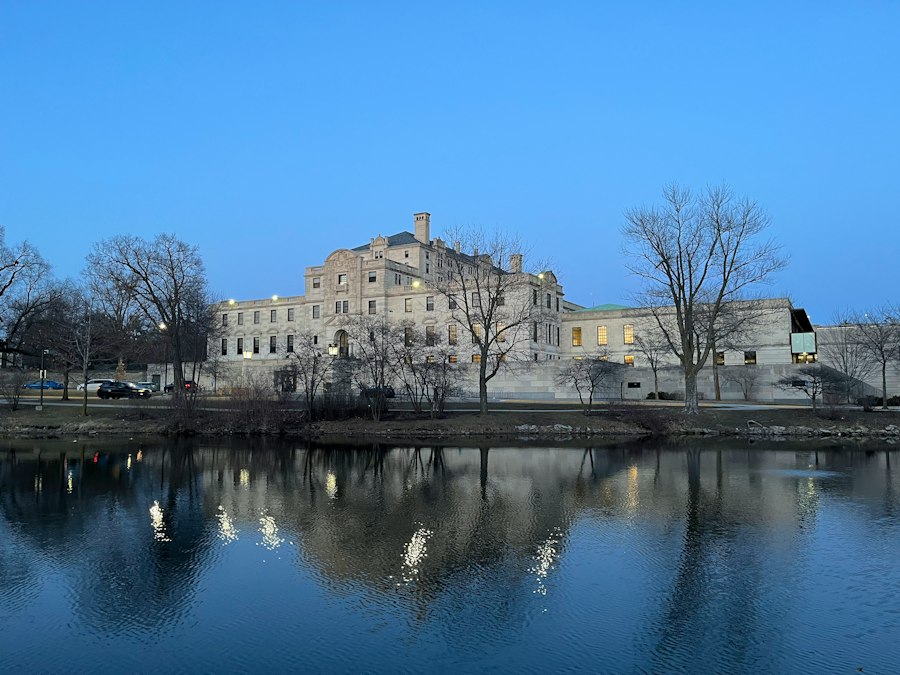
The Iowa Soldiers’ Orphans’ Home, like many similar institutions of its time, faced numerous challenges and attracted criticism from various quarters. The inherent difficulties of managing a large group of children, many of whom had experienced trauma, coupled with the limitations of 19th-century social welfare practices, created a complex and often problematic environment.
Overcrowding and Resource Constraints
The initial establishment of the Home proved to be insufficient for the growing number of children needing care. Overcrowding became a persistent issue, straining resources and making it difficult for staff to provide adequate attention to each child. Limited funding often meant compromises in terms of food quality, clothing, and recreational opportunities.
Staffing Issues and Turnover
Attracting and retaining qualified and compassionate staff was a constant struggle. The demanding nature of the work, coupled with relatively low wages, led to high staff turnover. This instability could be disruptive for the children, who often formed attachments to the caregivers. Inadequate training for staff also meant that they may not have been equipped to handle the complex emotional and behavioral needs of the children.
Psychological Impact of Institutionalization
While the Home aimed to provide a nurturing environment, the very nature of institutionalization could have detrimental psychological effects. The lack of individual attention, the absence of strong familial bonds, and the regimented lifestyle could lead to feelings of alienation, depression, and behavioral problems. Children who had experienced loss and trauma before entering the Home were particularly vulnerable to these effects.
The Specter of Abuse and Neglect
As with any institution housing vulnerable individuals, the possibility of abuse and neglect, whether physical, emotional, or sexual, was a persistent concern. While the Home strived for a safe environment, instances of mistreatment, though not always documented publicly, were a grim reality of the era and cannot be entirely discounted. Oversight and accountability mechanisms were often less robust than they are today.
Criticisms of the “Family” Model
Some critics argued that the cottage system, while an improvement over large dormitories, still fell short of providing a true family experience. They contended that the transient nature of staff and the large number of children within each cottage prevented the development of the deep, enduring bonds characteristic of a true family. The focus on routine and discipline, while necessary for order, could also stifle individuality and creativity.
The “Placing Out” System: A Controversial Solution
A significant aspect of the Iowa Soldiers’ Orphans’ Home’s operation was its “placing out” system, a common practice in the 19th century where orphaned children were indentured or adopted into families outside the institution. This was seen as a way to reduce the burden on the state and provide children with homes, but it was also fraught with controversy and potential for exploitation.
Rationale Behind “Placing Out”
The primary motivation for the “placing out” system was the desire to reintegrate orphaned children into society and free up space within the overcrowded Home. It was also rooted in the belief that a family environment, even an adopted one, was superior to institutional living. The hope was that these children would find stable homes, receive individual attention, and become contributing members of society.
The Process and its Pitfalls
Children who were deemed suitable, often older ones, were identified for placement. This involved matching them with families who applied to take them in. However, the vetting process for these families was often superficial, and the children were not always placed in loving or supportive homes. Some families sought indentured labor, rather than a child to raise, leading to harsh working conditions and little opportunity for education or personal development.
Exploitation and Abuse
Stories emerged of children being mistreated, overworked, and denied basic necessities by their adoptive or indentured families. The lack of regular follow-up and oversight meant that many of these children suffered in silence, their plight unknown to the Home. This controversial aspect of the “placing out” system highlights the ethical complexities of such endeavors and the vulnerability of children in these situations.
Successful Placements and Their Impact
It is important to acknowledge that not all “placing out” experiences were negative. Many children did find loving and stable homes, where they were educated, nurtured, and went on to lead successful lives. These positive outcomes, though often less publicized than the negative ones, were the intended and hoped-for results of the system. The success of a placement often depended heavily on the character of the receiving family.
The Iowa Soldiers Orphans Home experiment is a fascinating case study in the realm of child psychology and social development. This initiative aimed to provide a nurturing environment for children orphaned by the Civil War, exploring the impacts of communal living on their emotional and social growth. For those interested in a broader understanding of similar historical experiments, you might find the article on psychological studies particularly insightful, as it delves into various approaches to child welfare and the long-term effects of such programs.
Legacy and Evolution: From Orphanage to Historical Site
| Metric | Data | Notes |
|---|---|---|
| Year Established | 1887 | Founded to care for children of Iowa soldiers |
| Location | Milton, Iowa | Rural setting for the home |
| Number of Children Initially Admitted | 50 | First group of orphans admitted |
| Peak Enrollment | 300+ | Reached during early 20th century |
| Educational Program | Primary and Secondary Education | On-site schooling provided |
| Vocational Training | Farming, Carpentry, Sewing | Skills taught to prepare children for adulthood |
| Duration of Operation | 1887 – 1970s | Closed as state policies changed |
| Experiment Focus | Child Welfare and Rehabilitation | Model for state-run orphan care |
The Iowa Soldiers’ Orphans’ Home served its primary purpose for several decades, adapting to changing societal needs and evolving child welfare practices. Its eventual closure and transformation into a historical site offer a unique perspective on the past and the enduring impact of the Civil War.
Transition and Closure
As the number of Civil War orphans dwindled, and societal attitudes towards child welfare shifted, the need for large-scale orphanages began to decline. The Iowa Soldiers’ Orphans’ Home gradually phased out its operations, with its last residents departing in the early 20th century. The institution’s focus shifted towards providing a more temporary haven, and eventually, the doors closed.
The Soldiers’ Orphans’ Home Historic Site
The buildings and grounds of the former Home were preserved and transformed into the Soldiers’ Orphans’ Home Historic Site, now a part of the Iowa Veterans Home in Marshalltown. This preservation ensures that the history of this significant institution is not forgotten. It stands as a tangible reminder of the sacrifices made during the Civil War and the state’s response to the resultant humanitarian crisis.
Educational and Memorial Function
Today, the Historic Site serves as an educational resource, offering visitors a glimpse into the lives of the children who resided there. Exhibits and historical accounts tell the stories of their resilience, their struggles, and their hopes. It functions as a memorial to the children who lived and learned within its walls, honoring their experiences and contributions.
A Social Experiment in Retrospect
The Iowa Soldiers’ Orphans’ Home can be viewed as a large-scale social experiment, a bold attempt to address an unprecedented societal challenge. It demonstrated both the strengths and limitations of 19th-century approaches to child welfare. The Home provided a necessary refuge for thousands of children, offering them education and a chance at a better future. However, it also exposed the inherent difficulties of institutionalizing childhood and the ethical complexities of child placement. Its legacy lies not only in the lives it touched but also in the lessons it offers about compassion, responsibility, and the ongoing evolution of how societies care for their most vulnerable citizens. The Home’s story is a testament to the enduring human spirit in the face of adversity and a critical chapter in the history of social welfare in America.

They Told Healthy Children Something Was Wrong With Their Speech
FAQs
What was the Iowa Soldiers Orphans Home experiment?
The Iowa Soldiers Orphans Home experiment was a study conducted in the late 19th and early 20th centuries at the Iowa Soldiers Orphans Home in Davenport, Iowa. The experiment aimed to investigate the effects of different educational methods on orphaned children.
Who conducted the Iowa Soldiers Orphans Home experiment?
The experiment was conducted by Dr. Arnold Gesell, a prominent psychologist and educator, along with his colleagues. Dr. Gesell was known for his work in child development and early childhood education.
What were the findings of the Iowa Soldiers Orphans Home experiment?
The experiment found that providing a nurturing and stimulating environment for orphaned children led to better academic performance, social skills, and overall well-being. The study highlighted the importance of individualized care and attention for children in institutional settings.
How did the Iowa Soldiers Orphans Home experiment impact education and child welfare practices?
The findings of the experiment influenced educational practices by emphasizing the importance of personalized and holistic approaches to child development. The study also contributed to the development of child welfare policies and practices in orphanages and other care institutions.
What is the legacy of the Iowa Soldiers Orphans Home experiment?
The Iowa Soldiers Orphans Home experiment is considered a landmark study in the fields of child development, education, and social welfare. The findings of the experiment continue to inform practices and policies aimed at improving the well-being of orphaned and vulnerable children.