The intricate tapestry of human existence is woven with threads of individual experience and the powerful, often unspoken, influence of group identity. From the intimate circle of family to the vast expanse of national belonging, these affiliations shape our perceptions, guide our actions, and contribute significantly to the complex dance of social behavior. Understanding this influence is crucial for comprehending everything from interpersonal dynamics to societal trends.
Group identity is not a static entity but a dynamic construct that emerges and evolves through various processes. It’s the feeling of belonging to a particular group, often characterized by shared characteristics, values, beliefs, or experiences. This sense of ‘us’ is fundamental to human psychology, offering a sense of security, purpose, and validation.
Socialization and Early Imprinting
The initial seeds of group identity are sown in the earliest stages of life. Children are born into families, and it is within this primary social unit that they first learn about belonging. Language, customs, traditions, and moral frameworks are absorbed, shaping their nascent understanding of who they are and where they fit. The family’s ethnicity, religion, socioeconomic status, and cultural norms become deeply ingrained, forming the bedrock of their early identity.
The Role of Family in Identity Development
The family acts as the first and most influential socializing agent. Through parental guidance, sibling interactions, and the observation of familial dynamics, children internalize the values and beliefs that define their immediate social group. The stories told, the rituals practiced, and the expectations set all contribute to the formation of a child’s sense of self in relation to their kin.
Early Exposure to Broader Social Categories
Even at a young age, children are exposed to broader social categories through media, interactions with extended family, and observations in public spaces. They begin to recognize differences based on appearance, language, and behavior, laying the groundwork for understanding larger group affiliations like race, nationality, or religious affiliation.
Social Comparison and Ingroup Favoritism
As individuals mature, their group identities become more solidified through social comparison. They compare themselves and their groups to others, seeking to understand their own standing and the distinctiveness of their group. This process often leads to ingroup favoritism, where individuals tend to favor their own group members and hold a more positive view of their in-group compared to out-groups.
The ‘Us vs. Them’ Phenomenon
The psychological tendency to categorize individuals into ingroups and outgroups is a powerful driver of behavior. This “us vs. them” mentality, even in the absence of actual conflict, can foster a sense of solidarity within the ingroup and a degree of suspicion or detachment towards the outgroup. This isn’t necessarily malicious but stems from a fundamental human need to define oneself in relation to others.
The Impact of Shared Experiences and History
Shared experiences, whether positive or negative, can powerfully solidify group identity. Collective triumphs can foster pride and unity, while shared adversity can forge bonds of resilience and mutual support. Historical narratives, often passed down through generations, play a critical role in shaping a group’s collective memory and its understanding of its place in the world. These narratives often highlight shared struggles, sacrifices, and achievements, reinforcing a sense of common destiny.
Self-Categorization Theory and Social Identity Theory
Psychological theories like Social Identity Theory and Self-Categorization Theory provide frameworks for understanding how group identity influences behavior. Social Identity Theory, developed by Henri Tajfel and John Turner, posits that individuals derive part of their identity from their membership in social groups. They strive for a positive social identity, which in turn influences their attitudes and behaviors towards both their own group and other groups. Self-Categorization Theory further elaborates on this by suggesting that individuals automatically categorize themselves and others into social groups, and this self-categorization process influences perception and behavior.
The Process of Depersonalization
Within a group, individuals can experience a degree of depersonalization, where their personal identity becomes less salient and their group identity becomes more prominent. This doesn’t mean they lose themselves, but rather that their thoughts and actions are increasingly guided by the norms and expectations of the group. This can lead to behaviors that might not align with their individual inclinations if they were acting solely as individuals.
The Salience of Group Membership
The influence of group identity is highly dependent on its salience. When a particular group membership is made prominent – for example, through an intergroup competition or a discussion about shared values – its influence on behavior increases. Conversely, when group identities are not activated or are less relevant to the situation, individual-level factors may play a more dominant role.
Research on group identity has shown that it can significantly influence individual behavior, often leading to changes in attitudes and actions based on the perceived norms of the group. For a deeper understanding of this phenomenon, you can explore an insightful article on the topic at Unplugged Psychology, which delves into how group dynamics shape our behaviors and decision-making processes. You can read more about it here: Unplugged Psychology.
The Behavioral Manifestations of Group Identity
The influence of group identity is not confined to internal thoughts and feelings; it manifests in tangible behaviors across a wide spectrum of human activity. From everyday interactions to large-scale societal phenomena, group affiliation plays a significant role.
Conformity and Normative Influence
One of the most evident manifestations of group identity is conformity to group norms. Individuals often adhere to the unwritten rules, expectations, and behaviors of their group to maintain their membership and avoid social sanctions. This can range from adopting the fashion trends of a peer group to following the religious practices of a community.
The Desire for Acceptance and Belonging
The underlying driver for conformity is often the fundamental human desire for acceptance and belonging. Deviating from group norms can lead to social exclusion, ridicule, or even expulsion, making conformity a powerful mechanism for reinforcing group cohesion.
Informational Influence and Shared Reality
Beyond mere compliance, group membership can also provide individuals with a shared reality. When faced with ambiguity or uncertainty, individuals look to their group for information and guidance. This informational influence is particularly strong when the group is perceived as knowledgeable or authoritative. The group’s consensus can shape an individual’s perception of what is true or correct.
Intergroup Conflict and Competition
Group identity can be a potent catalyst for intergroup conflict and competition. When groups perceive themselves as rivals for scarce resources, power, or status, their collective identity can intensify animosity and aggression towards out-groups. This can manifest in various forms, from petty rivalries between sports teams to large-scale ethnic or nationalistic conflicts.
Resource Depletion and Perceived Threats
Competition for tangible resources like land, water, or economic opportunities is a classic driver of intergroup conflict. However, perceived threats to a group’s values, culture, or way of life can be equally powerful motivators for conflict, even in the absence of direct resource scarcity.
Dehumanization and Othering
A common feature of intergroup conflict is the dehumanization of the out-group. By perceiving the ‘other’ as less human, less worthy, or inherently dangerous, individuals can justify and engage in acts of aggression that they might otherwise find morally reprehensible. This process of “othering” strips the out-group of their individuality and reduces them to negative stereotypes.
Prosocial Behavior and Collective Action
Conversely, strong group identity can also foster remarkable levels of prosocial behavior and collective action. When individuals feel deeply connected to their group, they are more likely to contribute to the group’s welfare, support its members, and engage in coordinated efforts to achieve common goals.
Altruism and Sacrifice for the Group
This can manifest as acts of altruism and sacrifice, where individuals are willing to put the needs of the group above their own personal interests. This is particularly evident in situations of crisis or emergency, where individuals may risk their own safety to help fellow group members.
Social Movements and Political Mobilization
Group identity is a cornerstone of social movements and political mobilization. Shared grievances, aspirations, and a sense of collective efficacy can unite diverse individuals under a common banner, leading to coordinated efforts to bring about social or political change. Examples range from civil rights movements to environmental activism.
Discrimination and Prejudice
Unfortunately, the flip side of ingroup favoritism is often discrimination and prejudice directed towards out-groups. When individuals hold negative stereotypes and preconceived notions about members of other groups, they may treat them unfairly, deny them opportunities, or actively exclude them from social or economic participation.
Stereotyping and Generalization
Prejudice often stems from stereotyping, which involves making oversimplified and often inaccurate generalizations about entire groups of people. These stereotypes can be deeply ingrained and resistant to change, even in the face of contradictory evidence.
Implicit Bias and Unconscious Discrimination
It is important to recognize that prejudice and discrimination are not always conscious or intentional. Implicit biases, which are unconscious associations that influence our understanding, actions, and decisions, can lead to discriminatory outcomes even when individuals believe they are acting impartially.
The Influence of Group Identity on Decision-Making
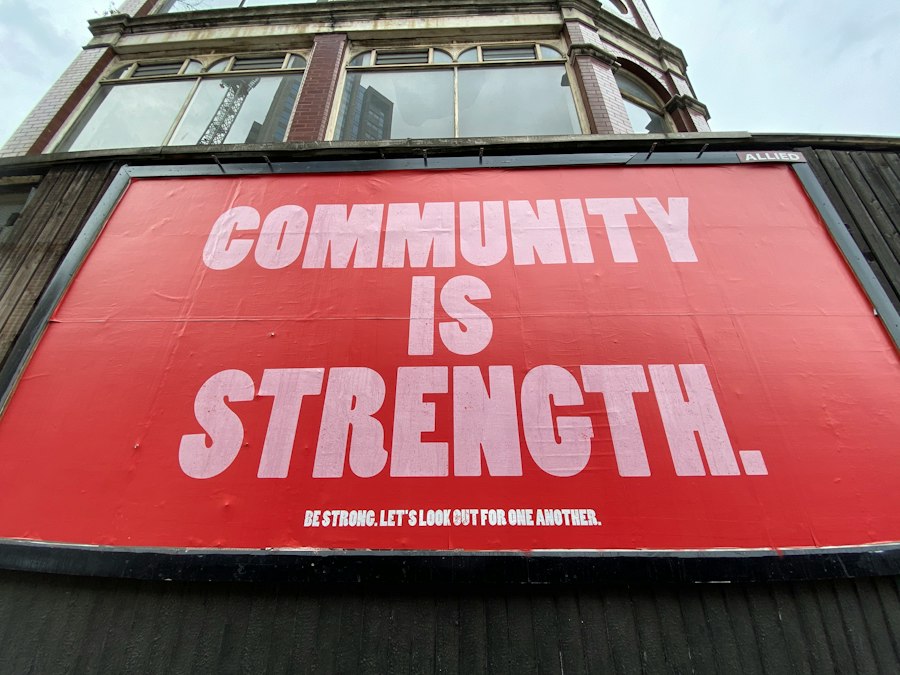
The impact of group identity extends deeply into the realm of decision-making, influencing how individuals process information, evaluate options, and ultimately arrive at their choices. This influence can be both subtle and profound.
Information Processing and Cognitive Biases
Group identity can shape how individuals seek out, interpret, and recall information. They are more likely to attend to and remember information that confirms their existing group beliefs and to discount or ignore information that challenges them.
Confirmation Bias Within Groups
Confirmation bias is particularly potent within groups. Members actively search for evidence that supports their group’s stance, and this evidence is often given more weight than contradictory information. This can lead to a skewed perception of reality and reinforce existing group opinions.
Motivated Reasoning and Group Loyalty
When group identity is highly salient, individuals may engage in motivated reasoning, where their reasoning processes are driven by a desire to maintain loyalty to their group and uphold their group’s image. This can lead to biased evaluations of evidence and a resistance to admitting when the group might be wrong.
Risk-Taking Behavior and Group Polarization
The presence of group identity can also influence an individual’s propensity for risk-taking. In some instances, group affiliation can embolden individuals to take greater risks than they might on their own, particularly if those risks are perceived as serving the group’s interests or enhancing its status.
Group Polarization Phenomenon
Group polarization is a well-documented phenomenon where, after discussion, individuals in a group tend to adopt attitudes or beliefs that are more extreme than their initial positions. This occurs because the dominant viewpoint within the group is reinforced, and individuals may feel pressure to conform to this more extreme stance to maintain their group membership.
Shared Responsibility and Diffusion of Blame
The diffusion of responsibility can also play a role in group decision-making, particularly in risky situations. When individuals are part of a group, the perceived burden of responsibility for a decision is spread among all members. This can lead to a reduced sense of personal accountability, potentially encouraging riskier choices.
Moral Judgments and Ethical Considerations
Group identity plays a significant role in shaping an individual’s moral compass and ethical judgments. What is considered right or wrong can often be defined by the norms and values of the groups to which one belongs.
Ingroup Morality vs. Outgroup Morality
Individuals may apply different moral standards to members of their own group compared to members of out-groups. Acts that might be condemned when committed by an out-group member could be tolerated or even excused when committed by a fellow ingroup member, especially if those actions are perceived as being in defense of the group.
Loyalty and Duty to the Group
The concept of loyalty and duty to the group can sometimes override individual ethical considerations. Individuals may feel compelled to act in ways that benefit their group, even if those actions might be ethically questionable from an individualistic perspective. This can lead to situations where group survival or advancement is prioritized over universal moral principles.
The Societal Implications of Group Identity

The collective influence of individual group identities ripples outward, shaping the broader dynamics of society, influencing political landscapes, and impacting the trajectory of social progress. Understanding these macro-level implications is crucial for addressing societal challenges.
Political Polarization and Social Cohesion
In many contemporary societies, the strengthening of group identities has been linked to increased political polarization. When individuals primarily identify with their political or ideological groups, they may become less open to compromise and more entrenched in their own viewpoints, leading to societal fragmentation and a decline in social cohesion.
Echo Chambers and Filter Bubbles
The rise of digital media has exacerbated this trend by creating echo chambers and filter bubbles, where individuals are primarily exposed to information and opinions that align with their existing beliefs. This can reinforce group identities, limit exposure to diverse perspectives, and deepen societal divisions.
The Erosion of Common Ground
When group identities become rigidly defined and oppositional, the search for common ground becomes increasingly difficult. This can hinder constructive dialogue, impede problem-solving, and make it challenging to address shared societal challenges effectively.
Cultural Preservation and Diversity
Group identity is intrinsically linked to culture, serving as a vital mechanism for the preservation and transmission of traditions, languages, values, and artistic expressions across generations. This contributes to the richness and diversity of human societies.
The Power of Shared Heritage
The shared heritage and cultural practices associated with a group identity provide a sense of continuity and belonging. These elements help individuals connect with their past, understand their present, and shape their future, fostering a sense of collective pride and identity.
The Dynamics of Cultural Exchange and Hybridity
While group identity fosters preservation, it also interacts with other groups, leading to cultural exchange and the emergence of hybrid cultural forms. This dynamic interplay contributes to the evolution and adaptation of cultures over time.
Social Stratification and Inequality
Group identity can also be a powerful factor in perpetuating social stratification and inequality. When certain group identities are associated with privilege and others with disadvantage, systemic biases can emerge, leading to discrimination and the unequal distribution of resources and opportunities.
Systemic Discrimination Based on Group Affiliation
Historically, and in contemporary society, group affiliations such as race, ethnicity, religion, or gender have been used as bases for systemic discrimination. This can lead to marginalized groups facing barriers in education, employment, housing, and the justice system, reinforcing existing power structures.
The Struggle for Recognition and Rights
For marginalized groups, the assertion and affirmation of their group identity can be a crucial aspect of the struggle for recognition, equality, and civil rights. It is through collective identity that individuals find the strength and solidarity to challenge oppressive systems and advocate for their rights.
Research has shown that group identity can significantly influence individual behavior, often leading to conformity and shifts in personal values. For a deeper understanding of this phenomenon, you might find the article on the psychology of group dynamics particularly insightful. It explores how belonging to a group can alter decision-making processes and social interactions. To read more about this topic, you can visit this article which delves into the complexities of group identity and its effects on behavior.
Navigating the Future: Harnessing the Positive and Mitigating the Negative
| Metric | Description | Effect of Group Identity on Behavior | Example Study/Source |
|---|---|---|---|
| Conformity Rate | Percentage of individuals aligning behavior with group norms | Increases by up to 30% when individuals strongly identify with the group | Asch Conformity Experiments (1951) |
| Ingroup Favoritism | Preference for members of one’s own group over outsiders | Behavioral bias increases by 25-40% in decision-making tasks | Tajfel’s Minimal Group Paradigm (1970) |
| Cooperation Level | Degree of willingness to work collaboratively within the group | Cooperation rates rise by approximately 20% with strong group identity | Social Identity Theory Research (Tajfel & Turner, 1979) |
| Risk-Taking Behavior | Likelihood of engaging in risky actions influenced by group norms | Risk-taking can increase by 15-25% when group identity is salient | Group Polarization Studies (Moscovici & Zavalloni, 1969) |
| Altruistic Behavior | Acts of helping or self-sacrifice for group members | Altruism towards ingroup members increases by 30-50% | Empathy and Group Identity Research (Batson et al., 1997) |
The influence of group identity is an undeniable force in shaping human behavior. Recognizing its dual nature – its capacity for both fostering connection and driving division – is the first step towards navigating the complexities of our increasingly interconnected world.
Cultivating Inclusive Group Identities
The focus should shift from rigid, exclusive group boundaries to the cultivation of more inclusive and permeable group identities. This involves promoting a sense of belonging that embraces diversity and recognizes shared humanity.
Emphasizing Superordinate Identities
Highlighting shared superordinate identities – such as humanity, citizenship, or a common planet – can help bridge divides and foster a sense of collective responsibility that transcends narrow group affiliations.
Promoting Intergroup Contact and Empathy
Encouraging positive and meaningful intergroup contact, where individuals from different groups can interact on equal footing and engage in cooperative activities, is a powerful tool for breaking down stereotypes and fostering empathy.
Fostering Critical Thinking and Media Literacy
Equipping individuals with the skills to critically evaluate information and identify biases is essential, particularly in an era of rampant misinformation. Media literacy can help individuals recognize how group identities are often manipulated in public discourse.
Recognizing the Influence of Propaganda
Understanding the tactics of propaganda, which often leverages group identities to manipulate public opinion, is crucial for making informed decisions and resisting divisive rhetoric.
Developing Independent Judgment
Encouraging independent judgment, where individuals are encouraged to form their own conclusions based on evidence rather than solely relying on group consensus, is vital for a healthy democracy and a well-functioning society.
The Role of Education in Shaping Identity
Educational institutions have a critical role to play in shaping young minds and fostering a nuanced understanding of group identity. Education can expose individuals to diverse perspectives, promote critical thinking, and instill values of respect and empathy.
Teaching About Diverse Cultures and Histories
Comprehensive education that includes the histories, contributions, and perspectives of diverse groups can help to dismantle stereotypes and foster appreciation for cultural differences.
Promoting Dialogue and Understanding
Creating safe spaces for dialogue and discussion about complex social issues, where students can engage with different viewpoints respectfully, is essential for developing the skills needed to navigate a pluralistic society.
Ultimately, the influence of group identity is a complex and multifaceted phenomenon. While it can be a source of strength, belonging, and collective action, it also carries the potential for prejudice, conflict, and division. By understanding its origins, manifestations, and societal implications, individuals and societies can work towards harnessing its positive aspects while mitigating its negative consequences, fostering a more inclusive, equitable, and harmonious future.

How 22 Boys Were Turned Into Enemies
FAQs
What is group identity?
Group identity refers to the sense of belonging and attachment individuals feel towards a particular group, which can be based on shared characteristics, beliefs, values, or goals.
How does group identity influence behavior?
Group identity can influence behavior by shaping individuals’ attitudes, beliefs, and actions to align with the norms and values of the group. This can lead to conformity, cooperation, competition, or even conflict with members of other groups.
Can group identity change over time?
Yes, group identity can change over time as individuals may join new groups, leave existing groups, or experience shifts in their beliefs and values. These changes can impact how individuals perceive themselves and others within the group.
What are some examples of group identity in society?
Examples of group identity in society include political affiliations, religious beliefs, cultural backgrounds, social classes, and professional associations. These groups can influence individuals’ behaviors and interactions with others.
How can understanding group identity help improve social interactions?
Understanding group identity can help improve social interactions by promoting empathy, tolerance, and respect for diverse perspectives and experiences. By recognizing the influence of group identity on behavior, individuals can work towards building more inclusive and harmonious communities.