The intricate dance between human beings and the systems they inhabit is a profound and often underestimated force shaping individual actions, collective choices, and the very fabric of society. Humans are not isolated entities; they are born into, interact with, and actively construct a myriad of systems, from the micro-level of family dynamics and organizational structures to the macro-level of economic models, political landscapes, and technological infrastructures. The impact of these systems on human behavior is pervasive, influencing everything from our daily routines and decision-making processes to our sense of identity, our aspirations, and our fundamental beliefs. Understanding this dynamic is crucial for comprehending why people act the way they do, for diagnosing societal problems, and for designing environments that foster well-being, efficiency, and progress.
Systems, in their broadest sense, are organized wholes, collections of interconnected parts that function together to achieve a common purpose or maintain a state of equilibrium. Humans are embedded in a constant flux of these interconnected parts, each exerting its own influence.
Biological and Environmental Systems
At the most fundamental level, human behavior is shaped by biological and environmental systems. Our genetic makeup, dictated by evolutionary biology, predisposes us to certain behaviors, such as seeking nourishment, forming social bonds, and responding to threats.
Evolutionary Predispositions and Innate Drives
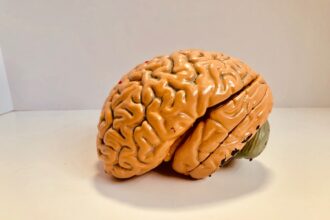
The human brain, a product of millions of years of evolution, is wired with certain innate drives that significantly influence behavior. The drive for survival, for instance, compels individuals to seek safety, avoid danger, and reproduce. Similarly, the innate need for social connection drives humans to form communities, cooperate, and engage in reciprocal altruism. These predispositions, though ancient, continue to exert a powerful influence on modern human actions, often operating at a subconscious level. For example, the tendency to form in-groups and out-groups, a survival mechanism for ancient tribes, can manifest in contemporary social dynamics as tribalism and prejudice, demonstrating how deep-seated biological systems continue to shape observable behavior.
The Influence of the Natural Environment
The natural environment in which humans live is also a powerful system that impacts behavior. Access to resources, climate, geographical features, and the presence of natural hazards all shape human lifestyles, social structures, and even cultural norms. Societies living in resource-scarce environments may develop behaviors centered around conservation and resourcefulness, while those in abundant environments might exhibit more consumptive patterns. The psychological effects of nature exposure, such as reduced stress and improved cognitive function, also highlight the behavioral impact of the natural system. Even the simple act of living in a city versus a rural area can lead to distinct behavioral patterns, influenced by population density, noise levels, and the presence of green spaces, all elements of the overarching environmental system.
Social and Cultural Systems
Beyond the biological and environmental, humans are profoundly shaped by the social and cultural systems they participate in. These systems are built upon shared beliefs, values, norms, and practices that dictate acceptable behavior within a given community.
Norms, Values, and Socialization
From the moment of birth, individuals are immersed in a process of socialization, learning the explicit and implicit rules that govern their society. Social norms, the unwritten rules of behavior, dictate how people interact in various situations, from greetings and communication styles to acceptable levels of personal space and emotional expression. Cultural values, the deeply held beliefs about what is good, right, and desirable, provide a framework for moral judgment and guide decision-making. The consistent reinforcement of these norms and values through family, education, and media shapes individuals’ understanding of the world and their place within it, leading to predictable behavioral patterns. For instance, in cultures that highly value collectivism, individuals may prioritize group harmony over personal ambition, leading to behaviors that support community goals.
The Power of Social Influence
Social influence, the process by which individuals’ thoughts, feelings, and behaviors are affected by others, is a fundamental aspect of social systems. This influence can be overt, such as through direct commands or persuasion, or it can be more subtle, operating through observation, imitation, and the desire for social acceptance.
Conformity and Compliance
The human tendency to conform to group norms, even when those norms contradict personal beliefs, is a well-documented phenomenon. This desire for belonging and fear of social exclusion can lead individuals to adopt the behaviors and attitudes of the majority. Compliance, the act of yielding to a request or demand, is another powerful manifestation of social influence, often driven by authority, reciprocity, or the perceived benefits of agreement. Research on the Asch conformity experiments vividly illustrates how individuals can be swayed to make incorrect judgments when surrounded by dissenting opinions, underscoring the potent force of conformity within social systems.
Obedience to Authority
The readiness of individuals to obey commands from legitimate authority figures is another significant aspect of social systems. The Milgram experiment, famously demonstrating the extent to which ordinary people would administer electric shocks when instructed by an authority figure, highlighted the profound impact of perceived authority on behavior. This obedience is not necessarily a reflection of individual malice but rather a consequence of ingrained social structures that emphasize hierarchy and deference to those in perceived positions of power. Understanding the psychological mechanisms behind obedience is crucial for analyzing historical events, organizational dynamics, and the ethical implications of power structures.
The intricate relationship between systems and human behavior is explored in depth in the article found on Unplugged Psychology. This resource delves into how various systems, such as social, economic, and educational frameworks, shape individual actions and societal norms. Understanding these influences can provide valuable insights into behavioral patterns and decision-making processes. For more information, you can read the article here: Unplugged Psychology.
Organizational and Institutional Systems
Beyond informal social structures, formal organizational and institutional systems exert a significant and often predictable influence on human behavior. These systems are designed to achieve specific goals and are characterized by structures, rules, and hierarchies.
The Impact of Workplace Environments
Workplace environments are prime examples of organizational systems that profoundly shape employee behavior. From company culture and management styles to the physical layout of offices and the nature of tasks, every element contributes to how individuals behave at work.
Hierarchy and Power Dynamics
The hierarchical structure of many organizations creates clear lines of authority and power. This can lead to behaviors driven by the desire to impress superiors, avoid punishment, or advance within the organization. Subordinates may exhibit deference, eagerness to please, or even a sense of learned helplessness if the power dynamic is perceived as oppressive. Conversely, those in positions of power may develop behaviors associated with leadership, decision-making, and accountability. The subtle cues and expectations that permeate hierarchical relationships significantly influence communication patterns, risk-taking, and overall job satisfaction.
Incentive Structures and Performance
Organizational incentive structures, such as performance-based bonuses, promotions, and recognition programs, are designed to motivate specific behaviors and enhance productivity. These systems can be incredibly effective in driving desired outcomes, but they can also lead to unintended consequences if poorly designed. For example, a system that excessively rewards individual achievement might inadvertently foster competition and undermine collaboration. Understanding how individuals respond to different types of incentives, both monetary and non-monetary, is crucial for effective organizational management and for predicting employee behavior. The interplay between an individual’s intrinsic motivation and the extrinsic rewards offered by the system creates a complex behavioral landscape within the workplace.
Educational Systems and Knowledge Acquisition
Educational systems, from primary schools to universities, are designed to impart knowledge, skills, and values, and they significantly influence cognitive development and behavioral patterns.
Curriculum and Pedagogy
The curriculum, the content of what is taught, and the pedagogy, the methods of teaching, are central components of educational systems. They shape students’ understanding of the world, their critical thinking abilities, and their attitudes towards learning. A curriculum that emphasizes rote memorization might foster a passive learning style, while one that encourages inquiry and problem-solving can cultivate more active and engaged learners. The way information is presented, the feedback provided, and the opportunities for interaction all contribute to the behavioral outcomes of students, influencing their motivation, their approach to challenges, and their long-term engagement with learning.
Assessment and Evaluation
Assessment and evaluation systems, through tests, grades, and other forms of feedback, play a crucial role in shaping student behavior. The pressure to perform well on assessments can lead to increased study habits, anxiety, or even cheating. The emphasis placed on certain types of assessments can also influence what students prioritize in their learning. For instance, a system heavily reliant on standardized tests might encourage students to focus on test-taking strategies rather than deep conceptual understanding. This can create a behavior pattern geared towards external validation rather than intrinsic intellectual curiosity, highlighting the powerful influence of how learning is measured.
Economic and Political Systems

The broader economic and political systems in which individuals live exert a profound influence on their opportunities, choices, and overall well-being, thereby shaping their behavior on a large scale.
Market Economies and Consumer Behavior
Market economies, characterized by supply and demand, competition, and profit motives, create a set of incentives and constraints that profoundly shape consumer behavior.
Advertising and Marketing Strategies
The pervasive influence of advertising and marketing strategies is a direct consequence of economic systems. Businesses invest heavily in understanding consumer psychology and employing persuasive techniques to influence purchasing decisions. These strategies tap into desires, insecurities, and aspirations, shaping what people buy, how they spend their money, and even their perceived needs. The constant bombardment of advertisements can create a culture of consumerism, where behavior is driven by the acquisition of goods and services, often leading to debt and dissatisfaction if not managed consciously. The algorithms that power online advertising further personalize these influences, creating individualized behavioral nudges.
The Role of Scarcity and Abundance
Economic systems create varying levels of scarcity and abundance, which directly impact behavior. In situations of scarcity, individuals may exhibit behaviors of conservation, resourcefulness, and increased competition. Conversely, in environments of abundance, behaviors might shift towards consumption, indulgence, and potentially complacency. The perceived economic security or insecurity of individuals within a market economy significantly influences their risk-taking behavior, their investment decisions, and their overall outlook on life. The very definition of success within many economic systems is often tied to material wealth, driving behaviors aimed at its accumulation.
Governance and Policy Making
Political systems, including governments and their policies, establish the rules of engagement for a society, influencing behavior through legislation, regulations, and the provision of public services.
Laws and Regulations
Laws and regulations are explicit mechanisms by which political systems guide and constrain human behavior. The existence of laws against theft, violence, or fraud, for example, deters individuals from engaging in such acts. Conversely, policies that promote education, healthcare, or environmental protection can encourage positive behaviors and contribute to societal well-being. The enforcement of these laws and the perceived fairness of the legal system also play a crucial role in shaping citizens’ trust and compliance. Behavioral economics has increasingly explored how subtle changes in policy design, known as “nudges,” can influence choices without restricting freedom, demonstrating a sophisticated understanding of how political systems can shape behavior.
Political Ideologies and Social Movements
Political ideologies, the sets of beliefs and principles that guide political action, shape not only the policies enacted by governments but also the way citizens engage with their political systems. These ideologies can foster behaviors such as civic participation, protest, or passive acceptance. Social movements, arising from shared grievances or aspirations, are powerful examples of how collective action, driven by political and social beliefs, can lead to significant behavioral shifts within a society, challenging existing norms and advocating for systemic change. The impact of a political system can also be felt through its impact on individual freedoms and rights, influencing the very nature of self-expression and public discourse.
Technological Systems and Digital Environments

The advent and rapid evolution of technological systems, particularly digital ones, have introduced entirely new dimensions to the study of systems and their impact on human behavior.
The Internet and Social Media
The internet and social media platforms have fundamentally altered how humans communicate, consume information, and interact with one another, creating new digital environments with their own unique behavioral dynamics.
Information Consumption and Misinformation
The ease with which information can be accessed and disseminated online has transformed information consumption habits. However, it has also created fertile ground for the spread of misinformation and disinformation. Algorithms designed to maximize engagement can create echo chambers and filter bubbles, reinforcing existing beliefs and making individuals more susceptible to biased or false information. This can lead to polarized views, distrust in established institutions, and a distorted understanding of reality, all of which have profound behavioral consequences, from political decision-making to public health responses.
Online Social Interaction and Identity Formation
Social media platforms have become virtual public squares, facilitating new forms of social interaction and identity exploration. While these platforms can foster connection and community, they also present challenges. The curated nature of online profiles can lead to social comparison, anxiety, and the pressure to present an idealized self. Cyberbullying and online harassment are also significant behavioral issues that arise within these digital spaces, highlighting the need for digital literacy and responsible online conduct. The constant availability of social feedback, through likes, comments, and shares, can also influence behavior, leading to a desire for validation and a fear of negative social judgment.
Automation and Artificial Intelligence
The increasing integration of automation and artificial intelligence into various aspects of life is poised to have a transformative impact on human behavior.
Changes in Work and Skill Requirements
As automation takes over routine tasks, the nature of work is shifting, requiring humans to develop new skills, particularly in areas of creativity, critical thinking, and emotional intelligence. This necessitates adaptation and lifelong learning, influencing educational priorities and individual career trajectories. The potential for job displacement due to automation also raises concerns about economic inequality and social unrest, prompting behavioral responses related to reskilling, policy advocacy, and the search for new economic models.
Human-AI Interaction and Decision Support
The interaction between humans and AI systems, whether in the form of intelligent assistants, diagnostic tools, or autonomous vehicles, is becoming increasingly common. This raises questions about trust, reliance, and the potential for deskilling. As AI becomes more sophisticated in decision support, humans may become more inclined to delegate complex decisions, potentially leading to a decline in their own decision-making capabilities or an over-reliance on algorithmic recommendations. Understanding the ethical implications and optimal design of human-AI collaboration is crucial for navigating this evolving technological landscape and ensuring that AI augments rather than diminishes human agency.
The intricate relationship between systems and human behavior is a fascinating area of study, as various frameworks can significantly shape our actions and decisions. For a deeper understanding of this dynamic, you might find the article on the influence of environmental factors on behavior particularly insightful. It explores how different systems, such as social, economic, and cultural environments, can drive individual and collective behaviors. You can read more about it in this related article.
Designing Systems for Human Flourishing
| System Type | Behavioral Influence | Example Metrics | Impact Description |
|---|---|---|---|
| Social Media Algorithms | Content Consumption Patterns | Average daily screen time, Click-through rate, Engagement rate | Algorithms prioritize content that increases user engagement, shaping interests and opinions. |
| Workplace Management Systems | Productivity and Collaboration | Task completion rate, Communication frequency, Employee satisfaction scores | Systems structure workflows and communication, influencing efficiency and teamwork. |
| Educational Platforms | Learning Behavior and Retention | Course completion rate, Quiz scores, Time spent on modules | Adaptive learning systems tailor content to individual needs, improving engagement and retention. |
| Smart Home Systems | Daily Routine and Energy Usage | Energy consumption levels, Device usage frequency, Automation triggers | Automation influences habits by optimizing comfort and energy efficiency. |
| Healthcare Monitoring Systems | Health Behavior and Compliance | Medication adherence rate, Physical activity levels, Vital sign monitoring frequency | Real-time feedback encourages healthier lifestyle choices and treatment adherence. |
Recognizing the profound impact of systems on human behavior necessitates a deliberate and thoughtful approach to system design. The goal should not be merely efficiency or profit, but also the promotion of human well-being, ethical conduct, and societal progress.
Principles of Human-Centered Design
Human-centered design places the needs, capabilities, and limitations of individuals at the forefront of system development. This approach seeks to create systems that are intuitive, accessible, and supportive of positive human behaviors.
Understanding Cognitive Biases and Heuristics
Effective system design must acknowledge and account for common human cognitive biases and heuristics – mental shortcuts that influence decision-making. By understanding how these biases operate, designers can create systems that mitigate their negative effects and encourage more rational and beneficial choices. For example, a system designed to promote healthy eating might leverage the “default option” bias by making healthier choices the default selection, requiring users to actively opt out of them. This principle moves beyond simply presenting information to actively structuring choices in a way that aligns with human psychology.
Fostering Agency and Autonomy
Systems that empower individuals and grant them a sense of agency and autonomy are more likely to foster positive engagement and satisfaction. This involves providing meaningful choices, transparent information, and opportunities for feedback and control. When individuals feel they have a stake in the systems they interact with, they are more likely to be invested, responsible, and proactive. Conversely, overly prescriptive or controlling systems can lead to resentment, disengagement, and a decline in intrinsic motivation, ultimately hindering desired behaviors.
The Ethical Imperative of System Design
The design of systems carries a significant ethical responsibility. Given their pervasive influence on human behavior, systems must be developed with a conscious awareness of their potential consequences.
Transparency and Accountability
Ethical systems are characterized by transparency, where their rules, processes, and intentions are clear and understandable to users. This builds trust and allows individuals to make informed decisions about their engagement. Accountability mechanisms are also crucial, ensuring that system designers and operators are responsible for the outcomes and impacts of their creations. This is particularly important in areas like data privacy, algorithmic fairness, and the prevention of manipulation. The absence of transparency and accountability can lead to a breeding ground for exploitative behaviors and a erosion of public trust.
Promoting Equity and Inclusivity
Ethical systems must actively strive for equity and inclusivity, ensuring that they do not perpetuate or exacerbate existing social inequalities. This involves considering the needs of diverse user groups, mitigating biases in algorithms, and ensuring accessibility for people with disabilities. When systems are designed with a focus on fairness and equitable access, they can contribute to a more just and inclusive society, fostering positive behaviors across a broader spectrum of the population. The conscious effort to design for underrepresented groups is not just a matter of compliance, but a fundamental ethical consideration that shapes the very fabric of societal interaction.
In conclusion, the impact of systems on human behavior is a complex and multifaceted phenomenon that permeates every aspect of our lives. From the biological imperatives that shape our survival instincts to the intricate digital landscapes we navigate daily, systems act as invisible architects of our actions, decisions, and even our identities. By understanding the principles that govern these systems and by actively engaging in the ethical design of new ones, humanity can strive to create environments that not only accommodate human behavior but also foster flourishing, equity, and a shared sense of progress. The ongoing dialogue between humanity and its systems is a continuous process of adaptation, learning, and ultimately, self-creation.

How 22 Boys Were Turned Into Enemies
FAQs
What is the relationship between systems and human behavior?
Systems play a crucial role in influencing human behavior by creating structures, rules, and incentives that shape how individuals and groups act within a given environment.
How do social systems impact human behavior?
Social systems, such as family, education, and government, can influence human behavior by setting norms, values, and expectations that guide individuals’ actions and interactions.
What role do economic systems play in shaping human behavior?
Economic systems, such as capitalism or socialism, can impact human behavior by determining how resources are allocated, which in turn affects individuals’ motivations, choices, and behaviors.
How do political systems influence human behavior?
Political systems, such as democracy or authoritarianism, can shape human behavior by establishing power structures, laws, and policies that impact individuals’ rights, freedoms, and opportunities.
Can individuals change their behavior within existing systems?
While systems can have a powerful influence on human behavior, individuals also have the capacity to challenge, adapt, or change their behaviors within existing systems through awareness, advocacy, and collective action.