The journey of understanding the human mind is a complex and often ethically delicate undertaking, particularly when it involves its youngest participants. Psychology experiments on children have played a pivotal role in shaping our comprehension of cognitive development, emotional regulation, social interaction, and learning processes. These studies, spanning decades, have illuminated the intricate pathways of a child’s burgeoning consciousness, providing foundational knowledge that informs parenting, education, and therapeutic interventions. However, this pursuit of knowledge has not been without its controversies, raising crucial questions about consent, potential harm, and the long-term implications of participating in research. This article will delve into the profound impact of psychology experiments on our understanding of children, examining key areas of research and the ethical considerations that continue to guide this field.
The early days of psychology were marked by a fervent desire to scientifically explain human behavior, and children, with their observable and often dramatic developmental shifts, presented a compelling subject. Pioneers in the field sought to establish fundamental principles of child development, moving away from purely philosophical speculation towards empirical observation and experimentation.
The Behaviorist Revolution and its Experimental Roots
Behaviorism, with its emphasis on observable actions and environmental influences, profoundly shaped early child psychology research. Experimenters meticulously designed studies to understand how children learn through conditioning.
Classical Conditioning in Children: Pavlov’s Legacy Extended
While Pavlov’s dogs are the most famous example of classical conditioning, the principles were also applied to human infants. Studies, though often simpler and less intrusive than later experiments, aimed to demonstrate how associations could be formed. For instance, researchers might have observed how infants learned to associate a neutral stimulus, like a bell, with a naturally occurring reflex, like sucking. These experiments, while seemingly basic, laid the groundwork for understanding how environmental cues could elicit specific responses in young children, influencing their early learning and habit formation. The ethical considerations in these early studies were less rigorously defined than today, but the focus was generally on observing natural reactions and avoiding distress.
Operant Conditioning and the Shaping of Behavior: Skinner’s Influence
B.F. Skinner’s work on operant conditioning, which posits that behavior is learned through reinforcement and punishment, also heavily influenced experimental psychology concerning children. Researchers designed experiments to demonstrate how positive reinforcement, such as praise or small rewards, could increase the frequency of desired behaviors, while punishment or the withdrawal of reinforcement could decrease undesired behaviors.
Reinforcement Schedules and Skill Acquisition
Experiments explored various reinforcement schedules – continuous, intermittent, fixed-ratio, variable-ratio – to understand their impact on the speed of learning and the persistence of learned behaviors. This research provided crucial insights into how to effectively teach children new skills, from simple tasks like buttoning a shirt to more complex academic concepts. The understanding that consistent, timely reinforcement was key to rapid learning was a direct outcome of these experimental investigations. The ethical imperative was to ensure that rewards were appropriate and that punishment was used sparingly and humanely, if at all.
The Bobo Doll Experiment: Observational Learning in Action
Albert Bandura’s seminal Bobo doll experiment provided compelling evidence for observational learning, a key concept in social learning theory. Children who observed an adult behaving aggressively towards a Bobo doll were more likely to imitate that aggressive behavior when given the opportunity. This experiment, while controversial for its potential to suggest children might learn aggression from observation, fundamentally altered our understanding of how children acquire social behaviors and the powerful influence of role models. It highlighted that learning is not solely a direct result of reinforcement but can also occur through watching and imitating others. Ethical debates surrounding this experiment often centered on the potential for children to adopt negative behaviors.
Piaget’s Constructivist Approach: Experimenting with Cognitive Stages
Jean Piaget’s revolutionary work proposed that children actively construct their understanding of the world through stages of cognitive development. His “clinical method,” which involved questioning and observing children’s problem-solving strategies, can be viewed as a form of naturalistic experimentation.
Conservation Tasks and the Development of Logic
Piaget’s famous conservation tasks, where children are asked to determine if the quantity of a substance remains the same despite changes in its appearance (e.g., pouring liquid from a wide glass to a narrow one), demonstrated the development of logical reasoning. Children’s responses revealed their understanding of concepts like conservation of number, mass, and volume, and how this understanding evolved through distinct cognitive stages. These experiments were crucial in illustrating that children’s thinking is qualitatively different from adult thinking, not merely a less developed version. The ethical implications here are minimal, as the tasks are non-invasive and designed to elicit natural reasoning processes.
Object Permanence and Sensorimotor Intelligence
Through careful observation and simple experiments, Piaget explored how infants develop the concept of object permanence – the understanding that objects continue to exist even when they are out of sight. By hiding toys and observing infants’ search behaviors, he charted the development of this fundamental cognitive ability. This research underscored the active role of the infant in constructing their understanding of the physical world through sensory and motor interactions.
In recent discussions about the ethical implications of psychology experiments on children, an insightful article titled “Understanding the Impact of Psychological Research on Child Development” can be found at this link. The article explores various studies that have shaped our understanding of child psychology, highlighting both the benefits and potential risks associated with conducting experiments on young participants. It emphasizes the importance of ethical considerations and informed consent in research involving children, making it a crucial read for anyone interested in the field of psychology.
Exploring Emotional and Social Development
Beyond cognitive abilities, psychology experiments have been instrumental in illuminating the complexities of children’s emotional lives and social interactions. Understanding how children form attachments, develop empathy, and navigate social dynamics is crucial for fostering healthy relationships and well-adjusted individuals.
Attachment Theory and the Importance of Early Bonds
John Bowlby’s groundbreaking work on attachment theory, supported by numerous experimental studies, highlighted the profound impact of early caregiver-child relationships on a child’s emotional and social development.
The “Strange Situation” and Styles of Attachment
Mary Ainsworth’s “Strange Situation” experiment is a classic example of how researchers can systematically observe and categorize different attachment styles. Infants were observed in a controlled environment as they experienced separations from and reunions with their primary caregiver. The patterns of distress, exploration, and comfort-seeking revealed distinct attachment styles – secure, anxious-avoidant, anxious-ambivalent, and later, disorganized. This research has had a profound impact on our understanding of the crucial role of sensitive and responsive caregiving in fostering secure emotional foundations. The ethical considerations in this experiment involve ensuring the child’s distress is minimal and the reunion with the caregiver is swift and comforting.
The Influence of Attachment on Later Development
Subsequent experimental research has explored the long-term consequences of different attachment styles. Studies have examined how early attachment patterns predict social competence, emotional regulation, and the quality of peer relationships in childhood and adolescence. This body of work underscores the critical window of opportunity in early childhood for establishing secure attachments that can serve as a buffer against future challenges.
The Development of Empathy and Prosocial Behavior
Understanding how children learn to feel for others and engage in helpful actions has been a significant area of psychological inquiry, often involving carefully designed experimental scenarios.
Empathy-Induction Tasks and Perspective-Taking
Researchers have used various tasks to assess and foster empathy in children. These might involve presenting children with scenarios depicting emotional distress in others and observing their reactions, or engaging them in activities that encourage perspective-taking – imagining themselves in another’s shoes. These experiments have revealed the developmental trajectory of empathy, showing how it evolves from more basic emotional contagion to more complex cognitive understanding of others’ feelings.
The Impact of Modeling and Social Reinforcement on Helping Behaviors
Similar to observational learning, experiments have demonstrated the significant role of modeling and social reinforcement in encouraging prosocial behaviors, such as sharing, helping, and comforting. Children are more likely to engage in these behaviors when they witness adults or peers doing so, and when their own prosocial actions are positively acknowledged and rewarded. This research has direct implications for parenting and educational practices aimed at cultivating compassionate and cooperative individuals.
Understanding Learning and Education

The insights gained from psychology experiments have revolutionized educational practices, moving from rote memorization to child-centered, developmentally appropriate approaches.
Cognitive Load and Memory in Children
Experiments have explored the limits of children’s working memory and the concept of cognitive load – the total amount of mental effort being used in working memory.
The Impact of Information Overload on Learning
Researchers have designed studies to investigate how presenting too much information at once can hinder children’s ability to learn and retain new material. This has led to recommendations for breaking down complex information into smaller, manageable chunks and for pacing instruction effectively. Understanding cognitive load has been crucial in designing educational materials and teaching strategies that are optimized for children’s developmental capacities.
Spaced Repetition and Memory Consolidation
Experiments have also provided strong evidence for the effectiveness of spaced repetition – reviewing information at increasing intervals – in consolidating memories and improving long-term retention. This principle, derived from experimental findings, is now a cornerstone of effective study techniques and educational software.
Motivation and Engagement in Learning
Experiments have delved into the factors that drive children’s intrinsic and extrinsic motivation to learn.
Intrinsic vs. Extrinsic Motivation: The Role of Rewards
Studies have examined the complex interplay between intrinsic motivation (learning for its own sake) and extrinsic motivation (learning for external rewards). While external rewards can be effective in the short term, research suggests that over-reliance on them can sometimes undermine intrinsic interest. This has led to a greater emphasis in education on fostering a genuine love of learning and providing opportunities for autonomy and mastery.
Goal Setting and Self-Efficacy in Academic Performance
Experimental research on goal setting has shown that children who set specific, challenging, and achievable goals tend to perform better academically. Furthermore, studies on self-efficacy – a child’s belief in their ability to succeed – have demonstrated its critical role in academic perseverance and achievement. Interventions designed to boost self-efficacy often involve providing opportunities for success, positive feedback, and the development of coping strategies.
Ethical Considerations: Safeguarding Young Participants
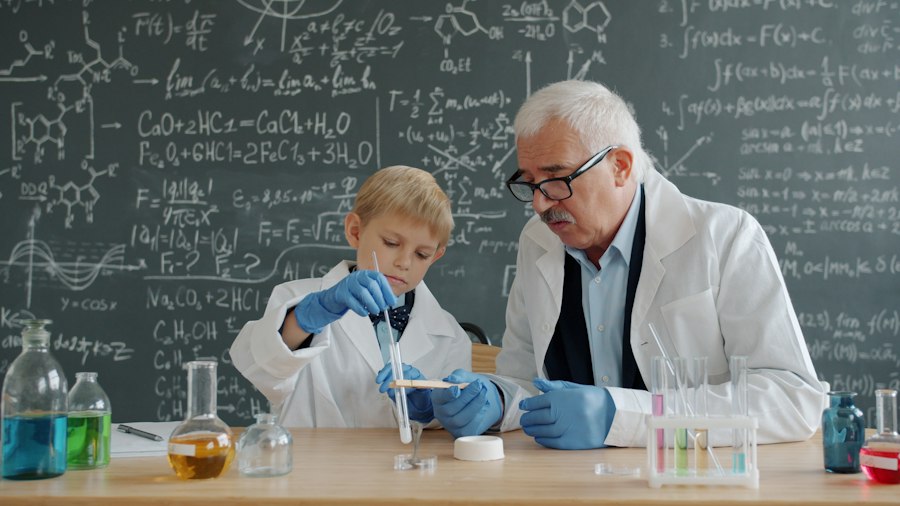
The ethical landscape of psychology experiments involving children has evolved significantly, driven by a growing awareness of the unique vulnerabilities of this population and the potential for harm.
Informed Consent and Assent
The cornerstone of ethical research is informed consent. However, with children, obtaining true informed consent is not always possible due to their limited capacity to understand complex information.
The Role of Parental Consent
In most cases, parental or guardian consent is mandatory for a child’s participation in research. This ensures that a responsible adult has reviewed the study’s purpose, procedures, risks, and benefits and has agreed to their child’s involvement.
The Importance of Child Assent
Even with parental consent, ethically sound research requires seeking the child’s assent. This means explaining the study to them in age-appropriate language and allowing them to agree or disagree to participate. Children have the right to refuse, even if their parents have consented, and their assent should be respected throughout the study.
Minimizing Risk and Maximizing Benefit
A fundamental ethical principle is to ensure that the potential benefits of a study outweigh any potential risks to participants.
Risk-Benefit Analysis in Research Design
Researchers must carefully consider the potential risks associated with their experiments, which could include psychological distress, emotional discomfort, or even physical discomfort in some cases. They must then weigh these risks against the potential benefits, such as advancing scientific knowledge, improving interventions, or directly benefiting the child participants.
The Debriefing Process and Support
Following an experiment, a thorough debriefing process is crucial, especially if the study involved any deception or potentially distressing elements. This involves explaining the true purpose of the study, answering any questions the child or parents may have, and ensuring the child feels reassured and supported. This process helps mitigate any negative emotional impact and reinforces the positive aspects of participation.
The Evolution of Ethical Guidelines and Oversight
The history of psychology is marked by some ethically questionable experiments. However, these instances have served as catalysts for the development of stringent ethical guidelines and oversight bodies.
Institutional Review Boards (IRBs)
Today, virtually all research involving human participants, including children, must be reviewed and approved by an Institutional Review Board (IRB). These boards comprise scientists, ethicists, and community members who evaluate research proposals to ensure they meet ethical standards and protect participant welfare.
Principles of Justice and Beneficence
Ethical frameworks like the Belmont Report emphasize principles of justice (fairness in the selection of participants) and beneficence (maximizing benefits and minimizing harm). These principles guide researchers in designing studies that are not only scientifically sound but also ethically responsible.
Recent studies in psychology have shed light on the fascinating ways children learn and develop through various experiments. For those interested in exploring this topic further, an insightful article can be found at Unplugged Psychology, which discusses innovative approaches to understanding child behavior and cognition. These experiments not only reveal the intricacies of a child’s mind but also provide valuable insights for educators and parents alike.
Lasting Legacies and Future Directions
| Experiment Name | Researcher(s) | Year | Age Group | Purpose | Key Findings |
|---|---|---|---|---|---|
| Stanford Marshmallow Experiment | Walter Mischel | 1972 | 4-6 years | Study delayed gratification and self-control | Children who delayed gratification had better life outcomes |
| Strange Situation | Mary Ainsworth | 1970s | 12-18 months | Assess attachment styles between infants and caregivers | Identified secure, avoidant, and anxious attachment styles |
| False Belief Task | Simon Baron-Cohen, Alan M. Leslie, Uta Frith | 1985 | 4-5 years | Test theory of mind development | Children develop understanding of others’ beliefs around age 4 |
| Bobo Doll Experiment | Albert Bandura | 1961 | 3-6 years | Investigate observational learning and aggression | Children imitate aggressive behavior modeled by adults |
| Visual Cliff Experiment | Eleanor Gibson, Richard Walk | 1960 | 6-14 months | Study depth perception development | Infants perceive depth and show fear of heights |
The impact of psychology experiments on children is immeasurable. The knowledge gained has transformed our understanding of development, learning, and well-being, shaping educational policies, parenting practices, and therapeutic interventions.
Informing Educational Practices and Interventions
From the way we teach reading to the design of early childhood curricula, the insights from child psychology experiments are deeply embedded in modern educational systems. Understanding cognitive development, learning styles, and motivational factors allows educators to create more effective and engaging learning environments.
Advancing Mental Health and Therapeutic Approaches
Experimental research has been crucial in identifying developmental pathways of mental health disorders and in developing effective therapeutic interventions for children. Understanding the origins of anxiety, depression, and behavioral issues allows for earlier detection and more targeted treatments.
The Ongoing Ethical Imperative
As research continues to push the boundaries of our understanding, the ethical imperative remains paramount. Future experiments will undoubtedly continue to explore complex aspects of child development, but always with a renewed commitment to safeguarding the welfare and rights of young participants. The pursuit of knowledge must always be balanced with compassion and a deep respect for the inherent dignity of every child. The legacy of past experiments, both celebrated and debated, serves as a constant reminder of the profound responsibility that accompanies the exploration of the developing human mind.

The Little Albert Experiment May Not Have Worked
FAQs
1. What are some common types of psychology experiments conducted on children?
Psychology experiments on children can include studies on cognitive development, social behavior, emotional regulation, and moral reasoning. These experiments often involve tasks, games, questionnaires, and observations to understand various aspects of child psychology.
2. How are children recruited for psychology experiments?
Children are typically recruited for psychology experiments through schools, community centers, and online platforms. Parents or legal guardians are required to provide consent for their child to participate in any research study. Researchers must follow strict ethical guidelines to ensure the safety and well-being of the children involved.
3. What are the potential benefits of psychology experiments on children?
Psychology experiments on children can provide valuable insights into child development, behavior, and cognition. The findings from these experiments can help inform educational practices, parenting strategies, and interventions for children with developmental disorders or mental health issues.
4. Are there any risks involved in conducting psychology experiments on children?
While researchers take precautions to minimize risks, there are potential ethical concerns when conducting experiments on children. These may include emotional distress, invasion of privacy, and the potential for harm if not carefully monitored. Researchers must prioritize the well-being of the children involved and obtain informed consent from parents or legal guardians.
5. How are the results of psychology experiments on children used in the field of psychology?
The results of psychology experiments on children are used to advance our understanding of child development, behavior, and mental health. Researchers may use these findings to develop interventions, programs, and policies that support the well-being of children and promote healthy development.