
You’ve been there, haven’t you? The sudden silence. The unanswered texts, the unreturned calls, the digital void where a connection used to be. It’s a modern phenomenon, born from the ease of digital communication, and it’s called ghosting. You might have experienced it, or you might have even done it, perhaps without fully grasping its ramifications. But whether you’re the one left in the dark or the one doing the vanishing act, the impact of ghosting on self-esteem is profound and often deeply personal. This isn’t just a minor social inconvenience; it’s a wound that can fester, eroding your sense of worth and leaving you questioning your own value.
Imagine you’re walking on solid ground, feeling secure and grounded. Then, without warning, the ground vanishes. That’s what ghosting feels like. The absence of explanation, the abrupt cessation of contact, shatters the sense of certainty you had in the relationship, whatever its nature. This isn’t a gradual drifting apart; it’s a sudden, inexplicable disappearance, leaving you grappling with a void.
The Absence of Closure: A Lingering Question Mark
The most immediate and perhaps the most painful impact of ghosting is the lack of closure. In traditional breakups or disagreements, there’s often a conversation, a confrontation, or at least a definitive ending. You might be hurt, angry, or sad, but you have a narrative. You understand, even if you disagree, why the relationship ended. Ghosting robs you of this. You are left with a gaping hole in your understanding, an unanswered question that echoes endlessly.
The Cycle of “What Ifs”: Torturing Yourself with Possibilities
When you’re ghosted, your mind becomes a breeding ground for “what ifs.” You replay every interaction, every conversation, searching for clues, for reasons. Was it something you said? Something you did? Were you not interesting enough? Too needy? Too clingy? This internal interrogation, devoid of any external validation or refutation, can become a relentless cycle of self-blame. You become the detective, the jury, and the executioner, all within the confines of your own thoughts, and the verdict is rarely favorable.
The Illusion of Control: Powerlessness in the Face of the Unknown
The act of ghosting, from the ghoster’s perspective, can sometimes be an attempt to avoid confrontation or difficult conversations, a way to maintain a sense of control over their own emotional discomfort. For the person being ghosted, however, it’s the opposite. You are rendered utterly powerless. You have no agency in the situation. Your pleas for understanding, your attempts to re-establish contact, are met with silence, further amplifying your feeling of helplessness. This lack of control can be deeply disempowering, chipping away at your confidence and your belief in your ability to influence your own relationships.
The Amplification of Insecurity: Doubts Creep In Like a Shadow
When you’re left in the dark, your existing insecurities, no matter how dormant they may have been, can quickly resurface and amplify. The ghoster’s silence becomes a canvas onto which you project your deepest fears about your worthiness and lovability.
Questioning Your Own Desirability: Am I Not Enough?
The most common question that arises when ghosted is, “Am I not enough?” This question isn’t just about the specific relationship that ended; it can bleed into your broader perception of yourself. You start to wonder if you are inherently unlovable, if there’s something fundamentally flawed about you that makes people choose to disappear rather than communicate. This can lead to a pervasive sense of inadequacy, impacting your willingness to put yourself out there in the future.
The Reinterpretation of Past Interactions: Was It All a Lie?
Ghosting can retroactively taint your memories of the relationship. What once seemed like genuine connection might now be viewed with suspicion. You start to question the sincerity of their words, the authenticity of their actions. Were they just pretending? Were they leading you on? This reinterpretation of the past can create a profound sense of betrayal and make it difficult to trust your own judgment and perceptions moving forward.
Being ghosted can have a profound impact on an individual’s self-esteem, often leading to feelings of rejection and inadequacy. When someone abruptly cuts off communication without explanation, it can leave the ghosted person questioning their worth and desirability. For a deeper understanding of the psychological effects of being ghosted and strategies to rebuild self-esteem, you can read more in this insightful article on Unplugged Psych: Why Being Ghosted Can Affect Your Self-Esteem.
The Internalization of Rejection: When Others’ Actions Become Your Personal Failure
The sting of rejection is universal, but when it comes in the form of ghosting, it carries a particularly insidious weight. Because there’s no explicit rejection, no clear reason given, you’re left to fill in the blanks. And often, those blanks are filled with self-deprecation.
The “No Effort” Fallacy: Devaluing Your Own Contributions
When someone ghosts you, it can feel like they invested zero effort in explaining their departure. This can lead you to devalue your own contributions to the relationship. You might think, “If they couldn’t even be bothered to send a text, then I must not have been worth their time or effort.” This fallacy is dangerous because it ignores the inherent value of your presence and the effort you did invest. It frames the end of the relationship solely through the lens of the ghoster’s perceived lack of interest, rather than acknowledging the reciprocal nature of connection.
The “One-Sided Conversation” Effect: Feeling Like You Were Talking to Yourself
Ghosting creates a one-sided conversation where you are the only participant. You pour your thoughts, your feelings, your concerns into a void, and receive nothing in return. This can feel incredibly lonely and can lead you to believe that your thoughts and feelings are not important or valid enough to warrant a response. It’s like screaming into a black hole and expecting an echo. This internal monologue, devoid of external feedback, can lead to a feeling of isolation and can diminish your confidence in expressing yourself.
The “Public Humiliation” Undercurrent: The Fear of Being Judged
While ghosting is often a private experience, the lingering doubt and the lack of resolution can create an internal sense of public humiliation. You might worry about what others would think if they knew you were ghosted. This fear of judgment, even if it’s imagined, can lead you to internalize the perceived failure. You might feel ashamed, as if your being ghosted is a reflection of your social standing or desirability.
The Social Comparison Trap: Wondering Why Others Don’t Experience This
You might look at others who seem to have stable, communicative relationships and wonder why you are the one subjected to this silent treatment. This social comparison can exacerbate feelings of inadequacy and make you feel like you’re on the outside looking in, unable to navigate the world of relationships as successfully as others.
The Ripple Effect on Future Relationships: A Lingering Shadow of Distrust

The trauma of being ghosted doesn’t just disappear when the silence stops. It casts a long shadow over your future interactions, making it harder to build new connections with trust and openness.
Building Walls of Defense: The Hesitation to Be Vulnerable
After being ghosted, you might find yourself building walls around your heart. The fear of being hurt again, of experiencing that same painful silence, can make you hesitant to be vulnerable. You might hold back, protecting yourself from potential pain by not fully investing in new relationships. This self-preservation, while understandable, can ironically hinder the very connections you crave.
The “Pre-emptive Strike” Mentality: Pushing People Away Before They Can Ghost You
In an attempt to avoid being the victim again, some people develop a “pre-emptive strike” mentality. They might become overly cautious, reading into every small interaction, looking for signs that the other person is pulling away. This can lead them to push people away before they even have a chance to be ghosted, thus perpetuating a cycle of self-sabotage and isolation.
The Difficulty in Trusting Communication: Every Silence Becomes Suspicious
Your ability to trust communication can be severely impacted. Every unanswered text, every delayed reply, can be interpreted as a sign that you are about to be ghosted. This heightened sensitivity can lead to anxiety and can strain new relationships as you constantly look for red flags. You might become overly reactive to perceived slights, creating unnecessary tension where none might exist.
The “Self-Fulfilling Prophecy” of Abandonment: Your Fear Becomes Reality
Your fear of abandonment can become a self-fulfilling prophecy. If you are constantly on edge, expecting to be ghosted, you might unconsciously behave in ways that push people away. Your anxiety can manifest as clinginess, suspicion, or emotional withdrawal, which can indeed lead to the very outcome you dread.
The Unseen Emotional Toll: Beyond the Surface-Level Hurt

The impact of ghosting extends far beyond the initial sting. It can manifest in a variety of emotional and psychological ways, affecting your overall well-being.
The Increased Risk of Anxiety and Depression: A Lingering Melancholy
The unresolved pain, the self-doubt, and the feeling of rejection can contribute to increased levels of anxiety and depression. The constant rumination, the feeling of being fundamentally flawed, and the loneliness can weigh heavily on your mental health, making it difficult to find joy and experience happiness.
The Sleep Disturbances and Appetite Changes: Physical Manifestations of Emotional Distress
Your emotional distress can manifest physically. You might find yourself experiencing sleep disturbances, struggling to fall asleep or stay asleep due to racing thoughts. Changes in appetite, either a loss of appetite or an increased desire to eat, can also be indicators of emotional turmoil. These physical symptoms are your body’s way of signaling that something is wrong.
The Erosion of Self-Compassion: Beating Yourself Up When You Should Be Healing
In the aftermath of ghosting, it’s easy to fall into a pattern of self-criticism. You might be harder on yourself than anyone else would ever be. Instead of offering yourself compassion and understanding, you berate yourself for perceived flaws. This lack of self-compassion is a significant barrier to healing and can prolong the negative impact of the experience.
The Difficulty in Forgiving: Holding Onto Resentment as a Shield
The inability to get closure can make it difficult to forgive the person who ghosted you. You might hold onto resentment as a form of self-protection, believing that if you forgive them, you are condoning their behavior or opening yourself up to further hurt. However, holding onto resentment often does more damage to you than to the person who wronged you.
Experiencing ghosting can have a profound impact on an individual’s self-esteem, as it often leaves them questioning their worth and desirability. When someone abruptly cuts off communication without explanation, it can trigger feelings of rejection and inadequacy. For a deeper understanding of the psychological effects of being ghosted, you might find this article helpful, as it explores the emotional turmoil that can arise from such experiences. To read more about this topic, click on this link.
Reclaiming Your Worth: Strategies for Healing and Resilience
| Reasons Being Ghosted Can Affect Your Self Esteem |
|---|
| 1. Feeling Rejected |
| 2. Doubting Your Worth |
| 3. Loss of Confidence |
| 4. Overthinking the Situation |
| 5. Impact on Trust in Relationships |
The good news is that while ghosting can have a significant impact on your self-esteem, it doesn’t have to be a permanent state. You have the power to heal and to rebuild your sense of self-worth.
Acknowledging the Hurt and Validating Your Feelings: The First Step to Healing
The first and most crucial step is to acknowledge that you have been hurt. Don’t minimize your feelings or tell yourself you’re overreacting. Your pain is valid. Allow yourself to feel sad, angry, confused, or whatever emotions arise. Suppressing these feelings will only prolong the healing process.
Journaling as a Tool for Self-Reflection: Putting Your Thoughts on Paper
Writing down your thoughts and feelings can be incredibly cathartic. Journaling allows you to process your emotions, identify patterns of self-doubt, and gain a clearer perspective on the situation. It’s a private space where you can be completely honest with yourself without judgment.
Rebuilding Your Support System: Leaning on Those Who Care
Reach out to trusted friends and family members. Talking about your experience with people who care about you can provide emotional support and help you feel less alone. Their perspectives can also offer comfort and reassurance, reminding you of your value and worth.
Seeking Professional Help: Therapy as a Pathway to Recovery
If the impact of ghosting is significantly affecting your mental health, consider seeking professional help. A therapist can provide a safe and supportive environment to explore your feelings, develop coping mechanisms, and challenge negative thought patterns. They can guide you through the process of rebuilding your self-esteem and developing healthier relationship patterns.
Focusing on Self-Care and Self-Love: Prioritizing Your Well-being
Engage in activities that bring you joy and nurture your well-being. This could include exercise, hobbies, spending time in nature, or practicing mindfulness. Prioritizing self-care sends a powerful message to yourself that you are worthy of love and attention. Cultivating self-love means treating yourself with the same kindness, compassion, and understanding that you would offer a dear friend.
Setting Healthy Boundaries in Future Relationships: Protecting Your Emotional Space
As you move forward, learning to set healthy boundaries in future relationships is essential. This involves clearly communicating your needs and expectations, and being willing to walk away from interactions that consistently disrespect those boundaries. It’s about creating a relationship dynamic where mutual respect and open communication are paramount.
Ghosting is a painful modern experience, but your self-esteem doesn’t have to be a casualty. By understanding its impact, validating your feelings, and actively engaging in self-healing, you can emerge from the darkness of silence stronger, more resilient, and more confident in your own inherent worth. You are not defined by someone else’s inability to communicate. You are defined by your own journey of growth and self-discovery.
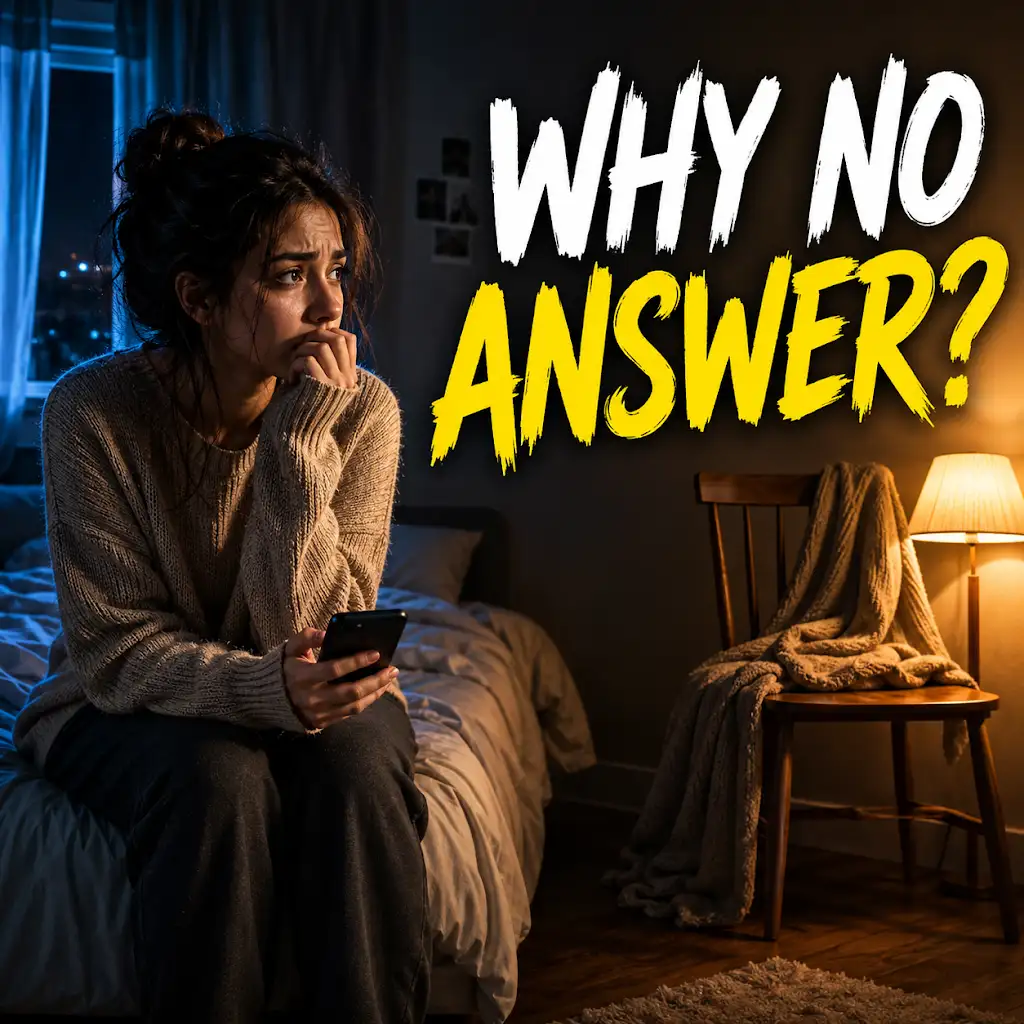
Why Your Brain Can’t Let Go When Someone Ignores You
FAQs
What is ghosting?
Ghosting is the act of suddenly ending all communication with someone without any explanation or warning. This can happen in various types of relationships, including friendships, romantic relationships, and professional connections.
How does being ghosted affect self-esteem?
Being ghosted can have a significant impact on an individual’s self-esteem. It can lead to feelings of rejection, worthlessness, and self-doubt. The lack of closure and unanswered questions can leave individuals feeling confused and questioning their own value.
What are the psychological effects of being ghosted?
The psychological effects of being ghosted can include feelings of abandonment, anxiety, and depression. It can also lead to a loss of trust in others and a fear of forming new connections out of fear of being ghosted again.
How can being ghosted affect future relationships?
Experiencing ghosting in past relationships can lead to trust issues and a fear of vulnerability in future relationships. It can also impact communication patterns and the ability to fully invest in new connections.
What are some ways to cope with being ghosted and rebuild self-esteem?
Coping with being ghosted and rebuilding self-esteem can involve seeking support from friends and loved ones, practicing self-care, and seeking professional help if needed. It’s important to recognize that being ghosted is not a reflection of one’s worth and to focus on building resilience and self-confidence.