
The Human Mind Unveiled: A Psychology Documentary on Human Behavior
A Glimpse into the Intricate Labyrinth of the Human Psyche
The human mind, a boundless universe of thoughts, emotions, and experiences, has long been a subject of profound fascination and rigorous scientific inquiry. For centuries, philosophers and scientists have strived to unravel its mysteries, to understand the intricate mechanisms that drive our actions, shape our perceptions, and define our very being. Now, a groundbreaking new documentary, “The Human Mind Unveiled: A Psychology Documentary on Human Behavior,” promises to illuminate this complex landscape, offering viewers an unprecedented journey into the depths of human psychology. This ambitious film, produced by a team of leading psychologists and acclaimed filmmakers, delves into the core principles of human behavior, exploring both the universal threads that connect us and the unique nuances that make each individual distinct. Through a compelling blend of expert interviews, compelling case studies, and cutting-edge scientific research, the documentary aims to demystify the human psyche, making complex psychological concepts accessible and engaging for a broad audience. It is a testament to the enduring human quest for self-understanding, a journey that promises to be as illuminating as it is thought-provoking.
The documentary’s central thesis is that understanding human behavior is not merely an academic pursuit but a vital endeavor for navigating our personal lives, fostering healthier relationships, and building a more compassionate society. By peeling back the layers of conscious and unconscious processes, “The Human Mind Unveiled” seeks to empower viewers with a deeper appreciation for the forces that shape their own thoughts and actions, as well as those of others. It challenges the notion of the mind as an impenetrable black box, instead presenting it as a dynamic, ever-evolving system influenced by a confluence of biological, environmental, and social factors. The film skillfully weaves together these diverse elements, demonstrating how they interact to produce the rich tapestry of human experience. From the earliest stages of development to the complexities of aging, from the exhilaration of love to the despair of loss, the documentary traverses the full spectrum of human life, offering psychological insights at every turn.
The production team has meticulously curated a wealth of information, drawing upon decades of research and the expertise of some of the most respected figures in the field of psychology. This ensures that the documentary is not only informative but also scientifically sound. The visual storytelling is equally impressive, employing a range of techniques to bring abstract psychological concepts to life. Animation, historical footage, and contemporary observational sequences are seamlessly integrated, creating a dynamic and immersive viewing experience. The narrative is structured to guide the audience through a logical progression of ideas, building from fundamental concepts to more advanced theories, all while maintaining a sense of wonder and discovery. Ultimately, “The Human Mind Unveiled” is more than just a documentary; it is an invitation to engage in a profound conversation about what it means to be human.
One of the most enduring debates in psychology, and a central theme explored in “The Human Mind Unveiled,” is the intricate interplay between nature and nurture. The documentary dedicates significant time to dissecting how our genetic inheritance (nature) and our environmental experiences (nurture) conspire to shape who we are. It moves beyond the simplistic dichotomy, presenting a nuanced perspective that acknowledges the complex and often inseparable relationship between these two forces.
The Genetic Blueprint: Predispositions and Potentials
The film begins by exploring the fundamental role of genetics in human behavior. Experts featured in the documentary explain how our DNA provides the foundational blueprint for our physical and neurological development, influencing everything from our temperament and personality traits to our susceptibility to certain mental health conditions.
Epigenetics: The Dynamic Dance of Genes and Environment
A particularly fascinating segment delves into the field of epigenetics. Viewers learn how environmental factors, such as diet, stress, and social interactions, can actually influence gene expression without altering the underlying DNA sequence. This concept is illustrated with compelling examples, showing how experiences can “turn genes on or off,” profoundly impacting development and behavior throughout life. The documentary emphasizes that our genes are not necessarily our destiny, but rather a set of predispositions that can be modified and influenced.
Inherited Traits: Temperament and Personality
The documentary examines how certain personality traits, such as introversion and extroversion, neuroticism, and openness to experience, have a significant heritable component. Through interviews with behavioral geneticists and footage of twin studies, it demonstrates the remarkable similarities observed in identical twins, even when raised in different environments, underscoring the powerful influence of genetic inheritance. However, it is equally crucial to note that these are not fixed destinies, but rather tendencies that can be amplified or mitigated by life experiences.
The Environmental Crucible: Shaping the Self
Equally important is the documentary’s extensive exploration of the environmental influences that mold our behavior. From the earliest moments of life in the womb to the complex social dynamics of adulthood, our surroundings play a crucial role in our development.
Early Childhood Experiences: The Foundation of Psychological Well-being
“The Human Mind Unveiled” highlights the profound impact of early childhood experiences on long-term psychological health. The documentary explores attachment theory, emphasizing the critical role of secure caregiver-child relationships in fostering emotional security, social skills, and cognitive development. Case studies illustrate the detrimental effects of neglect and abuse, showcasing how these early adversities can lead to lasting psychological scars and behavioral problems. The film stresses that the formative years are a sensitive period where experiences lay the groundwork for future mental fortitude and emotional resilience.
Social Learning and Cultural Influences
The documentary also examines how we learn from observing others, a concept central to social learning theory. Viewers are shown how societal norms, cultural values, and peer interactions shape our beliefs, attitudes, and behaviors. From the languages we speak to the way we express emotions, our cultural context is a powerful determinant of our actions. The film presents examples of how different cultures approach child-rearing, conflict resolution, and social interaction, demonstrating the vast diversity of human behavioral patterns shaped by cultural conditioning. It underscores that what is considered “normal” or “acceptable” is often a product of our specific societal environment, not an inherent universal truth.
For those interested in exploring the intricacies of human behavior, the psychology documentary “The Mind Explained” offers a fascinating look into how our brains function and influence our actions. This documentary delves into various aspects of psychology, including memory, anxiety, and dreams, providing viewers with a deeper understanding of the human experience. To further enhance your knowledge on this topic, you can read a related article that discusses the latest findings in psychology and their implications for everyday life at this link.
The Architects of Thought: Cognition and Perception
Beyond the fundamental influences of nature and nurture, “The Human Mind Unveiled” delves into the intricate processes of cognition – the mental activities associated with thinking, knowing, remembering, and communicating. This section of the documentary illuminates how our minds construct reality, process information, and make decisions.
The Power of Perception: How We See the World
The documentary begins by exploring the fascinating realm of perception, emphasizing that our experience of the world is not a direct reflection of reality but rather an active construction by our brains. Viewers are introduced to concepts such as selective attention, which explains why we often filter out information that is not immediately relevant to our goals or interests.
Illusions and Biases: The Quirks of Our Sensory Systems
Through visually engaging demonstrations of optical and auditory illusions, the film highlights the inherent biases and shortcuts our brains employ to process the vast amounts of sensory information we receive. These examples serve to illustrate that our perceptions are not always accurate and can be easily manipulated. The documentary explains that these illusions are not flaws but rather the byproducts of an efficient cognitive system designed to make rapid judgments in a complex world.
The Role of Memory: Constructing Our Past
The documentary then shifts its focus to the complex and often fallible nature of memory. Experts explain how memories are not static recordings but are actively reconstructed each time we recall them, making them susceptible to distortion and misinformation.
False Memories and the Unreliable Witness
Compelling case studies demonstrate the phenomenon of false memories, highlighting how easily these can be implanted and how they can have significant consequences, particularly in legal contexts. The film underscores the importance of critical thinking and the understanding that our own recollections are not always infallible accounts of past events. This section serves as a stark reminder of the reconstructive nature of memory and the potential for inaccuracies.
The Engine of Thought: Reasoning and Problem-Solving
The documentary moves on to explore the sophisticated cognitive processes involved in reasoning and problem-solving. Viewers learn about different approaches to decision-making, from logical deduction to intuitive leaps.
Cognitive Biases: Shortcuts and Pitfalls
The film identifies common cognitive biases that can influence our decision-making, such as confirmation bias (the tendency to favor information that confirms our existing beliefs) and the availability heuristic (overestimating the likelihood of events that are easily recalled). Understanding these biases, the documentary argues, is crucial for making more rational and informed choices. It highlights how these ingrained mental shortcuts, while often useful, can also lead to significant errors in judgment, particularly when dealing with complex or unfamiliar situations.
Creativity and Innovation: Unlocking New Possibilities
Finally, this section touches upon the remarkable human capacity for creativity and innovation. The documentary explores the psychological underpinnings of creative thinking, including divergent thinking, the ability to generate multiple solutions to a problem, and the importance of curiosity and open-mindedness. It showcases how these cognitive abilities have driven human progress throughout history and continue to be essential for tackling the challenges of the future. The film suggests that creativity is not a mystical gift but a cognitive skill that can be cultivated and nurtured through specific practices and environments.
The Landscape of Emotion: Feelings and Motivations
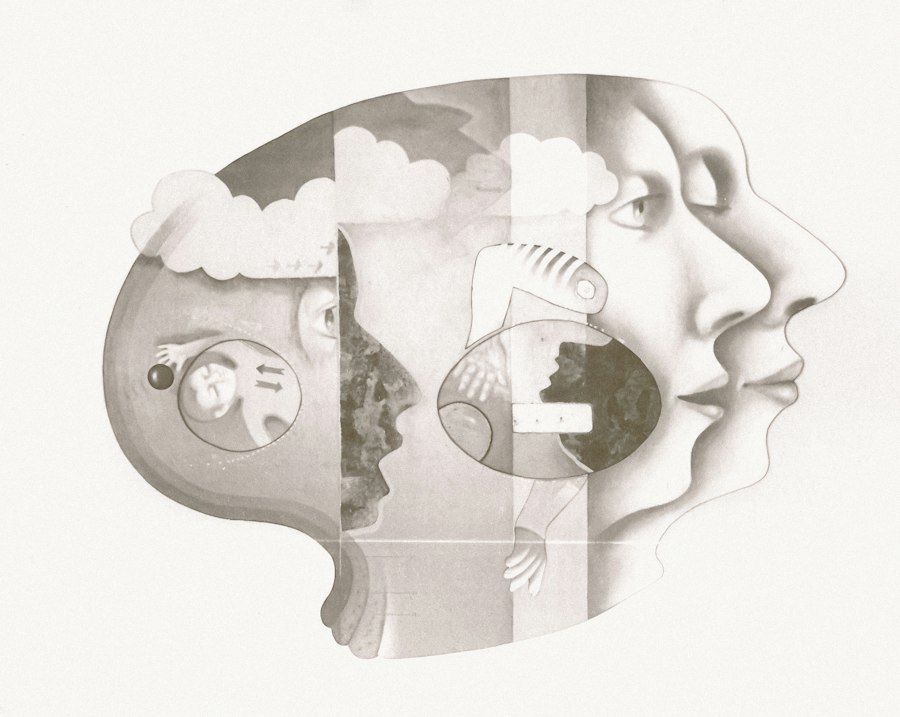
No exploration of human behavior would be complete without a deep dive into the realm of emotions, the powerful forces that color our experiences and drive our actions. “The Human Mind Unveiled” dedicates a significant portion of its runtime to unraveling the complexities of human feelings and the motivations that stem from them.
Understanding Emotions: The Spectrum of Human Feeling
The documentary begins by presenting a comprehensive overview of the major human emotions, from joy and love to anger and sadness. Experts explain the biological and psychological underpinnings of these feelings, exploring how they are triggered and how they manifest in our bodies and minds.
The Neuroscience of Emotion: Brain Regions and Chemical Messengers
Viewers are introduced to the brain regions associated with emotional processing, such as the amygdala and the prefrontal cortex, and learn about the role of neurotransmitters like serotonin and dopamine in regulating mood. The film uses vivid graphics and clear explanations to demystify the complex biological machinery behind our emotional lives. This scientific perspective provides a tangible understanding of the physical basis of our emotional experiences.
Emotional Intelligence: Navigating the Inner World
A key concept explored is emotional intelligence, the ability to understand and manage one’s own emotions, as well as to recognize and respond effectively to the emotions of others. The documentary highlights the importance of emotional intelligence in building strong relationships, succeeding in the workplace, and achieving overall well-being. It presents practical strategies for developing this crucial skill, emphasizing that it is not an innate trait but a learned competency.
The Driving Forces: Motivation and Desire
The film then turns its attention to the powerful forces of motivation and desire, exploring what drives human behavior and what propels us to pursue our goals.
Intrinsic vs. Extrinsic Motivation: The Sources of Drive
The documentary distinguishes between intrinsic motivation (doing something for the inherent satisfaction it brings) and extrinsic motivation (doing something for external rewards or to avoid punishment). Experts discuss how a balance of both can be beneficial, but emphasize the importance of fostering intrinsic motivation for long-term engagement and fulfillment. The film provides examples of how workplaces and educational institutions can cultivate environments that nurture intrinsic drive.
Needs, Goals, and Aspirations: The Pursuit of Fulfillment
The documentary examines the hierarchy of human needs, from basic physiological requirements to the pursuit of self-actualization, as proposed by Abraham Maslow. It explores how our unmet needs and aspirations shape our goals and drive our actions. Through inspiring stories of individuals who have overcome adversity to achieve their dreams, the film illustrates the resilience of the human spirit and the power of determined aspiration. These narratives serve as powerful examples of individuals striving for growth and self-improvement.
The Social Fabric: Interactions and Relationships

Human beings are inherently social creatures, and “The Human Mind Unveiled” dedicates a significant section to exploring the complexities of social interaction and the formation of relationships. This part of the documentary reveals how our interactions with others shape our identities, our behaviors, and our overall sense of belonging.
The Dynamics of Social Influence: Conforming and Resisting
The film delves into the powerful ways in which social influence impacts our behavior. Viewers are introduced to classic experiments, such as the Asch conformity experiments, which demonstrate the human tendency to conform to group opinion, even when that opinion contradicts our own perceptions.
Group Dynamics: Cohesion, Conflict, and Cooperation
The documentary explores the dynamics of group behavior, examining factors that contribute to group cohesion and cooperation, as well as those that can lead to conflict and division. It sheds light on concepts like social loafing and groupthink, explaining how individuals’ behaviors can be altered when they are part of a larger collective. The film offers insights into how effective leadership and communication can mitigate the negative aspects of group dynamics.
Prejudice and Discrimination: The Dark Side of Social Categorization
A sensitive but crucial aspect explored is the nature of prejudice and discrimination. The documentary examines the psychological roots of these harmful behaviors, including in-group bias and the tendency to stereotype. It highlights the devastating impact of discrimination on individuals and society as a whole and explores strategies for promoting intergroup understanding and reducing bias. The film advocates for empathy and education as powerful tools in dismantling ingrained societal prejudices.
The Intricacies of Relationships: Connection and Intimacy
The documentary then shifts to the personal realm, exploring the fundamental human need for connection and the complexities of forming and maintaining relationships.
The Psychology of Love and Attraction: What Draws Us Together
Experts discuss the psychological and biological factors that contribute to love and attraction, from the role of similarity and proximity to the influence of hormones and evolutionary drives. The film examines different forms of love, including romantic love, familial love, and friendship. This section offers a scientific perspective on one of the most profound human experiences.
Communication and Conflict Resolution: Building Bridges
Effective communication and conflict resolution are highlighted as essential skills for healthy relationships. The documentary provides practical advice on active listening, assertive communication, and constructive approaches to resolving disagreements. Through illustrative scenarios, it demonstrates how misunderstandings can escalate and how empathy and open dialogue can foster stronger bonds. The film emphasizes that navigating conflict effectively is a sign of relationship maturity and resilience.
In exploring the intricate dynamics of human behavior, the psychology documentary delves into various factors that shape our actions and decisions. For those interested in a deeper understanding of these concepts, a related article can be found at Unplugged Psychology, which offers insights into the underlying mechanisms of our thoughts and behaviors. This resource complements the documentary by providing additional context and research findings that illuminate the complexities of the human mind.
The Evolving Self: Development and Change Over a Lifetime
| Metric | Value | Description |
|---|---|---|
| Average Runtime | 90 minutes | Typical length of a psychology documentary about human behavior |
| Number of Interviews | 15-25 | Experts, psychologists, and subjects interviewed |
| Topics Covered | 5-8 | Common themes such as cognition, emotion, social behavior, and development |
| Audience Rating | 8.2/10 | Average viewer rating on popular documentary platforms |
| Release Year Range | 2000-2024 | Years when most influential psychology documentaries were released |
| Number of Case Studies | 3-7 | Real-life examples used to illustrate psychological concepts |
| Languages Available | 5+ | Number of languages the documentary is typically available in |
Finally, “The Human Mind Unveiled” concludes by examining the dynamic and ongoing process of human development and change throughout the lifespan. This section underscores that the human mind is not static but is constantly evolving in response to new experiences and challenges.
The Journey of Development: From Infancy to Old Age
The documentary takes viewers on a chronological journey, exploring the key developmental stages from infancy and childhood through adolescence, adulthood, and old age. Experts discuss the cognitive, social, and emotional milestones associated with each stage.
Childhood and Adolescence: Formation and Identity
The film highlights the critical periods of early childhood for cognitive and emotional development, and then explores the turbulent yet crucial years of adolescence, focusing on the formation of identity, the quest for independence, and the navigation of peer relationships. It acknowledges the significant brain changes occurring during these periods and their impact on behavior.
Adulthood and Aging: Growth, Resilience, and Wisdom
The documentary then examines the complexities of adulthood, including career development, family formation, and the challenges and rewards of midlife. It concludes by exploring the process of aging, focusing on the concept of successful aging, the maintenance of cognitive function, and the accumulation of wisdom and life experience. The film challenges ageist stereotypes and celebrates the continued potential for growth and contribution in later life.
Resilience and the Capacity for Change: Overcoming Adversity
A powerful overarching theme throughout this final section is the remarkable human capacity for resilience and change. The documentary showcases how individuals can overcome significant adversity, adapt to new circumstances, and continue to grow and learn throughout their lives.
Post-Traumatic Growth: Finding Strength in Suffering
The film explores the concept of post-traumatic growth, demonstrating how individuals who have experienced trauma can emerge with a greater appreciation for life, stronger relationships, and a renewed sense of purpose. Inspiring stories of individuals who have navigated profound personal challenges serve as testament to the enduring strength of the human spirit. This offers a hopeful perspective on how even the most difficult experiences can lead to positive transformation.
Lifelong Learning and Adaptation: The Ever-Changing Mind
Ultimately, “The Human Mind Unveiled” leaves viewers with a profound appreciation for the dynamic and ever-evolving nature of the human mind. It emphasizes the importance of lifelong learning, adaptability, and a continuous commitment to self-understanding. The documentary serves as a powerful reminder that the journey of exploring the human mind is a continuous one, filled with endless possibilities for discovery and personal growth. It is a compelling call to embrace the complexities of our inner lives and to continue seeking knowledge about what makes us uniquely human.

They Told Healthy Children Something Was Wrong With Their Speech
FAQs
What is the focus of the psychology documentary about human behavior?
The documentary explores various aspects of human behavior, such as cognitive processes, emotions, social interactions, and psychological disorders.
Who are the experts featured in the psychology documentary?
The documentary features renowned psychologists, researchers, and experts in the field of human behavior who provide insights and analysis on different topics.
How does the psychology documentary present information about human behavior?
The documentary uses a combination of interviews, case studies, experiments, and real-life examples to illustrate and explain different aspects of human behavior.
What are some of the key takeaways from the psychology documentary?
Viewers can expect to gain a deeper understanding of human behavior, learn about the factors that influence our actions, and discover how psychology plays a role in shaping our thoughts and emotions.
Where can I watch the psychology documentary about human behavior?
The documentary may be available for streaming on various platforms, such as online streaming services, educational websites, or through purchase on DVD or Blu-ray.