
The documentary, The Hidden Depths of Human Behavior, offers a profound exploration into the intricate landscape of the human mind. It eschews sensationalism for a meticulously researched and eloquently presented examination of why we do what we do, delving into the subconscious drives, evolutionary legacies, and social pressures that sculpt our every action. Through a blend of expert interviews, compelling case studies, and insightful animations, the film unpacks the complex interplay of factors that govern our decisions, emotions, and interactions, leaving the viewer with a richer understanding of themselves and the people around them.
The film’s initial foray into the psyche immediately confronts the audience with the pervasive influence of the subconscious mind. It argues that a significant portion of our behavior is not dictated by conscious thought but by a vast and often inaccessible reservoir of memories, instincts, and learned associations.
The Freudian Echo: Repressed Desires and Unresolved Conflicts
The Hidden Depths of Human Behavior revisits foundational psychological theories, acknowledging the enduring impact of Sigmund Freud’s work. While not presented as the sole arbiter of psychological truth, the documentary highlights how concepts like repression, the id, ego, and superego offer a valuable lens through which to understand seemingly irrational behaviors. The film illustrates these abstract concepts with relatable examples, such as a person’s inexplicable phobia or a recurring dream that carries a hidden message. Expert commentary explains how unresolved childhood conflicts can manifest in adult anxieties and shape relationship patterns, often without conscious awareness. The documentary emphasizes that acknowledging these internal dynamics is the first step towards understanding and potentially altering ingrained behavioral responses.
Priming and Implicit Bias: The Subtle Cues That Guide Us
A significant portion of the documentary is dedicated to the subtle, yet powerful, influence of priming and implicit bias. Through engaging experiments, viewers witness how exposure to certain stimuli, even fleetingly, can unconsciously affect subsequent thoughts and actions. For instance, participants shown images associated with academia might subsequently perform better on cognitive tasks, while those exposed to words related to the elderly might walk more slowly. The film meticulously breaks down the science behind these phenomena, explaining how our brains form rapid, often unconscious associations based on past experiences and cultural conditioning. The implications for decision-making in areas like hiring, law enforcement, and interpersonal interactions are explored with stark clarity, prompting a critical re-evaluation of our own preconceived notions. The documentary underscores that these biases are not necessarily malicious but are, in fact, efficient shortcuts our brains take to process a complex world. The challenge lies in recognizing and mitigating their potentially harmful effects.
The Power of Habit: The Autopilot of Daily Life
The film also delves into the science of habit formation, presenting it as a cornerstone of human behavior. It explains how repetitive actions, both good and bad, become ingrained in our neural pathways, allowing us to perform them with minimal conscious effort. This “autopilot” mode, while efficient, can also be a significant obstacle to change. Through animated sequences and expert analysis, the documentary illustrates the cyclical nature of habits: the cue, the routine, and the reward. It then explores various psychological strategies for breaking unwanted habits and cultivating desirable ones, emphasizing the importance of identifying trigger cues and replacing the routine with a more beneficial alternative. The documentary offers practical advice, suggesting that understanding the reward system is crucial for lasting behavioral change. It moves beyond simplistic notions of willpower, instead focusing on systematic approaches to re-wiring our brains.
In exploring the intricate connections between human behavior and psychology, a fascinating article titled “Understanding Human Behavior Through Documentary Psychology” can provide valuable insights. This piece delves into how documentary filmmaking captures the complexities of human emotions and social interactions, offering viewers a unique lens through which to understand psychological concepts. For more information, you can read the article here: Understanding Human Behavior Through Documentary Psychology.
The Evolutionary Imperative: Survival and Reproduction in the Modern World
The Hidden Depths of Human Behavior then shifts its focus to the evolutionary underpinnings of our actions, arguing that many of our modern behaviors are deeply rooted in the survival and reproductive strategies of our ancestors.
The Fear Response: An Ancient Alarm System
The documentary dedicates a segment to the evolutionary significance of fear. It explains how the amygdala, a small almond-shaped structure in the brain, plays a crucial role in processing threats and triggering the “fight or flight” response. Through compelling footage of animal behavior and historical accounts of human survival, the film illustrates how this ancient alarm system, while essential for survival in the past, can often be maladaptive in the modern world, leading to anxieties and phobias. The documentary explores how evolutionary psychologists believe that many of our innate fears, such as fear of heights or snakes, are hardwired into our brains because they posed significant threats to our ancestors. It then examines how modern stressors, while different in nature, can activate the same primal fear circuitry, leading to chronic stress and anxiety disorders. The film provides insights into how understanding the evolutionary basis of fear can inform therapeutic approaches.
The Social Brain: The Drive for Belonging and Cooperation
The concept of the “social brain” is explored in detail, highlighting our innate need for connection, belonging, and social approval. The documentary argues that evolution has favored individuals who can effectively navigate social hierarchies and cooperate with others, as this enhanced their chances of survival and reproduction. It examines phenomena such as altruism, empathy, and conformity through an evolutionary lens, suggesting that these behaviors, while sometimes seemingly irrational from an individual perspective, ultimately served the interests of the group and, by extension, the individual within that group. Case studies of human communities and the dynamics of social groups are presented, illustrating the powerful influence of social norms and the desire to fit in. The documentary probes into why social rejection can feel so physically painful and how the brain is wired to seek validation from others.
Mate Selection: The Unseen Hand of Reproduction
The film delves into the complex and often unconscious drivers of mate selection, drawing heavily on evolutionary psychology. It explores how physical attractiveness, personality traits, and even social status can be interpreted through the lens of reproductive success. The documentary uses engaging animations to illustrate concepts like “good genes” hypotheses and parental investment theory, explaining how these evolutionary pressures may have shaped our preferences and behaviors in romantic relationships. It acknowledges that while modern society has significantly altered the landscape of relationships, the underlying evolutionary drives remain potent. The film tackles sensitive topics like infidelity and jealousy, offering evolutionary explanations for these complex emotions. It underscores that while cultural factors play a significant role, the primal urge to reproduce and ensure the continuation of one’s lineage remains a powerful, albeit often hidden, influence.
The Architecture of Emotion: Navigating the Inner Storm
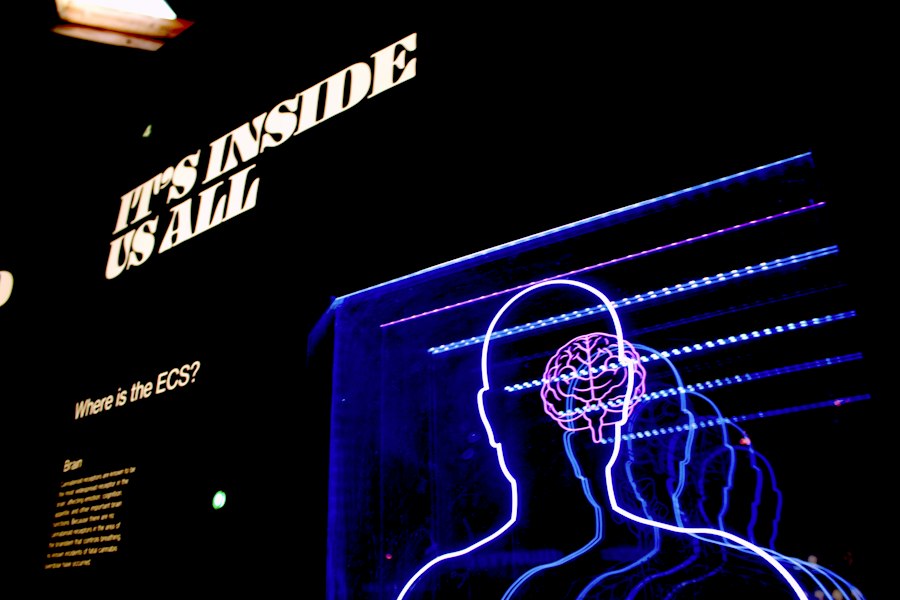
The Hidden Depths of Human Behavior dedicates a significant portion to understanding the complex and often overwhelming world of human emotions. It moves beyond simplistic categorizations to explore the neurological, physiological, and cognitive underpinnings of our emotional experiences.
The Amygdala and Beyond: The Neuroscience of Feelings
This section delves into the brain’s intricate circuitry responsible for generating and processing emotions. The amygdala, once again, is highlighted for its role in processing fear and other strong emotions, but the documentary expands this to include the prefrontal cortex and its role in regulating emotional responses. Through fMRI scans and expert interviews with neuroscientists, viewers gain a visual understanding of how different brain regions activate during emotional states. The film explains the physiological responses associated with emotions, such as increased heart rate, sweating, and hormonal changes, demonstrating the profound mind-body connection. It emphasizes that emotions are not simply subjective experiences but are deeply rooted in our biological makeup. The documentary also explores the concept of “emotional contagion,” where emotions can spread from one person to another.
The Cognitive Appraisal Theory: How We Interpret Our Feelings
The documentary explores how our interpretation of physiological arousal plays a crucial role in shaping our emotional experience. It explains the cognitive appraisal theory, which posits that we label our emotions based on the context and our assessment of the situation. For example, a racing heart in a dangerous situation is interpreted as fear, while the same physiological response during a thrilling roller coaster ride might be labeled as excitement. Through carefully constructed scenarios and expert explanations, the film illustrates how our thoughts and beliefs can significantly influence the emotions we experience. This section encourages viewers to become more mindful of their own cognitive appraisals and how they contribute to their emotional states, offering a pathway towards greater emotional regulation.
Emotional Intelligence: The Key to Social Navigation
The film champions the concept of emotional intelligence, defining it not just as the ability to identify and understand one’s own emotions but also to recognize and influence the emotions of others. It argues that high emotional intelligence is a critical factor in successful relationships, leadership, and overall well-being. The documentary presents practical strategies for developing emotional intelligence, such as active listening, empathy exercises, and mindful self-awareness. Through compelling case studies of individuals who have demonstrated exceptional emotional intelligence in various professional and personal settings, the film showcases the tangible benefits of cultivating this crucial skill. It highlights that emotional intelligence is not an innate gift but a set of learnable skills that can be honed with practice.
The Social Fabric: How We Are Shaped by Our Connections

The documentary then turns its attention to the pervasive influence of social structures and interactions on human behavior. It argues that we are fundamentally social creatures, and our behavior is deeply intertwined with the groups we belong to and the relationships we form.
Conformity and Obedience: The Power of the Group
The film revisits classic social psychology experiments, such as the Asch conformity experiments and the Milgram obedience studies, to illustrate the powerful influence of group pressure and authority. Through archival footage and expert analysis, viewers witness how ordinary individuals can be persuaded to conform to group norms, even when those norms contradict their own beliefs, and how easily individuals can obey authority figures, even when instructed to perform harmful actions. The documentary explores the psychological mechanisms underlying these phenomena, including the desire for social acceptance, the fear of ostracization, and the tendency to defer to perceived authority. It prompts viewers to critically examine their own susceptibility to these social forces and the ethical implications of unquestioning conformity.
Group Dynamics and Decision-Making: The Collective Mind
The documentary explores the fascinating dynamics of group decision-making, examining both the potential for synergy and the pitfalls of groupthink. It explains how the presence of others can enhance individual performance on simple tasks but hinder it on complex ones. The film also delves into the phenomenon of groupthink, where the desire for harmony and conformity within a group leads to irrational or dysfunctional decision-making. Through case studies of historical events and contemporary organizational challenges, the documentary illustrates the dangers of unchecked group cohesion and the importance of fostering critical thinking and diverse perspectives within a group setting. It offers strategies for mitigating groupthink and promoting more effective collective decision-making, such as encouraging dissent and seeking external feedback.
The Influence of Culture: The Invisible Hand
The film emphasizes the profound impact of culture on shaping human behavior, arguing that our values, beliefs, norms, and even our perceptions of reality are heavily influenced by the cultural context in which we are raised. Through cross-cultural comparisons and expert interviews with anthropologists, the documentary highlights the vast diversity of human behavior across different societies and the ways in which seemingly universal human needs are expressed and met in vastly different ways. It explores concepts such as individualism versus collectivism, the perception of time, and the expression of emotions across cultures, demonstrating how our cultural lens can filter our understanding of the world and our interactions within it. The documentary encourages a greater appreciation for cultural diversity and a deeper understanding of how our own cultural background shapes our perspectives.
In exploring the intricate dynamics of human behavior, the documentary “The Social Dilemma” offers a compelling look at how social media influences our psychology and interactions. This thought-provoking film delves into the ways technology shapes our decisions and relationships, prompting viewers to reflect on their own habits. For those interested in a deeper understanding of these themes, a related article can be found at Unplugged Psychology, which examines the psychological effects of digital engagement and provides insights into fostering healthier connections in a tech-driven world.
The Journey of Self-Discovery: Understanding and Transforming Behavior
| Metric | Description | Example Data | Source |
|---|---|---|---|
| Average Attention Span | Average time viewers focus on documentary content | 12 minutes | Psychology Today |
| Emotional Engagement | Percentage of viewers reporting emotional connection | 78% | Journal of Media Psychology |
| Behavioral Change Rate | Percentage of viewers who altered behavior after watching | 35% | Human Behavior Studies |
| Recall Accuracy | Percentage of factual information correctly recalled | 65% | Memory and Cognition Journal |
| Viewer Demographics | Age group most engaged with psychology documentaries | 25-34 years | National Survey on Media Consumption |
The documentary concludes by bringing its explorations back to the individual, focusing on the potential for self-understanding and behavioral transformation. It argues that by understanding the hidden depths of our own behavior, we can gain greater control over our lives and cultivate more fulfilling relationships.
The Role of Self-Awareness: The Foundation of Change
The film reiterates the paramount importance of self-awareness as the cornerstone of behavioral change. It posits that true understanding begins with an honest examination of our own thoughts, emotions, motivations, and habitual responses. The documentary offers practical tools and techniques for cultivating self-awareness, such as journaling, mindfulness meditation, and seeking feedback from trusted individuals. It emphasizes that this is not a passive process but an active and ongoing commitment to introspection. The film suggests that developing a more nuanced understanding of our internal world allows us to identify patterns that may be hindering our progress and to make conscious choices that align with our long-term goals.
Overcoming Psychological Obstacles: Resilience and Growth
The Hidden Depths of Human Behavior addresses common psychological obstacles that hinder personal growth, such as perfectionism, fear of failure, and limiting beliefs. It draws upon research in positive psychology and resilience studies to offer strategies for overcoming these challenges. The documentary highlights the importance of adopting a growth mindset, reframing setbacks as opportunities for learning, and developing coping mechanisms for dealing with adversity. Through inspiring stories of individuals who have overcome significant psychological hurdles, the film instills a sense of hope and empowers viewers to believe in their own capacity for transformation. It moves beyond simply identifying problems to offering actionable solutions for fostering psychological well-being.
The Future of Human Behavior: A Continuing Exploration
The documentary concludes with a forward-looking perspective, acknowledging that the exploration of human behavior is an ongoing and evolving field. It touches upon emerging areas of research, such as the impact of technology on our psychology and the potential for neuroplasticity to facilitate profound changes in behavior. The Hidden Depths of Human Behavior leaves the audience with a sense of wonder and a renewed appreciation for the complexity and richness of the human experience. It is a compelling call to continue exploring, questioning, and understanding the intricate landscape of the mind, both within ourselves and in the world around us. The film serves as a potent reminder that within the hidden depths of human behavior lie not only challenges but also immense potential for growth, understanding, and positive change.