
You know the feeling. You’ve just sent a message, a carefully crafted thought or a silly meme, a question that sparks curiosity, or an invitation that promises connection. You hit send, and a flutter of anticipation dances in your chest. Then, you watch. You watch the little dot appear, then disappear. You see the read receipt – that damning, glowing confirmation that your words have landed, have been absorbed, have been seen. And then… nothing. The silence stretches, an expanse of unanswered digital space. You’ve been left on read.
This isn’t just a minor inconvenience; it’s a subtle, often insidious, emotional experience. It’s a quiet rejection, a phantom limb of communication that throbs with unspoken meaning. You’re left grappling with a void, a narrative you’re forced to write for yourself in the absence of an external reply. This article delves into the multifaceted emotional impact of being left on read, exploring the psychological undercurrents and the ways in which this digital phenomenon can affect your well-being.
The initial sting of being left on read often quickly morphs into a deeper concern: what does this silence mean about you? In a world where validation is often sought and measured by external cues, the absence of a response can feel like a personal indictment. You begin to question your own worthiness of a reply, a seemingly trivial interaction morphing into a referendum on your social value.
The Whispers of Inadequacy
As you stare at that blue tick, the internal monologue can become a cruel symphony of self-doubt. You might find yourself replaying the message, dissecting every word, searching for a potential misstep. Was it too long? Too short? Too eager? Too desperate? These questions are not rational; they are the anxious whispers of a mind desperately seeking to understand a rejection that has no explicit cause. You start to believe that your thoughts, your attempts at connection, are simply not interesting enough to warrant a response. This breeds a sense of inadequacy, a gnawing feeling that you are somehow less than, or unworthy of, another person’s attention.
The Comparison Trap: A Digital Downward Spiral
In the age of social media, comparison is an ever-present specter. You might find yourself scrolling through your contacts, observing others’ seemingly effortless interactions, their rapid-fire exchanges, their constant availability. This only exacerbates the feeling of being overlooked. You see others being responded to, their digital conversations flowing seamlessly, while yours grinds to a halt. This creates a distorted perception of reality, where you believe everyone else is experiencing constant engagement while you are perpetually sidelined. The joy you once derived from connecting digitally begins to curdle into envy and a deepening sense of isolation.
The Unspoken Message of Unimportance
The lack of a response, when you know the message has been seen, carries an implicit, and often devastating, message: you are not important enough for a reply. This can feel like a deliberate dismissal, a subtle yet potent act of social exclusion. Even if the sender is genuinely busy or forgetful, your mind, primed for interpretation, will likely default to the most negative conclusion. This can lead to a profound sense of being undervalued, making you hesitant to initiate further contact and fostering a cycle of withdrawal.
Being left on read can evoke a range of emotional responses, often leading to feelings of rejection and anxiety. This phenomenon is particularly relevant in today’s digital communication landscape, where instant messaging has become the norm. For a deeper understanding of the psychological impact of such experiences, you can explore the article on Unplugged Psych, which discusses the emotional ramifications of being left on read and offers insights into managing these feelings. For more information, visit this article.
The Seeds of Anxiety: The Unanswered Question and its Fruits
Being left on read doesn’t just affect your self-esteem; it can also become a breeding ground for anxiety. The uncertainty, the lack of closure, and the endless loop of “what ifs” can create a state of chronic unease. Your mind becomes a hamster wheel, relentlessly spinning with possibilities that often lean towards the negative.
The Overthinking Epidemic: Deconstructing the Void
Your brain, wired for pattern recognition and problem-solving, struggles with the void left by an unanswered message. It craves completion, a resolution to the digital interaction. When this resolution is absent, your mind compensates by overthinking. You dissect the timing of their read, the subtle nuances of their online status, the emojis they didn’t use. Every piece of available, albeit often irrelevant, data becomes a clue to an unsolvable mystery. This relentless rumination is exhausting and fuels a persistent state of anxiety.
The Fear of the Unknown: Projecting Worst-Case Scenarios
Because the sender’s intentions are unknown, your mind is free to conjure up a multitude of worst-case scenarios. Perhaps they are angry with you. Perhaps they are deliberately ignoring you to send a message. Perhaps they’ve decided they don’t want to be friends anymore. These anxieties, though not necessarily grounded in reality, can feel incredibly potent and real. The absence of information allows your fears to take root and flourish, leading to a constant state of apprehension.
The Escalation of “What Ifs”: A Cycle of Worry
The “what ifs” are relentless. “What if they saw my message and didn’t like it?” “What if they’re busy and will reply later, but I’ve already overreacted?” “What if they’re talking about me behind my back?” Each unanswered moment allows these questions to multiply, creating a cascade of worry that can be incredibly difficult to escape. This mental churn can impact your sleep, your concentration, and your overall sense of peace.
The Erosion of Trust: When Digital Interactions Become Precarious

The experience of being consistently left on read, or even experiencing it once with someone you expect a response from, can begin to chip away at your trust in interpersonal digital communication. It can make you question the sincerity of others and their commitment to maintaining connections.
The Unreliable Nature of Digital Promises
In the digital realm, a read receipt can feel like an implicit promise of a response. When that promise is broken, it can lead to a feeling of being let down. You begin to view digital interactions with a degree of suspicion, no longer taking the fluidity of online communication at face value. You might start to wonder if others are truly engaged or simply passively consuming your messages without any genuine intention of reciprocity.
The Question of Effort: Are They Investing in the Connection?
When someone consistently leaves you on read, it can raise questions about their investment in the relationship. You might start to feel like you’re putting in all the effort, initiating conversations and seeking connection, while the other person is only engaging on their own terms, or not at all. This imbalance can lead to feelings of resentment and a sense that the relationship, or friendship, is not being reciprocated with the same level of commitment.
The Hesitation to Re-engage: Building Digital Walls
After repeated experiences of being left on read, you might find yourself hesitating to initiate further contact. The fear of being ignored again can create a reluctance to put yourself out there. This can lead to you building invisible walls around your digital interactions, protecting yourself from potential disappointment. This, in turn, can hinder the development of deeper connections and lead to a sense of isolation, ironically, in a world that is supposedly hyper-connected.
The Impact on Communication Styles: Adapting to the Digital Landscape

The constant experience of being left on read can subtly but significantly alter the way you approach communication, both online and offline. You might develop defensive mechanisms or adapt your expectations to better navigate this often-frustrating aspect of digital life.
The Shortening of Sentences: The “TL;DR” Mentality
As a coping mechanism, you might find yourself adopting a “too long; didn’t read” mentality yourself. Your messages might become shorter, more concise, and to the point, in an attempt to minimize the sender’s potential effort in replying. You might avoid lengthy explanations or nuanced discussions, fearing that a longer message will simply increase the likelihood of it being ignored. This can lead to a less rich and expressive form of communication.
The Increased Reliance on Emojis and GIFs: Visual Shorthand for Emotion
In an effort to convey tone and emotion efficiently, you might find yourself relying more heavily on emojis and GIFs. These visual cues can sometimes act as a shortcut, attempting to pack a lot of meaning into a small package, making it easier for the recipient to respond. However, this can also lead to misinterpretations or a perceived lack of genuine emotional depth in your communication.
The “Wait and See” Approach: Deferring Your Own Needs
You might also develop a “wait and see” approach. Instead of expressing your needs or initiating a conversation when you truly want to, you might hold back, waiting for the other person to reach out first. This is a way of preempting the potential disappointment of being left on read. However, it can lead to missed opportunities for genuine connection and can leave your own needs unmet.
Being left on read can evoke a range of emotional responses, often leading to feelings of anxiety and self-doubt. This phenomenon is particularly common in the age of digital communication, where the absence of immediate feedback can leave individuals questioning their worth and the intentions of others. For a deeper understanding of the psychological impact of such experiences, you might find it insightful to read this article on emotional responses to digital interactions. It explores how our brains react to social cues in the online world and can provide valuable context for why being left on read hurts emotionally. You can check it out here: emotional responses to digital interactions.
Strategies for Navigating the Emotional Aftermath: Reclaiming Your Digital Well-being
| Reasons Why Being Left on Read Hurts Emotionally |
|---|
| 1. Feeling of rejection |
| 2. Doubt about self-worth |
| 3. Fear of being forgotten |
| 4. Anxiety about the relationship |
| 5. Lack of closure |
While the emotional impact of being left on read can be significant, it’s important to remember that you have agency in how you respond to these experiences. Developing strategies to manage your emotional reactions and protect your digital well-being is crucial for maintaining healthy relationships and a positive sense of self.
The Power of Perspective: Understanding the Sender’s Potential Reality
The first and perhaps most important strategy is to cultivate perspective. Remind yourself that the sender is a human being with their own life, their own stresses, and their own communication styles. They might be genuinely busy, dealing with an emergency, or simply have a different approach to technology. Their silence is not necessarily a reflection of your worth. Try to avoid jumping to the most negative conclusions and consider the myriad of other possibilities.
The Importance of Direct Communication: Addressing the Issue (When Appropriate)
In certain relationships, where you feel comfortable and it’s appropriate, you might consider addressing the issue directly, but with care. Instead of accusatory language, try a gentle approach. For example, you could say, “Hey, I noticed I didn’t get a response to my last message, and I was just wondering if everything’s okay?” This opens the door for communication without putting the other person on the defensive and allows them to explain their situation, if they choose to.
Setting Boundaries: Protecting Your Emotional Energy
It’s essential to set healthy boundaries in your digital interactions. If you find yourself consistently experiencing negative emotions due to being left on read by certain individuals, it might be time to re-evaluate the nature of those interactions. This doesn’t necessarily mean ending friendships, but it might mean adjusting your expectations or limiting the frequency with which you initiate contact with those individuals. Prioritize your own emotional well-being.
Shifting Your Focus: Cultivating Offline Connections and Self-Validation
Ultimately, your sense of worth should not be dependent on the number of read receipts you receive or the speed of replies. Actively cultivate strong offline connections and focus on validating yourself from within. Engage in activities that bring you joy, spend time with people who appreciate you, and practice self-compassion. The digital world is a tool for connection, but it should not be the sole determinant of your happiness or self-esteem.
Being left on read is a modern-day communication hurdle that can trigger a cascade of negative emotions. By understanding these impacts and actively implementing strategies for emotional resilience, you can navigate this digital landscape with greater confidence and protect your precious sense of self. Remember, the digital world is a reflection of our human interactions, and while it can be frustrating, it also offers endless opportunities for genuine connection when approached with awareness and self-care.
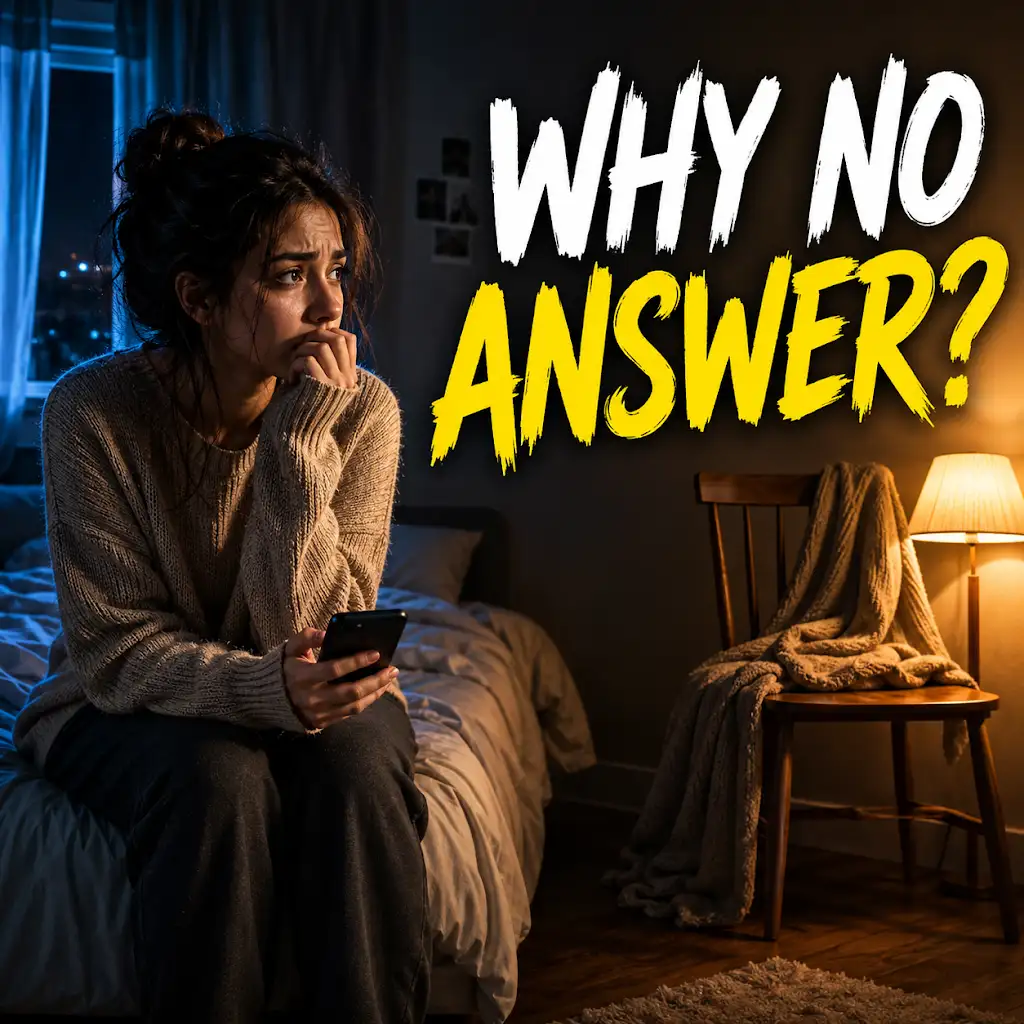
Why Your Brain Can’t Let Go When Someone Ignores You
FAQs
What does it mean to be “left on read”?
Being “left on read” refers to when someone reads a message but does not respond to it. This can happen in various forms of communication, such as text messages, social media, or instant messaging.
Why does being left on read hurt emotionally?
Being left on read can hurt emotionally because it can make the person feel ignored, unimportant, or rejected. It can lead to feelings of insecurity, anxiety, and sadness, especially if the person was expecting a response or was reaching out for support.
Is being left on read a common experience?
Yes, being left on read is a common experience in today’s digital communication age. With the prevalence of instant messaging and social media, it is easy for people to read messages and not respond immediately, leading to the experience of being left on read.
How can being left on read impact relationships?
Being left on read can impact relationships by creating feelings of resentment, mistrust, and distance. It can lead to misunderstandings and communication breakdowns, ultimately affecting the quality of the relationship.
What can be done to cope with the emotional impact of being left on read?
Coping with the emotional impact of being left on read can involve setting boundaries, communicating openly about expectations, and practicing self-care. It can also be helpful to recognize that everyone has different communication styles and response times, and not to take being left on read personally.