
The Whispering Guilt of an Empty Calendar
You’ve seen it, haven’t you? The meticulously curated social media feeds, the breathless recounting of weekend adventures, the casual boasts about back-to-back meetings and overflowing to-do lists. In this age of hyper-connectivity and the relentless pursuit of “more,” the very notion of having “no plans” can feel like a social faux pas, a silent confession of inadequacy. It’s a peculiar form of embarrassment, isn’t it? Not the flush-faced, stammering kind, but a deeper, more insidious feeling that gnaws at you from within, whispering that you’re somehow falling behind, that you’re not enough.
This societal pressure to be perpetually productive, to fill every waking moment with a discernible purpose or engaging activity, is a powerful force. We’re bombarded with messages that equate busyness with importance, that equate a packed schedule with a life well-lived. From self-help gurus extolling the virtues of a 5 AM start to the constant stream of curated perfection online, the implicit narrative is clear: if you’re not actively doing something, you’re effectively being nothing. This constant hum of expectation can make those rare moments of stillness, those stretches of unscheduled time, feel fraught with a subtle but persistent shame. You find yourself deflecting questions about your weekend, offering vague assurances, or even fabricating minor errands to appear occupied. The truth – that you simply had no specific agenda, no grand undertaking – feels almost too vulnerable to admit. It’s as if the absence of external validation for your time renders that time itself valueless. This isn’t about laziness; it’s about a deep-seated discomfort that arises when your internal state doesn’t align with the external narrative of constant motion.
Feeling embarrassed about having no plans is a common experience that many people face, often stemming from societal pressures to be constantly busy and engaged. This phenomenon can lead to feelings of inadequacy or anxiety when we perceive that others are leading more fulfilling lives. For a deeper understanding of this topic and its psychological implications, you can read a related article on the Unplugged Psych website. It explores the importance of embracing downtime and the benefits of being present without the need for constant activity. For more insights, visit Unplugged Psych.
The Social Fabric of Busyness

We are, by nature, social creatures, and the expectations of our communities inevitably seep into our personal lives. The culture of busyness has become deeply ingrained in our social interactions. Think about the common greeting: “How are you?” The expected answer is rarely a detailed account of your emotional state; it’s usually a variation of “Busy!” or “Hectic!” This shared understanding creates a tacit agreement that a full schedule is the norm, and any deviation from it might raise eyebrows. It’s a performance we all participate in, consciously or unconsciously. When you don’t have a compelling answer to “What are you up to this weekend?”, you feel a subtle pressure to justify your lack of activity. The embarrassment stems from the perceived judgment, from the fear that others will interpret your unscheduled time as a sign of disorganization, lack of ambition, or even social isolation. It’s as if your value is being assessed based on the sheer volume of activities you can cram into a week, rather than the quality of those activities or the peace you might find in their absence.
The Echo Chamber of Productivity
The digital age has amplified this phenomenon. Social media platforms are prime real estate for showcasing accomplishments, however small. A weekend hike becomes a triumphant conquering of a peak. A quiet afternoon reading a book can be framed as dedicated self-improvement. The constant stream of curated lives creates an echo chamber where the loudest voices are often those who are the most visibly engaged. This can lead to a distorted perception of reality, making you feel like an outlier if your own life doesn’t mirror this incessant activity. The embarrassment of having no plans is, in part, the embarrassment of not being able to contribute to this collective narrative of constant achievement. You might feel like you’re missing out on the “real” experiences everyone else is having, even if those experiences are often themselves a performance. This internal comparison, fueled by external stimuli, can leave you feeling inadequate and, paradoxically, ashamed of your own desire for rest or unstructured time.
Unpacking the Roots of the Pressure
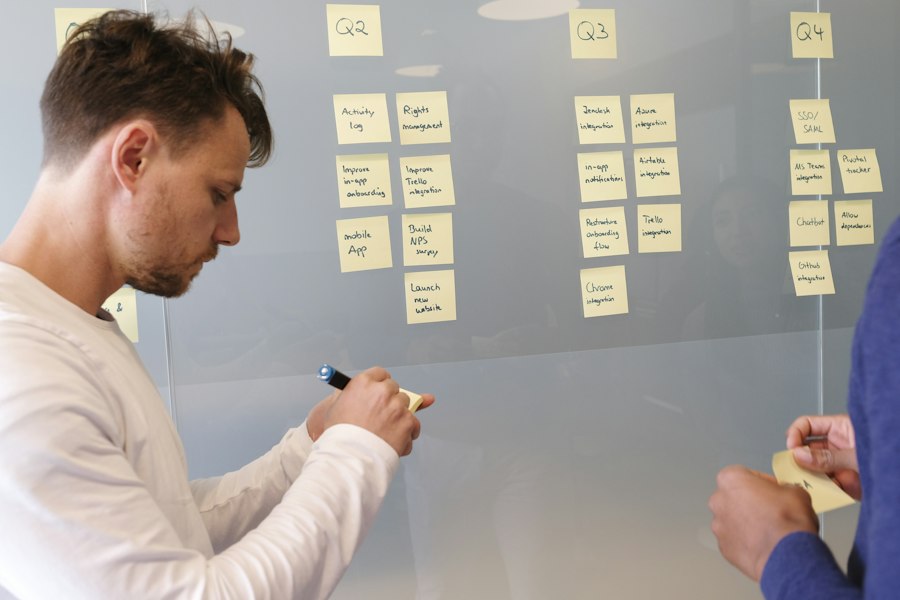
Where does this pressure truly originate? It’s not a monolithic entity, but rather a complex tapestry woven from various societal threads. Understanding these roots can help demystify the embarrassment and allow you to reclaim your time without apology.
The Capitalist Engine of Efficiency
At its core, the modern obsession with productivity is deeply intertwined with capitalist ideals. In a system that values output and constant growth, time is often viewed as a resource to be maximally exploited. The more you can produce, the more value you are perceived to generate. This mindset extends beyond the workplace into our personal lives. We’re encouraged to “optimize” our leisure time, to make it “productive” in some way, whether that’s through learning a new skill, networking, or engaging in activities that can be monetized or leveraged for future gain. The idea of simply being without an immediate tangible outcome becomes antithetical to this worldview. Having “no plans” can feel like a rejection of this fundamental principle, a conscious or unconscious defiance of the economic logic that underpins so much of our society. It’s as if you’re not playing the game, not contributing to the relentless march of progress.
The Protestant Work Ethic’s Long Shadow
The influence of the Protestant work ethic, with its emphasis on diligence, self-discipline, and the idea that hard work is a moral virtue, continues to resonate in Western societies. While the religious underpinnings may have faded for many, the underlying values of constant effort and the avoidance of idleness persist. Idleness, in this framework, can be construed as a moral failing. Therefore, having “no plans” can feel less like a choice and more like an admission of a deficiency in character. You might feel a flicker of guilt, a nagging suspicion that you’re being lazy or undisciplined, even if the reality is simply a desire for rest or a different kind of engagement. This historical legacy contributes to the deep-seated discomfort that can accompany unscheduled time.
The Myth of the “Self-Made” Success
The pervasive narrative of the “self-made” individual, someone who achieved success through sheer grit and unwavering determination, also plays a significant role. This myth often glosses over the systemic factors and privileges that contribute to success, presenting a simplified, individualistic path. Within this narrative, downtime is often depicted as a luxury afforded only to those who have already “made it,” or a dangerous indulgence that can derail one’s ascent. Consequently, if you haven’t yet reached a certain level of perceived success, having no plans can feel like you’re signaling a lack of commitment to the very journey that is supposed to lead you there. It’s as if you’re not demonstrating the necessary drive, the relentless focus required to climb the ladder.
The Quiet Liberation of Unscheduled Time
Despite the societal pressures, there’s a profound beauty and power in embracing unscheduled time. It’s in these moments of stillness that we can truly connect with ourselves, recharge our batteries, and discover what truly nourishes our souls. The embarrassment you feel is a learned response, not an inherent truth. It’s a signal that you’ve internalized external expectations that may not serve your well-being.
Reclaiming Your Internal Clock
The first step in overcoming this embarrassment is to recognize that your internal clock is just as valid, if not more so, than the external demands placed upon you. Society’s relentless march of busyness often drowns out our own needs for rest, reflection, and spontaneous joy. When you have no plans, you are, in essence, giving yourself permission to listen to what your body and mind are truly craving. This might be a deep sleep, a quiet walk in nature, an afternoon lost in a daydream, or simply the freedom to do absolutely nothing without guilt. The embarrassment arises from the disconnect between this internal need and the external pressure to be constantly engaged. By consciously choosing to honor your own rhythm, you begin to dismantle the power of that external judgment.
The Art of Doing Nothing, Purposefully
“Doing nothing” doesn’t have to equate to being unproductive or lazy. It can be a deliberate and purposeful act of self-care. Think of it as a strategic pause, a vital period of replenishment that allows you to be more effective, creative, and present when you do choose to engage. The embarrassment often stems from the fear that this “nothing” will be interpreted as emptiness or a lack of value. However, by reframing it as a conscious choice for rejuvenation, you can begin to see its inherent worth. This might involve consciously scheduling “do nothing” time into your week, treating it with the same importance as any other appointment. The key is to shift your internal dialogue from one of guilt to one of self-compassion and intentional rest.
Rediscovering Spontaneity and Serendipity
When your calendar is packed, you leave little room for the unexpected. Having no plans opens the door to spontaneity and serendipity. It allows you to be receptive to serendipitous encounters, to pursue a sudden whim, or to simply wander without a destination. The embarrassment of having no plans can actually be a barrier to these delightful moments. You might be so focused on the perceived “failure” of not having a pre-arranged activity that you miss the opportunities that arise from simply being present and open. When you embrace the freedom of an empty calendar, you invite the possibility of joyful detours, of unplanned conversations that lead to new friendships, or of stumbling upon hidden gems in your own city. This shift in perspective transforms the perceived void into a fertile ground for unexpected delights.
Feeling embarrassed about having no plans is a common experience that many people face, often stemming from societal pressures to be constantly busy or engaged in activities. This sense of inadequacy can lead to anxiety and a fear of judgment from others. To explore this topic further, you might find it interesting to read an article that delves into the psychological aspects of this phenomenon. It discusses how societal expectations shape our perceptions of worth and leisure time. You can check it out here: this insightful article. Understanding these dynamics can help alleviate some of the embarrassment associated with having no plans and encourage a healthier perspective on downtime.
The Quiet Power of Rest and Reflection
| Reason | Description | Common Feelings | Impact on Social Life |
|---|---|---|---|
| Social Expectations | Society often expects people to have active social calendars. | Embarrassment, anxiety, self-doubt | May lead to avoidance of social gatherings |
| Fear of Judgment | Worry that others will perceive you as boring or uninteresting. | Shame, insecurity | Reduced willingness to share personal life details |
| Lack of Social Validation | No plans can feel like a lack of social approval or popularity. | Loneliness, low self-esteem | Potential isolation from peer groups |
| Comparison with Peers | Seeing others with busy schedules can highlight one’s own lack of plans. | Envy, inadequacy | Pressure to conform or fabricate plans |
| Internalized Norms | Belief that being busy equates to being successful or valued. | Guilt, restlessness | Overcommitment to avoid embarrassment |
The most profound consequence of having “no plans” is the opportunity it affords for genuine rest and deep reflection. In a society that often equates movement with progress, stillness is frequently overlooked as a vital component of well-being and personal growth.
The Crucial Role of Downtime in Creativity
Creativity doesn’t always bloom in the fertile soil of intense activity. Often, it’s in the quiet spaces, the moments of mental quietude, that new ideas take root and flourish. When you have no plans, you allow your mind to wander, to make connections it wouldn’t otherwise. This unstructured time is essential for incubation, for allowing the subconscious to work its magic. The embarrassment of having no plans can stifle this crucial creative process. You might feel compelled to fill the void with busywork, inadvertently shutting down the very pathways that lead to innovation. By embracing the emptiness, you are actually creating the fertile ground for your most inspired thoughts to emerge. It’s a paradoxical truth: by doing less, you can often achieve more in terms of genuine insight and creativity.
The Space for Self-Discovery
When you’re constantly engaged in external activities, it’s easy to lose touch with your inner self. Having no plans provides the invaluable space for self-discovery. It’s in these quiet moments that you can ask yourself the important questions: What truly brings me joy? What are my values? What kind of life do I want to live? The embarrassment associated with unscheduled time often stems from the fear of what you might find – or not find – when you turn your attention inward. However, this introspection is not a sign of weakness, but of strength. It’s an act of self-awareness that allows you to live a more authentic and fulfilling life, free from the dictates of external expectations. Embracing the quiet allows you to hear your own voice amidst the societal clamor.
The Mental and Physical Rejuvenation of Stillness
The relentless pursuit of productivity can lead to burnout, both mentally and physically. Having “no plans” is not about eschewing responsibility; it’s about recognizing the necessity of rest and recovery. When you allow yourself unscheduled time, you give your nervous system a chance to reset, your body a chance to repair, and your mind a chance to decompress. The embarrassment you feel when you have no plans can prevent you from accessing this essential form of rejuvenation. You might push yourself to be busy out of habit or a misplaced sense of obligation, even when your body is crying out for a break. By consciously choosing to prioritize stillness, you are investing in your long-term well-being, ensuring that you have the energy and resilience to engage meaningfully with the world when you choose to.
Embracing the Unplanned: A Paradigm Shift
Overcoming the embarrassment of having no plans requires a fundamental shift in perspective. It’s about challenging deeply ingrained societal narratives and reclaiming the intrinsic value of your own time and well-being.
Redefining Success Beyond the Hustle
The first step is to redefine what success looks like for you. If “success” is solely equated with a packed schedule and constant output, then unscheduled time will always feel like a failure. Instead, consider a broader definition that includes well-being, contentment, creativity, and meaningful connections. When your personal definition of success incorporates rest and reflection, having no plans becomes not a cause for embarrassment, but a valuable component of a life well-lived. This paradigm shift allows you to see that true accomplishment isn’t always about doing more, but about living more intentionally.
The Power of Saying “No” to the Busyness Cult
Learning to say “no” to the pervasive cult of busyness is an act of self-empowerment. It means resisting the urge to fill every moment with activity, even when it feels socially expected. It involves setting boundaries and prioritizing your own needs. The embarrassment you feel is a signal that you’ve internalized these external pressures. By consciously choosing to decline invitations, to resist the urge to overcommit, and to simply be present in your own space, you begin to dismantle the power of those expectations. This is not about being anti-social; it’s about being discerning and honoring your own capacity.
Cultivating a Personal Philosophy of Presence
Ultimately, the embarrassment of having no plans is a symptom of being disconnected from yourself and overly focused on external validation. Cultivating a personal philosophy of presence means learning to be fully engaged in the moment, whatever that moment may hold. It’s about appreciating the quietude of an empty calendar, finding joy in simple activities, and recognizing that your worth is not measured by your level of busyness. When you can be present with yourself, the opinions and perceived judgments of others lose their sting. You begin to understand that the most valuable time is often the time you spend simply being. The unplanned moments become opportunities for rich inner experience, rather than deficits to be ashamed of.

Why “Any Plans This Weekend?” Feels So Hard to Answer
FAQs
1. Why do some people feel embarrassed when they have no plans?
Some people may feel embarrassed when they have no plans because they may feel like they are not being productive or social enough compared to others.
2. Is it normal to have no plans sometimes?
Yes, it is normal to have no plans sometimes. It is important to have downtime and relax without feeling pressured to always be busy or socializing.
3. How can one overcome feeling embarrassed about not having plans?
One way to overcome feeling embarrassed about not having plans is to remind yourself that it is okay to have downtime and that self-care is important. Embracing the idea of spontaneity and being comfortable with solitude can also help.
4. Are there benefits to not having plans?
Yes, there are benefits to not having plans. It allows for flexibility, relaxation, and the opportunity to engage in activities that you truly enjoy without feeling rushed or obligated.
5. How can one embrace the idea of having no plans?
One can embrace the idea of having no plans by practicing mindfulness, being present in the moment, and focusing on self-care. It can also be helpful to reframe the mindset around downtime as a valuable opportunity for rest and rejuvenation.