You’ve always been curious, haven’t you? Drawn to the mysteries of the mind, to the question of what makes us tick. You’ve probably devoured countless books, watched documentaries, and maybe even dabbled in introductory psychology courses, eager to understand the intricate workings of human behavior. But have you ever considered the darker side of this pursuit? The lengths to which some have gone in the name of knowledge, the ethical lines that have been blurred, and the profound, unsettling implications of their discoveries? You’re about to find out.
This isn’t your typical feel-good exploration of positive psychology or the triumph of the human spirit. Instead, you’re going to confront the chilling reality of experiments that pushed the boundaries of human decency, experiments that still echo in ethical debates and psychological theory today. We’re talking about The Dark Side of Psychology: Disturbing Experiments, a documentary that will shake your understanding of what it means to be human, and more importantly, what it means to be a researcher. Prepare yourself; this journey is not for the faint of heart.
The Unsettling Pursuit of Knowledge: Why Were These Experiments Conducted?
It’s easy to judge the past through the lens of today’s ethical standards. You might watch footage or read accounts of these experiments and feel a visceral wave of disgust and disbelief. “How could they?” you’ll ask yourself, your moral compass spinning wildly. But to truly grasp the disturbing nature of these studies, you need to understand the prevailing scientific climate and the intense desire to unlock fundamental truths about human behavior.
The Era of Unfettered Exploration
Think back to the mid-20th century. Psychology was a relatively young science, still grappling with its identity and striving for legitimacy. Researchers were eager to move beyond philosophical speculation and establish a concrete, scientific basis for understanding the mind. This ambition, coupled with less stringent ethical oversight than we have today, created a fertile ground for bold, and sometimes reckless, experimentation. You’ll see how the drive to classify, predict, and control human behavior often overshadowed concerns for the well-being of the participants.
The Allure of the Unknown
What drives a person to inflict discomfort, fear, or even trauma on another in the name of science? The documentary will explore the complex motivations of the researchers themselves. You’ll encounter individuals who genuinely believed they were on the cusp of groundbreaking discoveries, individuals who saw their subjects as essential pieces in a larger puzzle, even if those pieces were sometimes broken in the process. You’ll wrestle with the idea that the pursuit of knowledge can, for some, become an all-consuming obsession, leading them down paths that most would find morally reprehensible.
The Societal Context
It’s also crucial to remember the societal backdrop against which these experiments unfolded. During periods of great social upheaval, war, or significant cultural shifts, the questions being asked by psychologists often reflected the anxieties and concerns of the time. You’ll learn how experiments designed to understand conformity, obedience, or the effects of trauma were, in some ways, a reflection of the turbulent world outside the laboratory. You’ll have to consider whether the societal pressures of the era excused, or at least explained, the ethical lapses.
For those interested in the unsettling world of psychological experiments, a related article that delves deeper into the ethical implications and historical context of such studies can be found at Unplugged Psychology. This article explores various notorious experiments, shedding light on the psychological impact they had on participants and the lessons learned in modern psychological research ethics.
Milgram’s Obedience Experiment: The Shocking Truth About Authority
Perhaps no experiment is more synonymous with the dark side of psychology than Stanley Milgram’s work on obedience. You’ve likely heard of it, or perhaps even seen simplified versions in textbooks. But the full scope and chilling implications are something else entirely. This experiment will force you to confront the uncomfortable reality of your own susceptibility to authority.
The Setup: A Test of Conscience
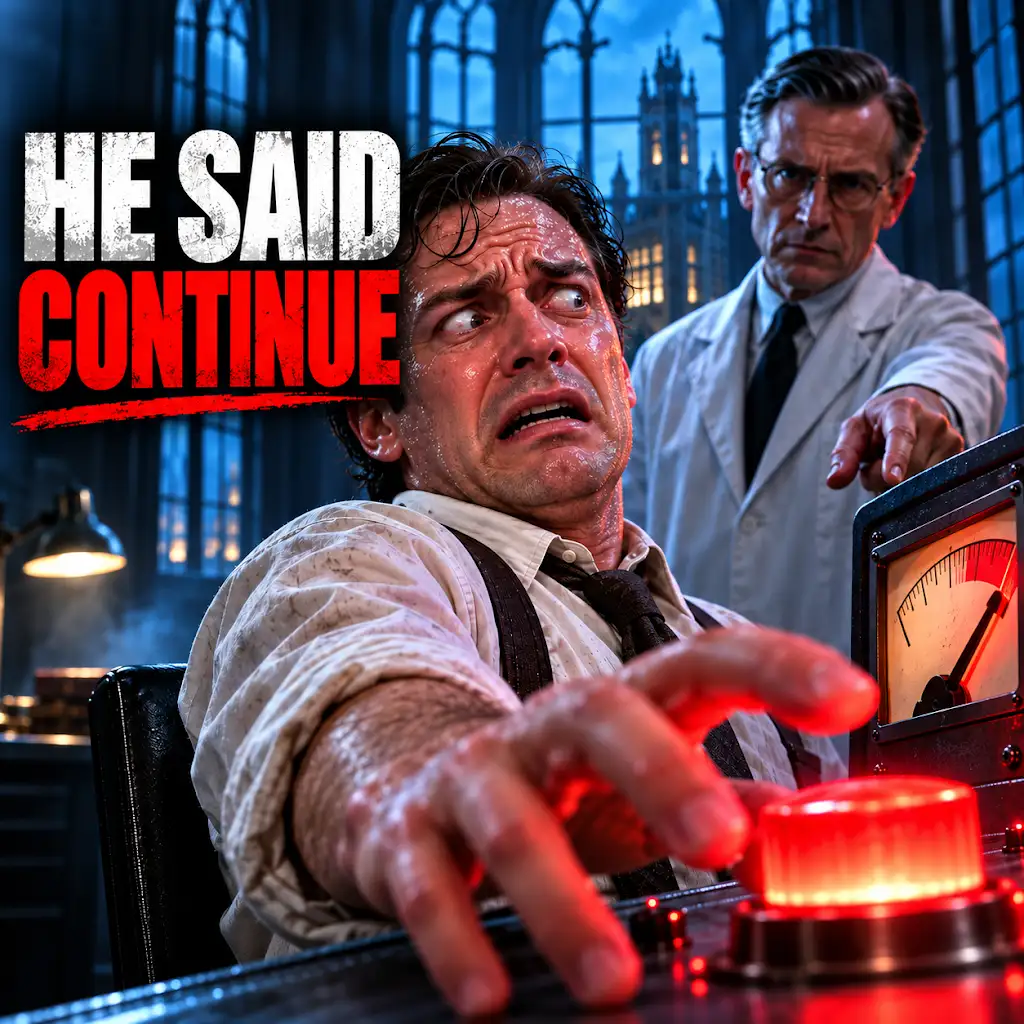
Imagine being a participant in a study about memory and learning. You’re told you’ll be playing the role of a “teacher,” administering electric shocks to a “learner” (an actor) whenever they get a question wrong. The shocks are presented as increasingly severe, from “slight shock” to “XXX (Danger: Severe Shock).” The learner’s protests, groans, and eventual screams of pain become increasingly desperate as the experiment progresses. You, the “teacher,” are instructed by an experimenter in a lab coat to continue administering shocks, even as the learner falls silent. This is the scenario Milgram devised, and the results are as disturbing as they are revealing.
The Ethical Minefield
You’ll witness the profound distress experienced by the participants. You’ll see their sweaty palms, their nervous laughter, their pleas to stop. Yet, time and again, they continue to obey the authority figure. The documentary will dissect the ethical criticisms leveled against Milgram – the deception involved, the psychological distress inflicted, and the lack of informed consent in its truest sense. You’ll grapple with the question of whether the knowledge gained justified the suffering endured by the participants.
The Legacy of Obedience
Milgram’s experiment didn’t just shock the scientific community; it shocked the world. It provided a stark and terrifying answer to the question of how ordinary people could participate in atrocities like the Holocaust. You’ll learn how the experiment continues to be debated and replicated, serving as a constant reminder of the dark potential that lies within our obedience to authority. You’ll question your own limits and the extent to which you would comply with directives that conflict with your moral compass.
The Stanford Prison Experiment: When Roles Corrupt Reality
Another landmark experiment that casts a long shadow over psychology is Philip Zimbardo’s Stanford Prison Experiment. This study aimed to investigate the psychological effects of perceived power and the dynamics of a simulated prison environment. What unfolded was a descent into cruelty and dehumanization that still chills researchers and the public alike.
The Transformation: From Students to Guards and Prisoners
Zimbardo and his team recruited young men, deemed psychologically stable, and randomly assigned them to roles as either “prisoners” or “guards” in a mock prison set up in the basement of Stanford University. The simulation was meant to last two weeks, but it had to be terminated after just six days due to the alarming and rapid escalation of abusive behavior by the guards. You’ll see how quickly these young men, stripped of their identities and thrust into defined roles, began to embody their assigned personas with disturbing conviction.
The Abuse of Power and the Loss of Identity
You’ll witness the guards’ increasing sadism, their enjoyment of the power they wielded, and their systematic humiliation of the prisoners. The prisoners, in turn, exhibited signs of severe emotional distress, anxiety, and depression. Some became passive and submissive, while others revolted, only to be met with further punishment. The documentary will highlight how the situational forces of the prison environment, combined with the powerful roles assigned, seemed to override individual personality and morality. You’ll see prisoners pleading to be released, their pleas ignored, and their identities effectively erased.
The Ethical Debates and Zimbardo’s Role
This experiment is a lightning rod for ethical debate. The deception, the psychological harm inflicted on the participants, and Zimbardo’s own involvement as both lead researcher and “prison superintendent” are all subjects of intense scrutiny. You’ll question whether Zimbardo’s active participation, rather than his detached observation, contributed to the ethical breakdown. You’ll be forced to consider the responsibility of researchers when their experiments spiral out of control and the potential for their own biases to influence the outcomes. You’ll ponder the lasting impact of such an experience on those who were subjected to it.
The Darker Corners of Conditioning: Little Albert and Beyond
While Milgram and Zimbardo focused on obedience and power, other experiments delved into the darker aspects of learning and conditioning, often with a disregard for the emotional well-being of the subjects, especially the youngest and most vulnerable.
Little Albert: The Birth of Phobias
You’ll be introduced to the case of “Little Albert,” an infant used in a study by John B. Watson and Rosalie Rayner. The experiment aimed to demonstrate that phobias could be classically conditioned. Albert was initially unafraid of a white rat. However, whenever the rat was presented, a loud, startling noise was made behind his head, causing him to cry. After repeated pairings, Albert developed a fear of the rat. This fear then generalized to other furry objects, including a rabbit, a dog, and even a fur coat. You’ll see the ethical concerns surrounding the creation of fear in an infant, the lack of informed consent from his guardians, and the unknown long-term consequences for Albert.
The Ethical Cost of Conditioning
Beyond Little Albert, you’ll encounter other experiments that highlight the manipulative potential of conditioning techniques. These studies, often conducted in the early days of behaviorism, focused on altering behavior through reward and punishment, sometimes with little regard for the ethical implications for the subjects involved. You’ll reflect on how these techniques, when used without ethical consideration, can lead to the manipulation and distress of individuals. You’ll question the fine line between therapeutic application and harmful exploitation.
The Lasting Impact on Our Understanding of Fear
Despite the ethical controversies, these experiments have undeniably contributed to our understanding of how fears and phobias can develop. You’ll learn how classical conditioning is a fundamental learning process and how, when applied to create fear, it can have profound and lasting psychological effects. You’ll consider the responsibility of scientists to ensure that the pursuit of understanding does not come at the expense of human suffering.
In exploring the unsettling realm of psychological experiments, one might find the documentary on disturbing psychology experiments particularly enlightening. It delves into the ethical dilemmas and consequences of various studies that have shaped our understanding of human behavior. For a deeper insight into the implications of these experiments, you can read a related article that discusses the impact of psychological research on modern practices. This article can be found at Unplugged Psychology, where it highlights the ongoing debates surrounding ethics in psychological research.
The Ethical Reckoning and the Path Forward
Witnessing these disturbing experiments can leave you feeling disillusioned and even cynical about the field of psychology. However, the documentary doesn’t just dwell on the past; it also examines the profound impact these studies have had on shaping modern ethical guidelines and practices within psychology.
The Birth of Ethical Codes
You’ll see how the outcry and re-evaluation that followed these controversial experiments were instrumental in the development of stringent ethical codes and review boards. You’ll learn about the principles of informed consent, the right to withdraw, the protection of participants from harm, and the importance of debriefing. These are not just abstract concepts; they are direct responses to the abuses of the past.
The Ongoing Debate and Vigilance
The documentary will emphasize that the debate over the ethics of psychological research is ongoing. While regulations are much stricter today, the pursuit of knowledge can still push boundaries. You’ll be encouraged to remain critical, to question the methods and motivations behind research, and to advocate for the ethical treatment of all research participants. You’ll understand that vigilance is crucial to prevent history from repeating itself.
The Value of Humility in the Pursuit of Truth
Ultimately, The Dark Side of Psychology: Disturbing Experiments serves as a powerful reminder of the humility required in the pursuit of truth. It forces you to confront the capacity for both great good and profound harm that exists within human beings, and within the scientific endeavor itself. You’ll leave with a deeper appreciation for the ethical framework that governs psychological research today and a renewed understanding of the complex, and sometimes frightening, landscape of the human mind. You’ve peered into the abyss, and now you can better appreciate the light.
You Think You’d Refuse. Milgram Shows How People Keep Going
FAQs

What is the documentary about?
The documentary explores various disturbing psychology experiments conducted throughout history, shedding light on the ethical implications and psychological impact of these studies.
What are some examples of the experiments featured in the documentary?
The documentary may cover experiments such as the Stanford Prison Experiment, Milgram Experiment, Little Albert Experiment, and others that have raised ethical concerns and sparked debates within the field of psychology.
What is the purpose of showcasing these experiments in the documentary?
The purpose of featuring these experiments is to raise awareness about the ethical considerations in psychological research, as well as to prompt discussions about the impact of these studies on the participants and the field of psychology as a whole.
Who is the target audience for this documentary?
The documentary may appeal to individuals interested in psychology, ethics, and the history of scientific research. It may also be relevant for educators, students, and professionals in the field of psychology.
Where can one watch the documentary?
The documentary may be available for streaming on various platforms such as Netflix, Amazon Prime, or other streaming services. It may also be available for purchase or rental through online platforms or DVD retailers.