
You know that feeling. The one where your eyelids feel like lead weights, your brain is a fuzzy mess, but your thumb still compulsively scrolls. You tell yourself it’s just five more minutes, just one more video, just one more meme. Then, you blink, and the clock in the corner of your screen mocks you. You’ve just lost another hour, potentially pushing that precious bedtime even further into the abyss. This isn’t just a minor inconvenience; this is the insidious creep of sleep deprivation fueled by excessive scrolling, and it’s a danger you need to confront.
You’re not alone in this digital vortex. The allure of your smartphone, tablet, or computer is powerful, a meticulously crafted ecosystem designed to keep you engaged. This isn’t some accidental side effect; it’s the result of brilliant minds understanding your psychology.
The Dopamine Loop: A Chemical Addiction in Disguise
Ever wonder why you get that little jolt of satisfaction when you see a new notification or a compelling post? That’s dopamine, your brain’s reward chemical. Social media platforms, streaming services, and endless news feeds are masters at delivering intermittent rewards. You never know when that next “like,” comment, or captivating story will appear, creating a powerful, unpredictable reward schedule that keeps you hooked.
The Variable Reinforcement Schedule: The Gambling Analogy
Think of it like a slot machine. You pull the lever, and sometimes you win, sometimes you don’t. This unpredictability is far more addictive than knowing exactly when you’ll win. Your brain craves that potential reward, and the scrolling behavior becomes a way to chase that elusive hit of dopamine. You’re essentially training yourself to seek pleasure in this constant stream of new stimuli.
The Fear of Missing Out (FOMO): A Constant Hum of Anxiety
Beyond the dopamine, there’s a gnawing anxiety that whispers in your ear: “What if I miss something important?” What if your friends are all talking about a viral trend and you’re out of the loop? What if a crucial piece of news breaks while you’re asleep? This fear of missing out is a potent driver for continuous checking and, by extension, continuous scrolling. You feel compelled to stay connected, to be “in the know,” even at the expense of your well-being.
The Blue Light Conundrum: Messing with Your Melatonin
The glow emanating from your screen isn’t just light; it’s a specific wavelength known as blue light. This particular hue is incredibly effective at signaling to your brain that it’s daytime. When you expose yourself to it in the hours leading up to bedtime, you’re essentially tricking your internal clock, your circadian rhythm, into thinking it’s still broad daylight.
Melatonin Suppression: The Sleep Hormone’s Nemesis
Melatonin is the hormone responsible for regulating your sleep-wake cycle. Its production naturally increases as the sun sets, signaling to your body that it’s time to wind down. Blue light directly interferes with this process, suppressing melatonin production. The harder your brain works to stay awake under the artificial glow, the more difficult it becomes to transition into sleep.
Disrupted Circadian Rhythms: A Symphony Gone Off-Key
Your circadian rhythm is a finely tuned internal clock that governs a multitude of biological processes, including sleep. Excessive exposure to screens at night can throw this rhythm completely out of whack. You might find yourself feeling groggy in the morning, battling mid-afternoon slumps, and struggling to fall asleep at a consistent time, creating a cascade of sleep-related problems.
Sleep deprivation has become a growing concern in today’s digital age, particularly due to the prevalence of scrolling through social media and other online content late into the night. This behavior not only disrupts our sleep patterns but also affects our overall mental health and well-being. For a deeper understanding of the impact of technology on sleep, you can read a related article on this topic at Unplugged Psychology.
The Tangible Toll: How Sleep Deprivation Manifests
The immediate consequences of that lost hour or two of sleep might seem trivial – a little grogginess, maybe a shorter temper. But the cumulative effect of chronic sleep deprivation is far more devastating, impacting every facet of your life, from your physical health to your mental acuity.
Cognitive Impairment: Your Brain on Empty
When you’re sleep-deprived, your brain simply cannot function optimally. The essential processes of memory consolidation, learning, and problem-solving all take a significant hit. You’ll notice it in your daily life, even if you try to brush it under the rug.
Decreased Concentration and Focus: The Wandering Mind
Ever find yourself rereading the same sentence multiple times? Or struggling to stay focused during a conversation? That’s your brain struggling with reduced attention span. Without adequate rest, your ability to maintain focus erodes, making even simple tasks feel arduous. Your mind becomes a playground for distractions, flitting from one thought to another without settling.
impaired Decision-Making and Judgment: The Risky Choice
Sleep deprivation significantly impairs your ability to make sound decisions. Your impulse control weakens, and you’re more likely to engage in risky behaviors. This can range from poor financial choices to making impulsive comments that you later regret. The complex prefrontal cortex, responsible for executive functions, is particularly vulnerable to the effects of insufficient sleep.
Reduced Creativity and Problem-Solving: The Stale Ideas
That spark of inspiration, that ability to think outside the box – these creative juices dry up when you’re not getting enough sleep. Your ability to connect seemingly unrelated ideas and generate novel solutions is compromised. You might find yourself stuck in a rut, unable to come up with fresh perspectives or effective strategies.
Emotional and Mental Health: The Fragile Psyche
The toll of sleep deprivation extends deeply into your emotional and mental well-being. It’s a vicious cycle: poor sleep exacerbates mental health issues, and those issues can, in turn, make it harder to sleep.
Increased Irritability and Mood Swings: The Short Fuse
One of the most common and noticeable effects of sleep deprivation is a heightened sense of irritability. Small annoyances can feel like major catastrophes, and you might find yourself snapping at loved ones or feeling overwhelmed by minor stressors. Your emotional regulation becomes compromised, leading to unpredictable mood swings.
Heightened Anxiety and Stress Levels: The Unseen Burden
Without sufficient sleep, your body’s stress response system can become overactive. This can lead to feelings of chronic anxiety, worry, and an inability to relax. Even if you’re not consciously aware of it, your stress hormones are likely elevated, contributing to a general sense of unease and tension.
Increased Risk of Depression: The Dark Cloud
The link between chronic sleep deprivation and depression is well-established. Long-term sleep insufficiency can significantly increase your vulnerability to developing depressive symptoms. It can sap your energy, dampen your motivation, and contribute to feelings of hopelessness and despair.
Sleep deprivation has become a growing concern in today’s digital age, where many individuals find themselves scrolling through their devices late into the night. This habit not only disrupts sleep patterns but can also lead to various health issues, including decreased cognitive function and increased stress levels. For those interested in understanding the psychological effects of this behavior, a related article discusses the impact of screen time on sleep quality and overall well-being. You can read more about it in this insightful piece on unpluggedpsych.com.
Physical Health: The Body’s Silent Protest
Your physical body also bears the brunt of insufficient sleep. The downstream effects can impact your immune system, your metabolism, and even your long-term health outcomes.
Weakened Immune System: The Open Door for Illness
Sleep is crucial for your immune system’s ability to function effectively. When you’re sleep-deprived, your body produces fewer protective cytokines, proteins that help fight inflammation and infection. This leaves you more susceptible to colds, the flu, and other illnesses. You might find yourself getting sick more often and taking longer to recover.
Increased Risk of Chronic Diseases: The Long Game
The long-term consequences of chronic sleep deprivation can be serious. Studies have linked insufficient sleep to an increased risk of developing a range of chronic health conditions, including:
Cardiovascular Problems: The Strained Heart
Your heart needs rest, just like the rest of you. Sleep deprivation can contribute to elevated blood pressure, increased heart rate, and inflammation, all of which are risk factors for heart disease, stroke, and other cardiovascular issues.
Type 2 Diabetes: The Blood Sugar Imbalance
Sleep plays a vital role in regulating blood sugar levels. When you don’t get enough sleep, your body’s sensitivity to insulin can decrease, leading to higher blood sugar levels and an increased risk of developing type 2 diabetes.
Weight Gain and Obesity: The Metabolism Meltdown
Sleep deprivation can disrupt the hormones that regulate appetite, leading to increased cravings for unhealthy foods and a tendency to overeat. It can also slow down your metabolism, making it harder to burn calories and contributing to weight gain.
Reclaiming Your Nights: Strategies to Break the Scrolling Cycle
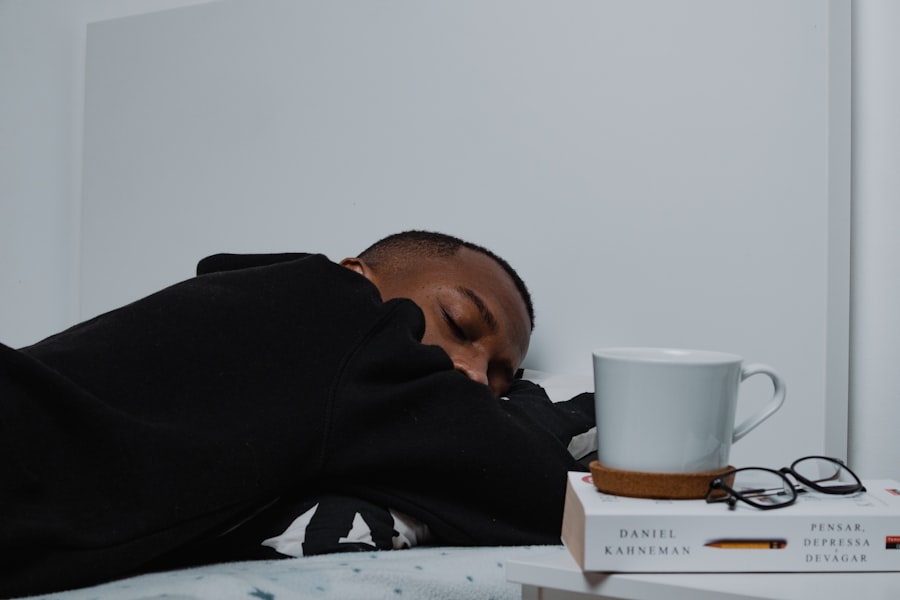
The good news is that this cycle is not unbreakable. You have the power to reclaim your sleep and, by extension, your well-being. It requires conscious effort and a willingness to challenge your ingrained habits.
Establishing a Digital Curfew: Setting Firm Boundaries
One of the most effective strategies is to implement a digital curfew. This means setting a specific time each night when all electronic devices are turned off and put away.
The Power of “No Screens After X o’Clock”: A Simple Rule
This might seem drastic at first, but the impact can be profound. Designate an hour or two before your desired bedtime as screen-free time. This allows your brain to begin naturally winding down, signaling to your body that it’s time for rest.
The “Device-Free Bedroom”: Creating a Sanctuary for Sleep
Make your bedroom a sanctuary for sleep, not for scrolling. Ideally, keep all your electronic devices out of the bedroom entirely. If that’s not feasible, commit to keeping them on a dresser or desk across the room, out of reach from your bed. This reduces the temptation to pick them up in a moment of weakness.
Cultivating a Relaxing Bedtime Routine: Preparing for Slumber
Your bedtime routine is your transition period from the hustle and bustle of the day to the restorative peace of sleep. Make it a deliberate and enjoyable ritual.
The Wind-Down Ritual: Activities That Promote Relaxation
Engage in activities that help you relax and de-stress. This could include:
Reading a Physical Book: Escaping into Another World
The tactile experience of reading a physical book is far less stimulating than the glow of a screen. Immerse yourself in a fictional world or learn something new, allowing your mind to drift away from the day’s worries.
Taking a Warm Bath or Shower: Soothing Your Senses
A warm bath or shower can help lower your body temperature slightly, which is a natural signal for sleep. Add some calming aromatherapy like lavender to enhance the relaxation effect.
Gentle Stretching or Meditation: Calming the Body and Mind
Light stretching can release physical tension, while meditation can quiet the mental chatter. Even a few minutes of mindful breathing can make a significant difference in preparing you for sleep.
Listening to Calming Music or Podcasts: Auditory Serenity
Choose soothing instrumental music or a non-stimulating podcast that helps you unwind. Avoid anything that is too engaging or thought-provoking.
Optimizing Your Sleep Environment: Making Your Bedroom a Sleep Haven
The physical environment of your bedroom plays a crucial role in the quality of your sleep. Make yours conducive to deep, restorative rest.
Darkness is Key: Eliminating Light Pollution
Ensure your bedroom is as dark as possible. Use blackout curtains if necessary to block out streetlights or other external light sources. Even small amounts of light can disrupt your sleep.
The Right Temperature: Cool and Comfortable
Most people sleep best in a cool environment. Aim for a bedroom temperature between 60-67 degrees Fahrenheit (15-19 degrees Celsius). Experiment to find what feels most comfortable for you.
Silence is Golden: Minimizing Noise Disturbances
Minimize noise disturbances that can wake you up or prevent you from falling asleep. Consider using earplugs if you live in a noisy environment. White noise machines can also be helpful in masking disruptive sounds.
A Comfortable Mattress and Pillows: The Foundation of Good Sleep
Invest in a comfortable mattress and pillows that support your body and promote proper alignment. A good sleep surface can significantly improve the quality of your rest.
The Long-Term Vision: Embracing a Healthier Relationship with Technology

Breaking free from the grip of excessive scrolling isn’t a one-time fix; it’s an ongoing journey towards a healthier, more balanced relationship with technology. It’s about recognizing that your digital life should complement, not consume, your real life.
Mindful Technology Use: Intentional Engagement
Approach your technology use with intention. Before you pick up your device, ask yourself: “What am I trying to accomplish?” or “What do I want to gain from this interaction?”
Setting Time Limits for Apps: Reclaiming Your Time
Many smartphones now have built-in features that allow you to set time limits for specific apps. Use these tools to create boundaries and hold yourself accountable. When your time is up, resist the urge to extend it.
Digital Detox Periods: Scheduled Breaks from the Online World
Consider scheduling regular digital detox periods. Even a full day or a weekend without excessive screen time can be incredibly refreshing and help reset your perspective.
Prioritizing Real-World Connections: The Human Touch
While technology can facilitate connections, it can never fully replace the richness of in-person interactions. Make a conscious effort to prioritize real-world relationships.
Face-to-Face Interactions: The Deepest Bonds
Schedule regular meetups with friends and family. Engage in activities that foster genuine connection and conversation, free from the distractions of screens.
Hobbies and Interests: Engaging Your Mind and Body
Pursue hobbies and interests that take you away from your devices and engage your mind and body. Whether it’s gardening, playing a sport, learning an instrument, or volunteering, these activities provide fulfillment and reduce your reliance on digital stimulation.
Embrace the power you have to make changes. It’s about understanding the insidious dangers of excessive scrolling and the profound benefits of prioritizing your sleep. Your health, happiness, and overall quality of life depend on it. So, the next time you find your thumb hovering over that endless feed, remember the cost. Choose rest. Choose well-being. Choose to truly live beyond the screen.

Why You Stay Up Late Even When You’re Exhausted
FAQs
What is sleep deprivation from scrolling?
Sleep deprivation from scrolling refers to the negative impact on sleep quality and quantity caused by excessive use of electronic devices, such as smartphones and tablets, before bedtime. The blue light emitted by these devices can disrupt the body’s natural sleep-wake cycle, making it harder to fall asleep and stay asleep.
How does sleep deprivation from scrolling affect sleep?
Sleep deprivation from scrolling can lead to difficulty falling asleep, staying asleep, and achieving restorative deep sleep. The blue light emitted by electronic devices suppresses the production of melatonin, a hormone that regulates sleep, making it harder for the body to prepare for sleep.
What are the consequences of sleep deprivation from scrolling?
The consequences of sleep deprivation from scrolling can include daytime drowsiness, decreased cognitive function, impaired memory, mood disturbances, and an increased risk of chronic health conditions such as obesity, diabetes, and heart disease. It can also impact overall well-being and quality of life.
How can sleep deprivation from scrolling be prevented?
To prevent sleep deprivation from scrolling, it is recommended to limit screen time before bedtime, use “night mode” settings on electronic devices to reduce blue light exposure, establish a relaxing bedtime routine, and create a sleep-friendly environment by keeping electronic devices out of the bedroom.
What are some tips for improving sleep quality despite screen time?
Some tips for improving sleep quality despite screen time include setting a specific time to stop using electronic devices before bedtime, engaging in relaxing activities such as reading or meditation, using blue light blocking glasses, and practicing good sleep hygiene habits such as maintaining a consistent sleep schedule and creating a comfortable sleep environment.