You know that feeling, don’t you? That quiet, persistent hum of being overlooked, even by yourself. It’s a subtle erosion, a sloughing off of your own needs and desires until you’re barely a whisper in your own life. This, my friend, is self-abandonment, a insidious trap that can leave you feeling adrift, devoid of meaning, and perpetually searching for something you’ve misplaced – yourself. It’s not a dramatic, single event, but a slow, insidious leakage of your own worth. You might not even recognize it when it’s happening, like a hairline fracture that you only notice when the entire structure begins to crumble. This article is for you, to help you understand the terrain of self-abandonment, to identify its tell-tale signs, and most importantly, to guide you back to the strongest, most vital relationship you will ever have: the one with yourself.
You might think self-abandonment is for those who are consistently putting others first to their own detriment. And while that’s a significant part of it, it’s far more nuanced. It’s about a gradual distancing from your inner compass, a quiet agreement to prioritize external validation or avoidance of discomfort over your own well-being. It’s the subtle ways you dismiss your own feelings, the compromises you make that chip away at your integrity, and the constant deferral of your personal growth. You’ve likely been complicit in this process, perhaps without even realizing the damage being done. The first step to overcoming self-abandonment is to shine a bright, unflinching light on its manifestations in your life.
The Constant Need for External Validation
Do you find yourself perpetually seeking approval? Does a compliment from a stranger or a positive comment on social media fill a void that feels deeper than it should? This is a classic sign. It suggests that your self-worth is not anchored within, but precariously balanced on the opinions of others. You might go out of your way to please, to conform, to be what you believe others expect, even if it means stifling your own authentic voice or desires. Every time you silence yourself to avoid disappointing someone, every time you agree to something you truly don’t want to do for fear of rejection, you’re chipping away at your own self-trust. You might tell yourself it’s just being polite or easy to get along with, but deep down, you know it’s a form of self-betrayal. The validation you crave from the outside world is a fleeting substitute for the solid foundation you could be building within.
The Erosion of Your Boundaries
Boundaries are the invisible fences that protect your energy, your time, and your emotional space. When you abandon yourself, these fences begin to crumble. You might find yourself saying “yes” to every request, even when you’re already overwhelmed. You might tolerate disrespect or rudeness because you don’t feel you have the right to demand better treatment. It’s as if you’ve granted everyone else permission to trespass on your inner landscape. This isn’t about being selfish; it’s about self-preservation. When you consistently overextend yourself, when you allow others to encroach upon your personal space without protest, you are essentially telling yourself that your needs are less important than theirs. This can lead to resentment, burnout, and a profound sense of being taken advantage of. You are, in essence, abandoning your own right to safety and peace.
The Neglect of Your Needs and Desires
Think about the last time you truly prioritized something you genuinely wanted to do, something that brought you joy or replenished your spirit. If that feels like a distant memory, it’s a red flag. Self-abandonment often manifests as a consistent deferral of self-care, of personal interests, and of aspirations that are solely yours. You might convince yourself that you don’t have the time, the money, or the permission to pursue these things. Perhaps you tell yourself that your responsibilities to others outweigh your own desires. However, this is a dangerous form of neglect. It’s like running a car on fumes, expecting it to perform flawlessly when you’re not refueling it. By consistently ignoring your inner stirrings of what brings you aliveness, you are sending a powerful message to yourself: that you don’t matter enough to be nurtured.
The Inner Critic’s Reign
When you abandon yourself, you often hand over the reins to your inner critic. This relentless voice can be harsh, unforgiving, and constantly pointing out your flaws, mistakes, and perceived inadequacies. You might find yourself endlessly replaying past embarrassments, dwelling on failures, and berating yourself for not being “good enough.” This internal monologue is often a reflection of the external messages you’ve internalized throughout your life, combined with your own neglect of self-compassion. Instead of offering yourself understanding and encouragement, you become your own harshest prosecutor. This constant barrage of negativity further erodes your self-esteem and makes it even harder to believe that you deserve care and kindness. It’s a vicious cycle where self-abandonment feeds the inner critic, and the inner critic reinforces the self-abandonment.
The Feeling of Disconnection and Emptiness
Perhaps the most profound consequence of self-abandonment is a pervasive sense of disconnection and emptiness. When you’re not tending to your own inner world, when you’re constantly outsourcing your sense of self, you can begin to feel like a stranger in your own skin. Life might feel mundane, loveless, or lacking in purpose. You might find yourself seeking external stimuli to fill the void – excessive work, relationships that don’t truly nourish, or material possessions that offer only fleeting satisfaction. This emptiness is not a sign that something is fundamentally wrong with the world; it’s a sign that you’ve lost touch with the source of your own fulfillment. You are a garden, and you haven’t been watering it; of course, it’s going to wither and feel barren.
Self-abandonment is a complex emotional state where individuals neglect their own needs, feelings, and desires, often leading to feelings of emptiness and disconnection. For a deeper understanding of this phenomenon and its implications on mental health, you can explore a related article that discusses the signs and consequences of self-abandonment. This insightful piece can be found at Unplugged Psych, where it delves into the importance of self-awareness and self-care in overcoming this challenging experience.
The Root Causes: Why Do We Abandon Ourselves?
Understanding why you engage in self-abandonment is crucial for dismantling the patterns. It’s rarely a conscious choice to harm yourself, but rather a deep-seated survival mechanism born from a complex interplay of past experiences and learned behaviors. Unearthing these roots is a brave act of self-discovery.
Childhood Experiences and Attachment Styles
Your early years are foundational. If you grew up in an environment where your needs were consistently unmet, ignored, or even punished, you likely learned to suppress those needs as a survival tactic. You may have learned that expressing vulnerability led to rejection or disapproval, so you ceased expressing it altogether. This can manifest as an insecure attachment style, where you struggle with forming healthy, secure relationships in adulthood because you haven’t learned that you are worthy of consistent care and attention. You might have a fear of abandonment, paradoxically leading you to abandon yourself first to avoid the pain of being left.
The Impact of Neglect and Abuse
If you experienced neglect or abuse in childhood, the messages you received were clear: you are not seen, you are not valued, and your needs do not matter. This can lead to a profound internalization of shame and worthlessness, making it incredibly difficult to believe you deserve kindness or to advocate for yourself. You may have learned to shut down your emotions and disconnect from your body as a coping mechanism, a practice that can carry into adulthood and form the bedrock of self-abandonment. You learned to be invisible to protect yourself, and that habit can be incredibly hard to break.
Conditional Love and Approval
When love and approval in your childhood were conditional – meaning you only received them when you behaved a certain way, achieved certain things, or met specific expectations – you learned that your inherent worth was not enough. You became adept at performing and pleasing, at catering to what you believed would earn you affection. This creates a lifelong pattern of seeking external validation and suppressing your authentic self, as you fear that your true essence is not lovable. You might still be living by the script written for you in childhood, trying to earn the approval you never truly received.
Societal Pressures and Cultural Conditioning
We are bombarded by messages from society about who we “should” be, what we “should” want, and how we “should” look and act. These external pressures can be incredibly powerful, leading us to abandon our own authentic desires and values in favor of fitting into a prescribed mold. The relentless pursuit of perfection in media, the emphasis on achievement and productivity, and the judgment of those who deviate from the norm can all contribute to self-abandonment. You might be sacrificing your own peace and happiness to chase an idealized version of life that doesn’t align with your true self.
The Glorification of Busyness and Productivity
In many cultures, being constantly busy and productive is seen as a badge of honor. This can lead you to believe that any downtime or focus on personal well-being is a sign of laziness or failure. You might overcommit yourself, work excessive hours, and neglect your own needs because you feel pressure to constantly be doing more. This relentless drive can push your own needs to the back burner, leading to burnout and a feeling of being disconnected from your own vitality. You might be so busy “doing” that you’ve forgotten how to “be.”
The Perfect Image Trap
Social media and advertising often present an idealized, curated reality that can make you feel inadequate. The pressure to present a perfect image online and in person can lead you to suppress your struggles, your insecurities, and your authentic self. You might spend immense energy trying to project an image of success, happiness, and control, even when you’re struggling internally. This constant performance is exhausting and a significant act of self-abandonment, as you’re hiding the most real parts of yourself.
Past Traumas and Unresolved Emotional Wounds
Unresolved trauma and emotional wounds from your past can create deep-seated patterns of self-protection that inadvertently lead to self-abandonment. When you’ve experienced significant pain, your mind and body may have learned to shut down, dissociate, or avoid anything that triggers those old wounds. This can include avoiding intimacy, stifling emotions, or a general distrust of your own feelings and intuition. You might be so busy protecting yourself from imagined future pain that you are actively neglecting your present needs and well-being.
Fear of Vulnerability
Vulnerability can feel terrifying, especially if you’ve been hurt in the past. You might associate opening up with the potential for rejection, judgment, or further pain. This fear can cause you to build walls around yourself, to keep people at arm’s length, and to avoid deeply connecting with others and yourself. By avoiding vulnerability, you are essentially abandoning the parts of yourself that crave authentic connection and expression, leading to a sense of isolation.
Learned Helplessness
When you’ve experienced situations where your efforts seemed to make no difference, or where you were consistently powerless, you can develop a sense of learned helplessness. This can lead you to believe that your actions don’t matter, and that you have no control over your life. This belief can foster a passive approach to your own well-being, leading you to neglect your needs and desires, as you feel it’s pointless to try and improve things. You might feel resigned to your circumstances, rather than believing you have the agency to create change.
The Cost of Self-Abandonment: A Life Unlived

The price you pay for neglecting yourself is steep. It’s not just about feeling a bit down; it’s about experiencing a profound diminishment of your life’s richness, potential, and genuine joy. Understanding these consequences can be a powerful motivator for change.
Chronic Stress and Burnout
When you’re constantly prioritizing others, ignoring your own needs, and operating under the weight of external expectations, your nervous system is in a perpetual state of high alert. This chronic stress can lead to a cascade of physical and mental health issues, including anxiety, depression, sleep disturbances, and a weakened immune system. Burnout isn’t just feeling tired; it’s a deep exhaustion that saps your motivation and enthusiasm for life itself. You’re running on empty, and the engine is starting to seize.
Strained Relationships
Ironically, while many people self-abandon to please others, it often leads to strained and unfulfilling relationships. When you’re not showing up authentically, when you’re constantly sacrificing your own needs, you can become resentful, withdrawn, or overly dependent. This can create an imbalance in relationships, pushing people away who crave genuine connection or drawing in those who might take advantage of your people-pleasing tendencies. You might find yourself in relationships that feel one-sided or unsatisfying because you haven’t learned to model healthy self-regard.
Lack of Fulfillment and Purpose
When you consistently disregard your passions, your values, and your unique talents, you are essentially cutting yourself off from the sources of your own fulfillment. Life can begin to feel aimless and superficial, like you’re just going through the motions. The deep-seated desire for meaning and purpose remains unmet because you haven’t carved out the space to discover and nurture what truly ignites your soul. You are living a life that is a pale imitation of what’s possible when you are truly connected to yourself.
Chronic Dissatisfaction and Unhappiness
A pervasive sense of dissatisfaction is often the hallmark of prolonged self-abandonment. Even when things are going “well” externally, you might feel an underlying sense of emptiness or queasy unhappiness. This is because true contentment and joy stem from within. When you’re not attuned to your own inner landscape, when you’re not nurturing your own well-being, you’re leaving the fertile ground for happiness fallow. You might be successful by external standards, but deeply unfulfilled internally.
Rediscovering Yourself: Strategies for Overcoming Self-Abandonment
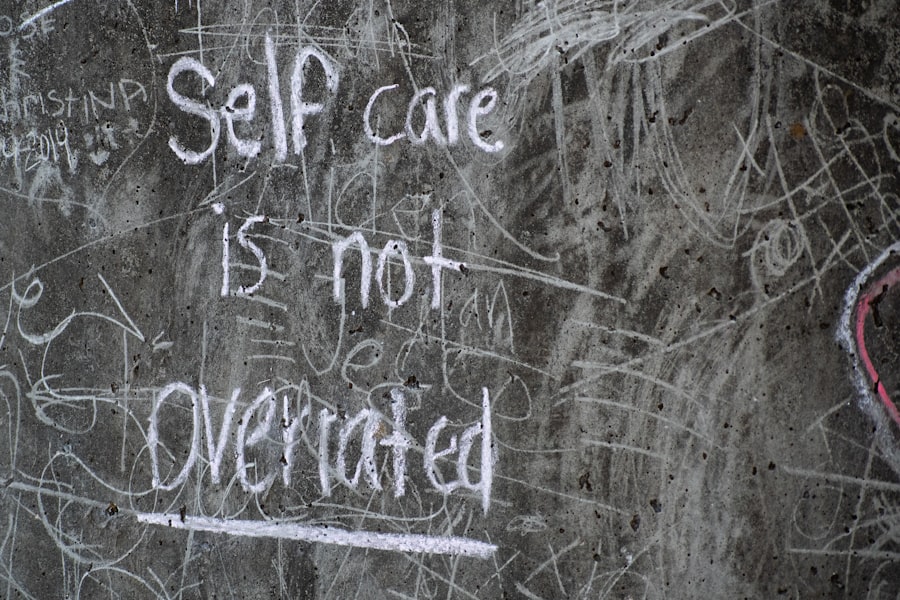
The journey back to yourself is one of the most profound and rewarding paths you can ever embark on. It requires courage, self-compassion, and a willingness to unlearn old patterns. It’s a process of gentle excavation, of uncovering the buried treasures of your own being.
Cultivating Self-Awareness: The Foundation of Change
The first and most crucial step is to increase your self-awareness. This means paying attention to your thoughts, emotions, physical sensations, and behaviors without judgment. It’s about becoming an observer of your own inner world. Dedicate time to simply be with yourself, to notice what’s happening within. This is not about fixing anything immediately, but about building a stronger connection to your internal experiences.
Mindfulness and Meditation Practices
Regular mindfulness and meditation practices are powerful tools for cultivating self-awareness. By focusing on the present moment, you can learn to observe your thoughts and feelings without getting caught up in them. This creates space between stimulus and response, allowing you to make more conscious choices rather than reacting on autopilot. Even a few minutes of quiet sitting each day can begin to shift your relationship with yourself. You are learning to witness your inner landscape, rather than being swept away by its currents.
Journaling for Insight
Journaling is an incredibly effective way to process your thoughts and emotions, to untangle complex feelings, and to gain insight into your patterns of self-abandonment. Write down your worries, your desires, your frustrations, and your moments of clarity. Over time, you may start to see recurring themes and triggers that shed light on why you might be neglecting yourself. It’s like having a conversation with your deeper self, a dialogue that can unlock hidden wisdom.
Re-establishing Healthy Boundaries: Protecting Your Inner Sanctuary
Boundaries are not walls designed to keep everyone out; they are a way of defining what is yours and what is not, ensuring your well-being and fostering respectful relationships. Learning to set and maintain healthy boundaries is fundamental to overcoming self-abandonment. It’s about reclaiming your personal space and asserting your right to be treated with respect.
Identifying Your Values and Priorities
To set effective boundaries, you need to know what’s important to you. Take time to identify your core values and what you prioritize in your life. When you’re clear on these, it becomes easier to say “no” to things that don’t align with them and to say “yes” to what truly nourishes you. Your boundaries are an outward expression of your inner compass.
Assertive Communication Techniques
Assertiveness is about expressing your needs, feelings, and opinions directly and honestly, while respecting the rights of others. This is different from aggression or passivity. Practice using “I” statements (e.g., “I feel overwhelmed when…” instead of “You always load me up with work”). Learning to communicate your boundaries clearly and respectfully is a skill that will serve you in all areas of your life. It’s about speaking your truth with kindness.
Prioritizing Self-Care: Nourishing Your Mind, Body, and Soul
Self-care isn’t selfish; it’s essential. It’s the act of intentionally taking steps to support your physical, emotional, and mental well-being. When you’ve been neglecting yourself, prioritizing self-care is a powerful act of self-love and a direct antidote to self-abandonment. Start small and be consistent.
Creating a Self-Care Routine
Develop a self-care routine that works for you. This could include anything from daily walks, healthy eating, getting enough sleep, engaging in hobbies, spending time in nature, or receiving massages. The goal is to incorporate regular practices that help you recharge and replenish your energy. It’s about making your well-being a non-negotiable part of your life.
Listening to Your Body’s Signals
Your body sends you constant messages about its needs. Are you feeling tired? Hungry? Stressed? Learn to tune into these signals and respond accordingly. Ignoring your body’s cues is a form of self-abandonment. By honoring your physical needs, you are demonstrating that you care about your own physical well-being. It’s about becoming a good listener to the most intimate part of yourself.
Practicing Self-Compassion: The Gentle Art of Kindness
Self-compassion is the practice of treating yourself with the same kindness, understanding, and support that you would offer to a dear friend who is struggling. This is crucial when you’re working to overcome self-abandonment, as it helps to quiet the harsh inner critic. You are learning to offer yourself the warmth and acceptance you may have lacked in the past.
Acknowledging Your Struggles Without Judgment
When you make mistakes or experience setbacks, try to acknowledge them with kindness rather than harsh self-criticism. Remind yourself that everyone struggles, and that imperfections are part of the human experience. It’s about offering yourself grace. You are not your mistakes.
Understanding Your Common Humanity
Remember that you are not alone in your struggles. Many people experience self-doubt, fear, and the temptation to abandon themselves. Recognizing your common humanity can reduce feelings of shame and isolation. You are part of a shared human journey.
Self-abandonment is a complex emotional state where individuals neglect their own needs and desires, often leading to feelings of emptiness and disconnection. Understanding this concept can be further explored in a related article that delves into the psychological implications of neglecting oneself. For those interested in learning more about the effects of self-abandonment and how to reclaim one’s sense of self, you can read more in this insightful piece found at Unplugged Psych. This resource offers valuable strategies for recognizing and overcoming the patterns of self-neglect.
Reclaiming Your Power: The Ongoing Journey of Self-Embrace
| Factors of Self-Abandonment | Effects |
|---|---|
| Lack of self-care | Physical and emotional exhaustion |
| Ignoring personal needs | Feelings of emptiness and dissatisfaction |
| Avoiding boundaries | Difficulty in forming healthy relationships |
| Suppressing emotions | Mental health issues such as anxiety and depression |
Overcoming self-abandonment is not a destination you arrive at, but an ongoing, evolving practice. It’s a commitment to nurturing the most important relationship in your life. By consistently choosing yourself, by showing up for your own needs, and by learning to be your own best ally, you can reclaim your power and live a life that is authentic, fulfilling, and deeply cherished by the one person who matters most: you.
The Power of Self-Love and Self-Acceptance
Self-love and self-acceptance are the ultimate antidotes to self-abandonment. When you truly love and accept yourself, you no longer need external validation. You understand your inherent worth and treat yourself with the respect and care you deserve. This is a journey, not a destination, but every step you take towards embracing yourself fully is a victory.
Embracing Imperfection and Authenticity
Once you’ve begun to shed the layers of self-abandonment, embrace your imperfections. They are not flaws; they are part of what makes you uniquely you. Allow yourself to be authentic, to be messy, to be real. This is where true connection and fulfillment lie. You are finally allowing yourself to be seen, in your entirety.
Building a Life of Meaning and Purpose
When you are no longer abandoning yourself, you are free to pursue what truly gives your life meaning and purpose. You can tap into your passions, live in alignment with your values, and contribute to the world in ways that are authentic to you. This is the beautiful outcome of finally showing up for yourself, consistently and wholeheartedly. You are no longer a spectator in your own life; you are the author, the protagonist, and your own greatest fan.

Why You Don’t Feel Like Yourself Anymore
FAQs
What is self-abandonment?
Self-abandonment refers to the act of neglecting one’s own needs, emotions, and well-being in order to please or accommodate others. It can involve ignoring one’s own desires, suppressing emotions, and sacrificing personal boundaries in order to gain approval or avoid conflict.
What are the signs of self-abandonment?
Signs of self-abandonment may include constantly seeking validation from others, difficulty saying no, feeling disconnected from one’s own emotions and needs, and a pattern of putting others’ needs before one’s own. It can also manifest as a lack of self-care and a tendency to prioritize others’ happiness over one’s own.
How does self-abandonment affect mental health?
Self-abandonment can have a negative impact on mental health, leading to feelings of resentment, low self-esteem, anxiety, and depression. It can also contribute to a sense of emptiness and disconnection from oneself, as well as difficulties in forming and maintaining healthy relationships.
What are the consequences of self-abandonment?
The consequences of self-abandonment can include a lack of fulfillment and satisfaction in life, difficulty in setting and maintaining boundaries, and a tendency to attract unhealthy relationships. It can also lead to a cycle of self-criticism and a diminished sense of self-worth.
How can one overcome self-abandonment?
Overcoming self-abandonment involves recognizing and acknowledging one’s own needs and emotions, practicing self-compassion, setting and maintaining healthy boundaries, and seeking support from trusted individuals or mental health professionals. It also involves learning to prioritize self-care and developing a stronger sense of self-worth.