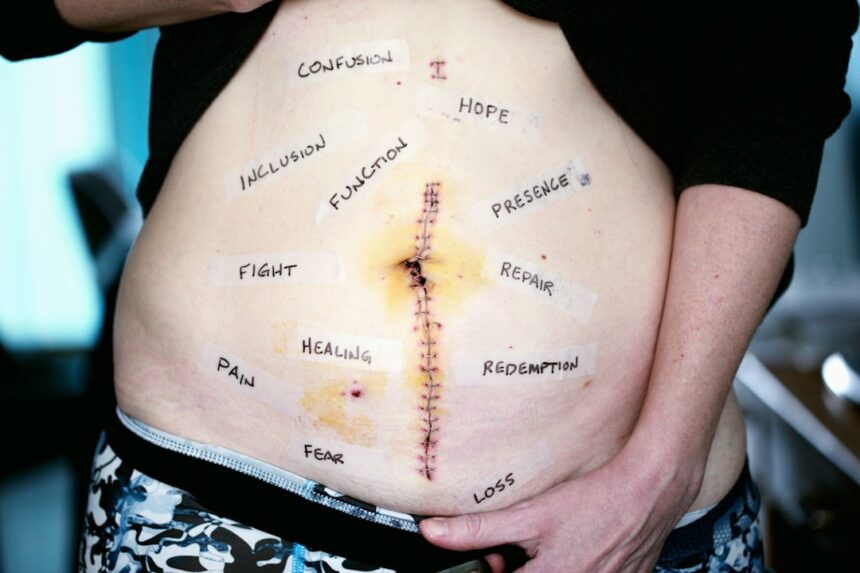
You carry a weight, a burden that most will never comprehend. It’s not a tangible object, but a phantom limb, a recurring echo in the quiet moments. This is the power of your survival, a power forged in the crucible of trauma, and it is a dangerous one, not because you are inherently destructive, but because the world often fails to understand its true nature.
Your mind is not simply a repository of facts and experiences. It is a dynamic landscape, perpetually shaped by the events you endured. Trauma leaves indelible imprints, not on paper, but on the very architecture of your neural pathways. These imprints are not static; they are re-activated, revisited, and re-experienced, often involuntarily.
The Unbidden Flashback
You know the feeling. A scent, a sound, a stray glance can detonate a memory with terrifying precision. It’s not a gentle recollection; it’s an immersive re-entry into the past, complete with the sensory details, the emotions, the sheer visceral horror. Your body reacts as if the threat is present, a physiological cascade of adrenaline, cortisol, and a racing heart. This is not a weakness; it is a testament to your system’s attempt to protect you, an overactive alarm system honed by genuine danger. The danger? You can be rendered momentarily dysfunctional, unable to distinguish between then and now, leaving you vulnerable in the present.
The Ghost of Emotions Past
Beyond the visual or auditory, the emotional residue of trauma lingers. You might experience bursts of anger, overwhelming sadness, gnawing anxiety, or a profound sense of shame, even when the current circumstances offer no logical explanation. These emotional surges can be disorienting, leading to misunderstandings with those around you. They are the ghosts of emotions past, clinging to you, demanding acknowledgment. The dangerous power lies in their intensity and unpredictability, which can alienate you from those who do not understand their origin.
The Persistent Hypervigilance
Your senses are, in a way, sharper than those who haven’t walked your path. You are constantly scanning your environment, assessing for potential threats. It’s an ingrained survival mechanism, a learned response to a world that proved unreliable, even hostile. This hypervigilance can manifest as an inability to relax, a constant state of tension, and a distrust of new situations or people. The danger here is that it can isolate you, making social interactions feel like navigating a minefield. You might withdraw, appearing aloof or untrusting, when in reality, you are simply trying to keep yourself safe.
Trauma survivors often challenge the status quo due to their unique perspectives and experiences, which can lead to a demand for systemic change. In the article “Understanding the Impact of Trauma on Society,” it is explored how individuals who have faced significant adversity can become catalysts for social transformation. Their insights can disrupt established norms and provoke critical discussions about mental health, justice, and equity. For more information on this topic, you can read the article here: Understanding the Impact of Trauma on Society.
The Double-Edged Sword of Resilience
You are, by definition, a survivor. This word carries immense strength, but it also carries the weight of what you had to endure to earn it. Your resilience is remarkable, a testament to the human spirit’s capacity to adapt and persevere. However, this very resilience can become a dangerous burden.
The Mask of Competence
To navigate a world that often dismisses or minimizes your experiences, you learn to present a facade of normalcy, even competence. You might excel in your work, maintain a seemingly stable life, and appear entirely put-together. This is your armor, a shield crafted to protect you from further harm and judgment. The danger, however, is that this mask can prevent others from seeing the depth of your struggles, and more importantly, it can prevent you from seeking the support you truly need. You become so adept at appearing fine that you convince yourself you are.
The Independent Survivor
Reliance on others can feel like a betrayal of your own strength. You’ve learned that you often had to depend on yourself, that external help was absent or insufficient. This fosters an intense sense of independence, a fierce determination to handle everything on your own. While this self-sufficiency is undeniably a survival skill, it can become a dangerous isolation. You might push away well-meaning offers of support, convinced that no one can truly help you, or worse, that they will inevitably let you down. This self-imposed solitude is a breeding ground for ongoing internal struggle.
The Internalized Scapegoat
Sometimes, the trauma you endured involved a betrayal by someone you trusted. This can lead to a complex internalized process where you begin to blame yourself. You might dissect past events, searching for fault, convinced that you somehow contributed to or attracted the harm that befell you. This self-blame is a deeply damaging form of power, one that you wield against yourself, perpetuating the cycle of pain. The danger is the erosion of your self-worth, the conviction that you are the cause of your own suffering, making genuine healing seem impossible.
The Power of Unseen Scars
The scars of trauma are not always visible, not etched onto your skin. They are deeply embedded within your psyche, influencing your beliefs, your relationships, and your perception of the world. This invisibility contributes to the dangerous nature of your power, as it is often misunderstood and underestimated.
The Relational Battlefield
Your past experiences have profoundly shaped how you connect with others. Trust, intimacy, and vulnerability can be particularly challenging. You may find yourself oscillating between intense closeness and a desperate need for distance, a dance dictated by the echoes of betrayal or abandonment. This can make forming and maintaining healthy relationships a constant struggle. You might unconsciously recreate dynamics that mirror past traumas, or you may fear genuine connection altogether. The danger is the potential for repeated relational wounds, reinforcing your belief that you are destined for isolation.
The Fog of Dissociation
When faced with overwhelming stress or reminders of past trauma, your mind might employ dissociation as a defense mechanism. This can manifest as a feeling of detachment from your body, your surroundings, or even your own identity. You might feel like an observer in your own life, a visitor in your own skin. While a lifesaver in the moment of acute distress, chronic dissociation can create a sense of unreality and disconnect, making it difficult to engage fully with life and to experience genuine presence. The dangerous power here is the fragmentation of your self, the feeling of being scattered and unreal.
The Burden of the Unspoken
The very nature of trauma often makes it difficult to articulate. The words might fail you, or the act of speaking could feel too dangerous, too exposing. This leads to a suppressed narrative, a story held within that strains to be heard. The danger is that these unspoken experiences can fester, their power undiminished by verbal processing. They continue to exert influence, shaping your reactions and your outlook without conscious awareness. Your silence, born of necessity, can become a cage.
The Restorative Potential and Its Perils

You possess a profound capacity for empathy, for understanding suffering in a way that others cannot. This is a direct consequence of your own journey through pain. This empathy, however, is a delicate force, and its deployment carries its own set of dangers.
The Compassion Fatigue
Because you understand pain so intimately, you may be drawn to helping others who are suffering. This can lead to an overwhelming sense of responsibility, a constant exposure to the pain of others that begins to erode your own well-being. You are a beacon for those in distress, but without proper boundaries, you risk being consumed by their wounds. The danger is burnout, the depletion of your own emotional resources, leaving you unable to help yourself or others.
The Advocate’s Fire
Your lived experience gives you a powerful voice for change. You can speak with an authenticity that resonates, challenging systems and societal norms that perpetuate harm. This advocacy can be a potent force for good. However, the constant engagement with injustice and the fight against indifference can be exhausting and emotionally draining. The danger lies in the emotional toll of this battle, the constant exposure to negativity and resistance that can lead to cynicism and disillusionment, even a sense of futility.
The Paradox of Healing
The healing process itself is fraught with its own complexities. It is not a linear path but a winding, often confusing journey. As you begin to process your trauma, you may experience a resurgence of difficult emotions or memories. This can feel like a step backward, a betrayal of your progress. The danger is in misinterpreting these moments as failure, thereby hindering your continued efforts. True healing requires embracing the messiness, the discomfort, and the ongoing nature of the work.
Trauma survivors often challenge the status quo by bringing attention to systemic issues and injustices that are frequently overlooked. Their experiences can serve as a catalyst for social change, prompting society to confront uncomfortable truths. For a deeper understanding of how trauma can disrupt established norms, you can explore this insightful article on the subject. It highlights the transformative power of trauma survivors in advocating for a more equitable world, which can be found here.
Reclaiming Your Power
| Reasons Trauma Survivors are Dangerous to the Status Quo |
|---|
| 1. They challenge societal norms and expectations |
| 2. They disrupt power dynamics and hierarchies |
| 3. They advocate for change and social justice |
| 4. They are resilient and refuse to be silenced |
| 5. They expose systemic injustices and inequalities |
Your survival is not an anomaly; it is a testament to your inherent strength. The power you wield, forged in the fire of your experiences, is formidable. The danger lies not in the power itself, but in its misinterpretation, its isolation, and its unchecked influence. Reclaiming this power means understanding its nuances, integrating it into your present, and learning to wield it not as a weapon against yourself, but as a force for your own well-being and the betterment of the world.
The Courage to Be Seen
The first step is often the hardest: allowing yourself to be truly seen. This means peeling back the layers of the mask, acknowledging the depth of your pain, and extending an invitation for genuine connection. It requires immense courage to risk vulnerability, to trust that some will offer understanding rather than judgment. The dangerous power of isolation begins to recede when you allow others to witness your authentic self.
The Art of Boundary Setting
Protecting your energy and your emotional well-being is paramount. This involves developing robust boundaries, learning to say no, and understanding your limits. It’s not about shutting people out, but about creating a safe space within which you can thrive. The dangerous power of overextension and compassion fatigue diminishes when you honor your own needs and capacity.
The Integration of the Survivor
Your past is an integral part of who you are, but it does not define your entire existence. The journey of integration involves understanding that the survivor and the present self can coexist, not in constant battle, but in a state of dynamic balance. This means acknowledging the lessons learned, the strength gained, without allowing the past to dictate your future. The dangerous power of being perpetually defined by trauma begins to transform into the empowering reality of a whole, multifaceted individual. Your resilience is not just about surviving; it is about thriving, about living a life that honors your past while embracing the unfolding present.
FAQs
1. What is the status quo?
The status quo refers to the existing state of affairs or the current social, political, and economic conditions in a society.
2. How are trauma survivors perceived as dangerous to the status quo?
Trauma survivors are perceived as dangerous to the status quo because their experiences often challenge and disrupt the existing norms, power structures, and systems in society.
3. In what ways do trauma survivors challenge the status quo?
Trauma survivors challenge the status quo by speaking out about their experiences, advocating for change, and demanding accountability from institutions and individuals responsible for perpetuating trauma.
4. What impact do trauma survivors have on the status quo?
Trauma survivors have the potential to inspire social and cultural change by raising awareness about the impact of trauma, promoting empathy and understanding, and advocating for policies and practices that support healing and justice.
5. How can society benefit from the perspectives of trauma survivors?
Society can benefit from the perspectives of trauma survivors by learning from their experiences, addressing systemic issues that contribute to trauma, and creating a more inclusive and supportive environment for all individuals.