
You are about to embark on a journey into the intricate landscape of empathy, not as a purely emotional construct, but as a biological phenomenon, deeply rooted in your neurobiology and subject to the same vulnerabilities as any other physiological process. Your understanding of empathy, often romanticized as an unyielding wellspring of connection, is about to be refined, revealing its fragility and the myriad ways in which it can be compromised. Prepare to confront the biological underpinnings that dictate your capacity to understand and share the feelings of others, and how these foundations can, at times, falter.
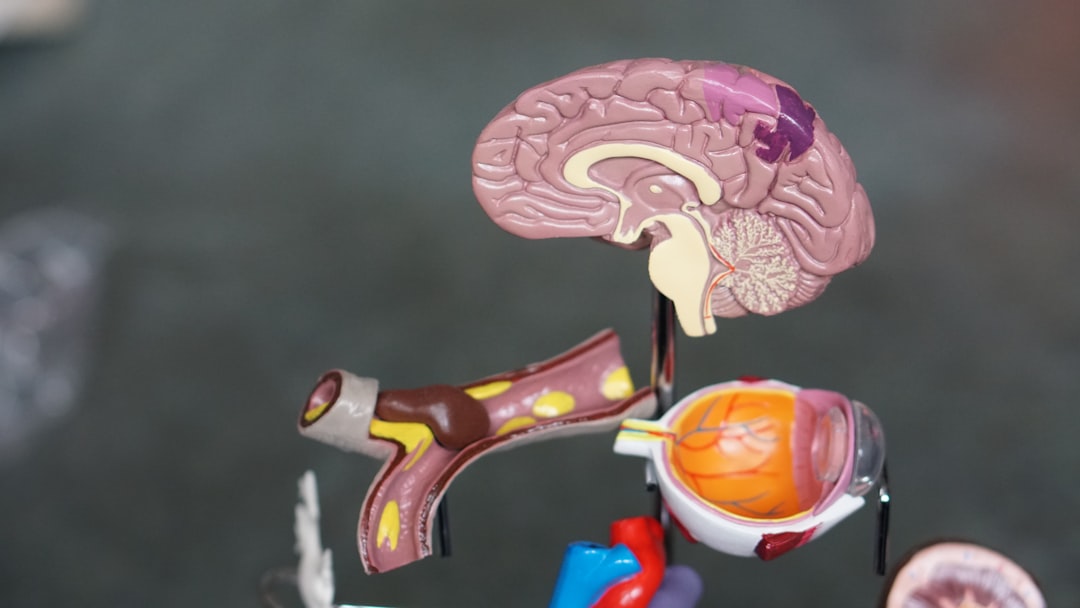
Your capacity for empathy isn’t a nebulous, ethereal quality; it’s intricately woven into the very fabric of your brain. To grasp its vulnerabilities, you must first understand its biological architecture. Think of your brain not as a monolithic entity, but as a complex orchestra, where different sections play specific roles in harmonious (or sometimes dissonant) concert.
Mirror Neuron System: The Echo Chamber of Experience
Consider the mirror neuron system as your brain’s intrinsic echo chamber, a specialized network of neurons that fire both when you perform an action and when you observe someone else performing the same action. This system, located in areas such as the premotor cortex and inferior parietal lobule, provides a foundational mechanism for understanding the intentions and emotions of others by simulating their experiences within your own neural circuitry. When you see someone wince in pain, it’s not just a recognition of their discomfort; your own pain-sensing pathways are subtly activated, creating an internal resonance. This “as if” simulation is a crucial stepping stone to empathy.
- Evidence from fMRI Studies: Functional magnetic resonance imaging (fMRI) studies consistently demonstrate activation of mirror neuron system regions when individuals observe and imitate actions or facial expressions, providing compelling neuroscientific support for its role in mirroring.
- Dysfunction in Autism Spectrum Disorder: Research exploring Autism Spectrum Disorder (ASD) often points to atypical functioning of the mirror neuron system, which may contribute to the characteristic challenges in social interaction and understanding of others’ emotions experienced by individuals with ASD. The “broken mirror” hypothesis, though debated, suggests a potential biological vulnerability in this empathic pathway.
The Anterior Cingulate Cortex and Insula: The Emotional Thermometer
Beyond merely mirroring, your brain possesses dedicated regions for processing the feeling of emotions, both your own and those you witness in others. The anterior cingulate cortex (ACC) and the insula act as your brain’s emotional thermometers, registering and modulating the subjective experience of feelings. When you encounter someone in distress, the ACC and insula spring into action, integrating sensory information with emotional content to create a visceral understanding of their state.
- Pain Empathy and Shared Neural Networks: Studies on pain empathy show remarkable overlap in brain activation when you experience pain yourself and when you observe someone else in pain. Areas such as the ACC and insula are consistently highlighted, suggesting a shared neural basis for both self-experienced and vicariously experienced suffering. This highlights a biological pathway where another’s distress can literally activate your distress circuits.
- Interoception and Emotional Awareness: The insula, in particular, plays a critical role in interoception, your ability to perceive the internal state of your body (e.g., heart rate, gut feelings). This connection is vital for empathy, as it allows you to link another’s emotional expression to a felt bodily sensation within yourself, transforming abstract observation into concrete understanding.
Amygdala and Prefrontal Cortex: The Regulatory System
To truly understand empathy’s vulnerabilities, you must also consider its regulatory mechanisms. The amygdala, often described as your brain’s alarm system, is deeply involved in processing fear and other strong emotions. Its connection to the prefrontal cortex (PFC), the seat of higher-order cognitive functions like decision-making and emotional regulation, forms a crucial regulatory circuit. This circuit helps you not only to feel another’s emotions but also to manage your own response, preventing empathic distress from becoming overwhelming.
- Emotional Contagion vs. Empathy: Without proper regulation, empathy can quickly devolve into emotional contagion, where you simply “catch” another’s emotions without the cognitive insight to understand their perspective. The PFC acts as a brake, allowing you to process and contextualize the emotions of others rather than being consumed by them.
- Role in Social Cognition: The PFC’s executive functions are essential for complex social cognition, including perspective-taking and theory of mind – your ability to attribute mental states to others. Damage or dysfunction in these areas can impair your capacity to understand and respond appropriately to social cues, directly impacting empathic responses.
Empathy, often seen as a hallmark of human connection, can also be viewed as a biological vulnerability that exposes individuals to emotional distress and social manipulation. This concept is explored in greater depth in the article found at Unplugged Psych, where the intricate relationship between empathy and biological predispositions is examined. The article discusses how heightened empathetic responses can lead to increased susceptibility to emotional pain and stress, highlighting the dual-edged nature of this essential human trait.
Neurological Conditions and Empathic Deficits
Your brain, though remarkably adaptable, is also susceptible to conditions that can directly undermine your capacity for empathy. These neurological disruptions are not moral failings but rather biological alterations that physically impede the empathic pathways.
Traumatic Brain Injury (TBI): A Disrupted Circuitry
Imagine your brain as a finely tuned instrument. A traumatic brain injury (TBI) can be akin to dropping that instrument, causing widespread damage that disrupts its delicate internal circuitry. Depending on the location and severity of the injury, TBI can profoundly affect empathic abilities. Damage to frontal and temporal lobes, in particular, which are crucial for social cognition and emotion processing, often leads to observable changes in empathy.
- Impact on Theory of Mind: Individuals who have sustained TBI, especially to the prefrontal cortex, frequently exhibit difficulties with theory of mind, struggling to infer the thoughts, beliefs, and intentions of others. This cognitive empathic deficit makes it challenging to truly step into another person’s shoes.
- Emotional Dysregulation and Apathy: Beyond cognitive empathy, TBI can also impair effective empathy. Damage to limbic structures can lead to emotional blunting, making it difficult for the individual to experience or share the emotional states of others, often manifesting as reduced concern or even apathy.
Frontotemporal Dementia (FTD): The Eroding Self
Frontotemporal dementia (FTD) presents a stark and tragic illustration of empathy’s biological vulnerability. Unlike Alzheimer’s disease, which primarily affects memory, FTD preferentially targets the frontal and temporal lobes, the very regions critical for social behavior, emotional processing, and, consequently, empathy. As the disease progresses, you witness a chilling erosion of the individual’s capacity for compassion and social awareness.
- Loss of Emotional Responsiveness: A hallmark of FTD is a profound change in personality and behavior, including a striking reduction in emotional responsiveness. Individuals may show little reaction to the distress of loved ones, exhibit socially inappropriate behaviors, and appear indifferent to the feelings of others.
- Neural Degeneration and Empathic Decline: Post-mortem analyses and advanced imaging techniques reveal significant atrophy and neuronal loss in key empathic circuits, including the anterior cingulate cortex, insula, and ventromedial prefrontal cortex, directly correlating with the observed decline in empathic behavior.
Psychopathy and Antisocial Personality Disorder: A Different Blueprint
While not strictly a “damage” in the same sense as TBI or FTD, psychopathy and antisocial personality disorder represent profound biological differences that significantly impair empathy. In these conditions, you observe a consistent pattern of disregard for the rights of others, often accompanied by a superficial charm and a striking lack of remorse or guilt.
- Reduced Amygdala Activity: Neuroimaging studies of individuals with psychopathy frequently reveal reduced activity and structural abnormalities in the amygdala, the brain region critical for processing fear and emotional responses. This diminished fear response may contribute to their characteristic fearlessness and decreased ability to recognize and respond to the distress cues of others.
- Impaired Empathic Resonance: While some individuals with psychopathy may demonstrate intact cognitive empathy (they can understand what others are thinking), they often exhibit a profound deficit in effective empathy. They can intellectually grasp another’s emotional state but do not feel it themselves, akin to reading a recipe without tasting the food.
Neurochemical Modulators of Empathy

Your capacity for empathy is not solely dictated by neural structures; it’s also profoundly influenced by a complex interplay of neurochemicals, the microscopic messengers that transmit signals throughout your brain. These chemical modulators can act as finely tuned dials, increasing or decreasing the strength of your empathic responses.
Oxytocin: The Bonding Hormone’s Double-Edged Sword
Often lauded as the “love hormone” or “bonding hormone,” oxytocin plays a significant role in social attachment, trust, and even maternal care. It is released during social interactions, physical touch, and intimacy, fostering feelings of connection. Its influence on empathy is undeniable, often promoting pro-social behaviors and increasing your ability to understand and share the emotions of those within your social circle.
- Enhancement of In-Group Empathy: Research suggests that oxytocin can enhance empathy, particularly towards members of one’s own group or those with whom one shares a close bond. This “in-group bias” aspect, however, also hints at a potential vulnerability: oxytocin’s empathic effects may not extend universally and can even, in some contexts, lead to selective empathy.
- Therapeutic Potential and Limitations: The potential for oxytocin to enhance social cognition and empathy has led to explorations of its therapeutic use in conditions like autism. However, its complex effects and the potential for context-dependent outcomes necessitate careful consideration and further research. It’s not a magic bullet for empathy deficits.
Serotonin: The Mood Regulator’s Influence
Serotonin, a neurotransmitter widely known for its role in mood regulation, also indirectly influences empathy through its impact on emotional processing and impulse control. Optimal serotonin levels contribute to emotional stability, which is a prerequisite for discerning and responding appropriately to the emotions of others.
- Depression and Reduced Empathy: Conditions characterized by serotonin dysregulation, such as major depressive disorder, often present with reduced emotional responsiveness and, in some cases, decreased empathy. The individual’s internal emotional struggle can overshadow their capacity to attune to the feelings of others.
- Aggression and Impulsivity: Serotonin imbalances have also been linked to aggression and impulsivity, behaviors antithetical to empathic responses. When your emotional regulation systems are compromised, your ability to consider the impact of your actions on others is diminished.
Endocannabinoids: Fine-Tuning Emotional Resonance
The endocannabinoid system (ECS) is a widespread neuromodulatory system involved in a vast array of physiological processes, including mood, stress, and pain. Recent research suggests its emerging role in fine-tuning your emotional responses and, consequently, your empathic abilities.
- Stress Buffering and Social Connectedness: The ECS helps to regulate your stress response. When you are overwhelmed by stress, your capacity for empathy diminishes. By modulating stress, the ECS can indirectly support empathic responses, allowing you to remain open and responsive to others even in challenging circumstances.
- Social Pain and Empathy: The ECS has been implicated in the processing of social pain – the distressing feeling of social rejection or loss. This connection suggests that the ECS may play a role in your ability to experience and understand the emotional pain of others, contributing to affective empathy.
Environmental and Developmental Influences on Empathy’s Biology

While your innate biological architecture provides the foundation for empathy, it is not a static blueprint. Your experiences, particularly during critical developmental periods, can profoundly shape the expression and even the very structure of your empathic circuits. Think of it as a sculptor continually refining a masterpiece.
Early Childhood Experiences: The Forging of Foundations
The experiences you encounter in early childhood are paramount in shaping your empathic capacity. A supportive and nurturing environment, characterized by consistent parental responsiveness and emotional attunement, fosters the healthy development of brain regions critical for empathy. Conversely, early adversity can erect formidable barriers.
- Attachment Styles and Empathy: Secure attachment, formed through consistent and sensitive caregiving, is strongly correlated with higher levels of empathy in later life. Insecure attachment styles, often stemming from inconsistent or neglectful care, can lead to difficulties in understanding and responding to the emotions of others, as the foundational sense of trust and safety is compromised.
- Maltreatment and Brain Development: Childhood maltreatment (neglect, abuse) has been shown to alter the development and functioning of brain areas involved in fear processing (amygdala), emotional regulation (prefrontal cortex), and stress response. These biological changes can contribute to reduced empathy, increased aggression, and challenges in forming healthy relationships.
Chronic Stress and Trauma: The Erosion of Connection
Chronic stress and trauma, regardless of when they occur in your life, can act as corrosive agents on your empathic abilities. When your body is in a persistent state of fight, flight, or freeze, your capacity to attune to the subtle emotional cues of others is severely compromised. Survival mode trumps connection.
- Hypervigilance and Reduced Mentalizing: Individuals experiencing chronic stress or post-traumatic stress disorder (PTSD) often exhibit hypervigilance, an exaggerated awareness of threats. This constant scanning for danger diverts cognitive resources away from mentalizing (understanding others’ mental states), making genuine empathic engagement difficult.
- Emotional Numbing: Trauma can lead to emotional numbing, a protective mechanism where individuals suppress their own emotions to cope with overwhelming distress. While seemingly adaptive in the short term, this numbing can extend to the emotions of others, leading to a reduced capacity for affective empathy.
Social Learning and Cultural Context: The Shaping Hand
Your environment, beyond family dynamics, continues to shape your empathic development through social learning and cultural influences. The values, norms, and narratives prevalent in your society actively mold how you perceive, interpret, and respond to the emotions of others.
- Empathy Training and Interventions: Evidence suggests that empathy can be cultivated and enhanced through targeted interventions and training programs. These often involve perspective-taking exercises, mindfulness practices, and explicit instruction in emotion recognition, highlighting the brain’s plasticity and capacity for growth even in adulthood.
- Influence of Media and Social Narratives: The media you consume and the social narratives you engage with can also subtly influence your empathic responses. Exposure to diverse perspectives can broaden your empathic horizons, while constant exposure to dehumanizing rhetoric or violence can desensitize your empathic circuits, demonstrating how external factors can biochemically alter your brain’s natural responses.
Empathy, while often celebrated as a cornerstone of human connection, can also be viewed as a biological vulnerability that makes individuals susceptible to emotional distress. This perspective is explored in detail in a related article that discusses the intricate balance between empathy and mental health. By understanding how our biological makeup influences our capacity for empathy, we can better navigate the challenges it presents. For more insights on this topic, you can read the article here: Unplugged Psych.
The Future of Understanding Empathy’s Vulnerabilities
| Metric | Description | Biological Impact | Example |
|---|---|---|---|
| Neural Activation | Empathy activates brain regions such as the anterior insula and anterior cingulate cortex. | Increased emotional sensitivity can lead to heightened stress responses. | Mirror neurons firing when observing others in pain. |
| Stress Hormone Levels | Empathic distress can elevate cortisol levels. | Prolonged cortisol elevation can impair immune function and increase vulnerability to illness. | Caregivers experiencing burnout due to chronic empathic stress. |
| Emotional Contagion | Empathy can cause individuals to absorb others’ negative emotions. | Leads to emotional exhaustion and decreased mental resilience. | Healthcare workers feeling overwhelmed by patients’ suffering. |
| Social Bonding | Empathy promotes social connections and cooperation. | While beneficial, it can also create dependency and vulnerability to social rejection. | Strong attachment leading to distress when separated from loved ones. |
| Genetic Factors | Variations in genes like OXTR influence empathic capacity. | Higher empathy linked to increased sensitivity to social stressors. | Individuals with certain OXTR variants showing greater emotional reactivity. |
You have surveyed the complex interplay of neuroanatomy, neurochemistry, and environmental factors that underpin your capacity for empathy. The journey reveals that empathy is not an immutable trait but a dynamic biological process, susceptible to a myriad of influences.
Genetic Predispositions: The Inherited Blueprint
While not always a direct cause, your genetic makeup plays a role in predisposing you to certain empathic strengths and weaknesses. Just as you inherit tendencies for other psychological traits, your genes contribute to the architecture and function of your empathic brain circuits.
- Polymorphisms and Empathic Variation: Research is actively identifying specific genetic polymorphisms (variations in DNA sequences) that are associated with individual differences in empathy. These genetic markers don’t dictate empathy in a deterministic way, but rather influence the likelihood of developing certain empathic profiles or vulnerabilities.
- Gene-Environment Interactions: Crucially, genetic predispositions rarely operate in isolation. They interact with your environment. For example, a genetic vulnerability for reduced empathy might only manifest under conditions of severe childhood adversity, while a supportive environment could buffer its expression, showcasing the intricate dance between nature and nurture.
Neuroplasticity and Intervention: Hope in Adaptability
Despite its vulnerabilities, your brain possesses remarkable neuroplasticity – its ability to reorganize and adapt throughout life. This inherent flexibility offers a beacon of hope for addressing empathic deficits and strengthening empathic responses.
- Targeted Therapies and Rehabilitation: Understanding the biological underpinnings of empathic deficits can pave the way for more targeted therapies and rehabilitation strategies. For individuals with TBI, for example, therapies focusing on social cognition and emotional processing can help to rebuild damaged empathic pathways.
- Pharmacological Modulators: As your understanding of the neurochemical basis of empathy expands, the possibility of pharmacological interventions to modulate empathic responses becomes a subject of interest. While still in early stages, precise neurochemical manipulation could potentially enhance empathy in certain contexts or mitigate its deficits.
In conclusion, your journey through the biological vulnerability of empathy reveals a landscape far more intricate and fragile than often assumed. It shows you that empathy is a sophisticated neurobiological function, not merely a feeling, and as such, it is subject to the same biological constraints and susceptibilities as any other bodily system. By understanding these vulnerabilities – from the architectural flaws caused by injury or disease, to the chemical imbalances impacting its delicate regulation, to the profound influence of environment and experience – you gain a more profound appreciation for the human capacity to connect, and the profound challenges faced when that capacity is compromised. This knowledge is not meant to diminish empathy, but rather to illuminate its intricate biological reality, opening pathways for deeper understanding, compassion, and perhaps, intervention.
WARNING: Your Empathy Is a Biological Glitch (And They Know It)
FAQs
What does it mean that empathy is a biological vulnerability?
Empathy as a biological vulnerability means that the ability to deeply understand and share the feelings of others can also make individuals more susceptible to emotional distress, stress, or psychological harm due to heightened sensitivity to others’ pain or suffering.
How is empathy biologically rooted in humans?
Empathy is biologically rooted through neural mechanisms involving mirror neurons, the limbic system, and brain regions such as the anterior insula and anterior cingulate cortex, which enable humans to perceive and resonate with others’ emotions.
Why can empathy lead to emotional challenges?
Empathy can lead to emotional challenges because highly empathetic individuals may experience emotional contagion, absorbing others’ negative emotions, which can result in increased stress, anxiety, or burnout, especially in caregiving or high-stress environments.
Are there evolutionary advantages to empathy despite its vulnerabilities?
Yes, empathy has evolutionary advantages as it promotes social bonding, cooperation, and prosocial behavior, which are essential for group survival and human societal development, even though it may also expose individuals to emotional risks.
Can empathy be managed to reduce its negative effects?
Yes, empathy can be managed through strategies such as emotional regulation, setting healthy boundaries, mindfulness, and self-care practices, which help individuals maintain empathy without becoming overwhelmed by others’ emotions.