
You’ve always been the one people turn to. The steady hand, the listening ear, the shoulder to cry on. It’s a role you’ve embraced, perhaps even sought out. There’s a deep satisfaction in knowing you can offer comfort, provide solutions, or simply absorb the overflow of another person’s distress. But lately, that satisfaction is starting to feel a lot like a weight. You’re beginning to realize you’re not just helping; you’re taking on the emotional burden of others, and it’s starting to take its toll.
This isn’t about being ungenerous or unkind. In fact, it’s often born from the very best parts of your nature: your empathy, your compassion, your desire to alleviate suffering. Yet, when this tendency becomes a consistent pattern, it can lead to a depletion of your own emotional and mental resources, leaving you feeling drained, resentful, and disconnected from your own needs. Understanding this dynamic is the first step in reclaiming your emotional equilibrium.
You find yourself drawn to those who are struggling. It’s as if their pain acts as a magnet, pulling you in. You might not even consciously decide to step into this role; it just happens. You might be someone who naturally anticipates needs, who feels a pang of discomfort when someone else is upset, and who feels a compelling urge to fix it. This isn’t a flaw; it’s a powerful, often innate, human quality. However, the line between genuine support and absorbing another’s emotional load can become blurred, especially when the giving becomes one-sided.
The Empathy Trap
Your empathy is a gift, allowing you to connect with others on a profound level. You can truly feel what they are feeling, or at least imagine it vividly. This capacity for understanding is what makes you such a valuable friend, partner, or family member. But when your empathy is unchecked, it can become a trap. You begin to internalize the emotions of others as if they were your own. Their anxiety becomes your anxiety, their sadness your sadness, their anger your anger. This isn’t a metaphor; it’s a genuine emotional resonance that can leave you feeling overwhelmed by a deluge of feelings that aren’t even yours to begin with.
Recognizing the Symptoms of Emotional Overload
Do you find yourself feeling perpetually tired, even after a good night’s sleep? Are you experiencing an unusual level of irritability or short temper? Perhaps you’re noticing a decline in your own motivation and joy, finding it harder to engage with activities you once loved. These are all common symptoms of taking on too much emotional weight. You might also find yourself easily overwhelmed by minor stressors, snapping at loved ones, or withdrawing from social interactions. It’s like carrying a backpack filled with rocks, and with each new person you try to help, another rock gets added. Eventually, the weight becomes unbearable.
The Urge to Fix
There’s a deep-seated desire in you to make things right. When you see someone in pain, your immediate instinct is to find a solution, to smooth over the rough edges, to make the bad feelings disappear. This is a noble impulse, but it often bypasses the necessary process of allowing someone to experience and process their own emotions. You might offer advice, try to reason with them, or even take on tasks that are meant to alleviate their stress. While well-intentioned, this can inadvertently prevent them from developing their own coping mechanisms and can create a dependency on you to manage their emotional landscape.
The Illusion of Control
In taking on their burdens, you might also be seeking a sense of control. When you can’t control your own circumstances or emotions, the act of managing someone else’s can feel empowering. It can provide a temporary distraction from your own inner turmoil. However, this is an illusion. You are not truly in control of another person’s feelings or experiences. By trying to shoulder their burdens, you’re attempting to control the uncontrollable, which is a recipe for frustration and exhaustion.
Feeling responsible for other people’s emotions can be a heavy burden to carry, often leading to anxiety and stress. It’s important to recognize that while we can empathize with others, we are not accountable for their feelings. A related article that delves deeper into this topic is available at Unplugged Psych, which explores the dynamics of emotional responsibility and offers strategies for maintaining healthy boundaries. You can read more about it here: Unplugged Psych.
The Silent Erosion of Your Own Well-being
When you’re constantly pouring your emotional energy into others, there’s very little left for yourself. Your own needs, desires, and feelings can start to take a backseat, becoming secondary to the perceived needs of those around you. This isn’t a conscious decision to neglect yourself; it’s a natural consequence of prioritizing others’ emotional states above your own.
Sacrificing Your Boundaries
Boundaries are the invisible lines that protect your emotional and mental space. They define what you are willing to give, what you are willing to accept, and what is not negotiable. When you take on the emotional burden of others, your boundaries become permeable, or perhaps even non-existent. You might feel obligated to listen to endless complaints, to offer constant support, or to engage in conversations that leave you feeling drained, even when you don’t have the capacity. You might say “yes” when you want to say “no” because you fear disappointing others or being seen as unsupportive.
The Guilt Monster
The guilt that can accompany setting boundaries is a powerful deterrent. You might feel guilty for not being there for someone, for not listening enough, or for not doing more. This guilt can be a significant factor in why you continue to absorb the emotional weight. It’s a self-imposed punishment for not meeting an unspoken expectation, an expectation that you’ve likely internalized. You might even believe that your worth is tied to your ability to be there for everyone, making the idea of setting boundaries feel selfish.
Emotional Fatigue and Burnout
Imagine your emotional reserves as a bank account. Every act of empathy, every listening ear, every problem solved for someone else is a withdrawal. When you’re constantly giving without replenishing, you’re headed for emotional bankruptcy. This can manifest as burnout, a state of extreme exhaustion and cynicism where you feel depleted and unable to cope. You might lose interest in your work, your relationships, and life in general. This isn’t a sign of weakness; it’s a sign that you’ve been overextended for too long.
The Loss of Self
As your emotional energy is consistently directed outwards, it can become harder to access your own inner world. You might feel disconnected from your own feelings, your own desires, and your own identity. Who are you when you’re not the emotional support for others? This question can be unsettling, and the process of rediscovering yourself can feel daunting. It’s like a plant that has been overwatered and is slowly starting to rot from the inside out.
The Ripple Effect on Your Relationships

While you may believe you are strengthening your relationships by taking on others’ burdens, the reality can be quite different. Your constant absorption of their negative emotions can create an unhealthy dynamic, impacting both you and the people you are trying to help.
Enabling Unhealthy Coping Mechanisms
When you consistently swoop in to absorb someone’s emotional distress, you can inadvertently prevent them from developing their own healthy coping mechanisms. They may learn to rely on you as an emotional crutch, rather than learning to navigate their own feelings and challenges. This can create a cycle of dependency, where they continue to offload their emotional baggage onto you, and you continue to carry it, both feeling trapped in the process.
The Resentment Factor
Despite your best intentions, resentment can begin to brew beneath the surface. You might start to feel taken advantage of, unappreciated, or simply exhausted by the constant demands on your emotional energy. This resentment can poison even the most loving relationships, creating a subtle but persistent tension. You might find yourself feeling irritable or defensive around the very people you are trying to support, which further erodes the foundation of your connection.
The Stifling of Genuine Connection
True connection is built on authenticity and reciprocity. When you are constantly absorbing others’ emotions, you may be masking your own true feelings or needs, preventing them from seeing the real you. Similarly, by always being the fixer, you might prevent others from truly seeing and understanding your struggles or vulnerabilities. This creates a superficial layer to your relationships, where the deep, authentic exchange of emotions is replaced by a one-way street of emotional dumping and receiving.
The Weight of Unexpressed Needs
Your own unexpressed needs become a heavy burden in themselves. When you don’t vocalize what you need, whether it’s space, understanding, or help, those needs go unmet. This creates a void that can lead to dissatisfaction and a feeling of being invisible in your own relationships. You might feel like you’re giving everything and receiving very little in return, a recipe for unhappiness.
Reclaiming Your Emotional Space: Practical Strategies
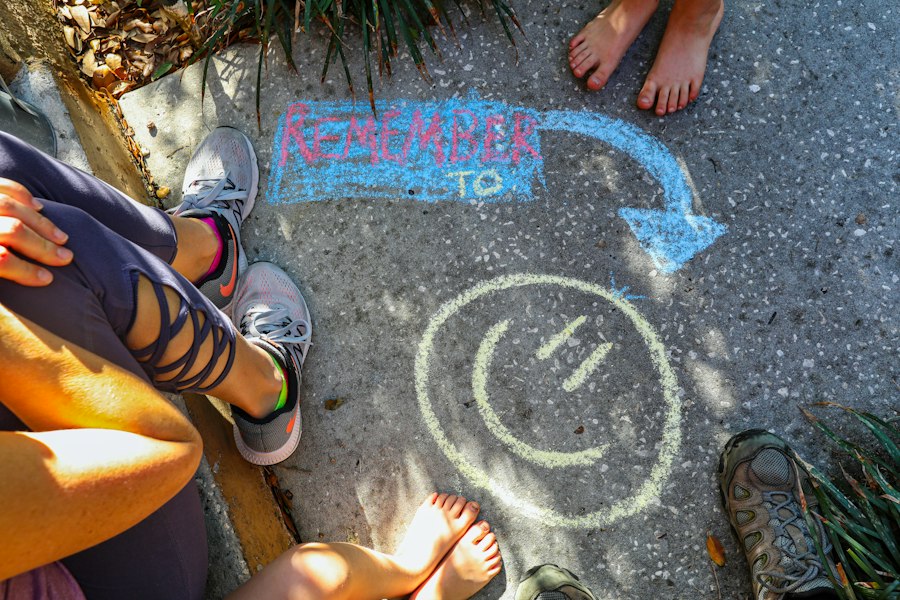
It’s time to acknowledge the toll this is taking and to implement strategies for reclaiming your emotional space. This isn’t about becoming emotionally distant or uncaring; it’s about learning to be a supportive presence without sacrificing your own well-being.
Setting Healthy Boundaries
This is the cornerstone of preventing emotional burnout. Boundaries are not walls; they are clear guidelines for how you will engage with others and what you will allow.
The Power of “No”
Learning to say “no” is a skill that requires practice and courage. Start small. If you’re asked to do something that feels overwhelming, practice saying, “I can’t right now,” or “That doesn’t work for me at the moment.” You don’t need to over-explain or apologize. A simple, firm “no” is often enough. Remember, saying “no” to something that depletes you is saying “yes” to yourself and your well-being.
Communicating Your Limits
Once you’ve identified your boundaries, it’s important to communicate them clearly and kindly to the people in your life. This might involve having open conversations about your capacity, your energy levels, and what you are able to offer. For example, you might say, “I care about you deeply, and I want to be there for you, but I can only listen for an hour tonight as I have a lot on my plate tomorrow.”
Prioritizing Self-Care
Self-care is not a luxury; it’s a necessity. It’s the practice of intentionally engaging in activities that nurture your physical, mental, and emotional health.
Scheduling “You” Time
Just as you schedule appointments and commitments with others, schedule time for yourself. This could be anything from reading a book, taking a long bath, going for a walk in nature, or pursuing a hobby. Treat this time as non-negotiable. It’s your dedicated time for replenishment.
Nourishing Your Mind and Body
Pay attention to your physical well-being. Are you getting enough sleep? Are you eating nourishing foods? Are you engaging in regular physical activity? These fundamental aspects of self-care have a profound impact on your emotional resilience. Similarly, engage in activities that nourish your mind, such as meditation, journaling, or creative pursuits.
Cultivating Emotional Self-Awareness
Understanding your own emotions and triggers is crucial to managing how you respond to the emotions of others.
Identifying Your Triggers
What situations or types of emotional distress from others tend to pull you in the most? Becoming aware of these triggers will help you anticipate when you might be at risk of over-extending yourself and allow you to take proactive steps.
Practicing Mindfulness
Mindfulness is the practice of being present in the moment without judgment. It involves observing your thoughts and feelings as they arise, without getting carried away by them. This can be a powerful tool for separating your own emotions from those of others. Simple breathing exercises or guided meditations can be incredibly helpful.
Many individuals often find themselves feeling responsible for the emotions of those around them, which can lead to emotional exhaustion and stress. This phenomenon, sometimes referred to as emotional caretaking, can impact relationships and personal well-being. To explore this topic further, you might find it helpful to read an insightful article on the subject. You can check it out here for a deeper understanding of how to manage these feelings and maintain healthy boundaries.
The Art of Compassionate Detachment
| Survey Question | Response |
|---|---|
| Do you often feel responsible for other people’s emotions? | Yes |
| How does feeling responsible for other people’s emotions affect your well-being? | Causes stress and anxiety |
| Do you think it’s important to consider other people’s emotions? | Yes, but not at the expense of my own well-being |
This is perhaps the most challenging, yet most liberating, aspect of taking on the emotional burden of others. It’s about learning to care deeply without being consumed.
Offering Support, Not Solutions
Sometimes, the greatest gift you can offer is simply to listen and validate someone’s feelings. Instead of jumping in with advice, try phrases like, “That sounds really difficult,” or “I can see why you’re feeling that way.” This allows the other person to feel heard and understood without placing the burden of finding a solution on you.
The Power of Presence
Your presence can be incredibly healing. Simply being there, offering a quiet space for someone to express themselves, can be more impactful than trying to fix their problems. This involves being fully present, making eye contact, and offering genuine empathy, without the pressure to take ownership of their emotional state.
Understanding Your Limits and Recognizing Red Flags
You are not a superhero, and it’s okay to acknowledge your limitations. Recognizing when a situation is beyond your capacity to help is a sign of strength, not weakness.
When to Seek Professional Help
There are times when the emotional burdens of others are too significant for you to carry alone. If you find yourself consistently overwhelmed, struggling with your own mental health, or feeling like you’re drowning in others’ emotions, seeking professional help from a therapist or counselor is a vital step. They can provide you with tools and strategies to navigate these complex dynamics.
Recognizing Manipulative Behavior
While you are likely dealing with genuinely distressed individuals, it’s also important to be aware of manipulative behavior. Some individuals may unconsciously or consciously rely on others to manage their emotions, creating an unhealthy dependency. Learning to recognize these patterns can help you protect yourself from being exploited.
Taking on the emotional burden of others is a deeply ingrained pattern for many of you. It stems from a place of love, compassion, and a desire to help. However, the cost of this unyielding generosity can be your own peace of mind and emotional well-being. By understanding the dynamics at play, setting firm boundaries, prioritizing your own needs, and practicing compassionate detachment, you can learn to be a supportive presence in the lives of others without becoming their emotional receptacle. It’s a journey of self-discovery and empowerment, leading you towards a more balanced and fulfilling life, where you can offer your best without depleting yourself entirely. You deserve to feel light, not burdened, and reclaiming your emotional space is the first step towards that freedom.

Why Being “Mature for Your Age” Can Mean You Grew Up Too Fast
FAQs
What does it mean to feel responsible for other people’s emotions?
Feeling responsible for other people’s emotions means believing that you are the cause of their feelings and that it is your duty to ensure their emotional well-being.
What are the potential consequences of feeling responsible for other people’s emotions?
Feeling responsible for other people’s emotions can lead to stress, anxiety, and burnout. It can also result in a lack of boundaries and a tendency to prioritize others’ emotions over your own.
How can one manage the feeling of responsibility for other people’s emotions?
Managing the feeling of responsibility for other people’s emotions involves setting boundaries, practicing self-care, and recognizing that each individual is responsible for their own emotions. Seeking support from a therapist or counselor can also be beneficial.
What are some signs that indicate someone may feel responsible for other people’s emotions?
Signs that someone may feel responsible for other people’s emotions include constantly seeking validation from others, feeling guilty when others are upset, and experiencing a heightened sense of responsibility for others’ happiness.
What are healthy ways to support others without feeling responsible for their emotions?
Healthy ways to support others without feeling responsible for their emotions include active listening, offering empathy, and providing assistance when asked. It’s important to recognize that while you can offer support, you are not responsible for how others feel.