
You’ve found it. The article that speaks to your soul, the one that promises understanding and validation for the labyrinth of your experiences. You’re not alone in feeling that resonance, that desperate hope that someone gets it. Complex trauma—the word itself feels heavy, doesn’t it? It’s not a single scar, but a pervasive etching, a rewiring of your very being that makes navigating the world feel like a constant uphill battle. This guide isn’t brimming with platitudes; it’s designed to be a pragmatic companion, a flashlight in the fog, illuminating pathways to survival and, ultimately, to thrival. You’re here because you’ve survived. That’s the first and most crucial truth.
Complex trauma isn’t a neat, contained event. It’s a tapestry woven from prolonged, repeated exposures to distressing circumstances, often occurring within relationships. Think of it as a persistent storm rather than a single thunderclap. This continuous assault on your system, particularly during formative years, can fundamentally alter your development, impacting your sense of self, your ability to form attachments, and your very perception of safety. You might have experienced neglect, abuse (physical, emotional, sexual), or witnessed violence repeatedly. The aftermath isn’t a simple matter of “getting over it.” It’s a complex recalibration of your nervous system.
The Brain Under Siege
Your brain, that incredible organ designed for adaptation, has been in overdrive. During prolonged trauma, the amygdala, your brain’s alarm system, can become hyperactive, perpetually scanning for threats. Simultaneously, the prefrontal cortex, responsible for executive functions like decision-making, impulse control, and emotional regulation, may be underactive or develop differently. This can lead to a heightened startle response, difficulty concentrating, and a constant feeling of being on edge. It’s not a failing on your part; it’s a biological response to an overwhelming environment. You’ve learned to survive by being hypervigilant, and now you’re learning to disarm that ingrained vigilance.
Emotional Dysregulation: The Tumultuous Seas
One of the hallmarks of complex trauma is emotional dysregulation. You might experience intense mood swings, cycling rapidly between anger, sadness, anxiety, and numbness. Certain emotions can feel overwhelming, leading to dissociation or explosive outbursts. Conversely, you might struggle to feel anything at all, a protective emotional shutdown. These extremes aren’t a sign of instability; they are the ripple effects of a system that has been constantly trying to manage unbearable pain. Learning to identify, tolerate, and eventually regulate these emotions is a crucial part of the healing journey, and it’s a skill that can be cultivated.
Interpersonal Challenges: The Woven Threads of Connection
The impact of complex trauma extends deeply into your relationships. Trust can be a foreign concept. You might find yourself drawn to familiar, albeit unhealthy, relationship dynamics, or you might actively avoid intimacy altogether. Difficulty with boundaries, a tendency to people-please, or a pattern of self-sabotage in relationships are common. These patterns are not choices you make consciously; they are deeply ingrained survival mechanisms learned in environments where safety and healthy connection were absent. Understanding these patterns is the first step toward building healthier connections.
In exploring the intricate dynamics of complex trauma, the fawning response emerges as a significant coping mechanism that individuals may adopt to navigate their distressing experiences. A related article that delves deeper into this phenomenon can be found at Unplugged Psych, where the author discusses the psychological implications of fawning and its impact on relationships and self-identity. Understanding this response is crucial for those seeking to heal from trauma, as it sheds light on the ways in which individuals may unconsciously prioritize others’ needs over their own in an attempt to feel safe.
Reclaiming Your Narrative: The Power of Understanding
The first step in overcoming adversity is often to understand its shape and form within your own life. This isn’t about dwelling on the past, but about gaining clarity. Your past experiences have undeniably shaped you, but they do not have to define your future. Recognizing the impact of trauma is not an admission of weakness, but a profound act of strength. You are taking ownership of your story, moving from being a victim of circumstance to an agent of your own healing.
Identifying the Roots of Your Struggles
This isn’t always easy. The memories of what happened might be fragmented, hazy, or even suppressed. What you might notice more acutely are the lingering effects: anxiety that seems to have no source, relationship patterns that repeat themselves, a persistent sense of not being “enough.” Journaling, mindful reflection, or discussions with a trusted professional can help you connect these present-day struggles to their origins. It’s about seeing the threads, not to get tangled, but to understand the weave.
Challenging Core Beliefs
Trauma often leaves you with deeply ingrained negative core beliefs about yourself, others, and the world. You might believe you are unlovable, inherently flawed, or that the world is a dangerous place where no one can be trusted. These beliefs, formed in response to your traumatic experiences, can act as self-fulfilling prophecies. Challenging these beliefs requires consistent effort, evidence gathering (gathering evidence of your worth and safety), and the development of new, more empowering narratives.
The Compounding Nature of Trauma
It’s important to acknowledge that complex trauma often isn’t a single event, but a series of overlapping and compounding experiences. This means the impact can be deeper and more pervasive. Acknowledging this complexity can be validating, as it explains the intensity of your struggles. It also means that healing may be a more layered and gradual process. You’re not dealing with a simple wound; you’re addressing a complex injury that has affected multiple systems.
Building a Foundation of Safety and Stability

Before you can truly begin to heal, you need to create an internal and external environment of safety. For someone who has experienced complex trauma, safety isn’t a given; it’s something that needs to be actively cultivated. This might involve establishing physical safety, emotional boundaries, and a sense of predictability in your daily life. It’s about building a sanctuary within yourself and around yourself.
Grounding Techniques: Anchors in the Storm
When your nervous system is dysregulated, you can feel detached from your body or overwhelmed by intrusive thoughts and feelings. Grounding techniques are designed to bring you back to the present moment, to your physical self, and to your surroundings. Simple techniques like focusing on your breath, noticing five things you can see, four things you can touch, three things you can hear, two things you can smell, and one thing you can taste can be incredibly effective. You are learning to be present, rather than lost in the echoes of the past.
Establishing Healthy Routines
Predictability can be a powerful antidote to the chaos of trauma. Establishing consistent routines for sleep, meals, and daily activities can provide a sense of structure and control. This doesn’t mean rigid adherence, but a gentle rhythm that offers reliability. It’s about creating a predictable framework within which you can operate, reducing the constant need for vigilance. This can feel novel, even challenging, but the benefits to your nervous system are significant.
The Importance of Boundaries
Boundaries are essential for protecting your energy and emotional well-being. This means learning to say “no” when you need to, setting limits on your availability, and articulating your needs clearly. It can be difficult, especially if you’ve historically struggled with people-pleasing or have had your boundaries violated. Start small, practice in low-stakes situations, and remember that setting boundaries is an act of self-respect. You are reclaiming your personal space.
Connecting with Your Body: The Embodied Healer
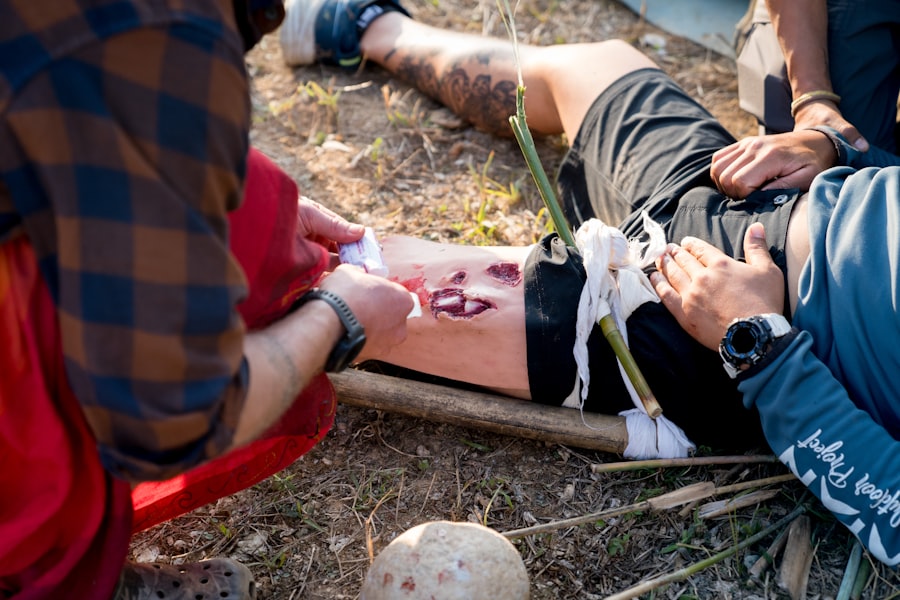
Trauma often leads to a disconnect from one’s own body. Your body may have been a source of pain or a place where violation occurred. Reconnecting with it in a safe and nurturing way is a vital part of healing. This isn’t about achieving a certain physique or engaging in strenuous activity; it’s about developing a gentle, curious, and compassionate relationship with your physical self.
Somatic Experiencing and Trauma-Informed Movement
Approaches like Somatic Experiencing focus on the body’s innate capacity for healing. It involves gently noticing and processing bodily sensations that are linked to traumatic memories. Trauma-informed yoga, dance, or even mindful walking can also be beneficial. The goal is to move from a place of being estranged from your body to one of partnership and understanding. You’re learning to listen to your body’s wisdom.
Nutrition and Sleep: Pillars of Well-being
Your physical health significantly impacts your emotional and mental state. Prioritizing nutritious food, adequate hydration, and consistent sleep is crucial. Complex trauma can disrupt sleep patterns, so creating a calming bedtime routine and optimizing your sleep environment can make a significant difference. These are foundational elements that can support your healing in profound ways.
Mindfulness and Body Awareness
Mindfulness practices, when adapted for trauma survivors, can help you develop a greater awareness of your body’s signals without judgment. This can be as simple as noticing your breath and the sensations in your body for a few minutes each day. The goal is to build a capacity for self-awareness without becoming overwhelmed. You are developing a language with your own physical being.
In exploring the complexities of trauma responses, particularly the fawning response, it is essential to understand how these behaviors manifest in individuals with complex trauma histories. A related article that delves deeper into this topic can be found on Unplugged Psych, which discusses the nuances of trauma responses and their impact on relationships and self-identity. For those interested in learning more about this intricate subject, you can read the article here. Understanding these dynamics can be crucial for both healing and personal growth.
Cultivating Connection and Support: The Strength in Shared Journeys
| Metrics | Data |
|---|---|
| Frequency of fawning response | High in individuals with complex trauma |
| Impact on relationships | Frequent fawning may lead to codependent relationships |
| Therapeutic interventions | Focus on building self-awareness and healthy boundaries |
| Associated symptoms | Anxiety, people-pleasing behavior, difficulty asserting oneself |
Healing from complex trauma is rarely a solitary endeavor. Connection with others, whether through therapy, support groups, or trusted relationships, is a powerful catalyst for recovery. It’s about finding your tribe, those who understand without needing extensive explanation, and those who offer unwavering support.
The Role of Professional Support
Therapy, particularly trauma-informed therapy, is a cornerstone of healing. A skilled therapist can provide a safe space for you to process your experiences, develop coping mechanisms, and begin to untangle the complex web of trauma’s impact. Different modalities, such as EMDR (Eye Movement Desensitization and Reprocessing), Trauma-Focused Cognitive Behavioral Therapy (TF-CBT), and Somatic Experiencing, can be particularly effective. You are not alone in seeking professional guidance.
The Power of Support Groups
Connecting with other survivors can be incredibly validating. Sharing your experiences with people who truly get it can reduce feelings of isolation and shame. Peer support offers a unique form of understanding and empathy that can be difficult to find elsewhere. You are finding resonance in shared stories.
Nurturing Healthy Relationships
As you heal and develop healthier boundaries and communication skills, you can begin to cultivate more supportive and authentic relationships. This might involve re-evaluating existing relationships and letting go of those that are no longer serving you, while investing in those that offer genuine connection and respect. It’s about building a network of care.
Self-Compassion: Your Fiercest Ally
Perhaps the most vital element of your healing journey is self-compassion. You’ve likely been incredibly hard on yourself. Learning to treat yourself with the same kindness, understanding, and patience you would offer a dear friend is paramount. Acknowledge your struggles, celebrate your small victories, and forgive yourself for past perceived failings. You are actively dismantling the harsh inner critic that trauma often fosters.
You have survived. This is not a passive statement; it is an active truth. The path to overcoming complex trauma is not linear, and it is certainly not easy. There will be days filled with immense struggle and days where you feel like you’ve taken a monumental step forward. This guide is a resource, a source of information, and a testament to your resilience. You possess an inner strength that has carried you this far, and with understanding, support, and consistent self-care, you can continue to move towards a life that is not defined by your trauma, but enriched by your profound capacity for healing and thriving. This is your journey, and you are powerful enough to navigate it.
FAQs
What is the fawning response in complex trauma?
The fawning response is a coping mechanism that individuals with complex trauma may develop in order to navigate threatening or unsafe situations. It involves seeking to please others and avoid conflict in order to ensure safety and security.
How does the fawning response manifest in individuals with complex trauma?
Individuals with complex trauma may exhibit the fawning response by being excessively accommodating, seeking approval, and avoiding confrontation. They may prioritize the needs of others over their own in order to maintain a sense of safety and avoid potential harm.
What are the potential consequences of the fawning response in complex trauma?
The fawning response can lead to individuals neglecting their own needs, experiencing difficulty setting boundaries, and struggling with assertiveness. This can result in feelings of resentment, low self-worth, and a lack of autonomy in relationships.
How can individuals with complex trauma address the fawning response?
Therapy, particularly trauma-focused therapy, can help individuals with complex trauma recognize and address the fawning response. Developing assertiveness skills, setting boundaries, and learning to prioritize their own needs can also be beneficial in addressing the fawning response.
What are some strategies for supporting individuals with complex trauma and the fawning response?
Supporting individuals with complex trauma and the fawning response involves creating a safe and validating environment, respecting their boundaries, and encouraging them to prioritize self-care and self-advocacy. Educating oneself about trauma and its impacts can also be helpful in providing effective support.