
Spiritual armor is a metaphorical concept that describes psychological and spiritual practices designed to provide emotional resilience and mental protection during difficult life circumstances. This framework draws from various religious and philosophical traditions that emphasize the development of inner strength through specific virtues and practices. The components of spiritual armor typically include several key elements that work together to create psychological stability.
Faith represents a foundational trust in one’s beliefs or higher purpose, providing direction during uncertainty. Hope involves maintaining optimism and forward-looking perspective despite current difficulties. Love encompasses compassion for oneself and others, fostering connection and reducing isolation.
Resilience refers to the ability to recover from setbacks and adapt to challenging situations. These elements function as protective mechanisms against negative emotions such as despair, anxiety, and hopelessness. Research in psychology supports the beneficial effects of these qualities, showing that individuals who cultivate faith, hope, and resilience demonstrate better stress management, improved mental health outcomes, and greater life satisfaction.
The practice of developing spiritual armor involves regular engagement with activities that strengthen these qualities, such as meditation, prayer, community involvement, and personal reflection.
Key Takeaways
- Spiritual armor represents the inner strength and protection derived from faith and mindfulness.
- Identifying and addressing weaknesses in your spiritual armor is essential for personal growth.
- Building a strong foundation involves cultivating a relationship with a higher power and practicing regular spiritual disciplines.
- Surrounding yourself with positive influences and seeking guidance from mentors enhances resilience and inner strength.
- Maintaining balance through mindfulness, gratitude, and caring for body, mind, and spirit supports overall well-being.
Identifying Weaknesses in Your Armor
While you may have a strong foundation of spiritual armor, it is essential to regularly assess its integrity. Just as a knight would inspect their armor for weaknesses before heading into battle, you must take the time to identify any vulnerabilities in your own spiritual defenses. This process requires introspection and honesty, as it can be uncomfortable to confront areas where you may feel less secure or confident.
Begin by reflecting on moments when you felt particularly challenged or vulnerable. Were there specific triggers that caused you to doubt yourself or your beliefs? Perhaps it was a difficult conversation, a personal loss, or even a moment of self-doubt.
By pinpointing these instances, you can better understand the areas where your armor may be lacking. This awareness allows you to take proactive steps to reinforce those weak spots, whether through additional practices, seeking support, or deepening your understanding of your beliefs.
Building a Strong Foundation
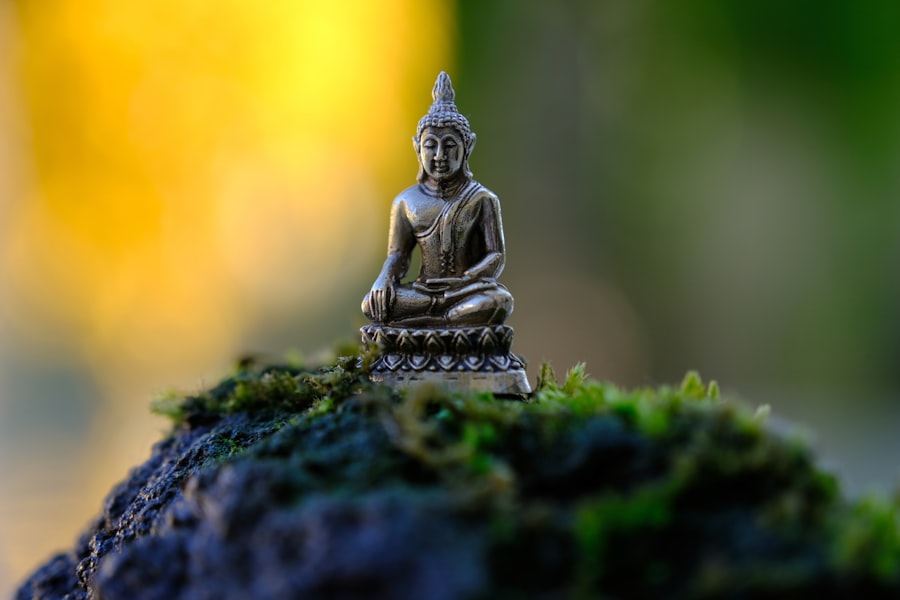
A strong foundation is crucial for any structure, and the same holds true for your spiritual armor. To build this foundation, consider what core beliefs and values resonate most deeply with you. These principles will serve as the bedrock upon which your spiritual armor is constructed.
Take time to explore what truly matters to you—whether it’s compassion, integrity, or a commitment to personal growth—and allow these values to guide your actions and decisions. In addition to identifying your core beliefs, it’s important to engage in practices that reinforce this foundation. This could involve reading spiritual texts that inspire you, participating in community service, or simply taking time for self-reflection.
By actively engaging with your values and beliefs, you create a solid base that strengthens your spiritual armor. This foundation not only protects you from external challenges but also fosters a sense of purpose and direction in your life.
Cultivating a Relationship with a Higher Power
For many, cultivating a relationship with a higher power is an integral part of building spiritual armor. This connection can provide comfort, guidance, and strength during difficult times. Whether you identify with a specific religious tradition or embrace a more personal understanding of spirituality, nurturing this relationship can significantly enhance your sense of security and resilience.
To deepen this connection, consider incorporating regular practices into your routine that foster this relationship. This might include prayer, attending religious services, or simply spending quiet moments in nature reflecting on the beauty of the world around you. As you cultivate this relationship, you may find that it becomes a source of strength during challenging times, providing you with the reassurance that you are never truly alone in your struggles.
Practicing Mindfulness and Meditation
| Spiritual Defense Mechanism | Description | Common Usage | Potential Benefits | Possible Drawbacks |
|---|---|---|---|---|
| Prayer | Communicating with a higher power for guidance and protection. | Daily personal or group practice during times of stress or uncertainty. | Provides comfort, reduces anxiety, and fosters a sense of connection. | May lead to passivity if relied on exclusively without action. |
| Meditation | Focused mental exercise to achieve spiritual clarity and calmness. | Used to center oneself and reduce negative thoughts or emotions. | Enhances emotional regulation and spiritual awareness. | Can cause avoidance of confronting real-world problems. |
| Faith Affirmations | Repeating positive spiritual statements to reinforce belief and resilience. | Employed during moments of doubt or fear. | Boosts confidence and strengthens spiritual identity. | May create denial of legitimate concerns or challenges. |
| Rituals | Structured spiritual practices performed to invoke protection or healing. | Used in ceremonies or personal routines to maintain spiritual balance. | Provides structure, meaning, and a sense of control. | Can become rigid or superstitious, limiting flexibility. |
| Spiritual Community Support | Seeking comfort and strength from a group sharing similar beliefs. | Engaged during crises or ongoing spiritual growth. | Offers social support and shared wisdom. | Risk of groupthink or exclusion of differing perspectives. |
Mindfulness and meditation are powerful tools for reinforcing your spiritual armor. These practices encourage you to remain present in the moment and cultivate awareness of your thoughts and feelings without judgment. By incorporating mindfulness into your daily routine, you can develop a greater understanding of yourself and your reactions to various situations.
Meditation offers an opportunity for deeper introspection and connection with your inner self. As you sit in stillness, focusing on your breath or a specific mantra, you create space for clarity and insight. This practice not only helps to calm the mind but also strengthens your spiritual armor by allowing you to process emotions and experiences more effectively.
Over time, regular mindfulness and meditation can enhance your resilience and ability to navigate life’s challenges with grace.
Surrounding Yourself with Positive Influences
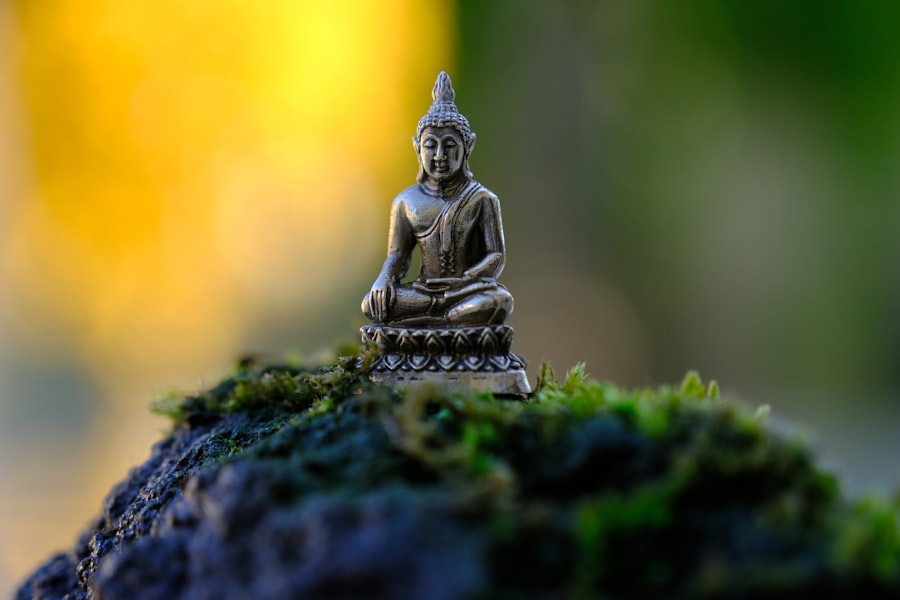
The people you surround yourself with play a significant role in shaping your spiritual journey. Positive influences can uplift and inspire you, while negative ones may drain your energy and weaken your armor. It’s essential to evaluate the relationships in your life and consider how they impact your overall well-being.
Seek out individuals who share similar values and aspirations, as they can provide encouragement and support on your path. Engaging with a community that fosters positivity can help reinforce your spiritual armor by reminding you of the goodness in the world. Whether it’s joining a local group focused on personal growth or simply spending time with friends who uplift you, surrounding yourself with positive influences can significantly enhance your resilience and sense of purpose.
Engaging in Regular Spiritual Practices
Regular spiritual practices are vital for maintaining the strength of your spiritual armor. These practices can take many forms—prayer, journaling, attending workshops, or participating in rituals that resonate with you. The key is consistency; by making these practices a regular part of your life, you create a rhythm that nurtures your spirit.
This could involve reading inspirational literature, engaging in creative expression, or simply reflecting on your experiences and growth.
Developing Resilience and Inner Strength
Resilience is an essential quality that fortifies your spiritual armor against adversity. It allows you to bounce back from setbacks and maintain a sense of hope even in challenging circumstances. To develop resilience, focus on building inner strength through self-awareness and self-compassion.
Start by acknowledging that setbacks are a natural part of life’s journey. Instead of viewing them as failures, see them as opportunities for growth and learning. Embrace challenges as chances to strengthen your character and deepen your understanding of yourself.
By cultivating this mindset, you empower yourself to face difficulties with courage and determination, reinforcing the strength of your spiritual armor.
Seeking Guidance and Support from Mentors
Mentorship can be an invaluable resource on your spiritual journey. A mentor can provide guidance, wisdom, and support as you navigate the complexities of life. Whether it’s a formal relationship with a teacher or simply seeking advice from someone whose journey inspires you, having someone to turn to can significantly enhance your spiritual growth.
When seeking mentorship, look for individuals who embody the qualities you aspire to cultivate within yourself. Their experiences and insights can offer valuable lessons that help reinforce your spiritual armor. Don’t hesitate to reach out for support when needed; having someone to lean on during challenging times can make all the difference in maintaining your resilience and sense of purpose.
Maintaining a Healthy Body, Mind, and Spirit
Your physical health is intricately connected to your spiritual well-being. When you prioritize self-care and maintain a healthy lifestyle, you create a solid foundation for your spiritual armor. This includes nourishing your body with wholesome foods, engaging in regular physical activity, and ensuring adequate rest.
In addition to physical health, nurturing your mental well-being is equally important. Engage in activities that stimulate your mind and promote emotional balance—whether it’s reading thought-provoking literature or practicing stress-reduction techniques like yoga or deep breathing exercises. By taking care of both body and mind, you create an environment where your spirit can thrive.
Embracing Gratitude and Positivity
Finally, embracing gratitude and positivity is essential for reinforcing your spiritual armor. Cultivating an attitude of gratitude allows you to focus on the abundance in your life rather than dwelling on what may be lacking. This shift in perspective can significantly enhance your overall well-being and resilience.
Consider keeping a gratitude journal where you regularly jot down things for which you are thankful—big or small. This practice not only helps shift your focus but also reinforces positive thinking patterns that strengthen your spiritual armor. By consciously choosing gratitude over negativity, you empower yourself to face life’s challenges with optimism and grace.
In conclusion, building and maintaining strong spiritual armor is an ongoing journey that requires dedication and self-awareness. By understanding its components, identifying weaknesses, cultivating relationships with higher powers, practicing mindfulness, surrounding yourself with positivity, engaging in regular practices, developing resilience, seeking mentorship, maintaining health, and embracing gratitude—you create a robust shield against life’s challenges that allows you to thrive spiritually.
In exploring the concept of spiritual defense mechanisms, it’s insightful to consider how individuals navigate their inner conflicts and emotional challenges through various coping strategies. A related article that delves deeper into this topic can be found on Unplugged Psych, which discusses the intersection of spirituality and psychological resilience. You can read more about it in their article here.
FAQs
What are spiritual defense mechanisms?
Spiritual defense mechanisms are psychological strategies or behaviors that individuals use to protect their spiritual beliefs, values, or sense of self from perceived threats or challenges. These mechanisms help maintain inner peace and emotional stability in the face of spiritual or existential stress.
How do spiritual defense mechanisms differ from psychological defense mechanisms?
While psychological defense mechanisms primarily protect the ego from anxiety and emotional pain, spiritual defense mechanisms specifically safeguard a person’s spiritual identity, faith, or worldview. They often involve practices or attitudes that reinforce spiritual resilience and coping.
Can spiritual defense mechanisms be both positive and negative?
Yes, spiritual defense mechanisms can be positive when they promote growth, understanding, and resilience. However, they can be negative if they lead to denial, avoidance, or rigid thinking that hinders personal or spiritual development.
What are some common examples of spiritual defense mechanisms?
Common examples include denial of spiritual doubts, projection of inner conflicts onto others, rationalization of spiritual experiences, and compartmentalization of conflicting beliefs. Practices like prayer, meditation, or seeking community support can also serve as healthy defense mechanisms.
Why is it important to recognize spiritual defense mechanisms?
Recognizing these mechanisms helps individuals become more self-aware and open to spiritual growth. It allows for healthier coping strategies and prevents stagnation or conflict arising from unexamined beliefs or fears.
Can spiritual defense mechanisms impact mental health?
Yes, they can impact mental health positively by providing comfort and meaning, or negatively if they lead to avoidance of important issues or create internal conflicts. Balanced use of spiritual defense mechanisms supports overall well-being.
How can one work on unhealthy spiritual defense mechanisms?
Working on unhealthy spiritual defense mechanisms involves self-reflection, seeking guidance from trusted spiritual mentors or counselors, and being open to questioning and evolving one’s beliefs in a supportive environment.
Are spiritual defense mechanisms universal across different religions?
While the specific expressions may vary, spiritual defense mechanisms are found across many religious and spiritual traditions as a natural part of how humans cope with existential challenges and maintain faith.