The Fundamental Drive for Connection: Navigating Social Rewards
Humans are inherently social creatures. From the earliest stages of development, our brains are wired to seek out and respond to social interactions. This innate drive underpins our ability to form bonds, cooperate, and thrive in communities. The pleasure derived from these social exchanges, often referred to as social reward, plays a crucial role in our well-being and motivation. It’s a complex interplay of emotions, cognitions, and physiological responses that shapes our behavior and contributes significantly to our overall happiness. When we engage in positive social interactions, such as receiving praise, feeling a sense of belonging, or experiencing genuine connection, our brains release a cascade of neurochemicals that promote feelings of pleasure, contentment, and even euphoria. This reward system is not simply a passive response; it actively motivates us to seek out and maintain these valuable social connections, reinforcing behaviors that foster relationships and community. Understanding the mechanisms behind social reward provides critical insights into human motivation, mental health, and the very fabric of our social existence.
The Neurological Underpinnings of Social Pleasure
At the heart of both social and drug rewards lies a shared, yet distinct, neurobiological pathway, primarily centered around the mesolimbic dopamine system. This system, often dubbed the “reward pathway,” is crucial for learning and motivation. When we experience something pleasurable, whether it’s a delicious meal, a thrilling accomplishment, or a warm embrace, dopamine is released in key brain regions, including the nucleus accumbens, ventral tegmental area (VTA), and prefrontal cortex. This dopamine surge signals that the experience is valuable and worth repeating, thus reinforcing the behavior that led to the reward. In the context of social interactions, positive feedback, social validation, and the feeling of belonging can all trigger this dopamine release. For example, receiving a smile from a stranger, a compliment from a friend, or the warmth of a hug can activate these reward circuits, making us feel good and encouraging us to engage in similar social behaviors in the future. This intrinsic reward system is fundamental to our social development, guiding us to build relationships and contribute to social groups, which have historically been vital for survival and reproduction.
The Nuances of Social Connection and Neurotransmitter Release
While dopamine is a central player, social rewards engage a wider array of neurochemicals and brain regions than purely instrumental rewards. Oxytocin, often referred to as the “bonding hormone,” plays a significant role in facilitating trust, empathy, and attachment. Its release is particularly stimulated by physical touch, eye contact, and nurturing interactions, strengthening social bonds and promoting feelings of closeness and security. Similarly, endorphins, the body’s natural painkillers, can be released during social activities like laughter or shared experiences, contributing to feelings of pleasure and well-being. The activation of the prefrontal cortex during social cognition allows us to process complex social cues, understand intentions, and regulate our social behavior. This intricate network of neurochemical and neural activity underscores the profound impact of social connection on our brain and emotional state. The subtle interplay of these neurotransmitters, modulated by the context and quality of social interaction, creates a rich and varied spectrum of positive emotional experiences that are fundamental to human flourishing.
The Impact of Social Isolation on Reward Pathways
Conversely, a lack of social connection, or social isolation, can have detrimental effects on these reward pathways. Chronic loneliness and social deprivation can lead to a blunting of the brain’s response to rewarding stimuli, including social ones. This diminished sensitivity can contribute to a cycle of further withdrawal and isolation, as individuals find it harder to experience pleasure from social interactions they once enjoyed. Research has shown that prolonged social isolation can alter dopamine receptor density and sensitivity, making it more challenging for the brain to process and experience reward. This neurochemical dysregulation can manifest as increased feelings of depression, anxiety, and a general anhedonia – the inability to experience pleasure. The brain’s reliance on social input for optimal functioning means that its absence can trigger stress responses and negatively impact mood regulation. Furthermore, studies using neuroimaging techniques have revealed that social exclusion can activate brain regions associated with physical pain, highlighting the profound and visceral impact of social disconnection. Understanding these consequences underscores the vital importance of maintaining robust social connections for both mental and physical health.
In exploring the intricate dynamics between social rewards and drug rewards, a related article that delves deeper into this topic can be found on Unplugged Psychology. This article discusses how social interactions can activate similar neural pathways as those stimulated by drug use, highlighting the potential for social rewards to serve as a healthier alternative to substance use. For more insights, you can read the article here: Unplugged Psychology.
The Allure of Altered States: Understanding Drug Rewards

The pursuit of pleasure is a powerful motivator, and for some, drugs of abuse offer a rapid and potent route to achieving this. Drug reward, unlike social reward, is characterized by an artificially amplified and often overwhelming activation of the brain’s pleasure pathways. Drugs of abuse hijack the mesolimbic dopamine system, causing an immense surge of dopamine far exceeding what natural rewards can elicit. This intense dopamine release creates a profound sense of euphoria and intense pleasure, which the brain quickly associates with the drug. This powerful association forms the basis of drug craving and the drive to repeat drug-taking behavior, even in the face of negative consequences. The immediacy and intensity of drug-induced pleasure can quickly overshadow the more subtle and gradual rewards derived from social interactions and other healthy activities. This hijacking of the reward system is a critical factor in the development and maintenance of addiction, as the brain becomes rewired to prioritize drug seeking above all else.
The Biochemical Manipulation of Pleasure Circuits
Drugs of abuse operate through diverse mechanisms, but their common thread is the disruption of the delicate balance of neurotransmitter systems, particularly dopamine. Stimulants like cocaine and amphetamines directly block the reuptake of dopamine, leading to its accumulation in the synapse and prolonged activation of the reward pathway. Opioids, on the other hand, bind to opioid receptors, indirectly increasing dopamine release by inhibiting inhibitory neurons. Cannabinoids, found in marijuana, also influence dopamine release through their interaction with cannabinoid receptors. These drugs essentially flood the brain with dopamine, creating an intense euphoric state that is far more powerful than natural rewards. This artificial surge bypasses the natural regulatory mechanisms that normally control dopamine levels, leading to an imbalance that drives compulsive drug-seeking behavior. The brain’s reward system, designed to motivate survival-related behaviors, is tricked into prioritizing drug use over essential needs like food, social connection, and safety.
The Rapid Escalation and Tolerance Formation
The potent and immediate nature of drug rewards often leads to rapid escalation in drug use. Initial doses may provide intense pleasure, but with repeated exposure, the brain adapts by reducing the number of dopamine receptors or decreasing dopamine production. This phenomenon, known as tolerance, means that increasingly larger doses of the drug are required to achieve the same euphoric effect. This escalating use further entrenches the drug-seeking behavior and can lead to a cycle of dependency. The brain’s attempt to restore homeostasis by down-regulating its dopamine system creates a deficit that drives the individual to seek more of the drug just to feel “normal” or to avoid withdrawal symptoms. This physiological adaptation, coupled with the psychological conditioning associated with the drug’s effects, makes it incredibly difficult to stop using, even when the individual recognizes the devastating consequences. The once-powerful pleasure derived from the drug can diminish, replaced by a desperate need to avoid the intense discomfort of withdrawal.
The Long-Term Neurobiological Changes
Beyond immediate effects and tolerance, chronic drug use can induce lasting neurobiological changes. These changes can affect not only the reward pathways but also areas of the brain responsible for decision-making, impulse control, and learning. The prefrontal cortex, crucial for executive functions, can become impaired, leading to poor judgment and an inability to resist drug cravings. The amygdala, involved in processing emotions, can become hypersensitive to drug-related cues, triggering intense cravings even in the absence of the drug. These persistent alterations can contribute to relapse, even after periods of abstinence, and can prolong the recovery process. The brain becomes structurally and functionally altered, making it a constant struggle to regain balance. This neuroadaptation is a testament to the power of these substances to fundamentally reshape brain circuitry, highlighting the profound and lasting impact of addiction.
The Shared Neurochemical Blueprint: Dopamine’s Central Role

The striking parallels in the neurochemical mechanisms underlying both social and drug rewards point to a common, yet distinct, evolutionary purpose. Dopamine, the celebrated neurotransmitter of pleasure and motivation, sits at the nexus of these two seemingly disparate systems. Its release in the mesolimbic pathway signals the salience of an event, driving us to seek out and repeat behaviors that are beneficial for our survival and well-being. Social interactions, from a comforting conversation to a shared laugh, trigger a moderate and sustained release of dopamine, reinforcing our innate need for connection. This gradual and rewarding feedback loop is essential for building social capital, fostering cooperation, and ensuring the continuation of our species. The brain’s capacity to generate pleasure from social interaction is a powerful evolutionary advantage, promoting pro-social behaviors and the formation of strong community bonds.
Dopamine as the Universal Signal of Value
Dopamine acts as a fundamental signal of value for the brain. When we encounter something that is deemed rewarding, whether it’s food, water, sex, or positive social feedback, dopamine neurons in the VTA fire, releasing dopamine into the nucleus accumbens and other forebrain areas. This surge of dopamine serves as a learning signal, reinforcing the association between the behavior and the reward. In the case of social rewards, the dopamine release is typically associated with the anticipation of social connection, the act of social engagement, and the positive outcome of that engagement. For example, the anticipation of seeing a loved one might trigger dopamine release, as does the warmth of their greeting. This dopamine signal helps us learn which social interactions are most beneficial and encourages us to pursue them.
The Differential Magnitude and Pattern of Release
While dopamine is involved in both, the magnitude and pattern of its release differ significantly between social and drug rewards. Natural rewards, including social ones, tend to elicit a more moderate and sustained release of dopamine. This controlled release allows for nuanced learning and integration with other cognitive and emotional processes. It supports the development of complex social skills and the ability to modulate social behavior based on context and outcome. In stark contrast, drugs of abuse often cause a massive and rapid surge of dopamine that dwarfs the levels achieved by natural rewards. This overwhelming dopamine flood overwhelms the brain’s natural regulatory mechanisms, creating an intense euphoric experience. This artificial super-stimulation hijacks the learning process, making the drug appear supremely valuable and driving compulsive use. The brain becomes hyper-sensitized to the drug, while becoming less responsive to natural reinforcers.
The Impact of Dopamine on Motivation and Learning
The differential dopamine release has profound implications for motivation and learning. The moderate dopamine release associated with social rewards encourages exploration and engagement with the social world, fostering the development of robust relationships and social skills. This type of reward is instrumental in building a sense of belonging and promoting prosocial behavior. The excessive and rapid dopamine surge caused by drugs, however, creates a powerful motivational drive that prioritizes drug seeking above all else. The brain learns that drugs are the most potent source of reward, leading to a redirection of motivational resources away from natural reinforcers. This altered motivational landscape is a hallmark of addiction, where the pursuit of the drug becomes the primary goal, often at the expense of other life activities and responsibilities. The learning process is skewed, prioritizing immediate drug gratification over long-term well-being.
The Brain’s Decision-Making Apparatus: Weighing the Rewards
The brain’s capacity to make decisions, particularly when faced with competing rewards, relies on a complex interplay of neural circuits that evaluate the potential gains and risks associated with different choices. When presented with the immediate and potent pleasure offered by drugs, these decision-making processes can become severely compromised, leading individuals to prioritize drug use over healthier, more sustainable forms of reward. This cognitive impairment is a critical factor in the development and perpetuation of addiction, as it undermines the individual’s ability to make rational choices that align with their long-term well-being. Understanding how the brain weighs these competing rewards is essential for developing effective interventions and prevention strategies.
The Prefrontal Cortex: The Executive Controller
The prefrontal cortex (PFC), the brain’s executive control center, plays a pivotal role in evaluating rewards, inhibiting impulses, and making long-term plans. In the context of competing rewards, the PFC assesses the value of each option, considering factors such as immediate gratification, potential risks, and long-term consequences. When the reward is a drug, the potent and rapid dopamine surge can overwhelm the PFC’s inhibitory signals, making it difficult to resist the impulse to use the drug. Chronic drug use can lead to structural and functional changes in the PFC, further impairing its ability to regulate behavior and make sound decisions. This erosion of executive function is a significant challenge in recovery, as individuals struggle to regain control over their impulses and make choices that support their sobriety. The ability to defer gratification and consider future outcomes is severely diminished.
The Influence of Immediate vs. Delayed Gratification
The brain generally exhibits a preference for immediate gratification over delayed rewards. This bias is amplified by the powerful, albeit short-lived, euphoria provided by drugs. While social rewards may offer long-term benefits like strong relationships and emotional support, their gratification is often delayed and more subtle. Drugs, on the other hand, offer an immediate and intense pleasure that can be highly compelling, especially for individuals experiencing distress or lacking fulfillment in other areas of their lives. This temporal discounting, where the value of a reward decreases with delay, makes drugs an especially attractive option. The brain’s reward system becomes re-calibrated to prioritize immediate relief and pleasure, even if it comes at a significant long-term cost. This shift in priorities can lead to a neglect of responsibilities, relationships, and personal health.
The Impact of Addiction on Reward Valuation
Addiction fundamentally alters how the brain values rewards. The constant exposure to drugs leads to a recalibration of the reward system, where drugs become disproportionately valued compared to natural rewards. This altered valuation can persist even after periods of abstinence, making individuals vulnerable to relapse. The brain’s internal “reward economy” becomes skewed, with the drug occupying the highest tier. This doesn’t mean that natural rewards cease to be pleasurable altogether, but their relative value diminishes significantly in the face of drug availability. Furthermore, the distress and anhedonia experienced during withdrawal can further exacerbate this imbalance, making the relief provided by the drug seem even more desirable. This warped perception of reward contributes to the compulsive nature of addiction, where the pursuit of the drug overrides the individual’s ability to appreciate or engage with other sources of pleasure and fulfillment. The very definition of what constitutes a “good outcome” is drastically altered.
Recent studies have explored the intriguing dynamics between social rewards and drug rewards, shedding light on how these two forms of reinforcement can influence behavior and decision-making. For a deeper understanding of this topic, you can read a related article that discusses the implications of these rewards on mental health and addiction recovery. The findings suggest that social interactions can serve as a powerful alternative to substance use, highlighting the importance of community support in overcoming addiction. To learn more about this fascinating subject, check out the article here.
Strategies for Balancing the Brain’s Pleasure Pathways
| Metric | Social Reward | Drug Reward |
|---|---|---|
| Neurotransmitter Involved | Dopamine, Oxytocin, Serotonin | Dopamine, GABA, Glutamate |
| Brain Regions Activated | Ventral Tegmental Area (VTA), Nucleus Accumbens, Prefrontal Cortex | Ventral Tegmental Area (VTA), Nucleus Accumbens, Amygdala |
| Duration of Reward Effect | Long-lasting, promotes social bonding | Short-term, often followed by tolerance |
| Behavioral Outcome | Increased social interaction and bonding | Reinforcement of drug-seeking behavior |
| Risk of Addiction | Low | High |
| Physiological Impact | Enhances immune function and stress resilience | Potential neurotoxicity and health deterioration |
| Motivational Drive | Promotes prosocial behavior and cooperation | Drives compulsive drug use and craving |
Recognizing the intricate interplay between social and drug rewards, and the brain’s vulnerability to the hijacking of its pleasure pathways, necessitates a multi-faceted approach to promoting well-being and preventing addiction. By understanding the neurobiological underpinnings of these systems, we can develop more effective strategies to foster healthy social connections, mitigate the allure of drugs, and support individuals in their recovery journeys. This involves not only addressing individual vulnerabilities but also creating societal conditions that promote genuine connection and reduce exposure to the risks associated with substance abuse. The goal is to rebalance the brain’s reward economy, making natural, sustainable sources of pleasure more appealing and accessible.
Cultivating Strong Social Support Networks
The inherent human need for social connection serves as a powerful buffer against the allure of drugs. Actively cultivating and nurturing strong social support networks provides individuals with a consistent source of natural rewards. Engaging in meaningful relationships, participating in community activities, and fostering a sense of belonging can all activate the brain’s pleasure pathways in a healthy and sustainable manner. These social interactions provide validation, emotional support, and a sense of purpose, which can effectively compete with the artificial euphoria offered by drugs. For individuals in recovery, a robust support system is often critical for maintaining sobriety and preventing relapse. The presence of caring individuals who offer encouragement and understanding can make the challenging process of overcoming addiction more manageable.
Promoting Healthy Coping Mechanisms and Resilience
Equipping individuals with healthy coping mechanisms for managing stress, adversity, and emotional pain is paramount in preventing the escalation of drug use. When individuals have effective strategies for dealing with life’s challenges, they are less likely to turn to drugs as a means of self-medication. This includes developing skills in mindfulness, stress reduction techniques, emotional regulation, and problem-solving. Building resilience, the ability to bounce back from setbacks, is also crucial. Individuals who are resilient are better equipped to navigate difficult experiences without resorting to destructive behaviors. Therapeutic interventions that focus on developing these skills can empower individuals to find pleasure and fulfillment in healthy ways, reducing their susceptibility to the appeal of drug-induced euphoria.
Early Intervention and Prevention Programs
Preventing drug addiction from taking root requires a proactive approach that begins with early intervention and comprehensive prevention programs. Educating young people about the risks associated with drug use, promoting critical thinking skills, and fostering healthy development are essential components of effective prevention. Early identification of individuals who may be at higher risk for substance abuse, due to genetic predisposition, environmental factors, or pre-existing mental health conditions, allows for timely support and intervention. These programs aim to strengthen the brain’s natural reward pathways and equip individuals with the knowledge and skills to make healthy choices, thereby reducing their vulnerability to the powerful and deceptive allure of drugs. By investing in prevention, society can mitigate the long-term costs associated with addiction and promote a healthier future for its citizens.
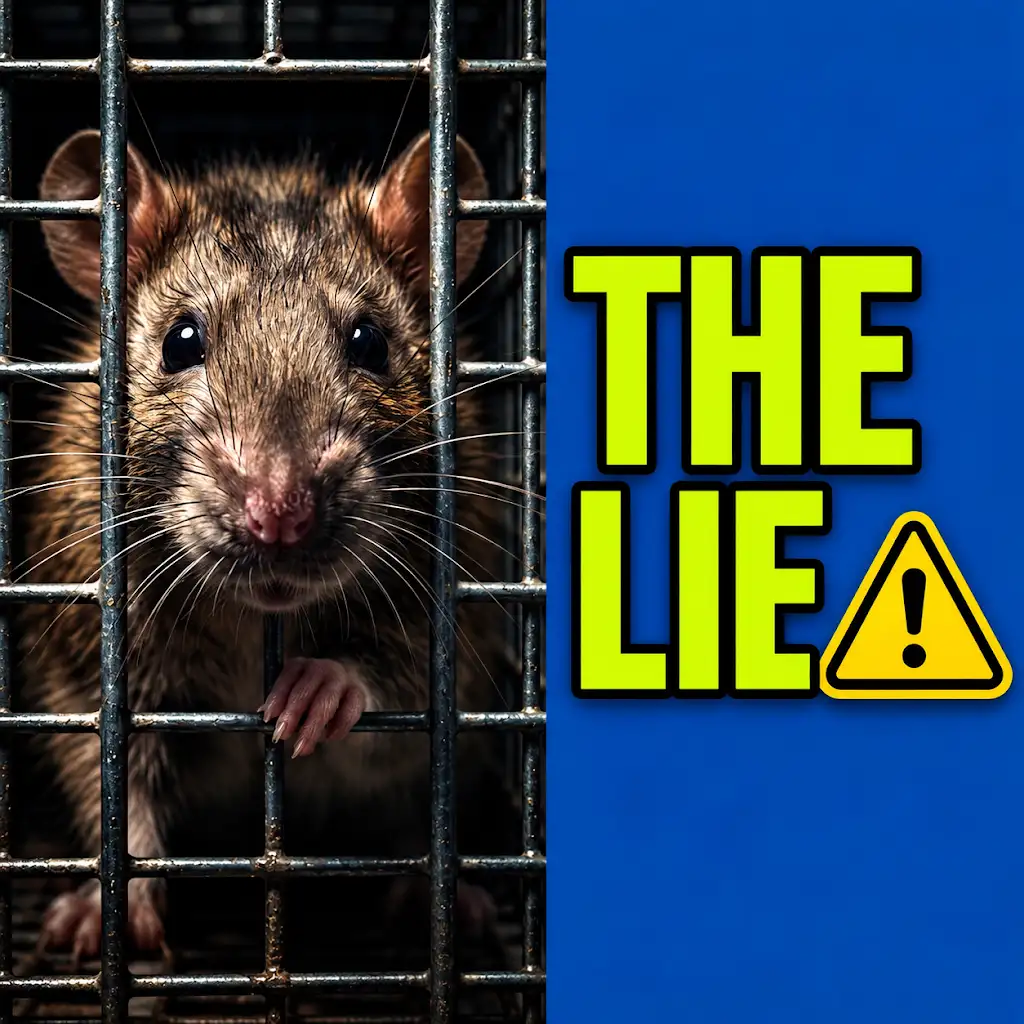
The Famous Addiction Experiment That Fooled Everyone
FAQs
What is social reward?
Social reward refers to the positive feelings and reinforcement that individuals experience when engaging in social interactions, such as receiving praise, support, or approval from others.
What is drug reward?
Drug reward, also known as substance reward, is the pleasurable feeling or reinforcement that individuals experience when consuming drugs or substances that affect the brain’s reward system, leading to a desire to repeat the behavior.
How do social reward and drug reward differ?
Social reward is derived from positive social interactions and relationships, while drug reward is obtained from the consumption of substances that directly affect the brain’s reward pathways, often leading to addiction and negative consequences.
What are some examples of social rewards?
Examples of social rewards include receiving compliments, feeling a sense of belonging in a group, experiencing emotional support from friends or family, and engaging in activities that promote social connection and bonding.
What are the potential risks associated with drug reward compared to social reward?
Drug reward can lead to addiction, physical and mental health issues, legal problems, and strained relationships, whereas social reward promotes emotional well-being, social support, and positive interpersonal connections that contribute to overall happiness and fulfillment.