
The hum of a second-grade classroom is often punctuated by the rustle of papers, the soft murmur of young voices, and the occasional enthusiastic exclamation. Within this dynamic environment, a subtle yet powerful phenomenon can significantly shape young learners’ trajectories: the Pygmalion Effect. This psychological principle, often referred to as a self-fulfilling prophecy, suggests that higher expectations placed upon individuals can lead to improved performance. In the context of second-grade education, where foundational academic and social skills are rapidly developing, the Pygmalion Effect, when intentionally cultivated by educators, can serve as a potent catalyst for substantial IQ gains. This article delves into how this effect manifests, the mechanisms through which it operates, the specific classroom strategies that foster it, and the measurable impact on young students’ cognitive development.
Understanding the Foundation of Beliefs
The Pygmalion Effect, named after the Greek myth of a sculptor whose statue of a woman came to life after he fell in love with it and wished for it to be real, posits that a person’s belief in another’s potential can, in turn, influence that person’s actual achievement. This is not about magical thinking; rather, it’s about the tangible ways in which expectations translate into actions and interactions. In an educational setting, this translates to how teachers perceive their students and the subsequent behaviors that arise from those perceptions. When a teacher genuinely believes a student possesses the capacity for growth and high achievement, even if that potential is not yet fully realized, they are more likely to create an environment conducive to that growth. Conversely, lower expectations can inadvertently lead to diminished opportunities and support, ultimately hindering a student’s progress. For second graders, a critical developmental stage characterized by increasing independence and a burgeoning understanding of their own abilities, these teacher beliefs can have an especially profound influence on their developing sense of self as learners.
The Science Behind the Expectation
The theoretical underpinnings of the Pygmalion Effect are rooted in social psychology and cognitive science. The theory suggests that expectations influence behavior through a cycle of subtle, often unconscious, interactions. These interactions can manifest in several key areas, all of which contribute to the student’s experience and performance. It’s not merely about telling a child they are smart; it’s about a complex interplay of communication, feedback, and opportunity. Researchers have identified distinct pathways through which these expectations are communicated and internalized. Understanding these pathways is crucial for educators seeking to harness the positive power of the Pygmalion Effect.
Subtle Behavioral Cues and Teacher-Student Interaction
One of the primary ways expectations are communicated is through non-verbal cues and differential interaction patterns. Teachers who hold high expectations for a student are more likely to exhibit warmer non-verbal behaviors. This can include more frequent eye contact, smiling, nodding, and leaning in towards the student during interactions. They may also spend more time with these students, offering more opportunities to respond and engage in classroom discussions. Conversely, students perceived to have lower potential might receive less eye contact, fewer opportunities to speak, and less patient attention to their responses. These subtle cues, though often unintentional, can be powerfully interpreted by young children, shaping their perception of their own abilities and their place in the classroom. A child who consistently receives less attention or fewer chances to participate may begin to internalize the message that they are less capable or less important, leading to disengagement and reduced effort.
Differential Feedback and Reinforcement
The nature of feedback provided to students is another critical channel through which expectations are conveyed. Teachers with higher expectations tend to provide more specific, constructive, and encouraging feedback. They might offer more elaborations on answers, provide hints to guide students towards correct solutions, and praise effort and improvement alongside correct answers. Students who are perceived to have lower potential might receive less detailed feedback, more direct correction, or even a sense of being “given up on” when they struggle. This differential feedback loop can significantly impact a student’s learning process. Positive and encouraging feedback reinforces desired behaviors and builds confidence, while vague or negative feedback can lead to frustration and a reluctance to take academic risks. For second graders, who are still developing their metacognitive skills and learning to self-regulate their learning, this type of guidance is paramount.
Curriculum and Task Assignment
The types of tasks and the complexity of the curriculum presented to students can also be influenced by teacher expectations. Teachers who believe in a student’s potential are more likely to assign them challenging and engaging tasks that encourage critical thinking and problem-solving. They may also provide more scaffolding and support to help these students succeed with more demanding assignments. Students perceived to have lower potential might be given less challenging work, or work that is more rote and less likely to foster deep understanding. This can lead to a widening achievement gap, as some students are consistently exposed to material that pushes their cognitive boundaries while others are not. In second grade, this can mean being exposed to more complex reading passages, more intricate math problems, or more open-ended creative projects, all of which contribute to cognitive development.
The concept of IQ gains in second graders, often associated with the Pygmalion effect, highlights how teacher expectations can significantly influence student performance. A related article that delves deeper into this phenomenon and its implications for educational practices can be found at Unplugged Psychology. This resource provides valuable insights into how fostering a positive learning environment can enhance cognitive development in young learners.
Cultivating a Culture of High Expectations

The realization of the Pygmalion Effect is not an automatic outcome; it requires conscious effort and strategic implementation by educators. Creating a classroom environment where high expectations are the norm, and where every child feels capable of meeting them, is a deliberate process. This involves fostering a growth mindset, providing equitable opportunities, and building strong teacher-student relationships. The focus shifts from identifying deficits to nurturing potential, creating a positive feedback loop that fuels academic and intellectual growth. Educators must become architects of belief, intentionally designing their classrooms to foster this powerful psychological phenomenon.
The Power of Growth Mindset
A cornerstone of fostering the Pygmalion Effect is the cultivation of a growth mindset among students. This psychological framework, popularized by Carol Dweck, posits that intelligence and abilities are not fixed but can be developed through dedication and hard work. When teachers embrace and explicitly teach a growth mindset, they communicate to students that challenges are opportunities for learning, effort is the path to mastery, and setbacks are temporary. This directly counteracts the potential for low expectations to become self-limiting beliefs. For second graders, who are often grappling with the concept of failure for the first time in a significant way, understanding that mistakes are a natural part of learning can be transformative. Teachers can model this mindset by framing their own learning processes, discussing challenges they face, and celebrating effort and persistence.
Explicitly Teaching the Brain’s Plasticity
Educators can actively teach second graders about the concept of brain plasticity. This involves explaining, in age-appropriate terms, that their brains are like muscles that grow stronger with use. Using analogies, such as a computer program that can be updated or a garden that can be cultivated, can help children grasp this idea. When students understand that their ability to learn and their intelligence are not predetermined, they become more willing to tackle difficult tasks and persist when faced with challenges. Teachers can use stories, visual aids, and interactive activities to reinforce this message. For example, a teacher might share the story of a famous inventor who faced many failures before achieving success, highlighting the role of perseverance.
Celebrating Effort and Process Over Innate Ability
In classrooms guided by the Pygmalion Effect, the emphasis shifts from praising innate intelligence to celebrating effort, strategies, and the learning process itself. Instead of saying, “You’re so smart,” a teacher might say, “I’m so impressed with how hard you worked on that problem,” or “That was a clever strategy you used to figure that out.” This subtle but significant shift in language reinforces the idea that success is a result of deliberate effort and effective strategies, rather than a fixed trait. For second graders, this encouragement of effort can be particularly impactful, as it empowers them to take ownership of their learning and develop resilience when faced with academic hurdles. They learn that they have agency in their own intellectual development.
Equitable Opportunities and Differentiated Support
Ensuring that all students have access to challenging and engaging learning experiences is paramount to activating the Pygmalion Effect. This requires a commitment to equitable opportunities, where no child is inadvertently excluded from advanced learning due to preconceived notions of their ability. Differentiated support plays a crucial role in this, providing each student with the resources and assistance they need to succeed. This is not about lowering expectations for some, but about providing the right scaffolding to help all students reach higher.
Tailoring Instruction to Meet Diverse Needs
Effective differentiation involves understanding the unique learning profiles of each student and tailoring instruction accordingly. This might involve providing different levels of complexity in assignments, offering various modalities for learning (e.g., visual, auditory, kinesthetic), and providing individualized support as needed. When teachers believe in all their students’ potential, they are more inclined to invest the time and effort required for thoughtful differentiation. For second graders, this could mean providing more hands-on activities for those who benefit from tactile learning, offering sentence starters for students who struggle with writing, or providing extension activities for those who quickly grasp concepts. The goal is to provide personalized pathways to learning, not to create separate curricula based on perceived ability.
Providing Targeted Interventions and Enrichment
The Pygmalion Effect thrives when students receive both targeted interventions for areas of struggle and enrichment opportunities for areas of strength. For students who are falling behind, timely and effective interventions, delivered with the belief that they can catch up, are essential. Similarly, students who are excelling should be provided with opportunities to deepen their understanding and explore advanced concepts. This balance ensures that all students are challenged and supported, fostering a sense of continuous growth and development. In second grade, this might involve small group tutoring for students struggling with phonics, or project-based learning opportunities for those who have mastered grade-level reading comprehension.
Building Positive Teacher-Student Relationships
At the heart of the Pygmalion Effect is the teacher-student relationship. A strong, positive relationship built on trust and mutual respect can amplify the impact of high expectations. When students feel seen, valued, and understood by their teachers, they are more receptive to guidance and more motivated to meet those expectations. This is especially true for young learners who are developing their social and emotional skills alongside their academic ones.
Active Listening and Genuine Interest
Teachers who demonstrate genuine interest in their students’ lives, thoughts, and feelings create a more supportive learning environment. This involves active listening, asking open-ended questions, and remembering details about students’ interests and experiences. When a teacher shows they care, students are more likely to feel safe taking academic risks and are more receptive to feedback. For second graders, this might mean asking about their weekend, remembering their favorite animal, or acknowledging their achievements outside of school. These small gestures build rapport and foster a sense of connection.
Creating a Safe and Encouraging Classroom Climate
A classroom climate that is safe, encouraging, and free from judgment is essential for the Pygmalion Effect to flourish. Students need to feel comfortable making mistakes, asking questions, and expressing their ideas without fear of ridicule. Teachers can foster this climate by establishing clear expectations for respectful behavior, modeling empathy, and consistently reinforcing positive interactions. When students feel a sense of belonging and psychological safety, they are more likely to engage actively in their learning and be open to the high expectations set by their teacher.
The Measurable Impact on Second Grade Cognition
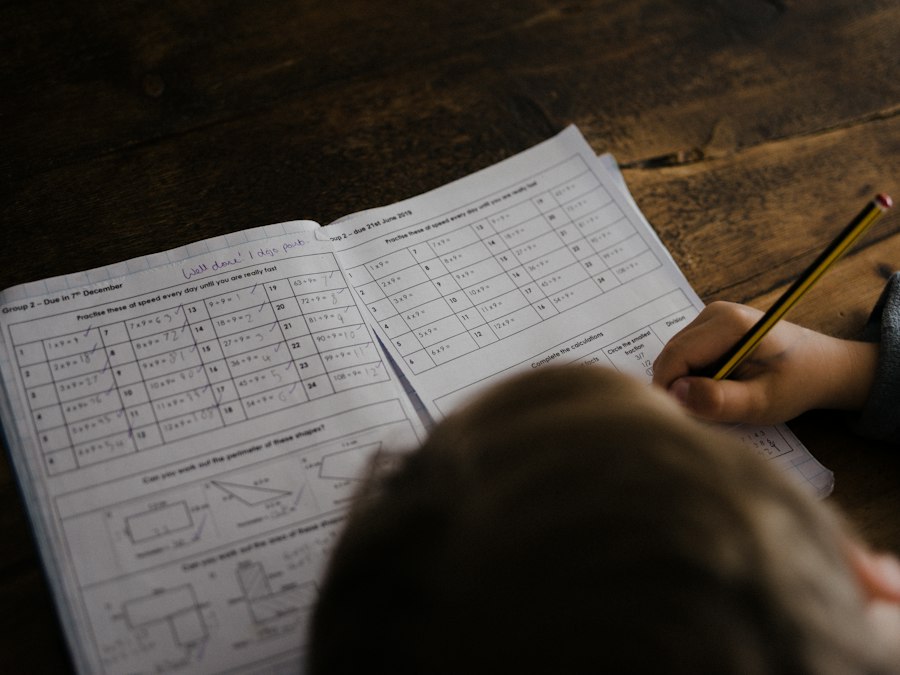
The benefits of the Pygmalion Effect extend beyond general academic performance, demonstrably influencing the very cognitive skills that underpin intellectual development. For second graders, this stage is crucial for solidifying foundational reasoning abilities, problem-solving skills, and executive functions. When teachers foster high expectations, the positive ripple effect can be observed in measurable improvements across these critical domains, leading to demonstrable IQ gains.
Enhancing Problem-Solving and Critical Thinking Skills
The Pygmalion Effect directly contributes to the development of problem-solving and critical thinking abilities in young learners. When teachers believe in a student’s capacity to tackle complex challenges, they are more likely to present them with problems that require higher-order thinking. This might involve word problems in mathematics that demand multiple steps and strategic approaches, or science inquiries that encourage observation, hypothesis formation, and conclusion drawing. By providing appropriate scaffolding and encouragement, teachers empower students to persevere through these challenges, thereby honing their analytical and critical thinking skills. A second grader who is consistently encouraged to “think outside the box” and is given opportunities to grapple with open-ended questions is more likely to develop robust problem-solving strategies and a more sophisticated understanding of concepts. This continuous engagement with challenging material directly contributes to a higher IQ by strengthening neural pathways associated with reasoning and logic.
Exposure to Complex Tasks and Scaffolding
When teachers hold high expectations, they are more likely to expose students to complex tasks that go beyond rote memorization. These tasks might involve analyzing information, synthesizing ideas, or making predictions. Crucially, these challenging tasks are not presented without support. Teachers who believe in their students’ potential will provide scaffolding, such as graphic organizers, step-by-step guides, or peer collaboration opportunities, to help them navigate these more demanding activities. This combination of challenge and support allows students to stretch their cognitive abilities and develop a deeper understanding of concepts. For example, a teacher might present a complex science experiment with clear, but not overly simplistic, instructions, and then guide students through the observation and analysis phases, prompting them to ask “why” and “how.”
Encouraging Inquiry-Based Learning Approaches
The Pygmalion Effect thrives in environments that encourage inquiry-based learning. When teachers believe that their students are capable of independent exploration and discovery, they are more likely to design lessons that invite questions and encourage students to seek out their own answers. This approach shifts the focus from passive reception of information to active engagement in the learning process. Second graders who are encouraged to ask questions, formulate hypotheses, and test their ideas develop a stronger sense of intellectual curiosity and a more sophisticated approach to problem-solving. This type of engagement nurtures the very cognitive flexibility and creativity that are hallmarks of higher IQ. For instance, instead of simply telling students about the life cycle of a butterfly, a teacher might provide them with resources and encourage them to research and present their findings, fostering a deeper, more critical understanding.
Strengthening Working Memory and Information Processing
The sustained engagement and cognitive effort fostered by the Pygmalion Effect also contribute to improvements in working memory and information processing speed. When students are consistently challenged and supported to engage with complex material, their ability to hold and manipulate information in their minds strengthens. This is akin to exercising a muscle; the more it is used effectively, the stronger it becomes. For second graders, this translates to a greater capacity to follow multi-step instructions, remember details from a story, and solve more intricate mathematical problems.
Repeated Engagement with Stimulating Content
The Pygmalion Effect encourages teachers to provide students with ample opportunities to engage with stimulating and intellectually demanding content. This repeated exposure, coupled with the teacher’s belief in the student’s ability to comprehend and retain this information, helps to build robust neural connections. When students are consistently presented with material that pushes their boundaries, their working memory becomes more efficient at storing and retrieving information. In a second-grade classroom, this could manifest as more challenging reading comprehension passages, more complex multiplication problems, or more in-depth discussions about historical events. The sustained engagement with these types of materials directly strengthens the underlying cognitive mechanisms.
Developing Cognitive Load Management Strategies
As students are exposed to more complex information and tasks, they naturally begin to develop strategies for managing cognitive load. This involves learning to break down large problems into smaller, more manageable steps, to prioritize information, and to employ memory aids. When teachers hold high expectations, they provide the necessary encouragement and modeling for students to develop these crucial cognitive load management strategies. For second graders, this might involve learning to use checklists for completing assignments, developing mnemonic devices to remember facts, or practicing self-monitoring techniques to ensure they are on track. The ability to effectively manage cognitive load is a significant indicator of higher cognitive functioning and contributes to overall IQ gains.
Fostering Intellectual Curiosity and a Love for Learning
Perhaps one of the most profound and enduring impacts of the Pygmalion Effect is the cultivation of intellectual curiosity and a genuine love for learning. When children experience consistent academic success, fueled by high expectations and supportive environments, they begin to associate learning with positive emotions and a sense of accomplishment. This intrinsic motivation is a powerful driver of lifelong learning and intellectual growth, contributing significantly to a child’s overall cognitive development and ultimately their IQ.
Creating an Environment of Discovery and Exploration
A classroom that embraces the Pygmalion Effect is one where discovery and exploration are encouraged. Teachers who believe in their students’ capacity for learning are more likely to create opportunities for hands-on experiments, research projects, and creative endeavors. This allows students to follow their own interests, ask their own questions, and discover knowledge in a way that is personally meaningful and engaging. For second graders, this might involve setting up a classroom “science lab” where they can explore different materials, or dedicating time for “passion projects” where they can delve into topics that pique their interest. This sense of agency and ownership over their learning ignites a spark of curiosity that can last a lifetime.
Empowering Students to Become Lifelong Learners
The ultimate goal of education is to empower individuals to become lifelong learners. The Pygmalion Effect, by fostering a sense of competence, confidence, and enjoyment in learning, lays a strong foundation for this. When second graders experience the joy of intellectual discovery and the satisfaction of overcoming challenges, they are more likely to approach future learning opportunities with enthusiasm and a proactive mindset. This intrinsic motivation is the bedrock of continuous intellectual growth and development, leading to sustained IQ gains throughout their academic careers and beyond. A child who believes they are capable of learning and enjoys the process of acquiring new knowledge is well-equipped to navigate the complexities of the modern world.
Practical Implementations in the Second Grade Classroom
Translating the theoretical understanding of the Pygmalion Effect into tangible classroom practices requires a conscious and strategic approach. Educators must be equipped with practical strategies that can be integrated into their daily routines to foster high expectations and support student success. These strategies are designed to create a positive feedback loop where belief in potential leads to improved performance, which in turn reinforces that belief.
Proactive Assessment and Data-Informed Instruction
While the Pygmalion Effect emphasizes belief, it is crucial to ground these beliefs in evidence and informed practice. Proactive assessment allows teachers to understand each student’s starting point, identify areas of strength and challenge, and tailor their instructional approach accordingly. This data is not used to label students but to inform interventions and enrichment opportunities, ensuring that high expectations are met with appropriate support.
Using Formative Assessments to Gauge Understanding
Formative assessments, such as quick checks for understanding, exit tickets, and observation during activities, are invaluable tools for second-grade teachers. These ongoing assessments provide real-time data on student comprehension, allowing teachers to identify misunderstandings and adjust their instruction promptly. When a teacher uses formative data to identify a student who is struggling and then provides targeted support, they are demonstrating a belief in that student’s ability to overcome the challenge. This proactive approach prevents students from falling behind and reinforces the message that the teacher is invested in their success. For example, if a teacher notices several students are struggling with a particular math concept during a lesson, they might pause and provide a brief re-teaching session or a small group activity to clarify the concept before moving on.
Differentiating Instruction Based on Individual Needs
The insights gained from formative assessments directly inform differentiated instruction. When teachers understand the diverse learning needs within their classroom, they can provide a range of instructional strategies and support mechanisms. This ensures that every student, regardless of their starting point, is challenged and supported to reach their potential. For instance, a student who has mastered a concept might be given an extension activity that requires them to apply the concept in a new context, while a student who is struggling might receive additional practice or a different explanation of the material. This tailored approach is a direct manifestation of high expectations for all learners.
Intentional Language and Positive Affirmations
The words teachers use can have a profound impact on a child’s self-perception and motivation. Intentional language and positive affirmations, when delivered authentically, can reinforce the Pygmalion Effect by building student confidence and fostering a growth mindset. This goes beyond generic praise and involves specific, encouraging feedback that highlights effort and progress.
Specific and Encouraging Feedback
Instead of general praise like “good job,” teachers should offer specific feedback that acknowledges the effort and strategies employed by the student. For example, a teacher might say, “I noticed you used your reading strategies to sound out that difficult word. That was a great effort!” or “Your drawing shows a lot of detail; I can see you worked carefully to add all those elements.” This type of feedback not only validates the student’s work but also provides them with valuable insights into what made their success possible. This is crucial for second graders who are still developing their understanding of what constitutes effective learning strategies.
Reinforcing a Growth Mindset Through Language
Teachers can actively reinforce a growth mindset by framing challenges as opportunities for learning and praising effort and perseverance. When a student makes a mistake, a teacher can respond with, “That’s okay, everyone makes mistakes. What can we learn from this?” or “This problem is tricky, but I know you can figure it out with some more practice.” This language communicates belief in the student’s ability to improve and learn from setbacks, rather than attributing failure to a lack of inherent ability. This is particularly important for young learners who may be experiencing failure for the first time and could become discouraged.
Fostering Collaboration and Peer Support
The Pygmalion Effect is not solely dependent on the teacher-student dynamic; it can also be amplified through peer interactions. When students are encouraged to collaborate and support each other, they can learn from one another, build confidence, and reinforce positive academic attitudes within the classroom community.
Collaborative Learning Activities
Designing activities where students work together towards a common goal can foster a sense of shared responsibility and mutual support. This might include group projects, partner reading, or problem-solving tasks that require teamwork. When students are encouraged to help each other, they not only solidify their own understanding but also develop valuable social skills and learn to appreciate the diverse strengths of their peers. For second graders, these collaborative experiences can be a powerful way to build confidence and a sense of belonging within the classroom.
Peer Tutoring and Mentorship
Opportunities for peer tutoring and mentorship can be highly effective in reinforcing high expectations. When a student who has grasped a concept is given the opportunity to explain it to a peer, they solidify their own understanding and experience the satisfaction of being a knowledgeable helper. Conversely, the student receiving the explanation often benefits from the peer’s relatable communication style. This creates a positive cycle where both students feel valued and capable. Teachers can structure these opportunities carefully, ensuring that both tutors and tutees benefit from the experience and that the emphasis remains on collaborative learning and mutual growth.
Research on the Pygmalion effect highlights how teacher expectations can significantly influence student performance, particularly in young learners. A related article discusses the remarkable IQ gains observed in second graders when educators foster a positive learning environment. This phenomenon underscores the importance of belief in a child’s potential, which can lead to enhanced academic outcomes. For more insights on this topic, you can read the full article here.
The Long-Term Implications and Ethical Considerations
| Study | Sample Size | Grade Level | IQ Gain (Points) | Intervention | Duration | Notes |
|---|---|---|---|---|---|---|
| Rosenthal & Jacobson (1968) | 18 classes, 650 students | 2nd Grade | 8-10 | Teacher Expectation Manipulation (Pygmalion Effect) | 1 Academic Year | Students labeled as “bloomers” showed significant IQ gains |
| Jussim & Harber (2005) Meta-Analysis | Multiple studies | Elementary Grades | 2-5 (average) | Teacher Expectation Effects | Varied | Smaller but consistent IQ gains observed |
| Good & Brophy (1970) | 200 students | 2nd Grade | 5-7 | Teacher Expectation Intervention | 1 Academic Year | Positive teacher expectations linked to improved IQ scores |
| Rosenthal (1994) Follow-up | Subset of original sample | 2nd Grade | 6-9 | Teacher Expectation | 1 Academic Year | Replicated initial findings with similar IQ gains |
The positive impact of the Pygmalion Effect on second-grade IQ gains is not merely a short-term academic boost; it has profound long-term implications for students’ educational trajectories and overall life success. However, the intentional cultivation of this phenomenon also necessitates careful consideration of ethical responsibilities to ensure it is implemented equitably and without unintended negative consequences.
Sustained Academic Achievement and Confidence
The cognitive benefits reaped by second graders who experience the Pygmalion Effect extend far beyond the elementary years. The enhanced problem-solving abilities, strengthened working memory, and fostered intellectual curiosity translate into a sustained capacity for academic achievement throughout their educational journey. Students who enter middle school and high school with a robust foundation of confidence in their learning abilities are better equipped to tackle increasingly complex curricula, engage in critical thinking, and pursue higher education. The initial boost in IQ observed in second grade can thus serve as a powerful predictor of future academic success, opening doors to a wider range of opportunities.
Higher Likelihood of College and Career Success
Research consistently indicates a correlation between strong foundational cognitive skills and successful outcomes in higher education and subsequent careers. The development of critical thinking, analytical reasoning, and effective learning strategies in early elementary grades, nurtured by the Pygmalion Effect, equips students with the essential tools for navigating the demands of college-level coursework and the ever-evolving professional landscape. Individuals who are confident in their ability to learn and adapt are more resilient in the face of challenges and more likely to pursue fulfilling and impactful careers. This emphasizes the critical role that early educational experiences, particularly those that foster a belief in potential, play in shaping an individual’s lifelong trajectory.
Development of Intrinsic Motivation and Resilience
Beyond academic metrics, the Pygmalion Effect cultivates intrinsic motivation and resilience, qualities that are invaluable for lifelong success. When students repeatedly experience success through effort and dedicated support, they develop a deep-seated belief in their own capabilities. This intrinsic drive to learn and achieve, coupled with the resilience to overcome obstacles, empowers them to embrace challenges and persevere in the face of adversity. This emotional and psychological fortitude is as crucial as cognitive ability in navigating the complexities of life and achieving personal fulfillment.
Ethical Imperatives and Avoiding Bias
While the Pygmalion Effect can be a powerful force for good, its application requires a keen awareness of ethical considerations. The principle of high expectations must be applied equitably to all students, regardless of their background, demographics, or perceived abilities. Unconscious biases can inadvertently lead to differential expectations, undermining the very essence of the Pygmalion Effect and potentially perpetuating existing inequalities.
Ensuring Equity and Avoiding Unconscious Bias
Educators must actively work to identify and mitigate any unconscious biases they may hold regarding race, gender, socioeconomic status, or learning differences. This requires ongoing professional development, self-reflection, and a commitment to treating every student with the belief that they possess the capacity for growth and achievement. When high expectations are truly universal, the Pygmalion Effect becomes a powerful tool for promoting equity and ensuring that all students have the opportunity to reach their full potential. This means consciously challenging assumptions and seeking out individual strengths and potentials in every child.
The Importance of Authentic Belief and Support
The Pygmalion Effect is most potent when the teacher’s belief in a student’s potential is authentic and backed by genuine support. Simply stating high expectations without providing the necessary resources, encouragement, and differentiated instruction can be detrimental. Educators must be committed to understanding the individual needs of their students and providing the scaffolding required to help them succeed. This commitment to authentic belief and unwavering support is the ethical bedrock upon which the positive impact of the Pygmalion Effect is built. It is about fostering a genuine partnership in the learning journey, where both teacher and student are invested in the pursuit of growth and achievement.

The Famous IQ Study That Fooled the World
FAQs
What is the Pygmalion effect in relation to second grade IQ gains?
The Pygmalion effect refers to the phenomenon where higher expectations lead to an increase in performance. In the context of second grade IQ gains, this means that when teachers have high expectations for their students, the students are more likely to show greater intellectual growth.
How can teachers influence second grade IQ gains through the Pygmalion effect?
Teachers can influence second grade IQ gains through the Pygmalion effect by setting high expectations for their students, providing challenging tasks, offering support and encouragement, and believing in the students’ potential to succeed.
What are some practical strategies for teachers to apply the Pygmalion effect in the classroom?
Some practical strategies for teachers to apply the Pygmalion effect in the classroom include providing positive feedback, using growth mindset language, creating a supportive and inclusive learning environment, and offering opportunities for students to excel and showcase their abilities.
Can the Pygmalion effect have a long-term impact on second grade IQ gains?
Yes, the Pygmalion effect can have a long-term impact on second grade IQ gains. When students experience high expectations and support from their teachers, they are more likely to develop a positive self-concept, motivation to learn, and a growth mindset, which can lead to sustained intellectual growth over time.
What research supports the relationship between the Pygmalion effect and second grade IQ gains?
Research studies have shown that the Pygmalion effect can significantly influence second grade IQ gains. Studies have demonstrated that when teachers have high expectations for their students, the students tend to perform better academically and show greater intellectual development compared to when teachers have lower expectations.