The Unfolding Enigma: Identical Quadruplets and the Genetic Tapestry of Schizophrenia
The human genome, a vast and intricate instruction manual, holds the blueprints for life. While much of its complexity is shared, subtle variations contribute to the unique tapestry of each individual. For identical twins, their genetic code is virtually indistinguishable, making them invaluable subjects for research into the interplay of genes and environment. When this biological similarity extends to quadruplets, the potential for understanding genetic predispositions, particularly for complex conditions like schizophrenia, becomes exponentially amplified. The case of a set of identical quadruplets, all diagnosed with schizophrenia, presents a profound and rare opportunity to delve into the genetic underpinnings of this debilitating mental illness. This scenario, though statistically improbable, offers a unique window into the biological forces that can shape an individual’s susceptibility to such a challenging disorder.
The rarity of identical quadruplets itself is a striking statistical anomaly. The chances of conceiving identical quadruplets are incredibly low, estimated to be in the range of one in tens of millions. This necessitates a discussion of the biological mechanisms that lead to such a phenomenon, a prelude to understanding how these genetically identical individuals can manifest the same complex psychiatric condition. The convergence of such extreme biological rarity with the development of a multifaceted disorder like schizophrenia in all four siblings raises critical questions about gene-environment interactions, epigenetic modifications, and the stochastic nature of neurological development.
Recent research has shed light on the intriguing relationship between genetics and schizophrenia, particularly in the context of identical quadruplets. A fascinating article explores how the shared genetic makeup of these quadruplets can provide insights into the heritability of schizophrenia and the environmental factors that may influence its onset. For more information on this topic, you can read the full article here: Understanding Schizophrenia in Identical Quadruplets.
Unpacking the Genetic Lottery: The Genesis of Identical Quadruplets
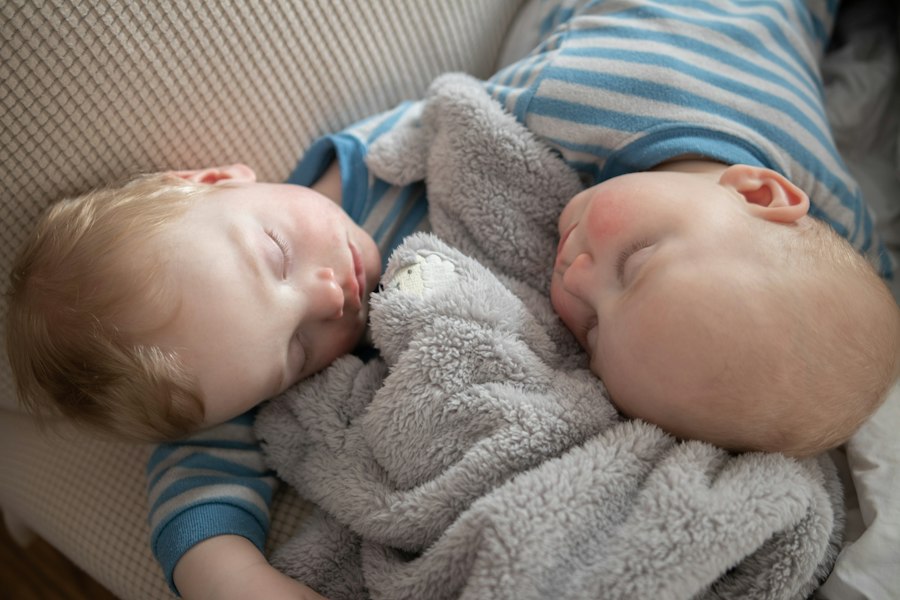
The formation of identical quadruplets is a fascinating biological process, and understanding its nuances is crucial for appreciating the subsequent genetic implications. Unlike fraternal quadruplets, which arise from the fertilization of multiple eggs by multiple sperm, identical quadruplets originate from a single fertilized egg that undergoes a very specific and unusual division.
The Marvel of Monozygotic Division
The journey begins with a single zygote, the initial cell formed by the union of one sperm and one egg. For identical quadruplets to form, this single zygote must split, and then each resulting embryo must split again, or a single split must occur very early, followed by further divisions. The precise timing and manner of these splittings are key. Typically, identical twins arise from a zygote that splits within the first few days after fertilization. For quadruplets, the process is more complex. One proposed mechanism involves a very early splitting of the zygote into two, followed by each of those two embryos splitting again. Another possibility is a more staggered splitting process where the initial division leads to two embryos, and then one of those splits further, and then the other splits. The exact number of division events and their timing can influence the placentation and membrane structure of the quadruplets, but the fundamental principle remains: all genetic material originates from that single, initial zygote. This means that, barring rare somatic mutations that occur after fertilization, the genetic makeup of each quadruplet is virtually identical. This absolute genetic equivalence is what makes their simultaneous development of schizophrenia so scientifically compelling.
Factors Influencing Multiple Births
While identical quadruplets are primarily a result of a single zygote’s division, it is worth noting that certain factors can influence the likelihood of multiple births in general, though they do not specifically increase the odds of identical quadruplets. These include maternal age, fertility treatments (which can increase the chances of multiple ovulations, thus more fraternal multiples), and a family history of twinning. However, in the case of identical quadruplets, the dominant factor is the spontaneous and highly improbable division of a single fertilized egg. The biological machinery responsible for this precise series of divisions remains a subject of scientific inquiry, highlighting the inherent randomness and complexity of early embryonic development. The absolute genetic identity of the quadruplets in question underscores the significance of environmental or epigenetic factors, or perhaps a confluence of both, in the manifestation of schizophrenia.
The Shadow of Schizophrenia: Understanding a Complex Disorder
Schizophrenia is a chronic and severe mental disorder that affects how a person thinks, feels, and behaves. It is characterized by a spectrum of symptoms that can include hallucinations (seeing or hearing things that aren’t there), delusions (false beliefs), disorganized thinking and speech, and a significant decline in functioning. The disorder’s etiology is understood to be multifactorial, involving a complex interplay of genetic vulnerability, environmental stressors, and neurobiological abnormalities.
Genetic Predisposition: A Strong but Incomplete Picture
The role of genetics in schizophrenia is well-established. Studies of families, twins, and adopted individuals consistently show a higher incidence of schizophrenia among relatives of those affected. The heritability of schizophrenia is estimated to be high, often cited as around 60-80%. This suggests that a significant portion of an individual’s risk for developing schizophrenia is inherited. However, it is crucial to understand that genetics alone does not determine destiny. Schizophrenia is not caused by a single gene; rather, it is considered a polygenic disorder, meaning that multiple genes, each with a small effect, contribute to the overall risk. Research has identified numerous genes that are associated with an increased risk of schizophrenia, often involving pathways related to neurotransmitter function (particularly dopamine and glutamate), neuronal development, and immune system regulation. The fact that identical quadruplets, who share virtually identical genetic material, all developed schizophrenia implies that genetic predisposition plays a substantial role. However, it also raises the question of whether specific gene combinations or their particular expression patterns are involved, or if environmental factors are acting upon a shared, high-risk genetic background.
Environmental Catalysts and Epigenetic Influences
While genetics lays the groundwork for susceptibility, environmental factors are believed to act as catalysts, triggering the onset of schizophrenia in genetically predisposed individuals. These environmental influences can occur at various stages of life, from prenatal development through adolescence. Prenatal factors such as maternal infections, malnutrition, or exposure to toxins have been linked to an increased risk. Childhood adversity, such as trauma or abuse, and stress during adolescence, a critical period for brain development, are also recognized as significant risk factors.
Beyond direct environmental exposures, the concept of epigenetics offers another layer of complexity. Epigenetics refers to heritable changes in gene expression that do not involve alterations to the underlying DNA sequence. Environmental factors can influence epigenetic modifications, such as DNA methylation or histone modifications, which can then alter how genes are turned on or off. This means that even with identical DNA, epigenetic differences can arise between individuals, leading to variations in gene expression and ultimately contributing to different phenotypic outcomes, including the development of schizophrenia. In the case of the quadruplets, it is conceivable that shared or distinct epigenetic changes, influenced by environmental factors experienced similarly or differently by each sibling, could have contributed to their shared diagnosis.
The Quadruplet Conundrum: Unraveling Shared Vulnerability
The simultaneous diagnosis of schizophrenia in identical quadruplets is an event of immense scientific significance, offering an unparalleled opportunity to investigate the genetic and environmental factors that contribute to this complex disorder. Their shared genetic blueprint provides a unique baseline against which to explore deviations in environmental exposures and their potential impact on the development of the illness.
Illuminating Genetic Pathways: Beyond Simple Inheritance
The fact that all four identical quadruplets were diagnosed with schizophrenia strongly suggests a significant genetic component to their vulnerability. However, it is unlikely to be a straightforward Mendelian inheritance pattern where a single gene mutation directly causes the disease. Instead, the scenario points towards a more intricate genetic architecture. This could involve a combination of multiple risk genes, each contributing a small increment to susceptibility, that collectively push these individuals past a threshold for developing the disorder. Researchers can meticulously analyze the genomes of these quadruplets, looking for shared rare variants or a specific constellation of common risk alleles that are present in all four. Advanced genomic sequencing technologies can identify subtle differences in gene copy number, single nucleotide polymorphisms (SNPs), and structural variations that might be associated with schizophrenia. Furthermore, understanding the specific genes involved can offer insights into the underlying neurobiological mechanisms disrupted in the disorder, potentially opening new avenues for therapeutic interventions. The study of these quadruplets can help refine our understanding of which genetic pathways are most critical for normal brain development and function, and how their disruption can lead to the complex symptomology of schizophrenia.
The Role of Environmental Triggers and Stochastic Events
While genetics provides the vulnerability, environmental factors are crucial in determining whether and when the disorder manifests. For identical quadruplets, the question of shared versus divergent environmental exposures becomes paramount. Did they experience similar prenatal conditions, upbringing, and life stressors? Or were there subtle differences in their environments that, when combined with their shared genetic predisposition, triggered the onset of schizophrenia in each of them? Investigating their life histories meticulously, including detailed medical records, family dynamics, and significant life events, can help identify potential environmental triggers.
Moreover, the concept of stochastic events, or random biological processes, cannot be overlooked. Even in genetically identical individuals exposed to similar environments, random variations in developmental pathways or cellular processes can occur, potentially leading to differences in brain structure and function that contribute to the development of mental illness. The quadruplets’ case allows for a unique comparison of how these stochastic events might interact with a shared genetic susceptibility to produce a similar outcome. The investigation could involve detailed neuroimaging studies to identify subtle structural or functional differences in their brains that might correlate with their diagnoses, even if they share the same genetic code.
Recent studies have shown intriguing patterns in the genetic and environmental factors contributing to schizophrenia, particularly in cases involving identical quadruplets. A fascinating article discusses the unique challenges and insights gained from examining such rare cases, shedding light on the interplay between genetics and mental health. For more information on this topic, you can read the article here: schizophrenia in identical quadruplets. This research not only enhances our understanding of the disorder but also opens up new avenues for potential treatment and prevention strategies.
Implications for Research and Treatment: A Glimpse into the Future
| Metric | Value | Notes |
|---|---|---|
| Number of Identical Quadruplets Studied | 1 | Rare case reported in medical literature |
| Schizophrenia Diagnosis | 4/4 | All quadruplets diagnosed with schizophrenia |
| Age of Onset | Late teens to early 20s | Typical age range for schizophrenia onset |
| Genetic Concordance Rate | 100% | All identical quadruplets affected, indicating strong genetic influence |
| Environmental Factors | Similar upbringing | Shared environment may contribute but genetics appear dominant |
| Symptom Severity | Varied | Differences in symptom severity observed among quadruplets |
| Treatment Response | Variable | Different responses to antipsychotic medications noted |
The rare occurrence of identical quadruplets all developing schizophrenia offers a unique and invaluable opportunity for scientific research, with profound implications for our understanding of the disorder and the development of more targeted and effective treatments. This extreme case provides a natural experiment, allowing researchers to isolate genetic factors to an unprecedented degree.
Advancing Our Understanding of Disease Mechanisms
The detailed study of these quadruplets can significantly advance our comprehension of the biological underpinnings of schizophrenia. By comparing their genomes with those of unaffected individuals, researchers can pinpoint specific genetic variations or combinations of genes that are strongly associated with the disorder. This can lead to a more precise identification of the molecular pathways that are disrupted in schizophrenia, such as those involved in synaptic plasticity, neurotransmitter signaling, or immune function. Furthermore, by examining epigenetic modifications within their cells, scientists can gain insights into how environmental factors interact with genes to influence disease risk and expression. This research can help to move beyond broad generalizations about genetics and environment and provide a more nuanced understanding of the specific biological mechanisms at play. The knowledge gained can refine diagnostic criteria, predict treatment responsiveness, and pave the way for novel therapeutic strategies.
Towards Personalized Medicine and Novel Therapies
The insights gleaned from the quadruplets’ case can be a critical step towards personalized medicine for schizophrenia. If specific genetic profiles or epigenetic signatures are found to be strongly associated with the disorder in these individuals, similar profiles in other patients could potentially predict a higher risk or a particular course of illness. This could lead to earlier interventions and more tailored treatment plans, moving away from a one-size-fits-all approach. For example, if specific genetic pathways are identified as being crucial, therapies targeting those pathways could be developed or optimized. This might include novel pharmacological agents, gene therapy approaches, or even targeted interventions aimed at modulating epigenetic changes. The profound genetic similarity among the quadruplets, coupled with their shared diagnosis, provides a powerful platform for exploring the impact of subtle biological variations on disease manifestation and treatment outcomes, ultimately offering hope for more effective interventions for all individuals affected by schizophrenia.
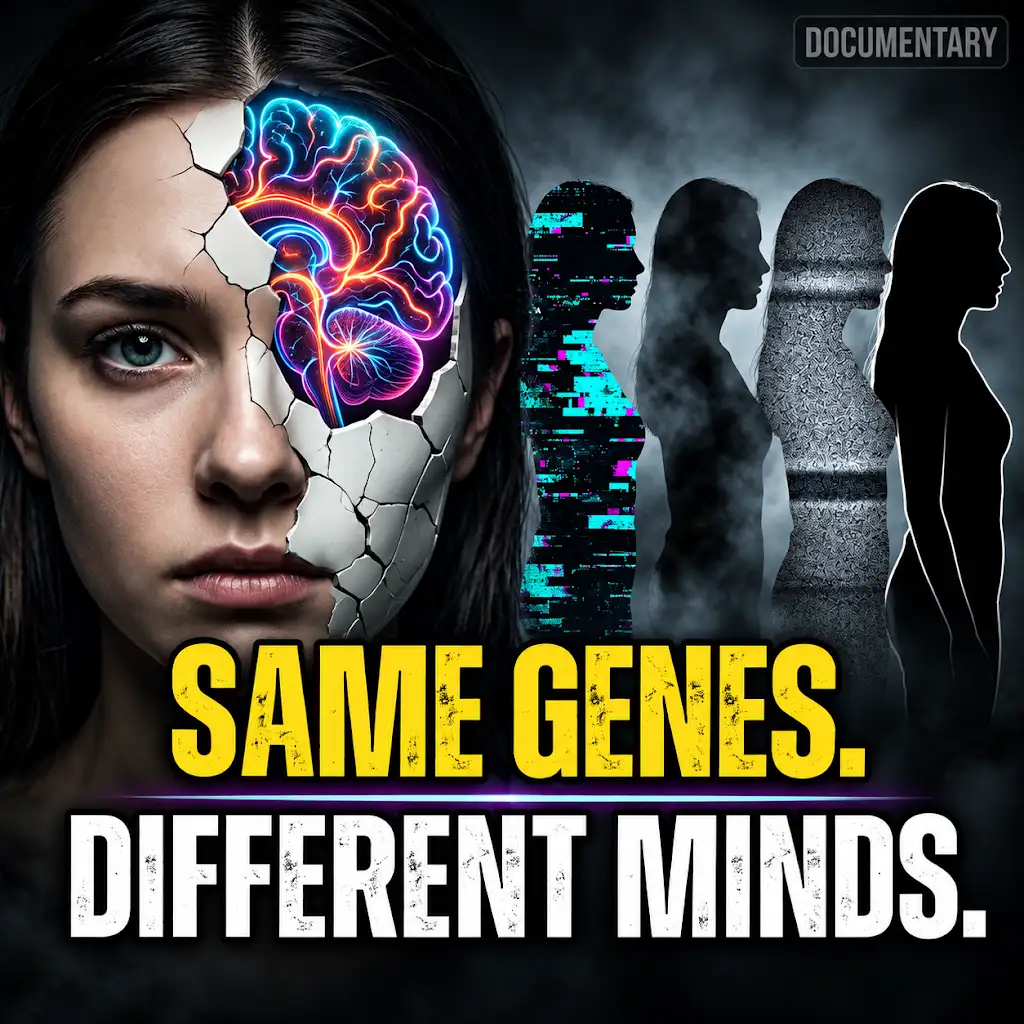
100% Same Genes, Different Minds: The Dark Psychology of the Genain Quadruplets
FAQs
1. Can identical quadruplets all have schizophrenia?
Yes, it is possible for all four identical quadruplets to have schizophrenia. While the condition is not solely determined by genetics, having identical DNA increases the likelihood of all siblings developing schizophrenia if one of them has it.
2. What are the chances of identical quadruplets all having schizophrenia?
The chances of all identical quadruplets having schizophrenia are higher than in the general population due to their shared genetic makeup. However, the exact probability can vary depending on other factors such as environmental influences and individual differences in gene expression.
3. Are there any studies or cases of identical quadruplets with schizophrenia?
There have been documented cases of identical quadruplets all having schizophrenia, although they are extremely rare. These cases provide valuable insights into the genetic and environmental factors that contribute to the development of schizophrenia.
4. How does having identical DNA affect the likelihood of schizophrenia in quadruplets?
Having identical DNA means that all quadruplets share the same genetic predisposition to schizophrenia. This increases the chances of all siblings developing the condition if one of them is diagnosed with schizophrenia.
5. What challenges do identical quadruplets with schizophrenia face?
Identical quadruplets with schizophrenia may face unique challenges such as dealing with the stigma associated with mental illness, managing their symptoms collectively, and navigating the complexities of genetic and environmental influences on their condition.