The tapestry of childhood is woven with threads of shared heritage and individual destinies. For siblings growing up under the same roof, privy to the same parental guidance, and sharing countless meals around the same table, one might assume their formative years would be remarkably similar. Yet, a closer examination reveals a far more nuanced reality: each child embarks on a unique journey, shaped by a confluence of internal and external factors that differentiate their experiences even within the same family unit. This exploration delves into the fascinating phenomenon of “Same Parents, Different Experiences,” unraveling the intricate layers that contribute to these distinct childhood narratives.
The Unseen Architects of Individuality
The foundation of any child’s experience is laid by their parents. However, the very people who provide this foundation also act as subtle, often unintentional, architects of individuality among their offspring. The passage of time, the accumulation of life lessons, and the evolving understanding of parenting itself can lead to distinct approaches to raising successive children. Furthermore, the personality and developmental stage of the parents at the time of each child’s birth can cast a long shadow over their early years.
Shifting Parental Perspectives and Parenting Styles
Parents rarely remain static figures throughout their child-rearing years. As they mature, gain experience, and perhaps confront unforeseen challenges, their perspectives on discipline, education, emotional support, and even the definition of success can shift. A couple who were initially more permissive with their first child might become more structured with their second, driven by a desire to avoid perceived mistakes or a greater understanding of the importance of certain developmental milestones. Conversely, some parents might become more relaxed and less anxious with later children, having navigated the initial storms of parenthood and developed a greater sense of confidence. This evolution in parenting styles can directly influence a child’s daily routines, the opportunities presented to them, and the emotional climate of their home.
Consider, for instance, a family where the parents are young and ambitious with their first child, pushing for early academic achievement and structured extracurricular activities. By the time their second child arrives, the parents might have achieved certain career goals, developed a deeper appreciation for free play, or perhaps experienced the burnout of over-scheduling. This shift could lead to the second child having more unstructured downtime, pursuing interests organically, and experiencing a less pressure-cooker environment. Even subtle changes in a parent’s energy levels, patience, or focus can create ripples that lead to vastly different childhoods. The first child might recall a parent who was always on the go, involved in every aspect of their life, while the second might remember a parent who was more present in quieter moments, a steady and calmer presence.
The Impact of Birth Order and Sibling Dynamics
Birth order is a well-researched factor in shaping personality and life experiences, and its influence is amplified within the familial context. Firstborns often experience a unique period of being the sole focus of parental attention, which can foster traits like responsibility, leadership, and a desire to please. They might be the “guinea pigs” of parenthood, subject to more experimentation and, perhaps, more parental anxiety. Secondborns, on the other hand, often find themselves in a different position, navigating the established routines and dynamics of a family that already includes an older sibling. They may develop skills in negotiation, compromise, and a greater sense of independence as they carve out their own space. Laterborns can inherit a more relaxed and experienced approach from their parents, potentially benefiting from a less rigid environment and a greater allowance for individuality.
Beyond birth order, the unique dynamic between each sibling pair is a powerful force. The age gap between siblings, their individual temperaments, and the shared experiences they create can forge bonds or rivalries that profoundly shape their perceptions. A sibling who is significantly older might act as a mentor or an antagonist, influencing the younger sibling’s interests, social circle, and even their sense of self-worth. Conversely, a close-in-age sibling pair might engage in constant comparison and competition, pushing each other to excel or fostering resentment. The shared secrets, inside jokes, and mutual support or conflict that characterize sibling relationships are indelible threads in the fabric of each child’s individual narrative.
External Influences: Schools, Friends, and the Wider World
While the home environment is paramount, a child’s experience is not solely confined within four walls. The external world plays an equally crucial role, and its impact can vary significantly for siblings attending different schools, forging different friendships, or being exposed to different extracurricular activities. The educational institutions attended can offer vastly different pedagogical approaches, social environments, and opportunities for exploration. A child who attends a large, competitive public school will likely have a different social and academic experience than a sibling who attends a smaller, more nurturing private school.
Friendships are another significant external influence. The peer group a child gravitates towards can shape their interests, values, and behaviors. One sibling might be drawn to a more academically inclined group, while another might find themselves among a more artistic or athletic circle. These social circles can open doors to new experiences, introduce different perspectives, and foster a sense of belonging that contributes to a child’s developing identity. Furthermore, exposure to the wider world through travel, community involvement, or even simply the differing opportunities and challenges presented by their geographical location can create divergent paths. A child who grows up in a bustling city might have different exposure to cultural events and diverse populations than a sibling who grows up in a rural setting.
In exploring the theme of parenting and the diverse experiences that arise from it, an insightful article titled “Same Parents, Different Experiences” delves into how siblings raised in the same household can have vastly different perceptions and memories of their upbringing. This article highlights the influence of individual temperament, birth order, and personal relationships on each child’s experience. For a deeper understanding of this topic, you can read more in the article available at Same Parents, Different Experiences.
The Nuances of Personality and Temperament

Beyond the environmental factors, the inherent personality and temperament of each child serve as a powerful lens through which they perceive and interact with their world. These intrinsic qualities, often present from birth, significantly shape how they respond to parental guidance, navigate social situations, and engage with opportunities and challenges. What one child might find exhilarating, another might find overwhelming. What motivates one might bore another.
Innate Dispositions and Emotional Responses
Every child is born with a unique set of predispositions. Some are naturally more outgoing and adventurous, eager to explore and take risks. Others are more introverted and cautious, preferring familiar environments and slower-paced interactions. These innate dispositions influence how a child approaches new experiences, interacts with their parents, and forms relationships. A highly sensitive child might be deeply affected by a stern word or a perceived slight, while a more robust child might brush it off.
The way children process and express emotions also differs. One sibling might be prone to dramatic outbursts and expressive displays of joy or frustration, while another might be more reserved, internalizing their feelings. These differing emotional landscapes can lead to distinct interactions with parents. A child who readily expresses their needs and emotions might receive a different kind of support than a sibling who struggles to articulate their inner world. This can shape how parents respond, potentially leading to the more vocal child receiving more immediate attention for their emotional states, while the quieter child’s needs might be overlooked or addressed differently.
In exploring the theme of parenting, it’s fascinating to consider how the same parents can have vastly different experiences with their children. For instance, a recent article on the Unplugged Psych website delves into the nuances of parenting styles and their impact on child development. This piece highlights how individual perceptions and circumstances can shape a parent’s journey, leading to unique challenges and rewards. To read more about this intriguing topic, you can check out the article here.
Cognitive Styles and Learning Preferences
The way children process information and learn can also vary significantly. Some are visual learners, benefiting from diagrams and demonstrations. Others are auditory learners, thriving on lectures and discussions. Still others are kinesthetic learners, needing hands-on experiences to grasp concepts. These cognitive styles can influence a child’s academic performance and their engagement with different types of activities.
A child who excels in a hands-on learning environment might find traditional classroom settings challenging if their learning style isn’t catered to, while a sibling who thrives on auditory learning might excel in those same classrooms. This can lead to differing levels of academic confidence and engagement. Parents, in their efforts to support their children’s education, might adapt their approaches based on these perceived learning preferences. They might provide more visual aids for one child and more reading materials for another, inadvertently creating a divergence in their educational experiences even with the same parental input.
Interests, Passions, and Individual Aptitudes
From a young age, children begin to exhibit individual interests and passions. One might be fascinated by dinosaurs and spend hours poring over books, while another might be drawn to music, spending their free time with an instrument. These developing interests are not only reflections of innate curiosity but also avenues for developing unique aptitudes.
These passions can lead siblings down very different paths. A child with a fervent interest in art might spend their weekends in studios, while a sibling captivated by science might be more inclined towards science fairs and experimentation. Parents might foster these interests, providing resources and encouragement, but the direction these passions take is inherently individual. This can lead to siblings developing vastly different skill sets and perspectives on the world, even when their parents have equally encouraged both. The child who becomes a budding musician will have a different understanding of discipline, practice, and performance than the child who becomes a skilled programmer, despite both having received similar parental support for their endeavors.
The Interplay of Shared Memories and Individual Interpretation
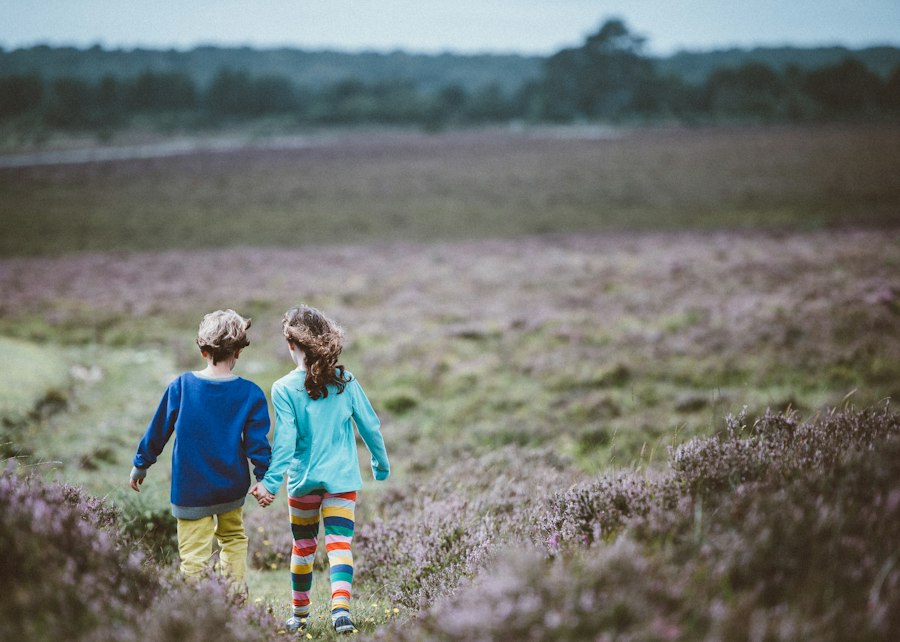
The shared memories of a childhood are often considered the bedrock of sibling bonds. Yet, the act of remembering is not a passive reception of facts; it is an active process of interpretation, colored by individual perspectives, emotional states, and the passage of time. What one sibling recalls as a joyous family vacation, another might remember with a tinge of sadness due to a separate personal struggle they were experiencing at the time.
Reconstructing the Past: Memory as a Subjective Art
Human memory is not a perfect recording device. It is a dynamic and reconstructive process, influenced by current emotions, beliefs, and subsequent experiences. Siblings, even when recalling the same event, can emphasize different details, assign different emotional weight to occurrences, and even form entirely different narratives. A childhood argument that one sibling remembers as a formative lesson in conflict resolution might be remembered by the other as a deeply hurtful betrayal.
Parents themselves might have their own versions of past events, which can further complicate the collective family memory. These differing interpretations of shared experiences can lead to a subtle divergence in how siblings understand their family history and their place within it. One sibling might feel a strong sense of belonging and shared adventure, while another might feel like an outsider or an afterthought, even when recalling the same events.
Emotional Resonance: The Subjectivity of Family Milestones
Family milestones, such as birthdays, holidays, graduations, and even simple family dinners, are often seen as shared experiences. However, the emotional resonance of these events can be profoundly different for each child. A child who feels overlooked or undervalued might experience a joyous family gathering with a sense of unease or loneliness, while a child who feels cherished might revel in the collective warmth.
The parental focus on each child during these milestones can also contribute to differing perceptions. If one child receives significant parental attention and praise during a particular event, while another feels less acknowledged, their memory of that event will be colored by this disparity. This can lead to a subtle but significant difference in how siblings perceive their upbringing and the overall emotional landscape of their family. The “happy” family photo might represent a moment of pure joy for one sibling, while for another, it might be a reminder of a time they felt unseen.
The Evolution of Understanding and Perspective
As siblings grow into adulthood, their understanding and interpretation of their childhood often evolve. What might have been a source of frustration or confusion during their youth can become a point of reflection and insight years later. The experiences that shaped them differently in childhood may be re-evaluated through the lens of adult wisdom and life experience.
A sibling who felt stifled by parental expectations in their youth might, as an adult, recognize the underlying care and intention behind those expectations. Conversely, a sibling who felt overly indulged might, in adulthood, lament the lack of structure and guidance. This evolving understanding means that even siblings who shared a home and parents can have vastly different interpretations of their past, leading to unique perspectives on their present lives and future aspirations. The narrative of their shared childhood is not a static document but a living, breathing story that each sibling continues to write and rewrite.
The Impact on Adult Relationships and Life Choices
The unique childhood journeys of siblings, shaped by the interplay of parental influence, individual temperament, and external factors, do not simply fade away upon reaching adulthood. Instead, these formative experiences continue to ripple through their lives, influencing their adult relationships, career choices, and overall approach to life.
Forming Adult Relationships: Trust, Intimacy, and Conflict Resolution
The patterns of interaction and emotional dynamics experienced in childhood often become blueprints for adult relationships. Siblings who experienced consistent parental support and open communication might find it easier to establish trust and intimacy in their own romantic partnerships and friendships. Conversely, those who experienced inconsistent emotional availability or unresolved family conflicts might struggle with establishing secure attachments or navigating interpersonal challenges.
The way parents handled conflict within the family can also shape how siblings approach conflict in their adult lives. Siblings who witnessed healthy resolution and respectful disagreement might be more equipped to engage in constructive conflict resolution. Those who experienced explosive arguments or passive-aggressive communication might be more prone to avoidance or escalation. These early learnings, deeply embedded in their subconscious, subtly guide their interactions and the quality of their adult relationships.
Career Paths and Life Ambitions: Fostering Independence or Dependence
The encouragement of independence, the provision of opportunities, and the modeling of career aspirations by parents can significantly impact a child’s future professional trajectory. A sibling who was encouraged to pursue their passions and take calculated risks might be more likely to embark on entrepreneurial ventures or career paths that require initiative and self-direction. Another sibling, who might have experienced more parental pressure to follow a specific, secure path, could find themselves in a more conventional career, perhaps with less personal fulfillment.
The perception of parental expectations can also play a significant role. A sibling who feels they are living up to an unmet parental ambition might pursue a career that aligns with those expectations, even if it doesn’t fully resonate with their own desires. This can lead to divergent life ambitions and a sense of satisfaction or discontent that is unique to each individual. The dreams and aspirations nurtured, or perhaps subtly suppressed, during childhood can have a profound and lasting impact on the adult lives siblings build.
Self-Perception and Identity Formation: The Enduring Legacy of Childhood Experiences
Ultimately, the unique childhood journeys of siblings contribute to their distinct senses of self and their individual identities. The ways they were seen, supported, challenged, and loved by their parents, as well as their interactions with the world and each other, shape their core beliefs about themselves.
One sibling might develop a strong sense of resilience and self-reliance, having navigated early challenges with a sense of agency. Another might carry a lifelong need for external validation, stemming from a childhood where they felt their achievements were consistently measured against others. These internalized narratives, formed during the impressionable years of childhood, continue to influence how siblings perceive their strengths, weaknesses, and overall worth as adults. The seemingly small differences in how their parents responded, the opportunities they were presented with, or the friendships they forged, all contribute to the rich and varied tapestry of their individual adult identities. The experience of growing up under the same roof, with the same parents, can lead to two profoundly different, yet equally valid, understandings of who they are and what their lives are meant to be.

100% Same Genes, Different Minds: The Dark Psychology of the Genain Quadruplets
FAQs
1. How can siblings from the same parents have different experiences?
Siblings from the same parents can have different experiences due to factors such as birth order, personality differences, individual interests, and external influences like friends and teachers.
2. What role does parental treatment play in shaping siblings’ experiences?
Parental treatment can significantly impact siblings’ experiences. Differences in parenting styles, favoritism, and expectations can lead to varying experiences and outcomes for siblings.
3. Can societal influences contribute to siblings having different experiences?
Yes, societal influences such as cultural norms, economic status, and access to resources can contribute to siblings having different experiences. These external factors can shape opportunities and challenges for each sibling.
4. How do siblings’ personalities affect their experiences growing up?
Siblings’ personalities can play a significant role in shaping their experiences growing up. Differences in temperament, interests, and coping mechanisms can lead to unique experiences and interactions within the family dynamic.
5. What impact can birth order have on siblings’ experiences?
Birth order can influence siblings’ experiences as older, middle, and younger children often have different roles and responsibilities within the family. Birth order can also affect parental expectations and sibling relationships, contributing to varied experiences.