The tapestry of family life is woven with threads of shared experiences, genetic inheritance, and deeply ingrained customs. Yet, within the very same household, under the watchful gaze of the same parental figures, emerge individuals who are distinctly their own. This phenomenon, where siblings from the same parents exhibit remarkably different personalities, interests, and life paths, is a cornerstone of understanding human development and family dynamics. It challenges simplistic notions of nurture dictating destiny and highlights the intricate interplay of nature, environment, and individual agency. Exploring these unique family dynamics offers profound insights into what shapes us and how families, despite their inherent similarities, cultivate such diverse blossoms.
The Nature of Individuality: Beyond the Blueprint
The fundamental question at the heart of this exploration is why, given the same genetic starting point and upbringing, individuals diverge so dramatically. While shared genes provide a foundational blueprint, they are not a rigid set of instructions. Instead, they represent a spectrum of predispositions, a range of potential that is then shaped and expressed through a multitude of other factors. This inherent uniqueness, present from birth, is often magnified as children grow and interact with the world in their own particular ways.
The Genetic Lottery: Inherited Traits and Their Manifestations
Siblings inherit approximately 50% of their genes from each parent, creating a significant genetic overlap. However, the specific combination of these genes varies with each child. This random assortment means that even closely related individuals can inherit different aptitudes, temperaments, and predispositions. For instance, one child might inherit a higher propensity for artistic expression, while another might be predisposed to analytical thinking. These genetic tendencies are not deterministic but rather influence the probability of certain traits emerging. A child might be genetically predisposed to introversion, but their environment and experiences will heavily influence how this trait manifests – perhaps as a quiet observer, a diligent student, or a shy recluse. The sheer combinatorial possibilities of genetic inheritance mean that even identical twins, who share 100% of their genes, can develop distinct personalities due to subtle differences in their development and experiences. Understanding the genetic lottery is the first step in appreciating the inherent individuality that precedes even the most profound environmental influences.
The Role of Temperament: Innate Behavioral Styles
Even in infancy, distinct temperamental differences are observable. Some babies are naturally easygoing, adaptable, and have predictable routines, while others are more challenging, sensitive to stimuli, and prone to strong emotional reactions. These innate temperamental styles, often considered the building blocks of personality, can significantly shape how a child interacts with their environment and, consequently, how they are perceived and treated by their parents and the world around them. A child with a highly adaptable temperament might seamlessly integrate into family activities, while a more sensitive child might require more individual attention and a tailored approach to manage their sensory input. These temperamental variations are not a reflection of parental success or failure but rather an inherent aspect of each child’s unique makeup. Parents often find themselves instinctively responding differently to these varying temperaments, which, in turn, can further shape the developmental trajectories of their children.
In exploring the complexities of parenting and child development, the article “Same Parents, Different Children” delves into how siblings raised in the same environment can exhibit remarkably different personalities and behaviors. This phenomenon can be attributed to a variety of factors, including individual temperament, peer influences, and unique experiences. For further insights on this topic, you can read more in detail at Unplugged Psych.
The Nurture Factor: Environmental Influences and Their Nuances

While genetics lays the groundwork, the environment in which a child grows provides the soil and sunlight for their development. However, even within the same family, the “environment” is not a monolithic entity. Each child experiences the family system through their own unique lens, interacting with parents, siblings, and external influences in ways that are specific to them. This personalized experience of nurture is crucial in understanding sibling differences.
Birth Order and Its Echoes: Sibling Roles and Expectations
The position of a child within the family hierarchy, determined by birth order, is a frequently cited factor in sibling dynamics. Eldest children are often seen as pioneers, taking on responsibilities and setting precedents. Middle children may develop skills in negotiation and diplomacy, navigating the space between older and younger siblings. Youngest children might enjoy a more relaxed upbringing, potentially fostering creativity and independence or, conversely, a sense of entitlement. While the impact of birth order is not absolute and can be influenced by many other variables, it can contribute to the development of distinct roles and expectations within the family. These roles, often unconsciously adopted, can shape a child’s interactions, self-perception, and even their future career choices. For example, an eldest child who was consistently tasked with looking after younger siblings might develop strong leadership qualities, while a middle child adept at mediating disputes might excel in a career requiring interpersonal skills.
Differential Parenting: The Art of Individualized Guidance
Parents, consciously or unconsciously, often tailor their parenting styles to the individual needs and personalities of each child. This is not necessarily a sign of favoritism but rather a recognition of each child’s unique developmental stage and temperament. One child might thrive under a more structured approach, requiring clear boundaries and consistent routines, while another might benefit from more freedom and opportunities for exploration. This differential parenting, while intended to support each child’s growth, can also inadvertently contribute to their divergence. A parent’s encouragement of a certain talent in one child might go unnoticed or be expressed differently towards another, leading to different skill sets and interests. This nuanced approach to raising children, while often effective, highlights how the same parents can create distinct environmental niches for each of their offspring.
Peer Groups and External Influences: The World Beyond the Family
As children grow, their social circles expand beyond the immediate family. The friends they choose, the extracurricular activities they engage in, and the broader cultural influences they encounter all play a significant role in shaping their identities. A child who gravitates towards a group of academically focused peers might develop different interests and aspirations than one who joins a sports team or an artistic collective. These external influences, often chosen or sought out by the child themselves, can exert a powerful counterpoint to familial socialization, contributing to the development of unique perspectives and life paths. A child who spends their weekends at coding camps will inevitably gain a different set of skills and knowledge than a sibling who is passionate about volunteering at an animal shelter.
The Dance of Sibling Relationships: Connection and Contrast
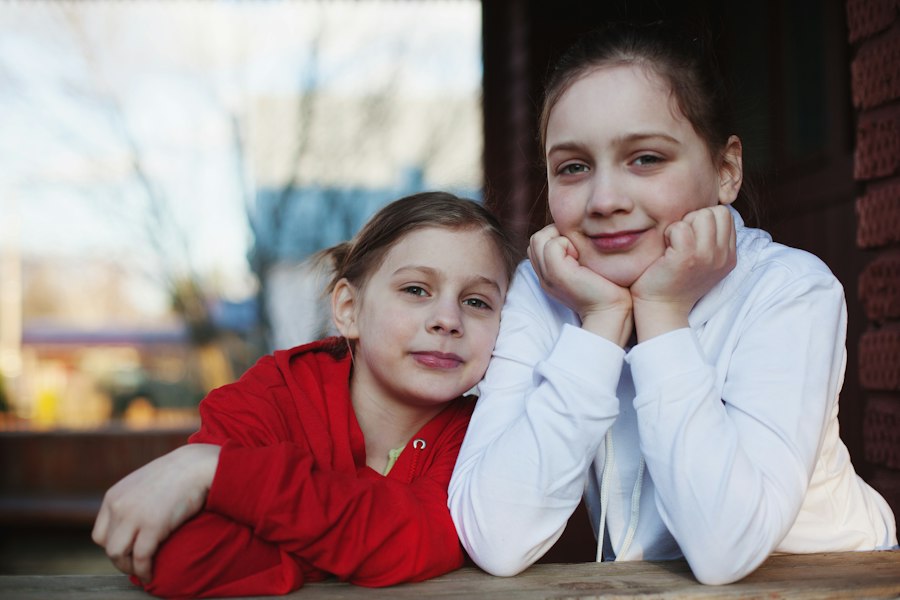
The relationship between siblings is a unique microcosm of human interaction, characterized by a potent mix of love, rivalry, companionship, and competition. These dynamics are not static but evolve over time, profoundly influencing how siblings perceive themselves and each other. The very contrasts between siblings can, paradoxically, strengthen their bond.
Sibling Rivalry: A Catalyst for Self-Discovery
Sibling rivalry, a common and often intense aspect of family life, can be a powerful engine for self-discovery. The competition for parental attention, resources, or perceived affection can push siblings to develop their unique strengths and assert their individuality. In striving to differentiate themselves, siblings often hone skills and cultivate interests that set them apart. A younger sibling, perhaps feeling overshadowed by an older sibling’s achievements, might dedicate themselves to developing a talent in a completely different field, thus carving out their own niche. This drive to be distinct, fueled by rivalry, can lead to a more robust sense of self and a clearer understanding of one’s own capabilities.
Complementary Strengths: The Yin and Yang of Siblings
In many families, siblings develop complementary strengths, creating a dynamic where they can rely on each other’s unique abilities. One sibling might be the pragmatic planner, while the other is the imaginative dreamer. One might be the social butterfly, adept at navigating social situations, while the other is the introspective observer. These differences, rather than creating insurmountable divides, can foster a deep appreciation for each other’s contributions. This “yin and yang” dynamic allows siblings to learn from one another, broaden their perspectives, and provide support in areas where they might be weaker. A sibling who struggles with public speaking might find confidence in the support of a sibling who is a natural orator.
Shared History, Divergent Futures: Navigating the Legacy
While siblings share a common past, their futures are invariably their own. They may reminisce about childhood adventures, inside jokes, and family traditions, but their adult lives will be shaped by individual choices, aspirations, and life circumstances. This shared history provides a powerful anchor, a foundation of understanding and connection, even as their paths diverge. The ability to draw upon this shared legacy while forging independent futures is a testament to the resilience of sibling bonds and the enduring power of family, even in the face of profound individual differences. Understanding how they navigate this interplay between shared history and divergent futures is crucial to appreciating the complexity of their relationship.
The Parental Perspective: Guiding Uniqueness
The role of parents in this intricate dance of individuality is crucial. While they provide the foundational structure, their ability to adapt, observe, and guide each child’s unique trajectory is paramount. This requires a delicate balance of providing consistent love and support while allowing for the unfolding of individual personalities and potential.
Recognizing and Valuing Diversity: The Foundation of Acceptance
A key aspect of navigating unique family dynamics is for parents to actively recognize and value the inherent diversity within their children. This means celebrating individual strengths, interests, and even quirks, rather than trying to mold children into a preconceived ideal or comparing them unfavorably to one another. When parents embrace each child’s unique gifts, they foster an environment of acceptance and self-worth. This acceptance is not about ignoring areas for improvement but about approaching them from a place of understanding and support for the individual child. A parent who champions their child’s passion for a less conventional hobby, rather than expressing disappointment, is fostering a stronger sense of self in that child.
Fostering Independence: Allowing Room to Grow
Effective parenting in diverse families involves fostering independence. This means allowing children the space to make their own choices, learn from their mistakes, and develop their own problem-solving skills. While guidance is essential, over-involvement or excessive control can stifle a child’s natural inclination to explore and discover. Empowering children to take ownership of their learning and their life decisions, even when it leads to different outcomes than those the parents might have envisioned, is vital for their long-term development and their ability to thrive as unique individuals.
The Ever-Evolving Family Unit: Adapting to Individual Journeys
As children grow and embark on their individual journeys, the family unit itself evolves. Parental roles shift from direct caregivers to mentors and guides. The dynamics between siblings also transform as they establish their own independent lives. This evolution requires flexibility and a willingness to adapt to each child’s changing needs and circumstances. The family’s ability to remain a supportive constant while individual members chart their own courses is a testament to its enduring strength and the profound impact of understanding and celebrating each unique member.
In exploring the complexities of parenting, the article on the Unplugged Psych website provides valuable insights into how the same parents can raise different children with unique personalities and experiences. This phenomenon can be attributed to various factors, including birth order, individual temperament, and the distinct relationships each child forms with their parents. For a deeper understanding of this topic, you can read more in the related article that delves into the dynamics of sibling relationships and their impact on development.
Understanding the Broader Implications: Lessons from Divergent Paths
| Metric | Description | Example |
|---|---|---|
| Genetic Similarity | Percentage of shared DNA between siblings from the same parents | Approximately 50% |
| Birth Order | Order in which children are born to the same parents | Firstborn, Secondborn, etc. |
| Age Gap | Difference in age between siblings | 2 years |
| Personality Differences | Variation in personality traits among siblings | Introverted vs. Extroverted |
| Educational Attainment | Highest level of education achieved by each child | High School, Bachelor’s Degree |
| Health Metrics | Differences in health conditions or physical traits | Allergic vs. Non-allergic |
The phenomenon of “same parents, different children” offers invaluable insights that extend beyond the confines of the family unit. It provides a lens through which to understand human diversity, the complexities of social structures, and the importance of individual agency in a world often seeking conformity.
Challenging Deterministic Views: The Power of Agency
The existence of starkly different individuals from the same parents directly challenges deterministic views of human development, whether they are rooted in genetics or environment. It underscores the power of individual agency – the capacity of individuals to make their own choices and exert control over their lives, even within the constraints of their circumstances. This recognition of agency is crucial for fostering a society that values individual contributions and avoids pigeonholing people based on their background or perceived group affiliations. It encourages a belief in the potential for change and growth, regardless of initial conditions.
Fostering Empathy and Tolerance: Appreciating Different Perspectives
Understanding and appreciating the diversity within families can foster greater empathy and tolerance in society. When individuals grasp that even within the closest of relationships, profound differences can exist and flourish, they are more likely to extend that understanding to those outside their immediate circle. Recognizing that people are shaped by a multitude of factors, and that their experiences, even within shared environments, are unique, encourages a more nuanced and compassionate approach to understanding different perspectives and life choices. It moves away from simplistic judgments and towards a recognition of the complex tapestry of human experience.
The Richness of Human Variety: A Celebration of Uniqueness
Ultimately, the exploration of unique family dynamics is a celebration of the richness of human variety. It highlights that the true strength of a family, and indeed of society, lies not in its uniformity but in its embrace of individuality. Each child, with their distinct personality, talents, and aspirations, contributes a unique thread to the family’s tapestry, making it more vibrant, resilient, and beautiful. The presence of different children from the same parents is not an anomaly to be explained away, but a fundamental aspect of the human condition, a testament to the wondrous capacity for individual expression that makes each life story compelling and significant.
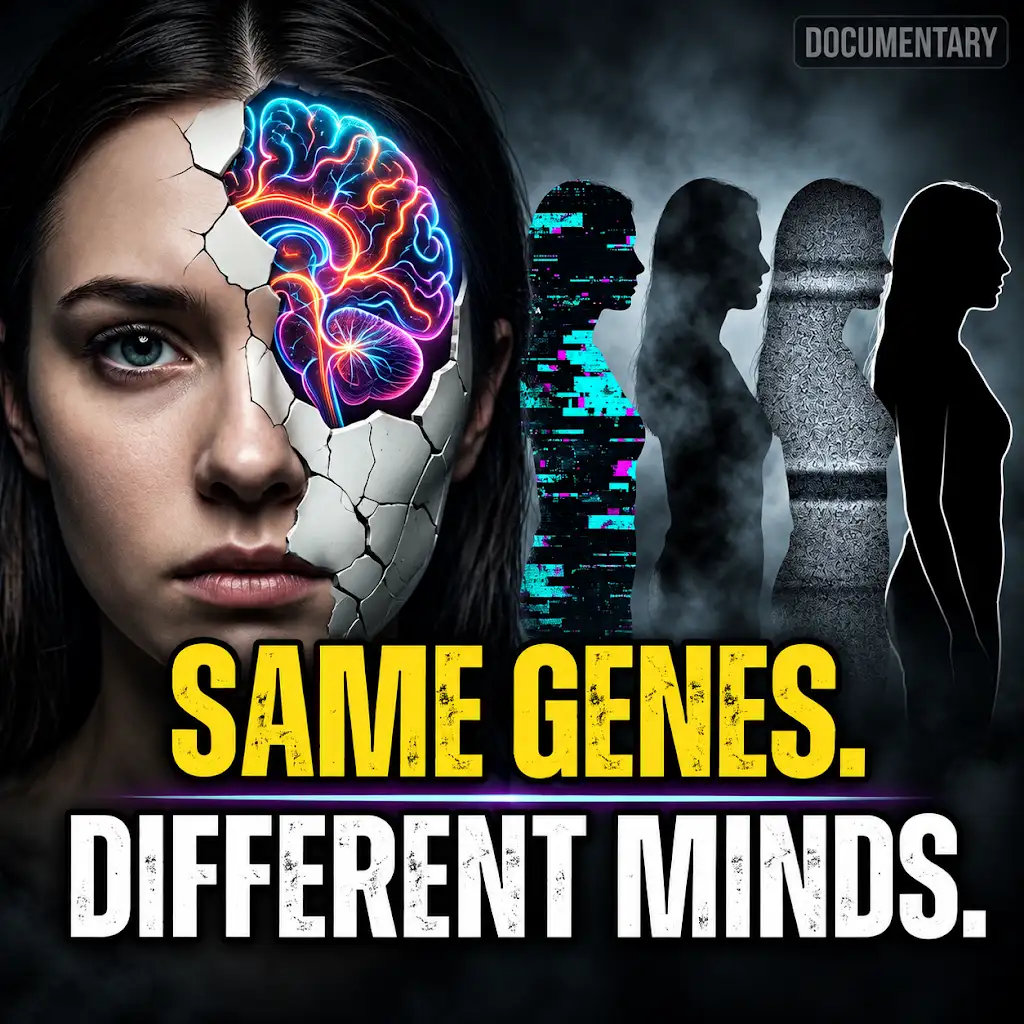
100% Same Genes, Different Minds: The Dark Psychology of the Genain Quadruplets
FAQs
1. Can siblings from the same parents have different genetic traits?
Yes, siblings from the same parents can inherit different genetic traits due to the random combination of genes during conception. This can result in variations in physical appearance, personality traits, and even susceptibility to certain diseases.
2. How do siblings from the same parents end up with different personalities?
Siblings can have different personalities due to a combination of genetic and environmental factors. While they may share genes from the same parents, each child’s unique experiences, interactions, and upbringing can shape their individual personalities.
3. Is it common for siblings from the same parents to look very different from each other?
Yes, it is common for siblings from the same parents to look very different from each other. Genetic variations can result in siblings having different physical features such as eye color, hair color, height, and facial features.
4. Why do siblings from the same parents sometimes have different interests and talents?
Siblings can have different interests and talents due to a combination of genetic predispositions and individual experiences. While they may share some genetic traits, each child’s unique interests, passions, and talents can be influenced by their environment, upbringing, and personal preferences.
5. Can siblings from the same parents have different health conditions?
Yes, siblings from the same parents can have different health conditions. Genetic factors, environmental influences, lifestyle choices, and random variations can all contribute to siblings developing different health conditions or being predisposed to different diseases.