The Rosenhan Study: A Landmark Examination of Diagnostic Reliability
The 1973 Rosenhan study, “On Being Sane in Insane Places,” remains a seminal and controversial piece of research in the field of psychology and psychiatry. Conducted by David Rosenhan, a Stanford University psychologist, the study aimed to investigate the reliability and validity of psychiatric diagnoses. Participants, who were all psychologically healthy, feigned auditory hallucinations to gain admission to twelve different psychiatric hospitals across five states. Once admitted, they dropped all pretense of illness and behaved normally, taking notes on their experiences and interacting with staff and patients. The study’s findings were stark and profoundly unsettling: the pseudopatients were consistently diagnosed with psychiatric disorders, and their “illness” was difficult to disprove, even when their behavior clearly indicated sanity. The length of their stays varied significantly, from 7 to 52 days, with an average of 19 days. The study exposed deep-seated issues within the mental healthcare system, particularly concerning the subjective nature of diagnosis, the influence of institutional environments, and the ethical considerations surrounding deception in psychological research.
The Rosenhan study, which famously demonstrated the challenges of diagnosing mental illness and the impact of deception in research, raises important ethical questions about the integrity of psychological studies. A related article that delves deeper into the implications of deception in research is available at Unplugged Psych. This article explores various instances of deception in psychological experiments and discusses the balance between scientific inquiry and ethical considerations.
The Methodology and the Participants: A Careful Design of Deception

Rosenhan’s study was meticulously designed to test a critical hypothesis: whether the diagnostic process itself was inherently flawed, leading to misclassification of individuals. The core of the experiment involved eight pseudopatients – three women and five men, including Rosenhan himself – who were all graduate students, psychology professors, or physicians. These individuals were psychologically healthy, with no history of mental illness. Their task was to present themselves at various psychiatric hospitals, complaining of hearing voices that said words like “thump,” “hollow,” and “empty.” This symptom, while vague and non-specific, was chosen to induce a diagnosis of schizophrenia or manic-depressive psychosis. The objective was not to mimic severe illness but to introduce a single, ambiguous symptom.
Once admitted, the pseudopatients were instructed to cease feigning any symptoms and to behave as normally as possible. They were to express genuine concern about their release and engage in interactions that demonstrated their sanity, such as writing notes about their experiences and engaging in conversations with other patients and staff. The crucial aspect of this phase was to observe how the psychiatric environment would interpret and process the behavior of individuals already labeled as mentally ill. The duration of their stays was determined by the hospital’s assessment of their readiness for discharge, a process that proved to be surprisingly lengthy and resistant to the clear evidence of their recovery.
The second part of the study involved an attempt by the researchers to challenge the diagnostic system from the outside. In this variation, a university faculty member informed a teaching hospital that pseudopatients would attempt to be admitted. This time, out of 191 new patients admitted, faculty members identified 41 as potential pseudopatients, with 19 of them receiving suspicion from at least one psychiatrist and another 42 from at least one staff member. However, in reality, no pseudopatients were sent this time. This part of the study aimed to demonstrate that the label of “mental patient” was so powerful that it could lead to misinterpretations of ordinary behavior. The findings from both phases of the Rosenhan study painted a disturbing picture of a system that was prone to error and influenced by contextual factors.
The Impact of Labels and Institutionalization: A Systemic Critique
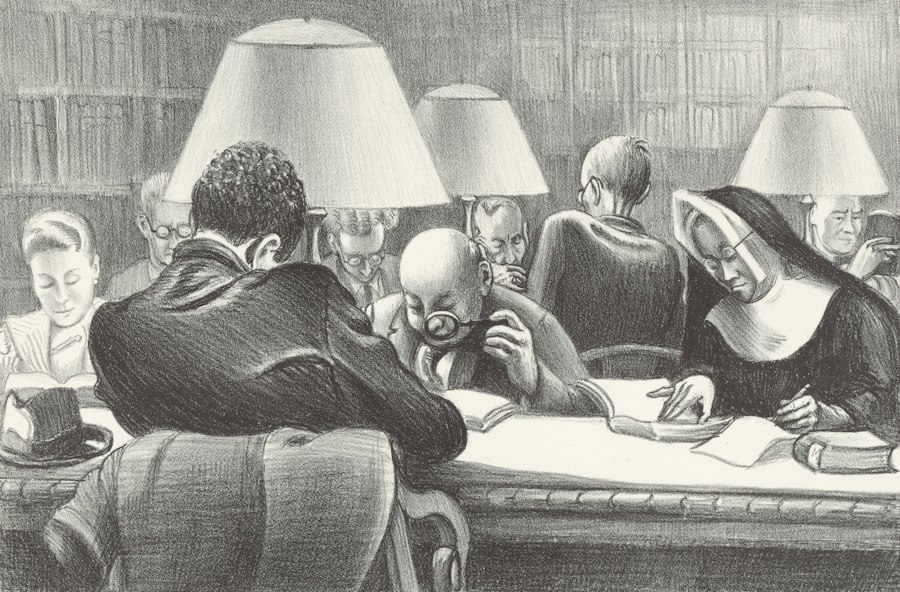
One of the most profound findings of the Rosenhan study was the power of diagnostic labels. Once a person was labeled as mentally ill, their subsequent behavior, even if normal, was often interpreted through the lens of that diagnosis. The pseudopatients, despite acting sanely, were consistently misattributed with pathological behaviors. For instance, a nurse observing a pseudopatient taking notes in a notebook might interpret it as a symptom of his illness, rather than as a rational attempt to document his experiences. Similarly, the act of asking questions about the hospital’s procedures, a perfectly normal behavior for any new admittee, was often seen as a sign of paranoia or confusion.
The study highlighted the concept of “diagnostic overshadowing,” where a diagnostic label can overshadow or eclipse other more relevant information about a person’s state. The inherent subjectivity in psychiatric diagnosis meant that the same behavior could be interpreted differently depending on the existing diagnostic framework. The pseudopatients’ initial symptoms, though fabricated, became the dominant narrative, and their subsequent “normal” behaviors were woven into this narrative to confirm the initial diagnosis. This suggests that the diagnostic process was not an objective assessment but rather a process influenced by preconceptions and stereotypes associated with mental illness.
Furthermore, the study illuminated the negative impact of institutionalization on mental well-being. The psychiatric hospitals, designed to be places of healing, inadvertently became environments that fostered a sense of powerlessness and dehumanization. The pseudopatients described a lack of privacy, limited interaction with staff, and a feeling of being constantly observed and judged. The routine nature of hospital life, the depersonalization of care, and the rigid hierarchy within the institution all contributed to a sense of alienation. The length of stay, even for those clearly ready for discharge, indicated a reluctance to admit errors or challenge the established diagnostic framework within the institution. This created a self-perpetuating cycle where the environment itself could contribute to or exacerbate the perceived illness.
Ethical Dilemmas: The Unavoidable Use of Deception
The Rosenhan study, despite its significant contributions to understanding mental healthcare, is not without its ethical controversies. The most prominent ethical issue centers on the use of deception. The pseudopatients, by feigning mental illness, were inherently deceiving the mental health professionals and institutions they interacted with. This raises questions about the justification of such deception in research, particularly when it involves vulnerable individuals and potentially sensitive settings.
One of the primary ethical considerations in psychological research is the principle of informed consent. Participants in a study should be aware of the nature of the research, its potential risks and benefits, and their right to withdraw at any time. In the Rosenhan study, the pseudopatients could not obtain informed consent from the professionals they deceived, nor could the patients in the hospitals, who were often unaware of the experimental nature of the situation. The lack of consent from those directly involved in the experiment is a significant ethical hurdle.
However, proponents of the study argue that deception was a necessary methodological tool. To truly assess the diagnostic process, researchers needed to simulate the real-world scenario of individuals seeking help for presumed mental distress. If the pseudopatients had disclosed their true intentions to the hospital staff, the experiment would have been fundamentally compromised. The researchers believed that the potential benefits of uncovering systemic flaws in psychiatric diagnosis and treatment outweighed the ethical concerns of deception, especially given that the pseudopatients were not subjected to harmful treatments and were, in fact, psychologically healthy.
Another ethical consideration is the potential for harm. While the pseudopatients were not harmed, the deception could have had unintended consequences. The prolonged stays and the difficulty in being discharged could have caused distress. Moreover, the study’s findings, when published, could have contributed to stigma against individuals seeking mental health treatment, leading to a reluctance to seek help for fear of being misdiagnosed or institutionalized. The question of balancing the pursuit of scientific knowledge with the protection of human subjects remains a central ethical debate in the wake of the Rosenhan study.
The Rosenhan study is a pivotal example of deception in psychological research, highlighting the challenges of accurately diagnosing mental illness. A related article that delves deeper into the ethical implications of such studies can be found at Unplugged Psych, where the complexities of informed consent and the impact of deception on both participants and researchers are explored. This discussion not only sheds light on the necessity of ethical standards in research but also emphasizes the importance of transparency in psychological studies.
Repercussions and Reforms: Shaping the Future of Mental Healthcare
| Aspect | Details |
|---|---|
| Study Name | The Rosenhan Experiment |
| Year Conducted | 1973 |
| Researcher | David L. Rosenhan |
| Type of Deception | Pseudopatients feigned auditory hallucinations to gain admission to psychiatric hospitals |
| Number of Pseudopatients | 8 |
| Hospitals Involved | 12 different psychiatric hospitals across the United States |
| Duration of Hospital Stay | 7 to 52 days (average 19 days) |
| Diagnoses Given | All pseudopatients diagnosed with schizophrenia except one with bipolar disorder |
| Ethical Concerns | Deception of hospital staff, lack of informed consent, potential harm to pseudopatients |
| Impact on Research Ethics | Raised awareness about the use of deception and the need for ethical guidelines in psychological research |
The publication of the Rosenhan study sent shockwaves through the psychiatric and psychological communities. It served as a powerful catalyst for introspection and reform within the mental healthcare system. The study’s findings directly challenged the diagnostic practices and the prevailing understanding of mental illness, prompting a critical re-evaluation of established methodologies.
In response to the study, significant efforts were made to improve the reliability and validity of diagnostic tools. The Diagnostic and Statistical Manual of Mental Disorders (DSM), the primary diagnostic guide for mental health professionals, underwent substantial revisions. The DSM-III, published in 1980, marked a significant shift towards more objective and observable criteria for diagnoses, moving away from the more subjective interpretations that characterized earlier versions. This focus on clear, measurable symptoms aimed to reduce the ambiguity and subjectivity that the Rosenhan study had so effectively exposed.
The study also highlighted the importance of ongoing training and education for mental health professionals. The need to be aware of biases, the influence of contextual factors, and the potential for diagnostic error became paramount. This led to increased emphasis on critical thinking skills, differential diagnosis, and the continuous evaluation of one’s own diagnostic practices. Furthermore, the study contributed to a broader discussion about the role of institutionalization and the need for more community-based mental health services. The dehumanizing aspects of long-term inpatient care were brought to the forefront, encouraging the development of outpatient treatment, crisis intervention, and supportive community programs.
While the Rosenhan study did not offer immediate solutions, its impact was profound and far-reaching. It ignited a crucial dialogue about the nature of mental illness, the limitations of diagnostic systems, and the ethical responsibilities of researchers and clinicians. The study’s legacy is one of continuous improvement, pushing the field towards more accurate diagnoses, more compassionate care, and a greater understanding of the complex interplay between individuals and the systems designed to support them. The ethical considerations surrounding deception in research, though debated, remain a vital aspect of the study’s enduring impact, serving as a constant reminder of the careful balance required in the pursuit of scientific knowledge.

What Did Rosenhan Leave Out of His Famous Study?
FAQs
What was the Rosenhan study?
The Rosenhan study was a famous psychological experiment conducted in the 1970s to investigate the validity of psychiatric diagnosis and the treatment of mental illness in psychiatric hospitals.
How was deception used in the Rosenhan study?
Deception was used in the Rosenhan study when eight “pseudopatients” presented themselves at various psychiatric hospitals claiming to hear voices. They were admitted and then acted normally, reporting that the voices had stopped. The pseudopatients were not actually mentally ill, but were testing how accurately psychiatric hospitals could diagnose mental illness.
What were the key findings of the Rosenhan study?
The key findings of the Rosenhan study were that psychiatric hospitals were unable to distinguish between mentally ill patients and pseudopatients who were not actually mentally ill. The pseudopatients were often misdiagnosed and kept in the hospitals for extended periods of time, despite showing no symptoms of mental illness.
What ethical concerns were raised by the Rosenhan study?
The Rosenhan study raised ethical concerns about the use of deception in research, as the pseudopatients were admitted to psychiatric hospitals under false pretenses. There were also concerns about the potential harm caused to the patients and staff in the hospitals who were unknowingly part of the study.
How did the Rosenhan study impact the field of psychology?
The Rosenhan study had a significant impact on the field of psychology by highlighting the limitations of psychiatric diagnosis and the treatment of mental illness. It led to increased awareness of the need for more accurate diagnostic criteria and better training for mental health professionals.